
Key Points
Heat-tolerant plants like sedum, lavender, and rosemary thrive in hot, dry climates.
Many heat-loving plants also attract pollinators, adding beauty and ecological benefits to your garden.
Many of these plants actually prefer peak heat as opposed to cool, wet summers.
The dog days of summer are almost upon us, aka the most intense days of heat over summer. If it seems like no plants in your garden will survive this hot stretch, don’t worry. We consulted garden experts for their go-to heat-loving plants, and they gave us six great recommendations.
According to the pros, these plants are known for not just surviving, but thriving, in higher-than-average summer temperatures. They look better the hotter the weather.
Meet the Expert
Tony O’Neill is a gardening author and the founder of Simplify Gardening, an gardening tip website.
Kim Zimmerman is a certified Master Gardener and owner of Rowdy Poppy, a Denver-based floral design and plant company.

Credit: Justus de Cuveland / Getty Images
Sedums are extremely heat-tolerant, and since they also handle drought well, you won’t have to worry about them during the worst heat spells of the summer.
Advertisement
Advertisement
They are also attractive to pollinators.
Tony O’Neill, gardening author and founder of Simplify Gardening, notes that sedum also provides late-season interest where many other drought-tolerant plants don’t.

Credit: Iva Vagnerova / Getty Images
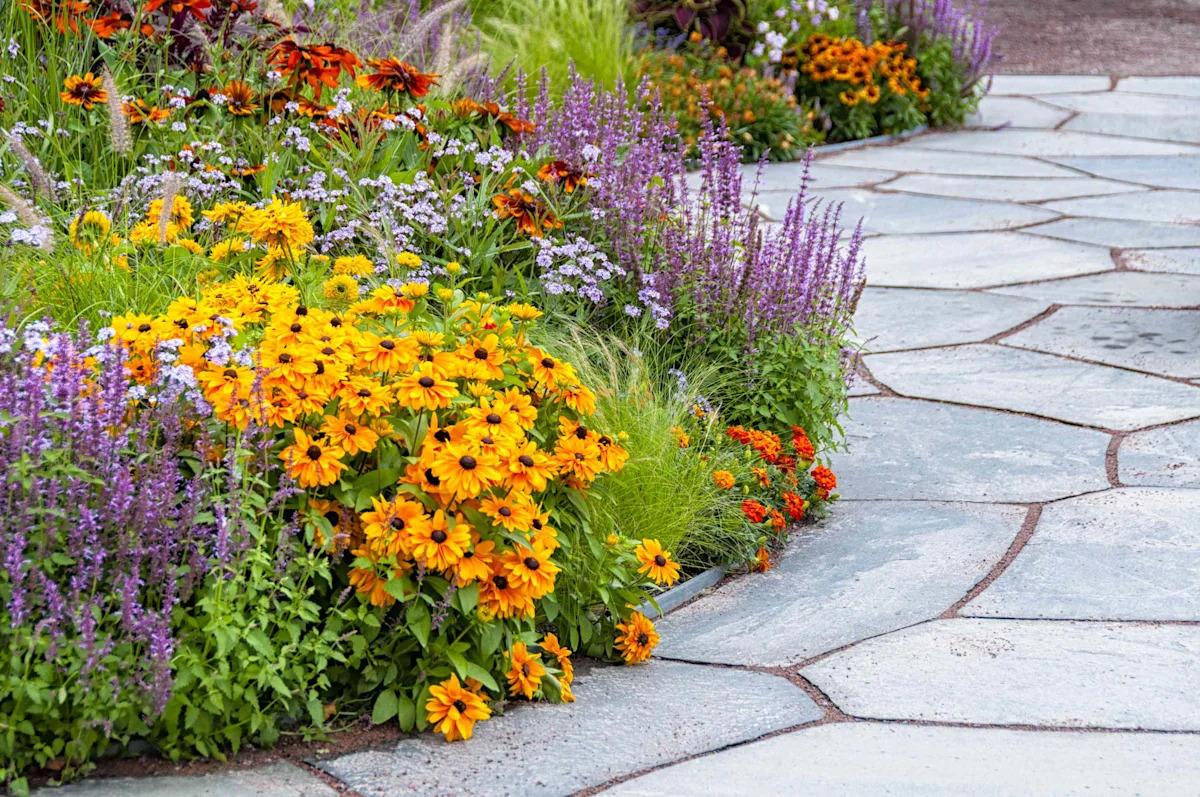
Another plant that thrives in the summer heat is the black-eyed Susan (Rudbeckia). This native perennial is a favorite for its daisy-like blooms, low-maintenance nature, and hardiness.
“It actually looks better in hot, dry summers than in cool, wet ones,” O’Neill says.
The black-eyed Susan grows best in full sun and well-drained soils. It pairs well with other native, sun-loving varieties such as coneflowers, blazing star, milkweed, and ornamental grasses.
Advertisement
Advertisement
Black-eyed Susans also act as a vital food source for pollinators (with their pollen and nectar) and birds (with their seeds in fall and winter).

Credit: IRINA NAZAROVA / Getty Images
Lavender (Lavandula) thrives in full sun, well-drained soil, and drought-like conditions. Spanish and French lavender varieties, in particular, are known for tolerating high temperatures the best. That said, English lavender can also survive high heat once established, although it prefers milder summers.
Plant lavender in a location that receives several hours of sun, and ensure the soil is well-draining to prevent ‘wet feet’ and root rot during rainy conditions.

Credit: Alex Manders / Getty Images
Agastache is a genus of over 22 herbaceous perennials, many of which are native to North America. It is known for being hardy, drought-tolerant, attractive to pollinators, and best of all, heat-tolerant.
Advertisement
Advertisement
“These flowering perennials come in many colors, and their foliage is fragrant, akin to root beer or anise,” Master Gardener Kim Zimmerman says. “Once established, they need low water to survive and thrive.”
Plant this hardy perennial in a location with full sun and well-draining soil.
To encourage repeat blooming, cut the plant back by one-third after the first flush of blooms fades in midsummer.

Credit: Wirestock / Getty Images
Another Mediterranean herb, rosemary (Salvia rosmarinus), is a heat- and drought-tolerant staple in the garden. In fact, it performs best at high temperatures and with minimal water.
“As a perennial herb, it becomes increasingly resilient over time and can tolerate periods of heat and dryness once established, making it a reliable, low-maintenance option for summer gardens,” Rebecca Sears, CMO of Ferry-Morse, says.
Advertisement
Advertisement
Plant it alongside other perennial herbs like thyme, sage, oregano, mint, and lavender in a garden border or raised bed for a stunning, fragrant herb garden you can enjoy in the yard and in the kitchen.

Credit: Iva Vagnerova / Getty Images
Lastly, blanket flower (Gaillardia) is definitely a plant to include in your garden if you have hot, dry summers.
“Gaillardia will bloom itself almost to exhaustion in heat and keep going as long as you deadhead regularly,” O’Neill says. “[It’s] one of the best value plants for a summer border, and it doesn’t complain about poor soil either.”
Plant this pretty wildflower in a location that receives plenty of sun, and ensure the soil stays lightly moist for a few weeks after planting to help it establish.
Advertisement
Advertisement
Note that blanket flower is known for being a relatively short-lived perennial (it’ll last just two to three years on average), but regular deadheading and dividing can help extend its lifetime.
Read the original article on The Spruce
Comments are closed.