
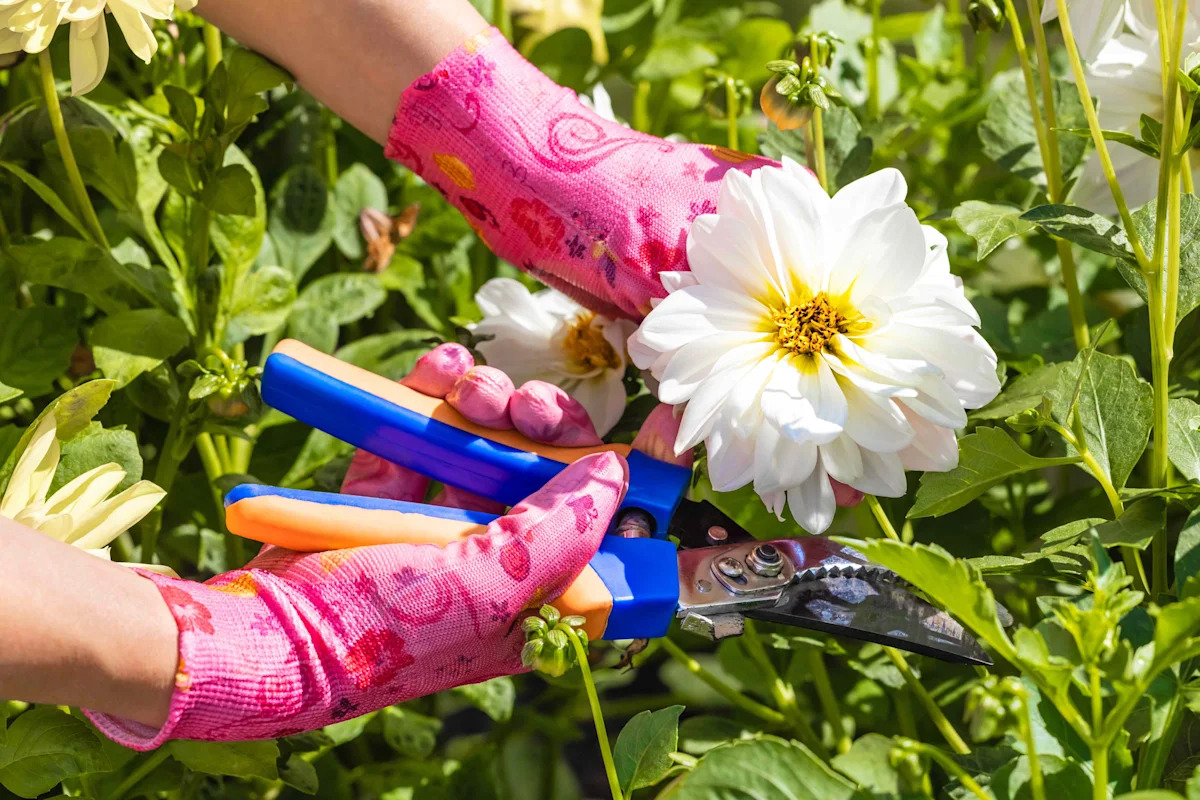
Whether you dream of starting a flower farm and selling bouquets or just want a steady supply of flowers to fill your home, there are some guidelines you should consider to keep cut-and-come-again gardens blooming all summer long. Most cutting gardens can provide flowers for at least three seasons with some planning, by selecting the best flowering plants, and using strong gardening techniques. Here’s how to get the most from your summer cut-and-come-again garden.
Get Off To The Right Start
When selecting a spot for your cutting garden, look for a site that receives full sun, at least 6 to 8 hours each day, and has nutrient-rich, well-draining soil. Get a soil test to check for nutrient deficiencies, as well as the pH level and amount of organic matter. Remove all weeds (just remember, they will be back) and be sure there is easy access to irrigation because these quick-growing, long-blooming flowers will need plenty of water.
Develop A Planting Plan
Since the reason for the garden is cut flowers, space your plants 8 to 12 inches apart to promote airflow and provide optimal space for plant development. Planting in rows about 9 to 12 inches apart can be helpful for maintenance and harvesting. Consider the height of each fully grown flower and sun patterns.
Advertisement
Advertisement
Study seed packets and seedling labels to determine how long it will take the flowers to bloom. Consider successive plantings to extend the season until the first hard frost.
Select The Best Flowers For Cutting
Not every flower is a good cutting flower. Look for varieties that offer long, sturdy stems and repeated blooms. If you’re just getting started with the concept of a cut-and-come-again garden, consider these tried-and-true flowers that are easy to grow, bloom all summer, and have a long vase life.
Zinnias (Zinnia elegans): Bright, long-lasting, and available in a variety of colors, heights, and bloom shapes.
Globe Amaranth (Gomphrena globosa): Tiny, globe-shaped blooms appear in shades of purple and white. An ideal choice for a cutting garden because they can be enjoyed freshly cut or dried in bouquets.
Sunflowers (Helianthus annus): Large blooms in an array of colors that bring drama to any arrangement.
Cosmos (Cosmos bipinnatus): These delicate, daisy-like flowers that bloom throughout the season are perfect bouquet filler flowers.
Celosia (Celosia spp): Reliable growers that thrive in the heat, there are a variety of species in interesting shapes and colors that will bloom all summer.
If you’re an experienced gardener, consider adding other varieties such as peonies, dahlias, yarrow, lisianthus, ranunculus, and spring bulbs (daffodils and tulips).
How To Get Maximum Blooms
Once your flowers are growing, they require ongoing maintenance to encourage strong, continuous flowering.
Pinching
Once the plants reach around 6 inches tall, start pinching off the main growing tip to encourage bushier plants with more blooms and stems to harvest. Zinnias, dahlias, cosmos, rudbeckia, marigolds, and branching sunflowers will all benefit from pinching.
Deadheading
Regularly removing faded or “spent” blooms will signal the plant to keep producing flowers. Leaving spent blooms on the plant will shift its energy toward seed production instead of more blooms.
Provide A Support System
If you are growing sunflowers or top-heavy flowers, they may need a bit of support, especially in windy areas or after rain. You can install stakes with horizontal support lines as an easy management system.
Remove Weeds
Hopefully, you’ve been staying on top of weed control by using mulch around the plants and straw, cardboard, or mulch between the rows to suppress weeds. Weeds are water and nutrient-stealers that can take over your flowers and reduce flowering.
Water Consistently
Most cut-and-come-again flower gardens need about one inch of water per week. The best way to water is with drip irrigation or soaker hoses. Watering at soil level helps minimize disease problems by keeping the foliage and blooms dry.
Harvest Wisely
Flowers should be cut early in the morning when the plant is well hydrated. Use clean, sharp snips or bypass pruners to prevent damaging the plant, which can invite pests and disease problems. The appropriate stage to cut flowers depends on the species. Some flowers should be cut in the bud stage, while others should be fully open. Have buckets filled with clean, cool water available in the garden and strip foliage that will be below the water level. Place the flowers in a cool space away from direct sunlight for several hours before arranging in a vase or bouquet.
Advertisement
Advertisement
Read the original article on Southern Living
Comments are closed.