
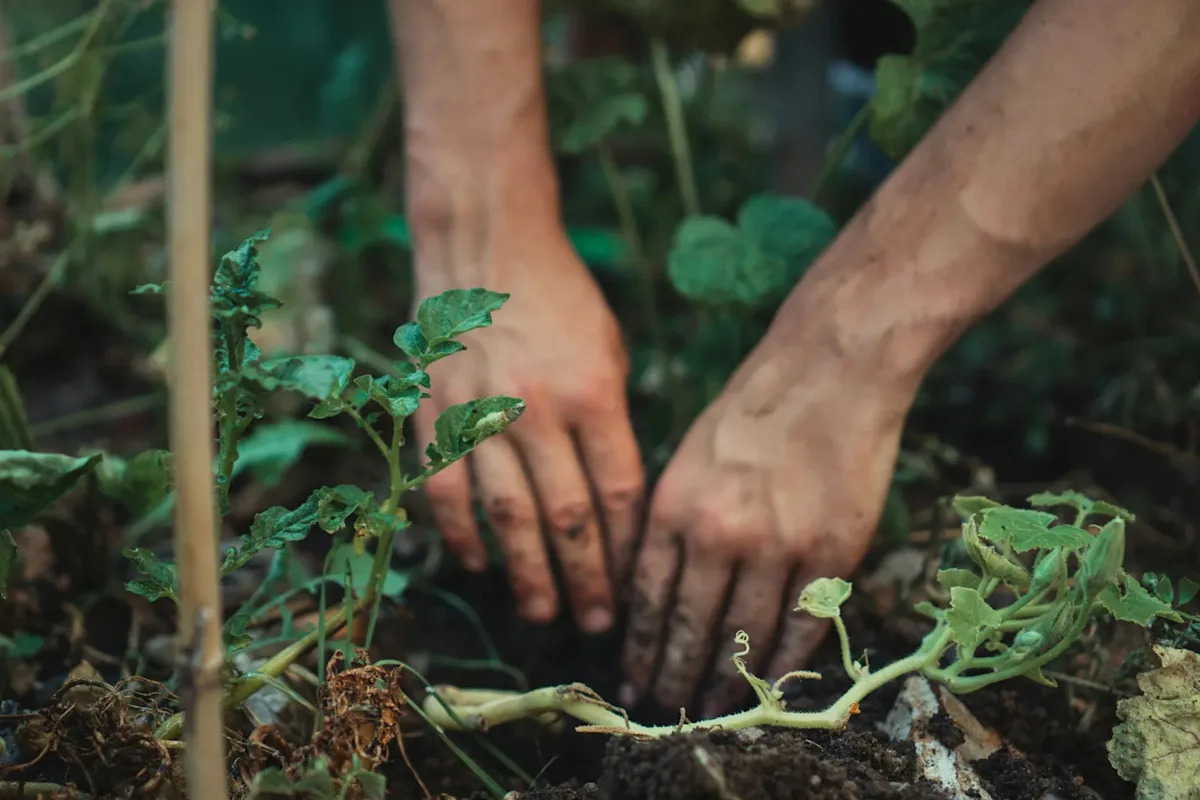
Gardeners seeking lower maintenance and longer harvests are turning to forest gardens, which replicate natural woodland structures to produce food while supporting soil health and wildlife. These systems work at every size, from compact urban plots to larger properties, and emphasize cooperation with existing conditions rather than constant intervention. The approach draws on permaculture principles that have gained attention amid rising interest in resilient, resource-efficient growing methods.
Why the Model Matters Now
Traditional vegetable beds often demand regular replanting, watering, and weeding, yet many gardeners face constraints on time and water. A forest garden shifts the workload by layering plants that fill different heights and roles, allowing the system to build fertility and suppress weeds over time. This design delivers ongoing yields of fruit, nuts, herbs, and greens with reduced external inputs once established.
Stakeholders include homeowners, community groups, and small-scale producers who want productive landscapes that also sequester carbon and enhance biodiversity. The timeline typically spans several years for full maturity, though early harvests from faster-growing species can begin within the first seasons.
The Vertical Structure That Makes It Work
Forest gardens organize plants into overlapping vertical layers that mirror woodland ecology. Tall canopy trees provide shade and nuts or fruit, while lower layers fill in with smaller trees, shrubs, and herbaceous plants. Ground covers and root crops occupy the lowest levels, protecting soil and adding further production.
This arrangement maximizes space and light use without requiring separate beds for each crop. Vertical overlap reduces evaporation and creates microclimates that benefit a wider range of species. Gardeners report that the layered approach leads to more stable yields across seasons compared with single-layer plantings.
Plant Groupings and Mutual Support
Successful designs rely on plant guilds, which are combinations of species that assist one another through nutrient cycling, pest deterrence, or structural support. A typical grouping might pair nitrogen-fixing plants with fruit-bearing shrubs and aromatic herbs that attract beneficial insects. These relationships develop over time and reduce the need for fertilizers or pesticides.
Strawberries serve as an effective ground cover in many guilds, offering both edible fruit and soil protection while crowding out weeds. Careful observation of site conditions, including sun exposure, moisture, and existing vegetation, helps determine which combinations will thrive. The goal remains a self-reinforcing community rather than isolated specimens.
Establishment Steps for Trees and Beyond
Planting begins with site assessment and soil preparation that respects existing contours and drainage. Trees are positioned first to define the canopy, followed by understory additions. Transplanting established specimens requires attention to root health and timing to minimize stress.
Pruning maintains light penetration and airflow while shaping plants for easier harvest. Over successive seasons, the garden evolves as faster species give way to longer-lived ones. Regular monitoring in the early years allows adjustments before the system stabilizes.
Key elements that support long-term success include matching species to local climate, starting small to learn the site, and allowing natural processes to strengthen the planting over time.
Ultimately, a forest garden rewards patience with a productive, resilient landscape that continues to improve for decades. The model demonstrates how working alongside natural patterns can turn ordinary yards into reliable sources of food and habitat.
AI Disclaimer: This article was created with the assistance of AI tools and reviewed by a human editor.
The post Forest Gardens Deliver Edible Landscapes at Any Scale appeared first on The Garden Magazine.
Comments are closed.