

Celebrated television presenter and passionate environmentalist David Attenborough has offered crucial guidance on how to create a more wildlife-friendly garden by ditching one common spring and summertime job
Sir David Attenborough, pictured here entering the Royal Box at Wimbledon 2024 on July 1 2024, has urged people to avoid one common gardening job(Image: Rob Newell – CameraSport via Getty Images)
David Attenborough has encouraged gardeners to avoid one common gardening job in order to safeguard wildlife in their outdoor areas.
The renowned natural historian and broadcaster, who boasts arguably one of Britain’s most recognisable voices, has focused his attention on the hidden ecosystems lurking in backyards and gardens across the UK in David Attenborough’s Secret Garden, broadcast on BBC One.
In the series, the cherished presenter and environmentalist, who recently celebrated his 100th birthday, describes gardens – ranging from modest patches to impressively large plots – as “magical places”, with some being “almost as diverse as a tropical rainforest”.
British gardens can provide a temporary habitat for essential pollinators including bumblebees, honeybees, wasps, drone flies, ladybirds, beetles and others; while also offering sanctuary to hedgehogs in both urban and rural environments, resting places for birds, and numerous other creatures large and small.
Throughout the series, Attenborough shares his extensive knowledge and experience with viewers in an effort to help people transform their gardens into more wildlife-friendly spaces.
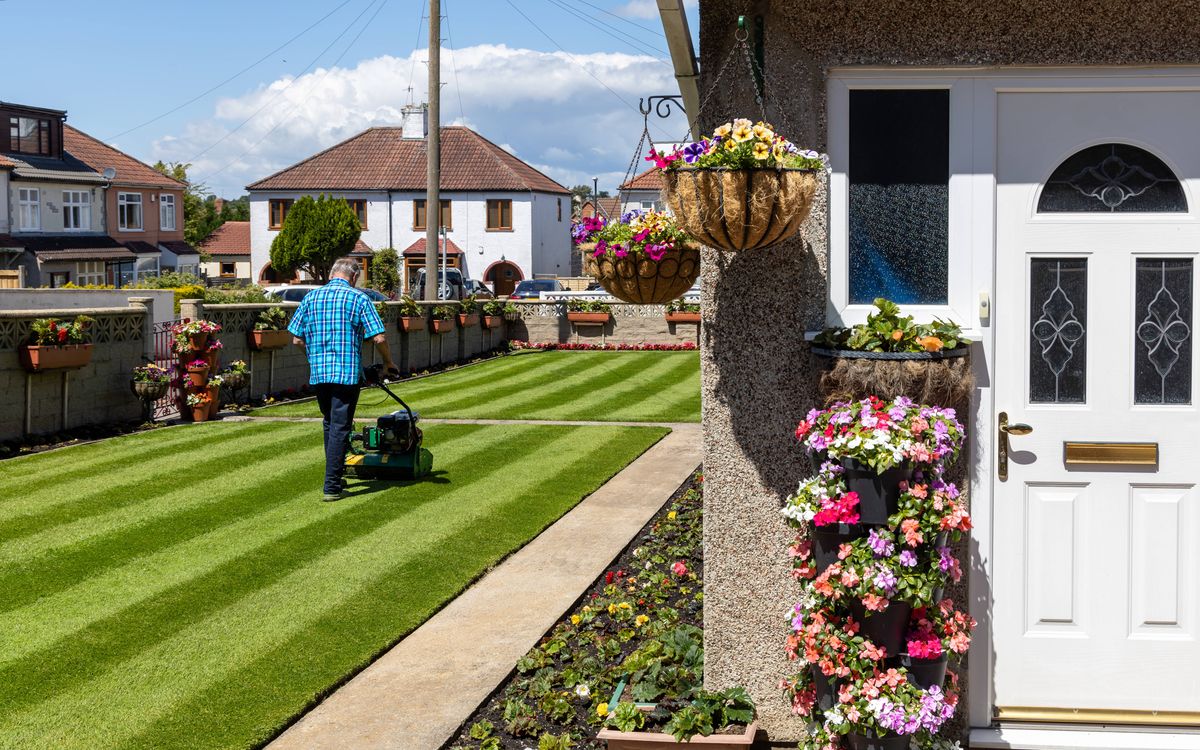
Leaving part of your lawn unmowed could help support wildlife this summer (stock image)(Image: Chris Griffiths via Getty Images)
A range of expert tips are provided, though one recommendation may prove a little unexpected. Sir David Attenborough suggests putting away the lawnmower.
When summer eventually arrives, those fortunate enough to have outdoor space are eager to make the most of it. This typically involves giving the garden a bit of a makeover – cutting the lawn into a neat, uniform carpet of short grass, while clearing out weeds, withered plants and shabby pots.
However, this approach may be misguided. Allowing the grass to grow slightly taller instantly creates a habitat that supports ground-nesting insects by offering them places to conceal themselves, alongside providing refuge for other insects.
Taller grass is also more effective at retaining moisture, while certain unwelcome weeds such as dandelions offer a food source for emerging spring insects – provided they’re not removed too prematurely.
You could leave one area unmowed and, if you choose to do so, you’ll quickly notice a difference. Sir David said: “Many of us are completely unaware of the wild world right under our noses.”
The RSPB (Royal Society for the Protection of Birds) supports this recommendation. It advises: “Mowing your lawn less saves you time and makes a big difference to the wildlife in your garden. Create a mini jungle for beetles and other small creatures to wander and where sparrows and goldfinches can come to feed on the seeds.”
The nature conservation charity explains this will encourage grasses to “set feed” while enabling wildflowers to bloom and “provide nectar”, with the taller stems forming a “sheltered microclimate”.
It adds: “Avoid using strimmers too, as they can injure hedgehogs, frogs and insect larvae. If you can resist mowing your lawn until late summer, this will mimic the hay meadows of old.”
Comments are closed.