
ORANGE SLICES
By Laurie Paolicelli
Guest Columnist
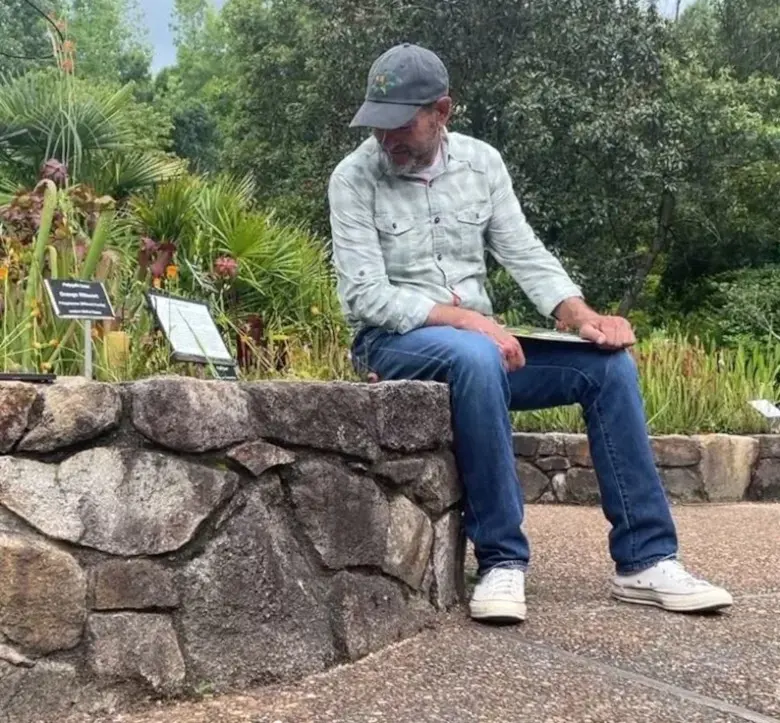
Damon Waitt, Director of the North Carolina Botanical Garden
“It is what we chose to leave alone that will be our greatest legacy.” John Muir wrote those words more than a century ago, but they read today like a mission statement for a quiet conservation movement taking root across North Carolina — one shaped by a visionary botanical garden director, a committed institutional board, a billionaire tech founder, and a network of scientific partners stretching from Chapel Hill to Duke University.
Dr. Damon Waitt, the current director and Professor of the Practice in Biology at UNC-Chapel Hill, came to the Garden from the Lady Bird Johnson Wildflower Center in Austin, Texas, where he served as Senior Director and Botanist from 2001 to 2015.
Since taking the helm in Chapel Hill, Waitt has been supported by a Foundation board of directors whose commitment to land preservation has translated directly into measurable conservation outcomes.

Carol Tresolini and Tom Fiore
To celebrate the 60th anniversary of the North Carolina Botanical Garden in early May, a sold-out audience packed the Barn at Fearrington, donned in botanical attire and ready to pledge support to the fields, flowers and fauna that make North Carolina such a special place. The evening reflected not only a love of nature, but a deep appreciation for the Garden’s role in preserving native landscapes, educating future generations and connecting people to the natural beauty of our state.
Under Waitt’s leadership, the Garden has also entered into groundbreaking research partnerships that cross traditional institutional boundaries. The Garden is collaborating with researchers at Kansas State University and Duke University to understand how climate change may affect optimal burn frequency for fire-dependent species like the Venus Flytrap, with the goal of producing science-based recommendations for land managers. The work funded by this grant will result in recommendations for prescribed burns in longleaf pine savannas and a web-based tool for land managers across the southeastern United States.
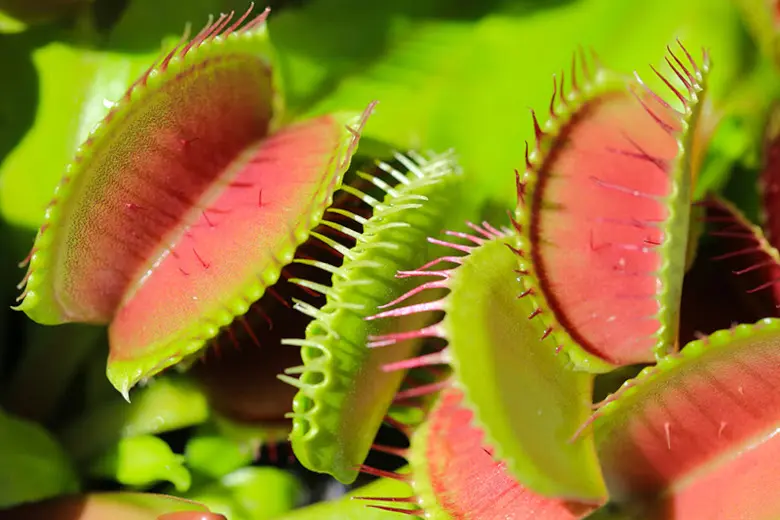
The North Carolina Botanical Garden reminds us that conservation is not just about protecting plants — it is about protecting identity, history and wonder. From rare wildflowers to the iconic Venus flytrap, North Carolina’s natural treasures deserve champions who will preserve them for future generations.
In 2025, Waitt guided the Garden to adopt a new mission: to cultivate connections between plants, people, and place through science, engagement, and conservation. The Native Plant Materials Development Program, grown significantly under his tenure, now produces tens of thousands of plants each year for contracted prairie and nature preserve restorations across Chapel Hill and Durham.

Mildred Long and Mia Pizzagalli
Several hundred miles west and north, Tim Sweeney is writing a different chapter of the same story.
Sweeney took the stage at the 60th anniversary celebration of the Garden, on April 15, 2026, and was met with a standing ovation.
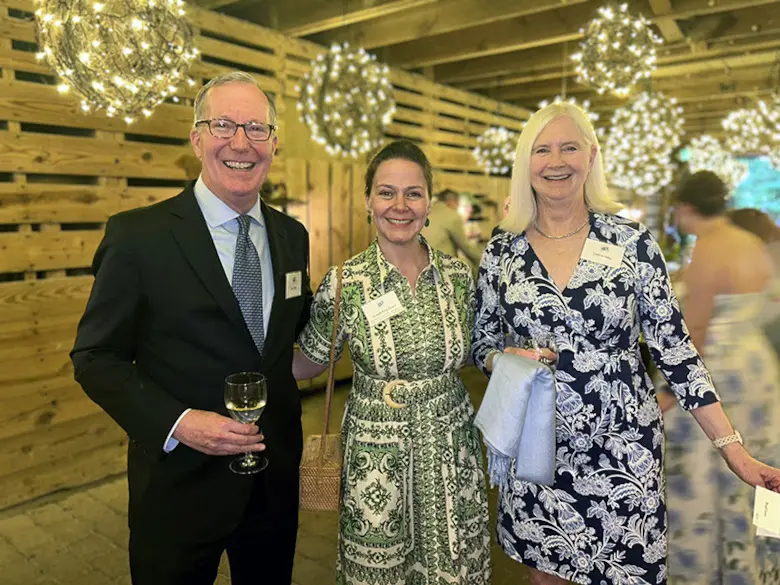
Brad and Debra Ives with Allison Friedman
Sweeney, the founder and CEO of Epic Games — the Cary-based studio behind Fortnite and the Unreal Engine — has acquired land across the state, with a particular focus on the southern Appalachians and the Piedmont. Sweeney has worked with land trusts to place conservation easements on portions of his holdings and has expressed interest in eventually transferring parcels to public ownership or permanent preserve status. The land he targets tends to be ecologically significant: old-growth forest remnants, high-elevation ridge systems, headwater streams, and rare plant communities that have survived on the margins of a rapidly developing state.
What connects Sweeney’s mountain ridgelines to Waitt’s propagation trays — and to the Foundation board room and the Duke University research lab — is a shared recognition that North Carolina is at a crossroads. The state’s biodiversity, its salamanders, carnivorous plants, ancient cove forests, and longleaf pine savannas, is as remarkable as anywhere in the temperate world. It is also, acre by acre, disappearing.

Chapel Hill Garden Club members Nikki King and Sara Euler
And a North Carolina Botanical Garden Foundation board at the University of North Carolina is filled with dedicated stewards committed to holding easements, raising funds, and building the architecture that makes all of it last.
Together, they are making the case that recovery is still possible — that the roots are still there, waiting.

The Bob and Molly Broad Entrance Walk at North Carolina Botanical Garden
Visit North Carolina Botanical Garden
Display Garden Hours:
Tuesday – Sunday, 9:00 a.m. – 5:00 p.m.
Closed Mondays and University holidays
100 Old Mason Farm Road, Chapel Hill, NC
For more information or to plan a visit, see ncbg.unc.edu.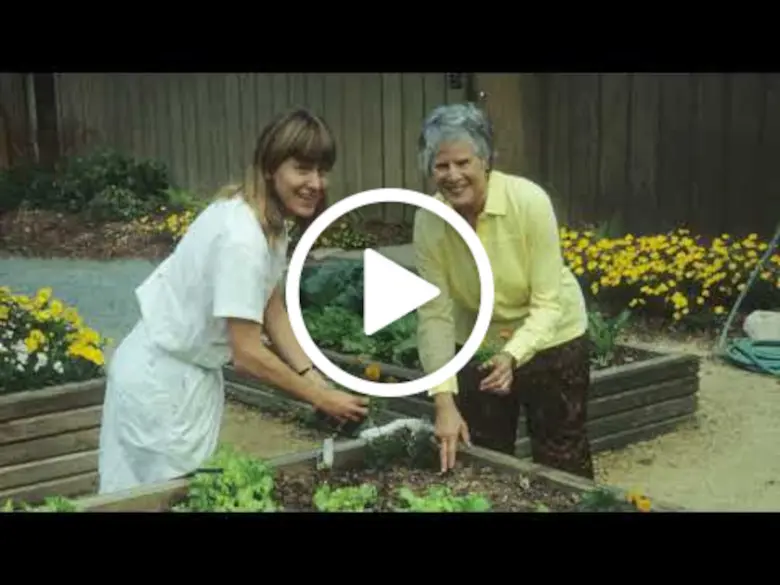
Share your thoughts with me here, Laurie Paolicelli
Disclaimer: Published by Orange County’s Tourism Department through its Public Relations team, this story includes interviews and repurposed content from websites and partner press releases. For more, visit www.visitchapelhill.org or contact Laurie Paolicelli.
 Laurie Paolicelli is executive director for the Chapel Hill/Orange County Visitors Bureau, a position she has held since 2005. Laurie has worked in tourism and marketing for twenty-five years, having served in leadership roles in Houston and California convention and visitor bureaus. She is a native of the Twin Ports of Duluth, MN/Superior Wisconsin. She holds a Bachelor of Science degree in Business and Communications from the University Wisconsin-Superior and graduate certification in Technology In Marketing from the UNC-Chapel Hill’s Hussman School of Journalism and Media. This reporter can be reached at Information@TheLocalReporter.press
Comments are closed.