
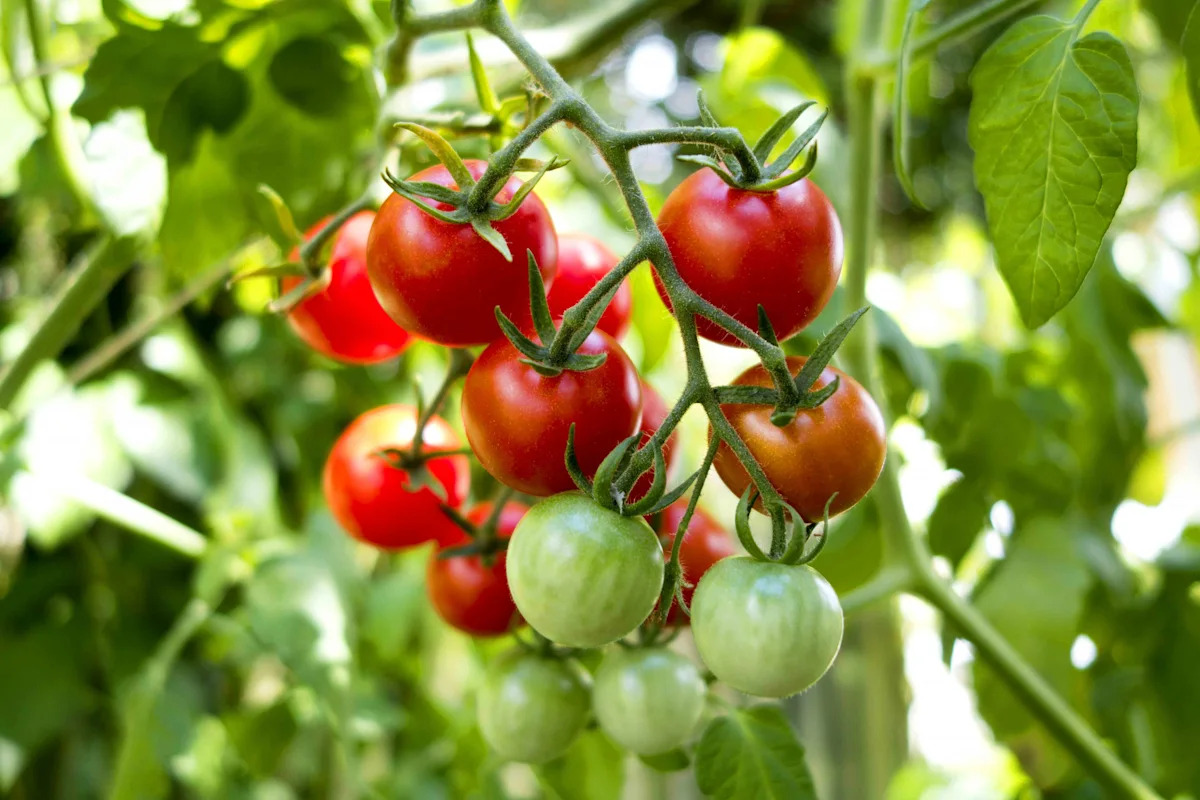
If you want an abundance of tomatoes this season, there are things you can do to give them a solid head start. Growing disease-resistant tomato varieties, getting enough sun, and regular watering are all good bedrock for growing a robust tomato crop.
But another critical step in ensuring your tomatoes have the best chance of growing happy and healthy is thinking not just about where you plant them, but what you plant them next to. While certain companion plants for tomatoes help this plant thrive, other plants and vegetables should be planted elsewhere because they can inhibit healthy tomato growth.
Ahead, our experts explain which plants can actually hinder your tomato plant’s growth if planted too close together in your garden.
Meet Our Expert
Advertisement
Advertisement
Related: 9 Pest-Repelling Plants to Grow With Tomatoes for a Healthy and Prolific Crop
01 of 10
Fennel
Fennel is not a good companion for any garden crop
Credit: dagut / Getty Images
Allelopathic plants release toxins into the soil that inhibit the growth of other plants, thereby eliminating their competition. An allelopathic plant like fennel can directly impact tomato growth, says Carrie Spoonemore, co-creator of Park Seed’s From Seed to Spoon app, so she recommends gardeners not plant it near tomatoes.
02 of 10
Cabbage
Credit: Getty Images
Cabbage and other plants in the brassica family can compete with tomatoes for vital nutrients in the soil, says Spoonemore, thus robbing tomatoes of an ideal growing medium. In addition, cabbage also has a wide growing habit that can crowd tomato plants out.
Advertisement
Advertisement
03 of 10
Pole Beans
Credit: brytta / Getty Images
Avoid pole beans near your tomatoes—they can grow aggressively and end up shading your tomatoes too much. “While some companion planting guides suggest planting pole beans with tomatoes, there is a risk of competition for sunlight, water, and nutrients, especially if the beans grow vigorously and shade the tomato plants excessively,” says Spoonemore.
04 of 10
Dill
Credit: Oxana Medvedeva / Getty Images
Herbs are often ideal companion plants for tomatoes, but dill is the exception. Mature dill plants can harm tomato plants by taking up soil nutrients and inhibiting tomato root growth.
Related: 3 Reasons Your Tomatoes Aren’t Turning Red—and 4 Ways to Help Them Ripen
Advertisement
Advertisement
05 of 10
Corn
Credit: Westend61 / Getty Images
Corn belongs to a group of vegetables that should not be planted close to tomatoes because, once grown and tall, they can shade tomatoes out and inhibit their growth.
Related: Why Do Tomatoes Split? Experts Explain This Gardening Mystery—and How to Prevent It
06 of 10
Okra
Credit: Jenny Dettrick
Until you’ve grown okra, you might not expect the towering growth habit and lovely pale yellow hibiscus-like flowers this Southern vegetable produces. Planting okra next to tomatoes isn’t encouraged because its leafy height could keep tomatoes from getting their required 6 to 8 hours of sun a day.
07 of 10
Potatoes
Credit: Getty Images
Kelly Smith Trimble, a gardening expert and author of books on the subject, recommends not planting potatoes near tomatoes. Potatoes are in the same Solanaceae (nightshade) family as tomatoes, meaning both plants are susceptible to the same pests and diseases.
Advertisement
Advertisement
08 of 10
Broccoli
Credit: Barbara Rich / Getty Images
Some vegetables, like broccoli, are known as “heavy feeders” in the garden world, meaning they require rich soil with plenty of nutrients to grow. For that reason, broccoli should not be planted close to tomatoes to ensure your tomatoes have the nutrients they need to thrive.
09 of 10
Cauliflower
Credit: tc397/Getty Images
Cauliflower attracts pests such as cabbage worms and aphids, which can also attack tomato plants. In addition, cauliflower is a heavy feeder that can sap the soil of vital nutrients.
10 of 10
Eggplant
Credit: Yuliia Bilousova
Another nightshade, eggplant will compete with tomatoes for nutrients. Eggplants can also spread blight, a fungal disease spread by insects, wind, water, and animals that is especially prevalent among potatoes and tomatoes. You will know if your tomatoes have been exposed to blight if you see browning, rotting fruit, and shriveled leaves on your plants.
Advertisement
Advertisement
Related: How to Stake and Cage Tomato Plants, According to Martha’s Head Gardener
Read the original article on Martha Stewart
Comments are closed.