
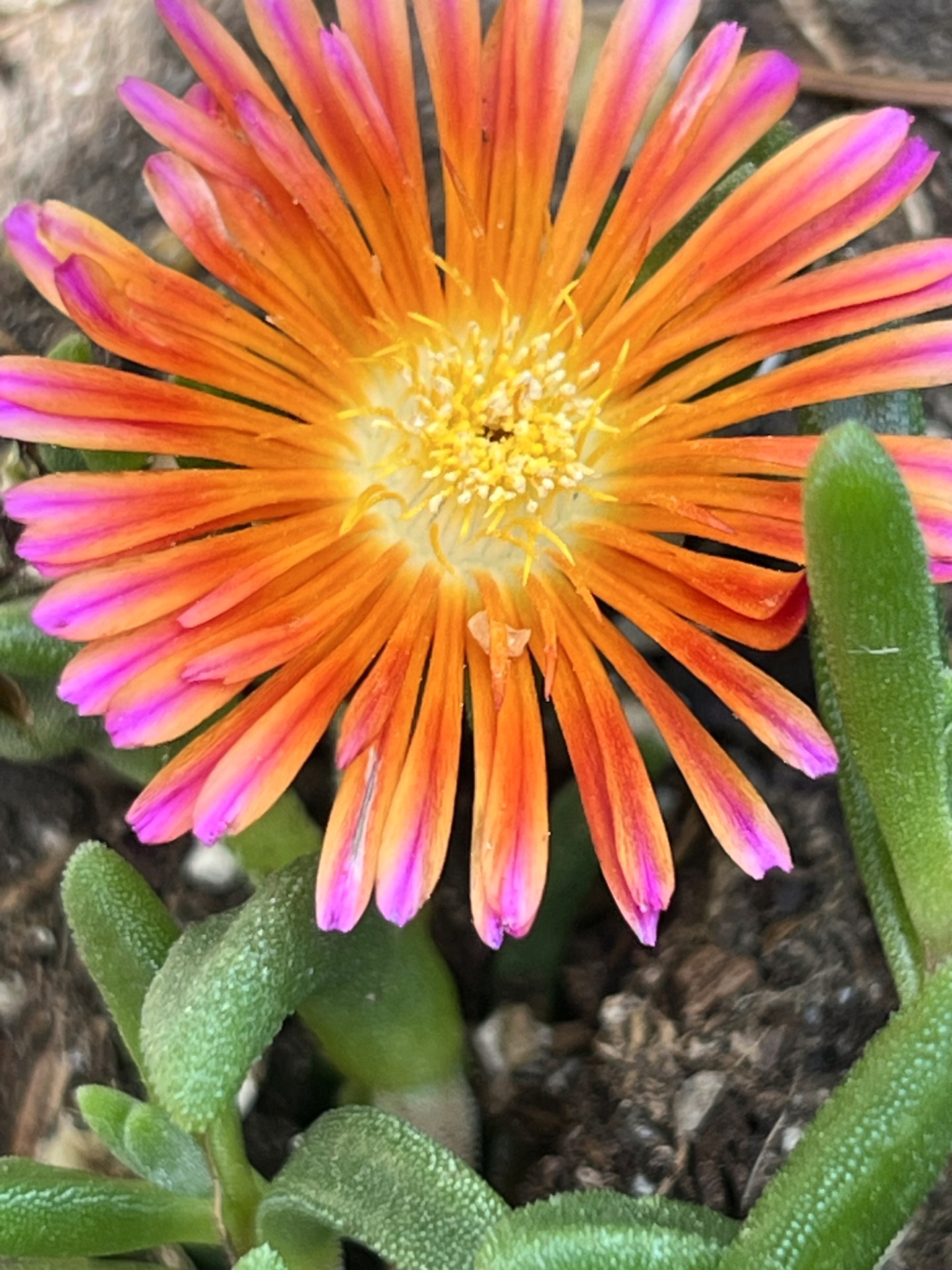
An ice plant (Delosperma) flower appears on Long Island, New York, on June 5, 2023. (Jessica Damiano via AP)
Jessica Damiano/Jessica Damiano via AP
Pink, magenta and white cosmos appear on Long Island, New York, on May 10, 2026. (Jessica Damiano via AP)
Jessica Damiano/Jessica Damiano via AP
A blooming purple coneflower appears in a garden on Long Island, New York, on July 28, 2023. (Jessica Damiano via AP)
Jessica Damiano/Jessica Damiano via AP
This image provided by Ball Horticultural Company shows a heat-tolerant creamy-white Lana Lace African marigold plant, which will be available at retail garden centers in Spring, 2027. (Ball Horticultural Company via AP)
Ball Horticultural Company/Ball Horticultural Company via A
This combination of images show heat tolerant flowers, from left, cosmos, delosperma, and coneflower. (Jessica Damiano via AP)
Jessica Damiano/Jessica Damiano via AP
When summer temperatures soar, we humans can take shelter indoors. Our garden plants, however, have no such respite.

Some may droop, wilt or get crispy, while others may simply refuse to bloom. Although there’s not much we can do to counter extreme weather, we can equip our gardens to stand up to it better by choosing flowers that will shine through hot, dry stretches under a scorching sun.
Article continues below this ad
Plants growing in containers will always need more attention than their in-ground counterparts. That’s because their water and nutrient needs are completely dependent on us. Sometimes, after watering my pots in the morning, they’re bowing humbly by sunset.
But well-established heat- and drought-tolerant garden plants have more modest needs and, if necessary, can stretch their roots to access water farther away.
Lots of pretty options to choose from
Coneflower (Echinacea; hardy in zones 3-9) is the superstar of my garden. After watering throughout their first season to establish a healthy root system, I can neglect them and still enjoy a floriferous season. Black-eyed Susans (Rudbeckia), their bedmates, are no slackers, either.
Article continues below this ad
Blanket flowers (Gaillardia) get their name from their spreading habit, as they blanket beds with yellow, orange and red blossoms. If you ask me, they should be called electric blanket flower for the heat they can take.
Zinnias also flourish in the heat, although they can be susceptible to powdery mildew in high humidity.
Article continues below this ad
Moss rose (Portulaca) produces small, self-seeding flowers in various colors on semi-succulent groundcover plants that store water in their leaves like camels. Other succulents to consider include prickly pear cactus (Opuntia) and stonecrop (Sedum). Also, ice plant (Delosperma), though avoid it in California, Baja California and other locales where it has been deemed invasive.
Lantanas provide sweet bi- and tri-colored clusters of small blooms on mounded plants, attracting bees, butterflies and hummingbirds. They’re a gardener’s – and a pollinator’s — dream, flowering from late spring through frost.
More sun lovers
Petunias, specifically Supertunia, Tidal Wave and Laura Bush types, are notably resilient. Petchoas, the love children of petunias and calibrachoas, resist scorch but may need deep watering if things get really ugly.
Article continues below this ad
Cosmos are remarkably resistant plants with feathery foliage and daisy-like blooms of pink, magenta, white, orange or yellow.
Sunflowers love the sun. What more is there to say?
And marigolds are dutiful and dependable. Available in a variety of heights, they typically bloom orange, yellow or copper-red. But if you look hard enough, you’ll find seeds for a few ivory-colored varieties, like Kilimanjaro, Sugar & Spice and Moonlight.
And — psst! – Lana Lace, a new compact and uniform African marigold with crisp cream flowers that stands up well to the weather, will be available at garden centers in 2027.
Article continues below this ad
Jessica Damiano writes regular gardening columns for The Associated Press. She publishes the award-winning Weekly Dirt Newsletter. Sign up here for weekly gardening tips and advice.
Article continues below this ad
For more AP gardening stories, go to https://apnews.com/hub/gardening.
Comments are closed.