

When you buy through links on our articles, Future and its syndication partners may earn a commission.

Credit: Albert Fertl / Getty Images
Almost all of us gardeners set boundaries when it comes to what plants they are willing to plant in their garden. Some are incredibly picky, accepting only drought-tolerant wildflowers that like a hot sun location while others have criteria specific to their location, like plants in their hardiness zone, plants that will tolerate sandy soil, or even plants that won’t become invasive.
Few of us, when considering a plant, ask whether or not it is legal to grow. I must admit I have never used this as a threshold question. But it’s actually important to know that there are banned plants, plants that are illegal to grow, whether in your landscape or as a houseplant.
Consider this article your warning: there are some plants and categories of plants that are illegal to grow and may result in criminal or civil prosecution. Become familiar with the different illegal in your area and make sure not to include them in your landscape. If you discover some in your garden, the best course is to dig them up and dispose of them. Here’s our shortlist.
Plants You Shouldn’t Be Growing
Yes, Virginia, some plants are illegal to grow in your garden, illegal even in a container on your patio. If law enforcement catches someone cultivating these plants, they can sweep in and enforce the law, imposing penalties against the gardener. This is the case whether or not they are aware that their plants are banned.
Here are six of the biggies:
1. Giant Hogweed
Credit: kbwills / Getty Images
Scientific name:
Heracleum mantegazzianum
Why it’s illegal:
Invasive species and toxic to touch
Some plants are so invasive that the government determines it should not be planted. Giant hogweed is one of them. In the United Kingdom, the Wildlife and Countryside Act 1981 makes it illegal to grow it or allow it to spread into the wild. In the United States, federal law makes it illegal to transport it across state lines, and many states prohibit growing it. The reason for the ban: giant hogweed is incredibly invasive and its sap can be toxic to humans who touch it.
Personally, I am already put off by the name giant hogweed, but it’s not a bad-looking plant, sort of like a huge Queen Anne’s lace or a cow parsnip plant, reaching heights of 15 feet (5m). In the year of propagation, giant hogweed forms a rosette of jagged, enormous lobed leaves (up to 9 feet/3 meters long) and small white flowers in umbels in summer.
2. Water Hyacinth
Credit: TorriPhoto / Getty Images
Scientific name:
Eichhornia crassipes
Why it’s illegal:
Aquatic invasive species and toxic
Water hyacinth is one of those plants that grow in the water. It offers gorgeous flowers and its flowers and leaves can cover water surfaces quickly. What’s not to like? Well, sadly, this beautiful aquatic plant grows so fast that it can block waterways and disrupt aquatic ecosystems. It’s not illegal in every state, but several states have imposed bans.
Water hyacinth is considered a toxic weed in Florida and Texas, and possessing, transporting or selling it is illegal. It’s also restricted in Alabama, Arizona, Arkansas, California, Idaho, Mississippi, and South Carolina and Texas.
3. Peyote Cactus
Credit: Sinisa Kukic / Getty Images
Scientific name:
Lophophora williamsii
Why it’s illegal:
Illegal drug
Peyote is a small cactus that contains mescaline, a potent hallucinogen. It is generally illegal to grow. However, peyote is used in Native American spiritual practices and there are specific legal allowances in place for indigenous rituals.
Under federal law in the United States, peyote is a Schedule I controlled substance. That makes it illegal to possess, grow, or distribute peyote outside without special permission.
What about state law? Many states make illegal peyote cultivation as a crime, a felony in fact, with heavy penalties. A few states make exceptions for research purposes.
4. Magic Mushrooms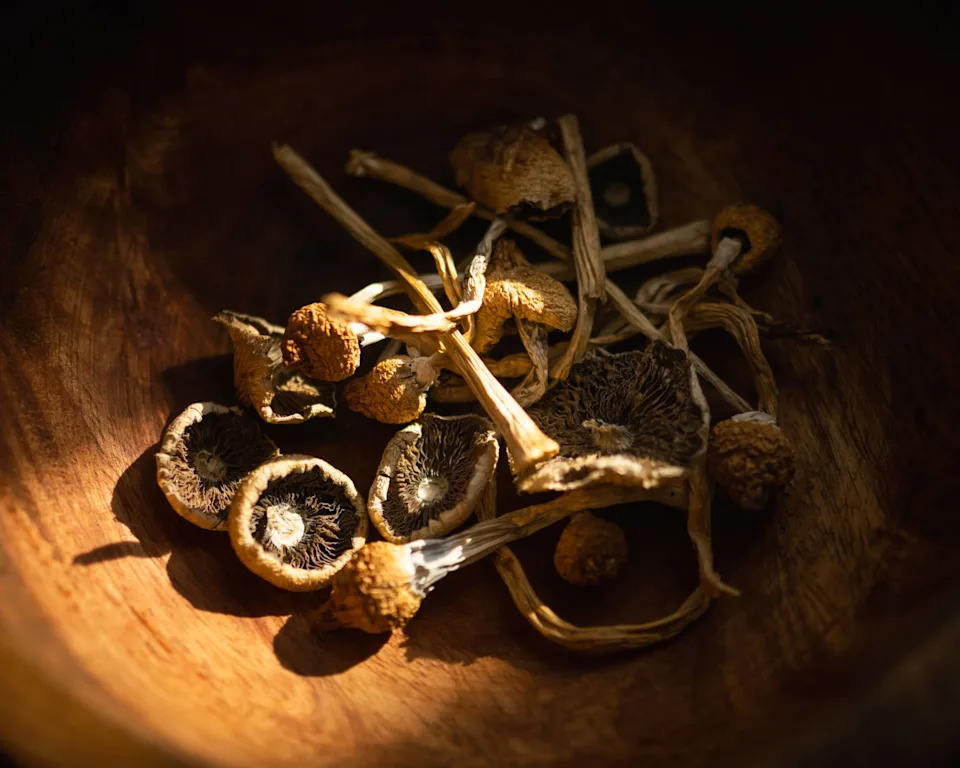
Credit: Smitt / Getty Images
Scientific name:
Psilocybe spp.
Why it’s illegal:
Illegal drug
Magic mushrooms are largely in the Psilocybe genus. They are a type of hallucinogenic mushroom that contains psilocybin, which, if eaten, turns into a psychedelic. Federal law makes it illegal to grow magic mushrooms in the United States. They are classified as a Schedule I controlled substance.
Curiously, you can legally purchase spores that will grow magic mushrooms. That’s because Psilocybin mushroom spores don’t have any psilocybin in them. However, if you succeed in growing some, you will possess psilocybin which is illegal in many places.
5. Purple Loosestrife
Credit: Katie Maraldo / Shutterstock
Scientific name:
Lythrum salicaria
Why it’s illegal:
Invasive species
When purple loosestrife was imported from Europe, it was a popular ornamental with attractive foliage and tall, impressive spikes of purple flowers. In addition, those flowers are beloved by pollinators and are rich in nectar. The plant matures to 6 feet (2m) tall and is visually appealing. Over time, the plant established itself in every state in damp grasslands and river banks – other than Florida.
However, loosestrife is a threat to wetlands. It forms dense stands of tall plants that block out native plants for space, light, and pollinators. It’s not a good habitat for native wetland birds and it changes the wetland structure, clogs waterways and irrigation systems, and limits pastureland for livestock grazing. It is illegal to grow in 33 states and discouraged in others.
6. Any Clone of a Patented Plant Variety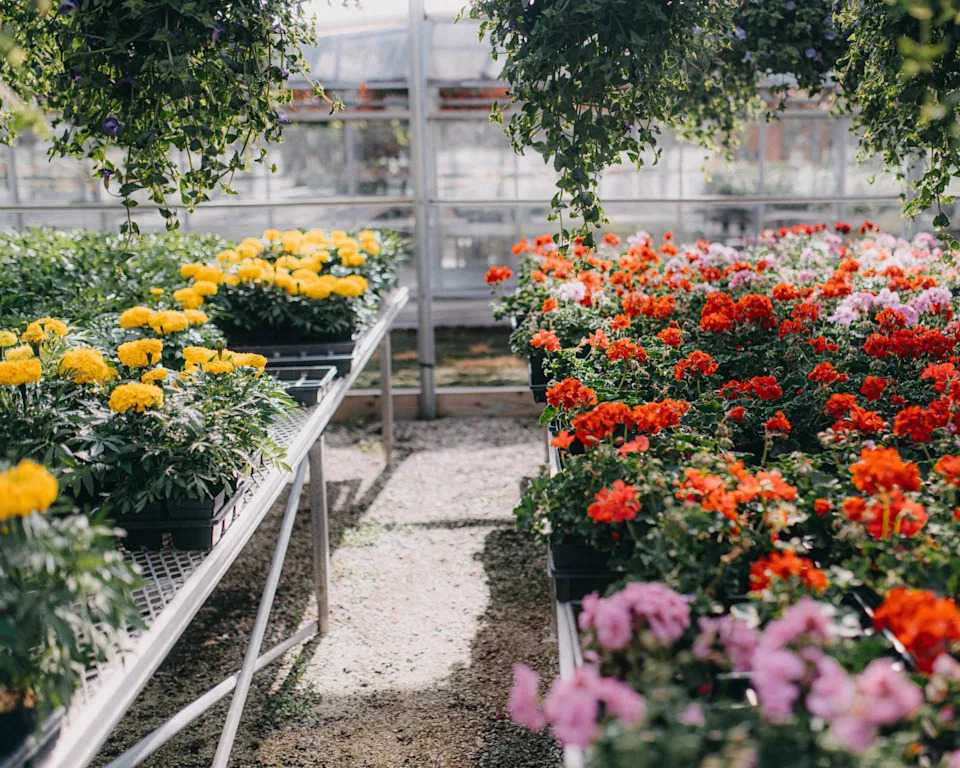
Credit: Stefania Pelfini la Waziya / Getty Images
Companies that develop unique plant cultivars spend time and money doing so and these plants are protected by patent rights. Many plants can be cloned through cuttings, making it difficult for those plant developers to protect their products.
One choice is to patent new cultivars. You are not allowed to propagate patented plants without the permission of the patent holder. Violating plant patents is against the law and a form of stealing. A plant you buy from the garden store will tell you if it has been patented.
Comments are closed.