

A gardener on Reddit got an unsettling reminder of why Japanese knotweed has such a fearsome reputation: What shows above the soil may be only a small part of the problem.
After digging deeper than usual while cutting back the invasive weed, the user uncovered a massive underground structure and turned to fellow gardeners for advice.
In a post on r/gardening, the original poster shared a photo and description of a large root-like mass discovered while tackling Japanese knotweed.

Photo Credit: Reddit
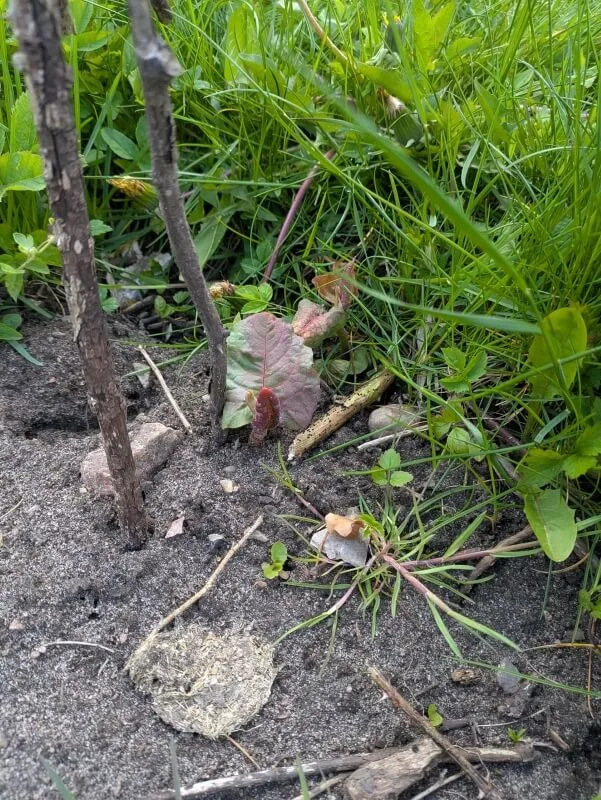
Photo Credit: Reddit
“I found this giant root that was tougher than the usual rhizomes, but much more brittle than a tree root (felt a bit like JKW). No trees in 10 meters distance,” the user wrote.
One top commenter replied, “Yeah, that’s the main root. I’ve read they can go as deep as 6-feet, which is why the stuff is so difficult to eliminate.”
Another user’s reaction was shorter and more visceral: “Horrifying.”
Others warned that partial digging or repeated cutting can actually make the problem worse by stimulating more underground spread, a common frustration for homeowners trying to reclaim a yard or garden bed.
Japanese knotweed is notorious for a reason. It can crowd out other plants and turn a manageable garden into a long-term battle.
For people hoping to grow flowers, native plants, or food, a severe knotweed invasion can erase many of the benefits that make gardening so rewarding in the first place.
A healthy garden can help families save money on produce, enjoy fresher and better-tasting food, and support both mental and physical health through time spent outdoors. But invasive weeds can make that much harder by taking over space, stealing light and nutrients, and creating an exhausting maintenance burden.
The Reddit thread also highlights how quickly a backyard problem can become overwhelming. What looks like a few canes above ground may be connected to a much larger underground system, making DIY removal far more complicated than many gardeners expect.
That can be especially frustrating for beginners who are trying to build a lower-maintenance yard or start growing their own food.
The main takeaway from the discussion was that Japanese knotweed usually requires a deliberate strategy, not repeated hacking or casual digging.
One commenter wrote, “There is no other successful way to remove this species aside from digging and removing every single root.”
If you suspect knotweed on your property, it may be worth checking local extension guidance or invasive species programs before disturbing it further. Improper cutting or moving soil can spread plant fragments and make control even more difficult.
And if you are dealing with a truly invasive plant, the most realistic first step may be getting a site-specific plan instead of trying to muscle through it alone.
Get TCD’s free newsletters for easy tips, smart advice, and a chance to earn $5,000 toward home upgrades. To see more stories like this one, change your Google preferences here.
Comments are closed.