

Perennial flowers are a fantastic choice for creating a garden that bursts with color and blooms each season. Each type of perennial brings something special to the mix, enhancing your garden’s overall look. If you want to liven up your outdoor space, consider these 24 colorful perennials.
Clematis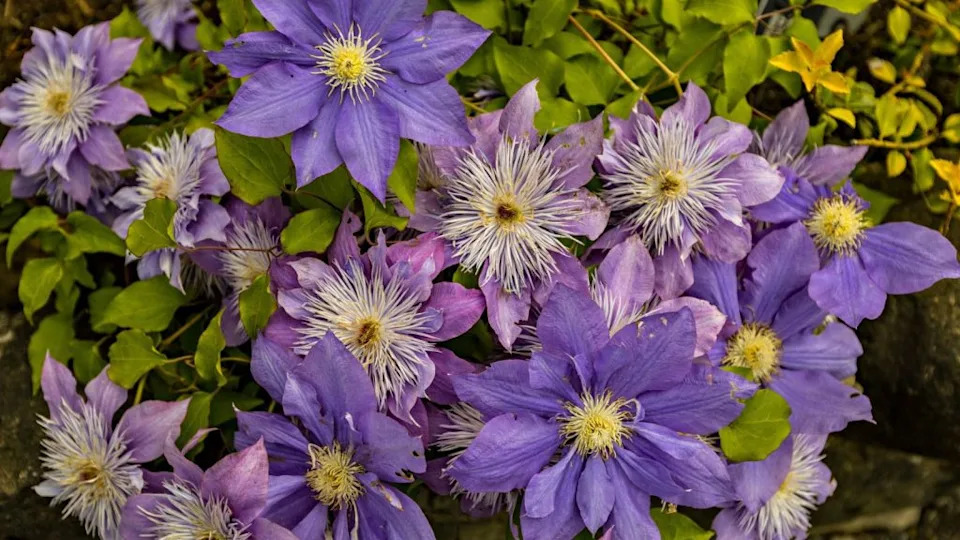
Image Credit: Deposit Photos
Clematis features bright purple flowers that really stand out. This perennial thrives in full sunlight and needs regular watering.
Delphinium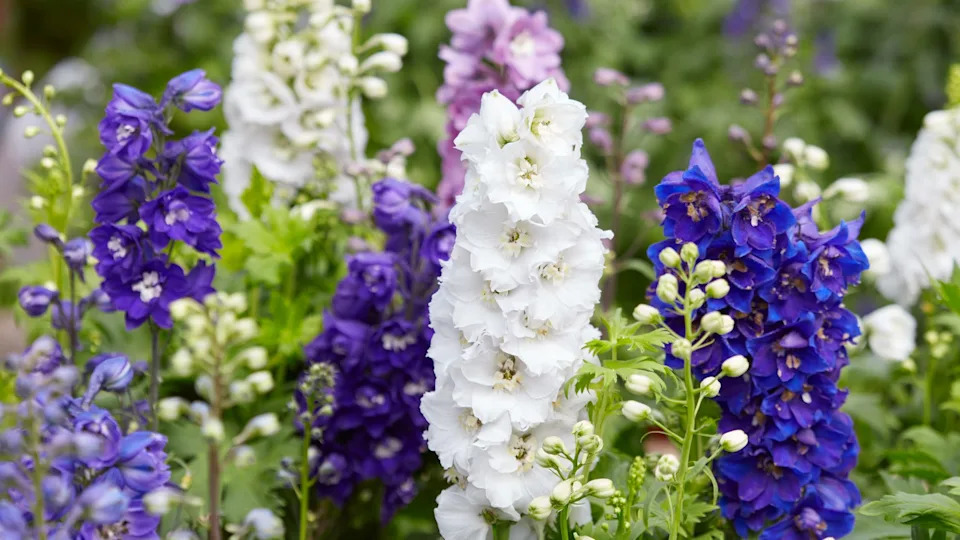
Image Credit: Deposit Photos
Delphiniums are known for their tall spikes of deep blue flowers, bringing a striking vertical touch to garden borders. They do best in full sun and rich, well-drained soil, requiring regular watering and support with stakes. Zones 3-8.
Tickseed (Coreopsis)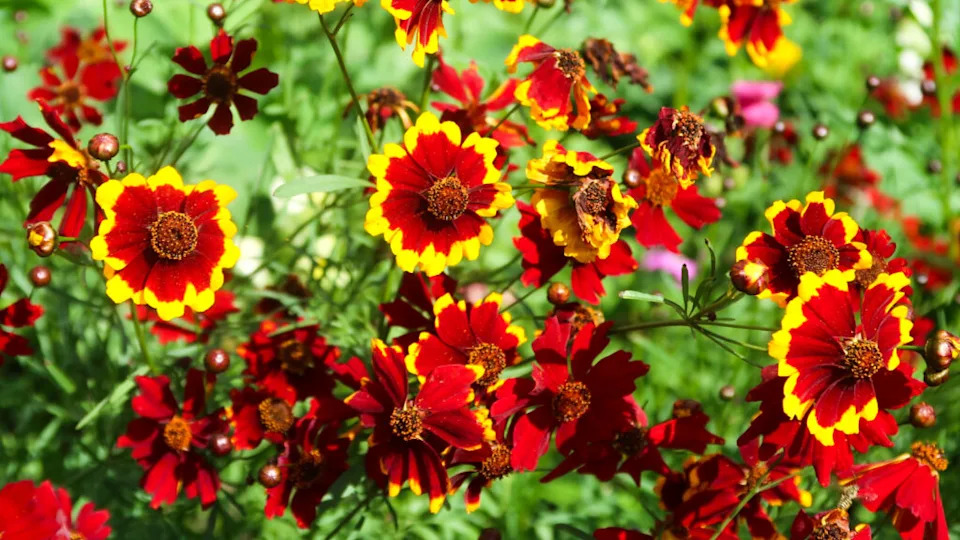
Image Credit: Deposit Photos
Coreopsis stands out with its vibrant, daisy-like flowers in shades of yellow, gold, orange, and occasionally red or pink. This resilient plant is drought-tolerant and blooms from early summer to fall, providing long-lasting color. It flourishes in full sun and well-drained soil, making it a low-maintenance choice for many gardens.
Sneezeweed
Image Credit: Deposit Photos
Sneezeweeds display bright, beautiful blooms in late summer and fall, adding vibrant yellow, red, and bronze colors to sunny gardens. These flowers are great for cutting and arranging in bouquets. Despite the name, they don’t cause sneezing or allergies.
Foxglove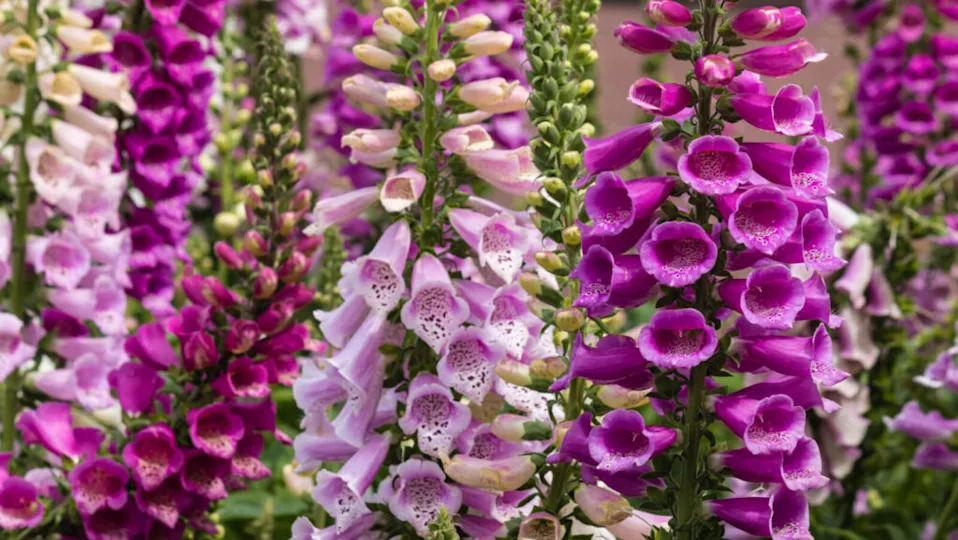
Image Credit: Deposit Photos
Foxglove has tall spikes of bell-shaped flowers that add a vertical element to shaded garden spots. It blooms from late spring to early summer.
Sedum (Autumn Joy)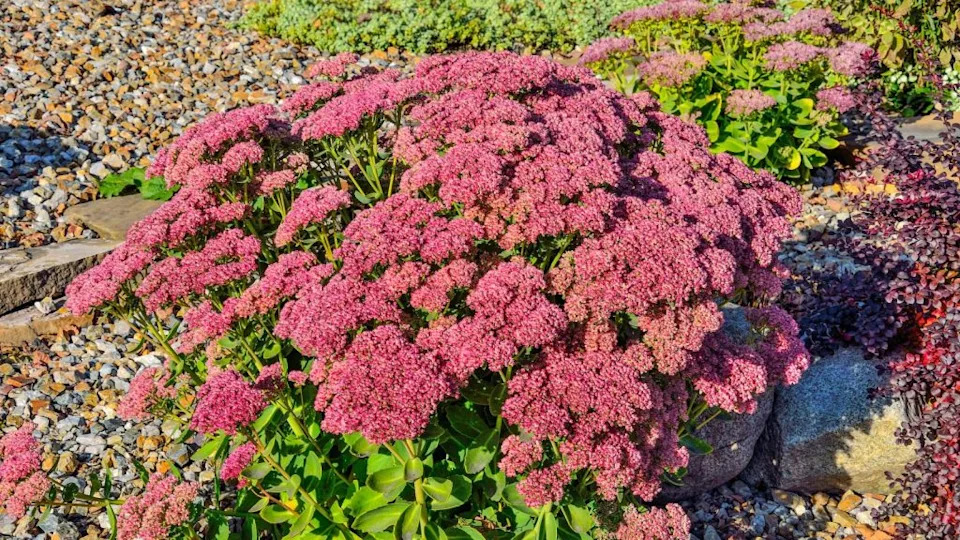
Image Credit: Deposit Photos
Sedum varieties are completely maintenance-free and love the sun. They provide late-season blooms and are excellent for attracting butterflies. These flowers are long-lasting and dry well for winter arrangements.
Alliums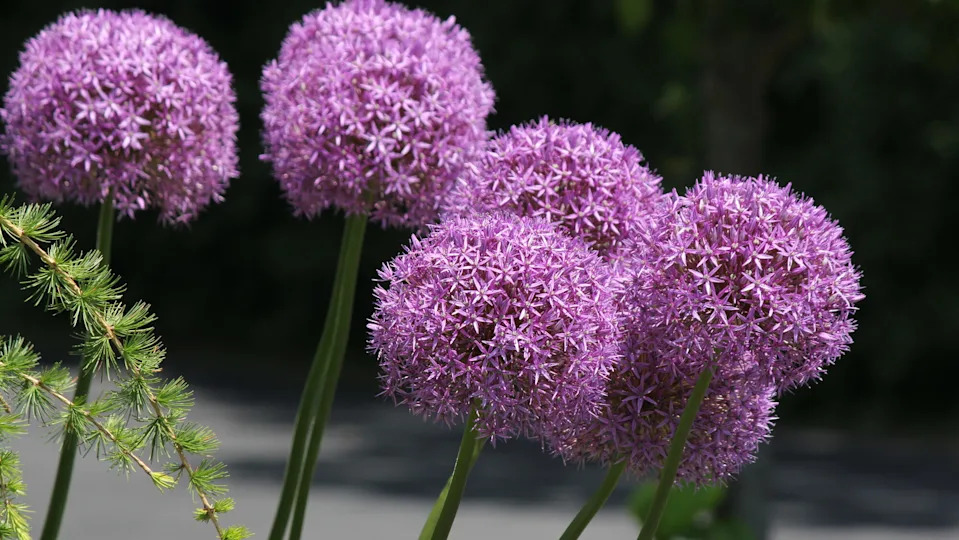
Image Credit: Deposit Photos
Alliums are eye-catching ornamental bulbs with beautiful flowers on tall, slender stalks, adding height and drama to garden beds and borders. They are easy to grow and low maintenance. Their strong scent also helps naturally deter squirrels and other garden pests.
Hydrangeas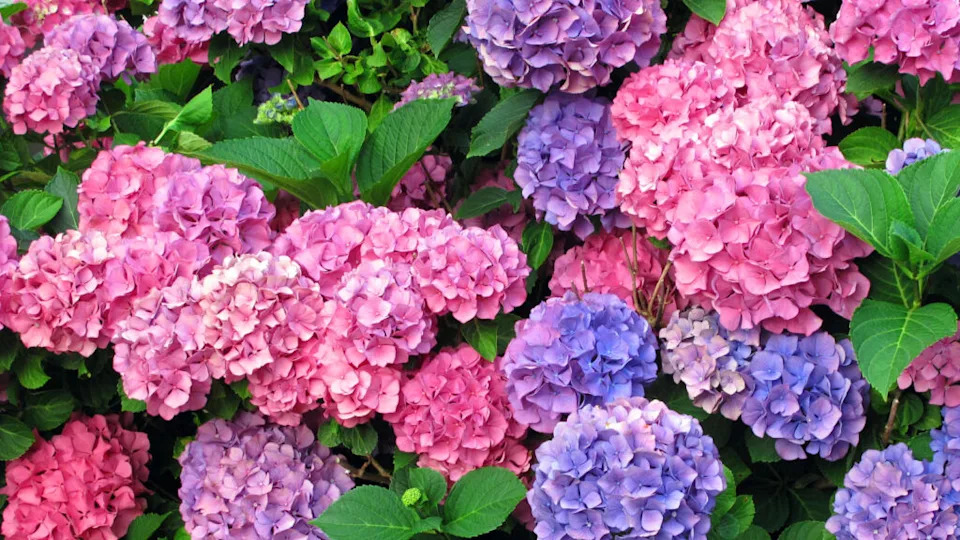
Image Credit: Deposit Photos
Hydrangeas are known for their large blooms, which mimic the lush appearance of roses when grouped. Their color can vary widely depending on the soil’s pH. They thrive in morning sun and afternoon shade and require moist, rich, well-drained soil.
Hyacinth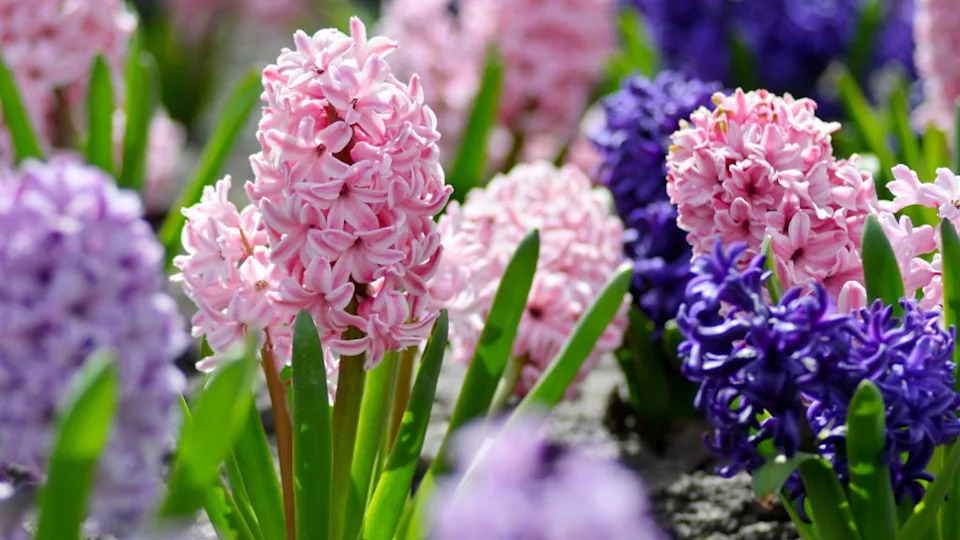
Image Credit: Deposit Photos
With the right care, you can enjoy the vibrant and fragrant blooms of hyacinths in spring. These flowers can be grown indoors by forcing the bulbs or planted outside in well-drained soil. Hyacinths come in several colors, such as pink, blue, and white, adding lively color and a pleasant fragrance to gardens and indoor areas.
Penstemon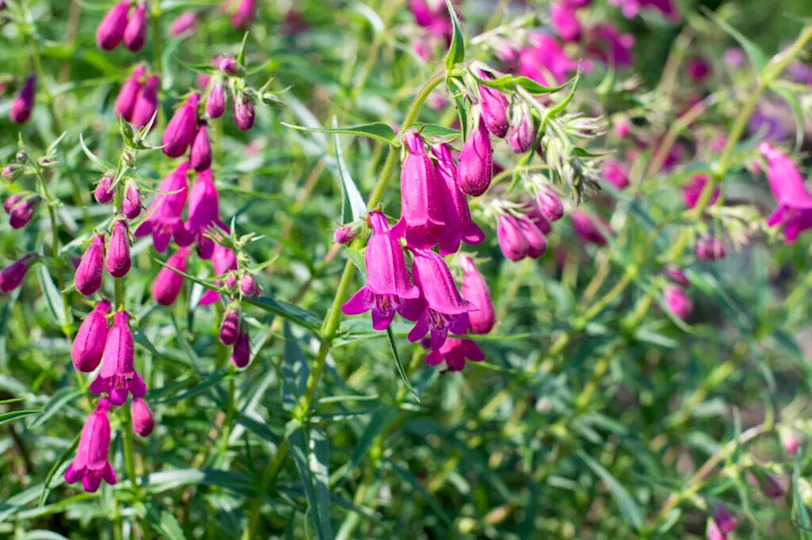
Image Credit: Deposit Photos
Penstemon is deer-resistant and known for its colorful, tubular flowers that attract bees and hummingbirds. Its unappealing taste and texture to deer make it an excellent choice for gardens seeking beauty and wildlife attraction without the deer problem. Zones 3-9
Turtlehead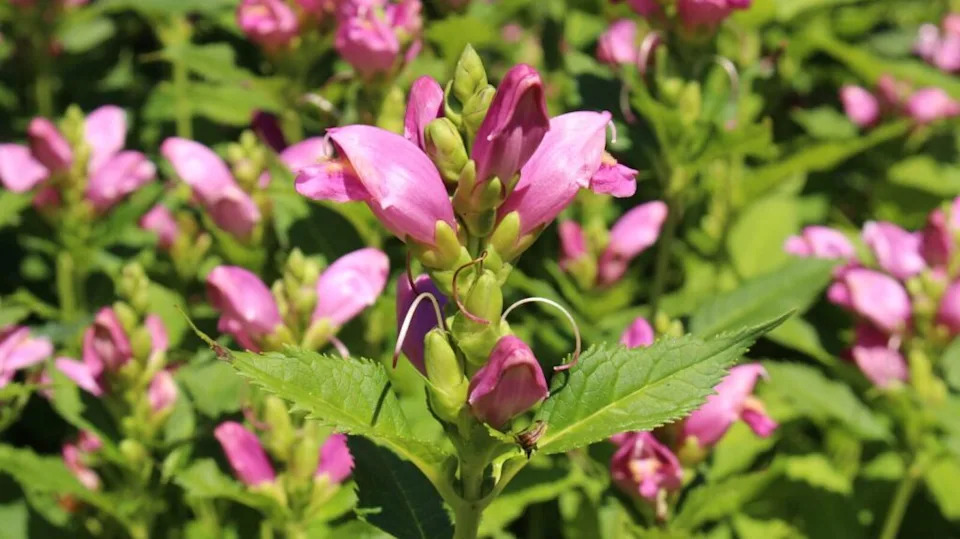
Image Credit: Deposit Photos
Named for its unique flower shape resembling a turtle’s head, Turtlehead thrives in moist, shaded areas, providing late-season color with its pink or white blooms. This plant pairs nicely with small shrubs. Zone 3-8
Virginia Bluebells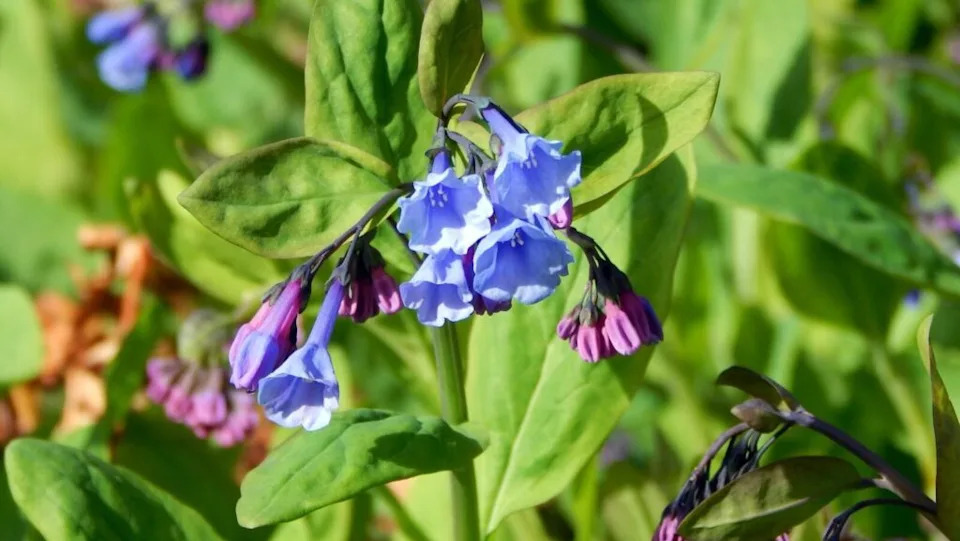
Image Credit: Khan “Sadh” N. Mostafa, CC BY 2.0, via Wikimedia Commons
Native to the Eastern U.S., these plants feature pale green leaves and stalks bearing tubular blue flowers that transition from pink to clear blue before going dormant. They naturalize well, creating breathtaking drifts of color in spring.
Bleeding Heart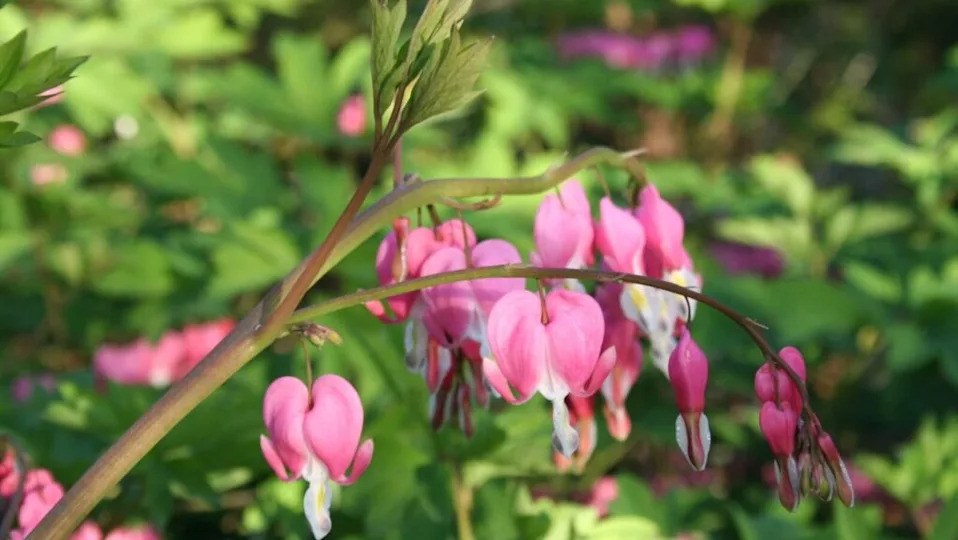
Image Credit: SterlingHerron, CC0, via Wikimedia Commons
Known for its heart-shaped flowers on arching stems, Bleeding Heart is a beautiful addition to shady spots. This plant requires rich garden soil that doesn’t dry out but drains well. It is the longest-blooming of all the perennials and grows up to 15 inches tall. Zones 3-9
Aster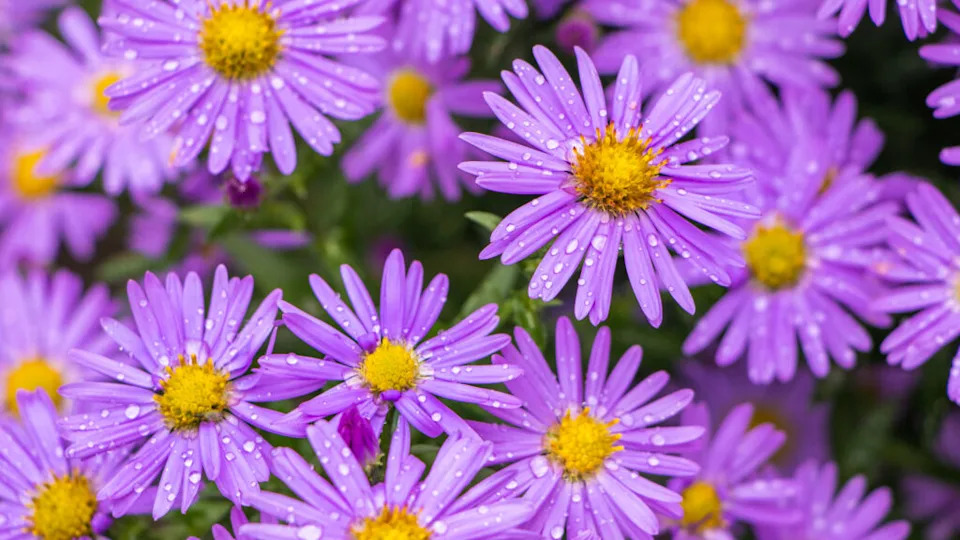
Image Credit: Deposit Photos
Asters are available in various shades of purple, pink, and yellow. These flowers attract pollinators and are perfect for fall gardens.
Bellflower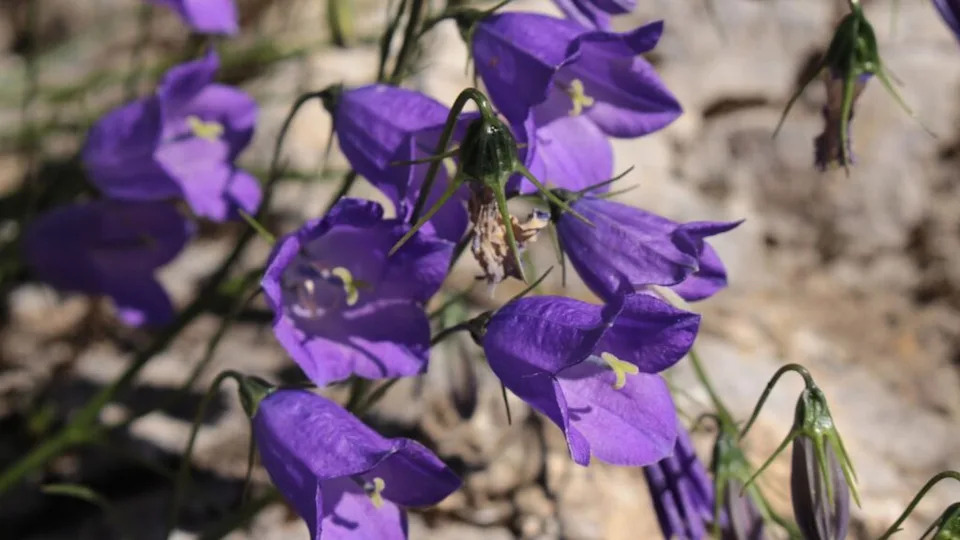
Image Credit: Deposit Photos
Bellflowers feature attractive bell-shaped blooms in blue, purple, and white shades. They are excellent for brightening sunny garden borders and drawing in pollinators with their nectar-rich flowers. Zones 4-8
Columbine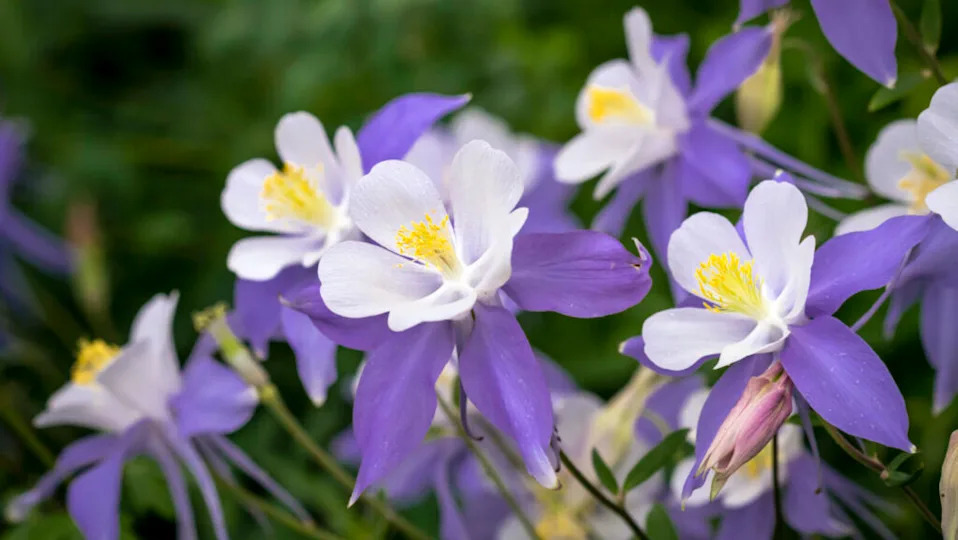
Image Credit: Deposit Photos
Columbine is a perennial with bright flowers contrasting against dark, clover-shaped leaves. Available in various colors, including two-tone, its unique bell-shaped flowers with five spurs catch the eye. This sun-loving perennial is Ideal for slopes, ledges, or open garden spaces. Columbine adds beauty, attracts wildlife, and deters deer. Zones 3-9
Butterfly Weed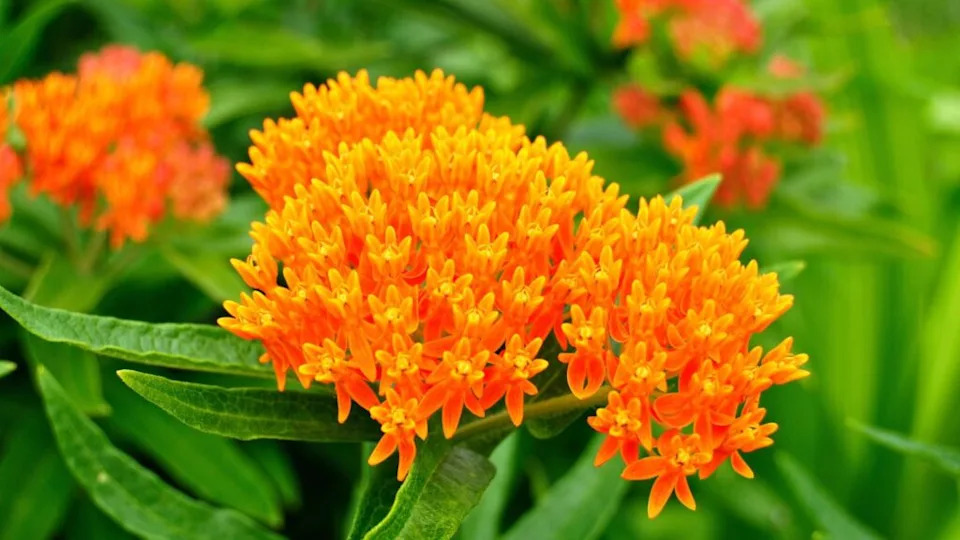
Image Credit: Deposit Photos
Butterfly weed, a form of milkweed, is a brightly colored wildflower. It blooms in vibrant shades of yellow, orange, and red. This sun-loving plant thrives in light, sandy soil with good drainage. Zones 3-9
False Indigo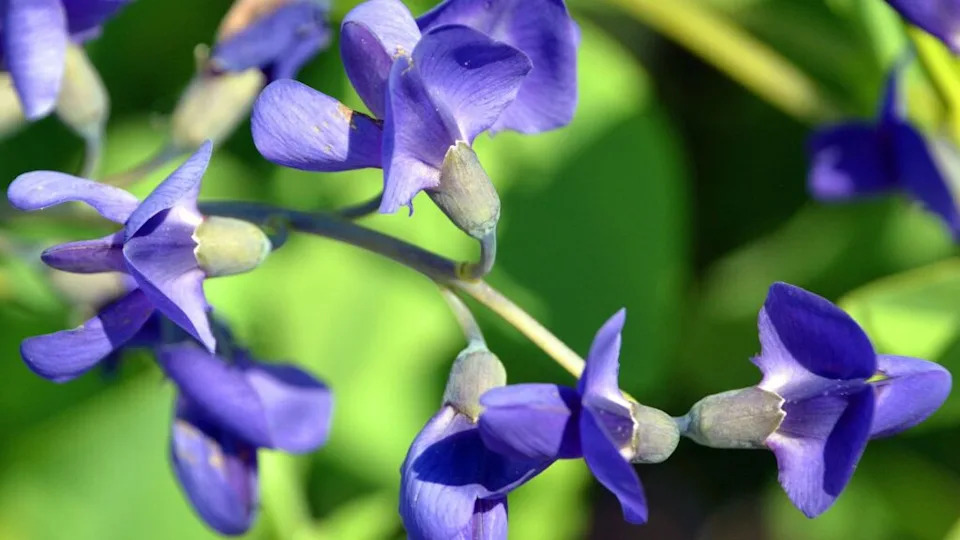
Image Credit: Deposit Photos
Known for its striking spikes of brilliant blue color, False Indigo is a robust plant that thrives in the sun. This plant is practically indestructible, so it is best planted in well-drained soil where you want it to stay for a long time. Zones 3-9
Balloon Flower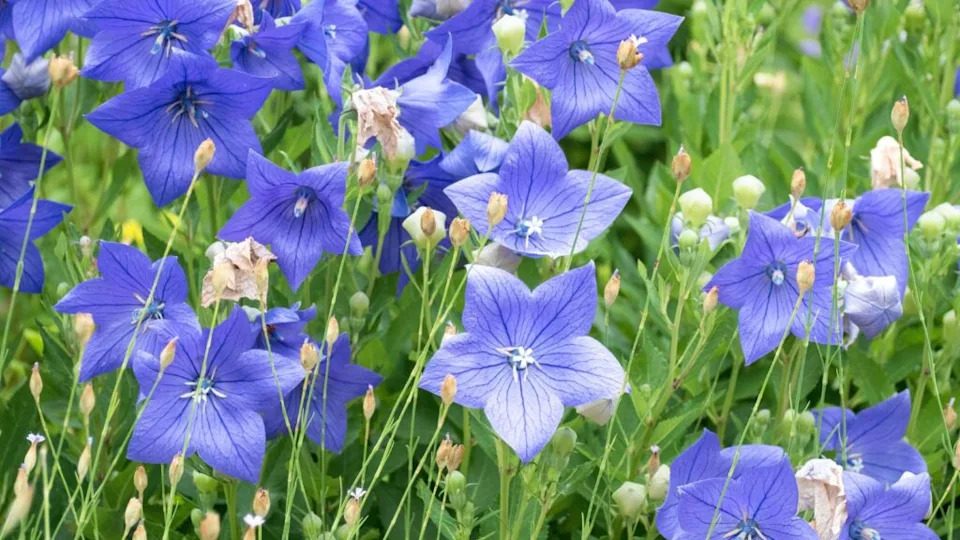
Image Credit: Rhododendrites, CC BY-SA 4.0 via Wikimedia Commons
This plant is named for its balloon-shaped buds that open into beautiful star-shaped flowers. It thrives in full sun to partial shade and adds a bright touch to any garden. With minimal maintenance, it blooms throughout the summer.
Black Eye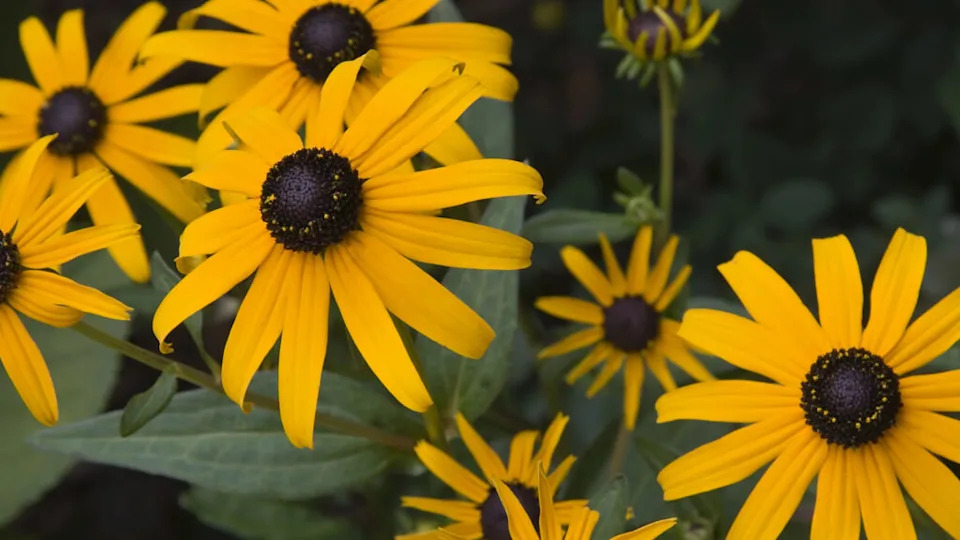
Image Credit: Deposit Photos
Black-Eyed Susans, with their striking yellow flowers, are great for attracting butterflies. These tough, sun-loving plants adapt well to various conditions, making them ideal for any butterfly garden. They are mostly pest-free and bloom from midsummer until the first hard frost.
Comments are closed.