

A heatwave is coming – and while we look forward to finally feeling the sun on our skin, there are downsides, too: wasps.
Warm weather makes wasps more active, speeding up their metabolism and flying ability; on still days, they can forage for longer and cover more ground, too. During dryer spells, when natural food and water sources are scarcer, wasps are more likely to seek out sugar from other places.
So, if you want to enjoy an ice cream, cooling glass of fizz or fruit without worrying about wafting away wasps – or succumbing to a sting – here’s what to do…
Use natural repellents 

Kinga Krzeminska//Getty Images
“Wasps typically dislike strong scents such as clove, eucalyptus, citronella and peppermint. Try mixing these with water in a spray bottle and spraying around your garden furniture to keep them away,” says Mike Rondas, general manager at Wasp-Eze.
Typically, you can buy essential oils, like peppermint with prices starting from around £3.
DD1 Peppermint (Piperita) Essential Oil Naissance Naissance Clove Bud Essential Oil
For a long-term solution, James Ewens, wildlife and gardening expert at Green Feathers, suggests growing them in your garden as well, along with strongly scented plants like lavender, lemongrass and marigolds.
Remove rotten fruit and vegetables
Richard Baker, Richard Barker, horticultural expert and commercial director of LBS Horticulture, says: “Of you are growing your own crops in your garden, ensure that you have removed this before it begins to rot, as wasps love to feed on sugary, rotting material.”
Clearing up is key Maskot//Getty Images
Don’t leave barbecues, or any food, unattended
“Wasps are drawn to proteins in early summer, so always cover food during outdoor events and ensure rubbish bins have tightly fitted lids and are positioned away from doors and seating areas,” Mike says, “Don’t forget to clean outdoor furniture and surfaces after every meal, as wasps are drawn to even the smallest trace of sugar.”
Richard adds: “Barbecues, along with any unattended food, can attract wasps, as they will take the food back to their nest to feed grubs, so don’t leave them unattended.”
Avoid bright colours  Enrique Díaz / 7cero
Bright, bold colours can be attractive to wasps
“Bright, bold colours can be alluring to wasps,” says Richard, “When wasps are at their most prominent in your garden, try to wear more muted colours and avoid using bright colour schemes on garden furniture. You should also keep any brightly coloured flowers away from any dining areas in your garden.”
Avoid wearing perfume
Wasps are often drawn to scents that suggest nectar, ripe fruit or sugar, so perfume, scented body lotion, hair products, sun cream, lip balm and even strongly scented laundry detergent can make you more interesting to them. Avoid wearing strongly-scented products in the garden – and save them for other occasions.
Inspect regularly
“Do regular maintenance checks on sheds, roof spaces, fences and other sheltered areas for any early signs of nest building,” Mike Rondas advises, “Catching wasps early can prevent larger infestations later in the season.”
Natural pest repellent Plantsmith Natural Bug Control Spray for Indoor Plants Credit: amazon.co.uk
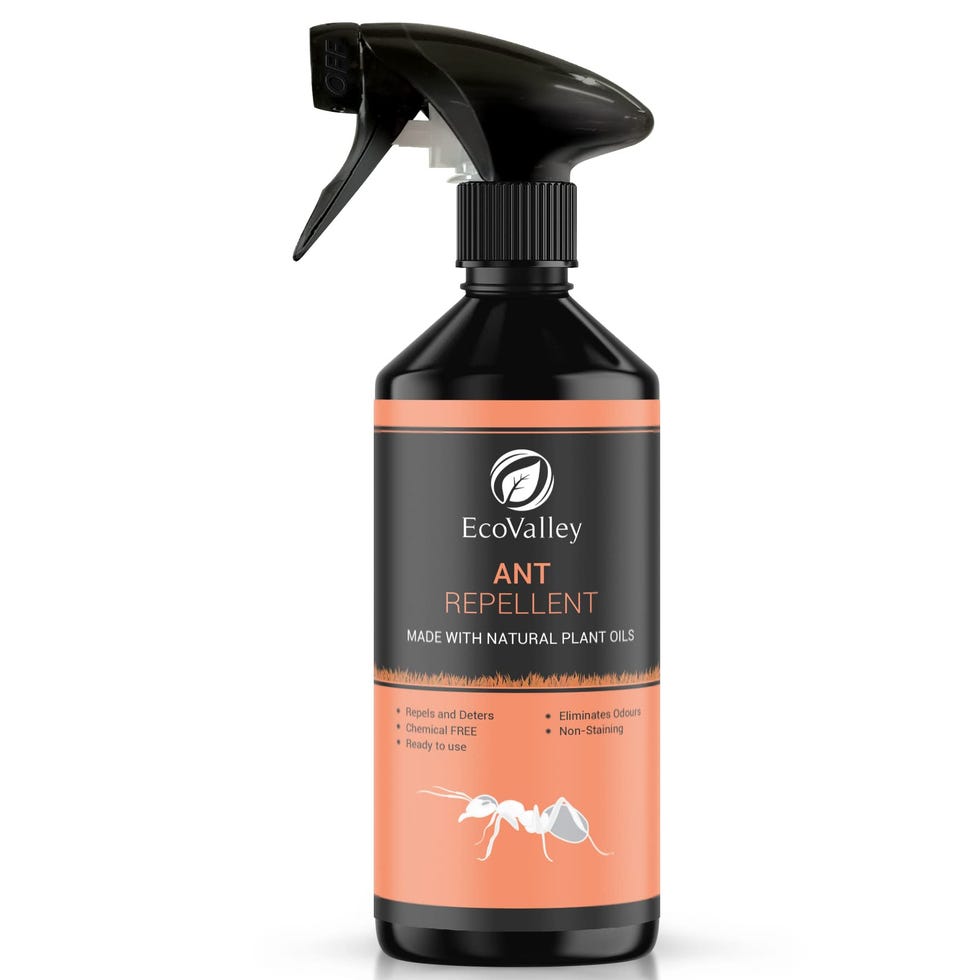 EcoValley Natural Ant Repellent Spray 500ml
Now 10% Off
Credit: amazon.co.uk Westland Westland Bug Guard RTU 800mlCredit: amazon.co.uk
 EcoWidow EcoWidow Natural Moth Repellent Spray Credit: amazon.co.uk
 VNEED Ultrasonic Pest Repeller
Now 17% Off
Credit: amazon.co.uk  Natural Solutions Natural Solutions – Wardrobe Cedar Wood HangersCredit: amazon.co.uk
Comments are closed.