

Australians are being encouraged to check their backyards for a notorious and destructive pest that likes to hide between “sheds and fences” and “can be very costly and difficult to remove” if they are allowed to grow.
To mark World Bee Day today, May 20, the Mackay Regional Council has launched a “Save the bees, get rid of the trees” campaign aimed at reducing the spread of toxic African tulip trees across the region.
They’re a highly invasive species and can quickly outcompete native vegetation, disrupting local ecosystems.
Their nectar and pollen can also harm native stingless bees, posing a direct threat to biodiversity.
Mayor Greg Williamson is urging residents to check their yards, saying it could make a real difference in protecting local wildlife.
“The intent of the campaign is to raise awareness of the issue and encourage community-led action with regard to minimising the impact of these trees,” he told Yahoo News Australia.
Do you have an invasive species story? Contact joe.attanasio@yahooinc.com

The African tulip tree flower.
(Queensland Government)How can residents help?
Williamson recognises that there are many well-established trees on public and private land, and that removing them can be costly.
“That’s why we’re encouraging property owners to identify and remove juvenile plants whilst they can be manually removed by hand,” he said.
“Australian and international research highlights the issue, and advice from the Queensland Government is that these trees pose a threat to native bee populations.
“Once more, the campaign is aimed at raising awareness and providing a meaningful and practical way for community members to get involved.”
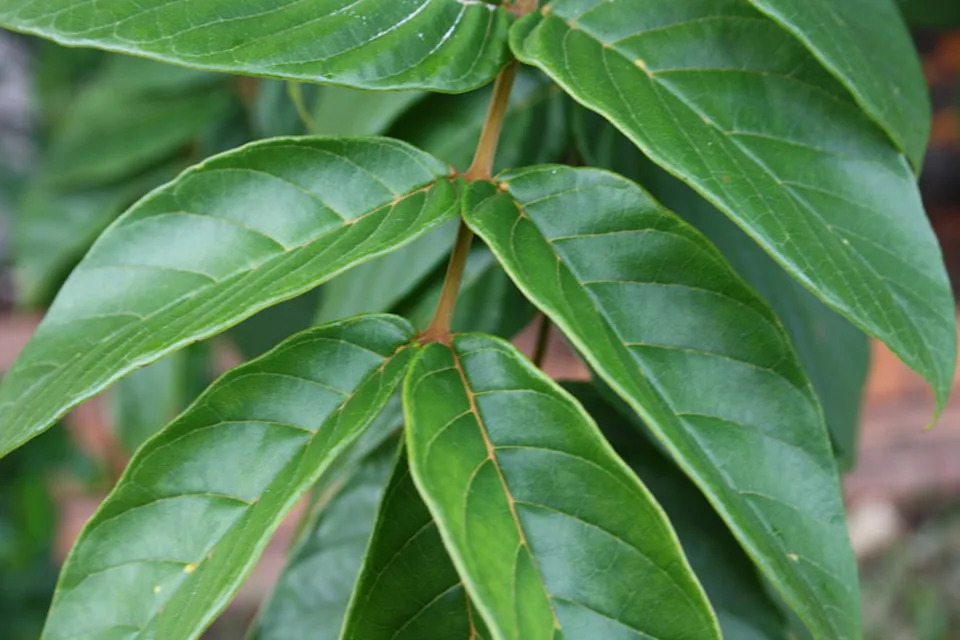
African tulip tree leaves.
(Queensland Government)How can African tulips be identified? African
The trees, known for their striking red flowers, are highly toxic to native stingless bees and can often prove fatal.
“What we want people to do is have a look in their gardens and see if there are any African tulip tree saplings there,” Williamson said.
“If there are, residents simply need to remove the plant and responsibly dispose of it.
“We want people to place any plants under 50 centimetres into a plastic bag and then dispose of it in the general waste bin.
“This will stop the spread of any seeds or suckers, which could happen if the plant is placed into green waste.
“The trees tend to establish themselves in areas that are difficult to access, like between sheds and fences, so it’s much better to remove them while they are small.”
The trees can reach up to 24 metres high if left to grow.
Residents are urged to identify any juvenile trees or saplings, place them in a sealed bag and dispose of them in the general waste bin.
For larger or established trees, residents should engage an arborist to ensure proper removal.
RELATED:
African tulip trees are primarily found in Australia’s warmer, frost-free coastal and subtropical regions.
The greatest spread and environmental impact in Queensland, and smaller, more isolated occurrences in northern NSW, the Northern Territory and parts of northern Western Australia.
You can also follow us on Facebook, Instagram, TikTok, X and YouTube.
Comments are closed.