

Cats are generally allowed to roam in other people’s gardens – but there are a number of humane ways to deter them from doing so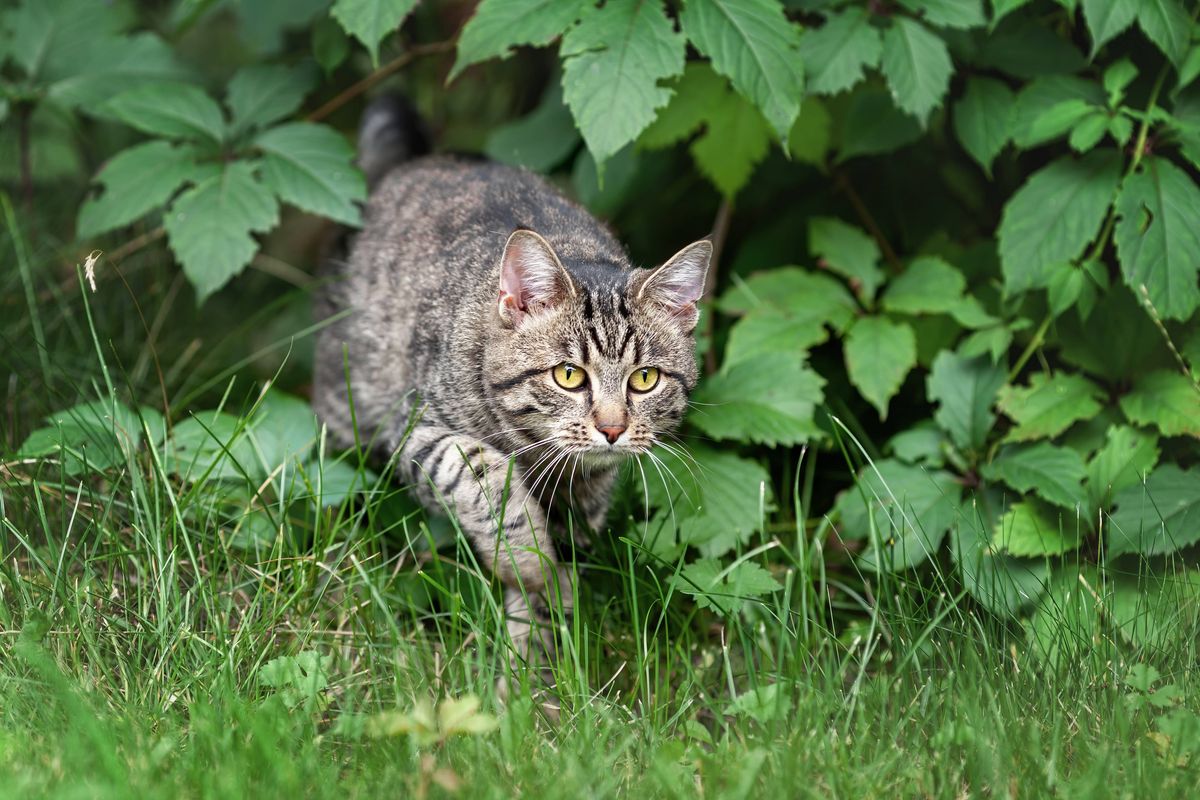
This is a very common household nuisance(Image: Irina Nedikova via Getty Images)
Finding cat poo in your garden is enough to test the patience of even the most mild-mannered homeowner, especially when it becomes a persistent problem. However, while many people presume there is little they can legally do to discourage these roaming animals from paying a visit, there are actually a number of effective solutions available.
According to Cats Protection, cats naturally roam beyond their owners’ boundaries and are entirely within their rights to wander into neighbouring gardens throughout the UK.
That said, the charity confirms that householders are still able to use safe and humane methods to stop cats from treating their outdoor spaces as an impromptu toilet. The Express has put together several suggestions.
1. Citrus peel
Citrus peels make great cat deterrents(Image: Ekaterina Vasileva-Bagler via Getty Images)
Cats are well known for their dislike of strong smells, making orange and lemon peel a popular natural deterrent. Gardening experts recommend placing peel near flowerbeds or garden borders to help discourage cats from coming back.
2. Motion-activated sprinklers
According to the RSPCA, sudden bursts of water can safely deter cats from entering gardens without causing them any harm. Motion-activated sprinklers are commonly used to keep wildlife and stray pets at bay.
3. Cover exposed soil
Cats tend to favour soft ground when digging or doing their business. The Royal Horticultural Society (RHS) advises using gravel, stones or bark to make flowerbeds less appealing as a toileting spot.
4. Chicken wire
Some gardeners lay chicken wire flat across flowerbeds to stop cats from digging up the soil. Plants are still able to grow through the gaps while making the surface unpleasant for animals to walk across.
5. Ultrasonic deterrents
Ultrasonic devices emit high-frequency sounds designed to discourage cats from certain areas. These products are widely available at garden centres and DIY retailers across the UK.
6. No food zone
Make sure there’s no bird seed lying about the garden(Image: Shaun / 500px via Getty Images)
Cats Protection warn that leftover pet food, bird seed and overflowing bins can attract cats into gardens. Properly securing rubbish and feeding areas may help reduce the number of repeat visits.
7. Prickly shrubs
The RHS suggests dense or thorny plants can put cats off entering flowerbeds or digging around plants. Shrubs such as holly or other spiky varieties are commonly recommended.
8. Cat-proof fencing
ProtectaPet reports that specially designed fencing rollers and barriers are becoming increasingly popular amongst homeowners dealing with persistent feline visitors. These systems are intended to stop cats from climbing over fences while keeping them out of harm’s way.
9. Open dialogue
Consumer experts generally advise approaching the matter diplomatically if a particular cat is causing ongoing problems. While owners are not normally legally responsible simply for cats roaming freely, constructive conversations can sometimes help to ease tensions.
Online discussions highlight just how contentious disputes over garden fouling can become, especially during the warmer months when families are spending more time outside. That said, animal welfare organisations consistently stress that any deterrents used should be humane and must not cause harm to cats.
Comments are closed.