

A thriving garden isn’t just about water and sunlight. It’s also about knowing what vegetables, flowers, and fruits should be planted near each other. We tapped garden experts for advice on the best companion plants for cucumbers. The right companion plants can deter pests, enhance plant growth, and help attract beneficial pollinators.
According to the Farmer’s Almanac, cucumbers need warmth and lots of light, so choose a sunny spot. They also need at least one inch of water per week, or more if temperatures are high. It’s also a good idea to start your cucumber seeds indoors. Following the proper care instructions and planting them alongside the right companions should give you a fruitful harvest.
Below, Paula Ramirez, owner of Gardino Nursery and Palmstreet expert, shares her tips about the best companion plants for cucumbers and other advice for how to help these crunchy vegetables thrive. If you’re looking for more gardening tips, read up on the best companion plants for onions (hint: one of them is cucumbers) and the best companion plants for tomatoes. It’s time to start daydreaming about all the delicious summer salads you’ll be able to make with your bounty of vegetables!
Beans
Various types of bean plants, like pole beans, are beneficial for cucumbers. “These legumes are nitrogen-fixing plants so they have the ability to convert atmospheric nitrogen into a form that other plants can utilize,” says Ramirez. “Cucumbers are heavy feeders, and the nitrogen provided by beans can nourish the soil and enhance the growth of cucumber plants. Peas can be used in the same way.”

Jamie Grill – Getty Images
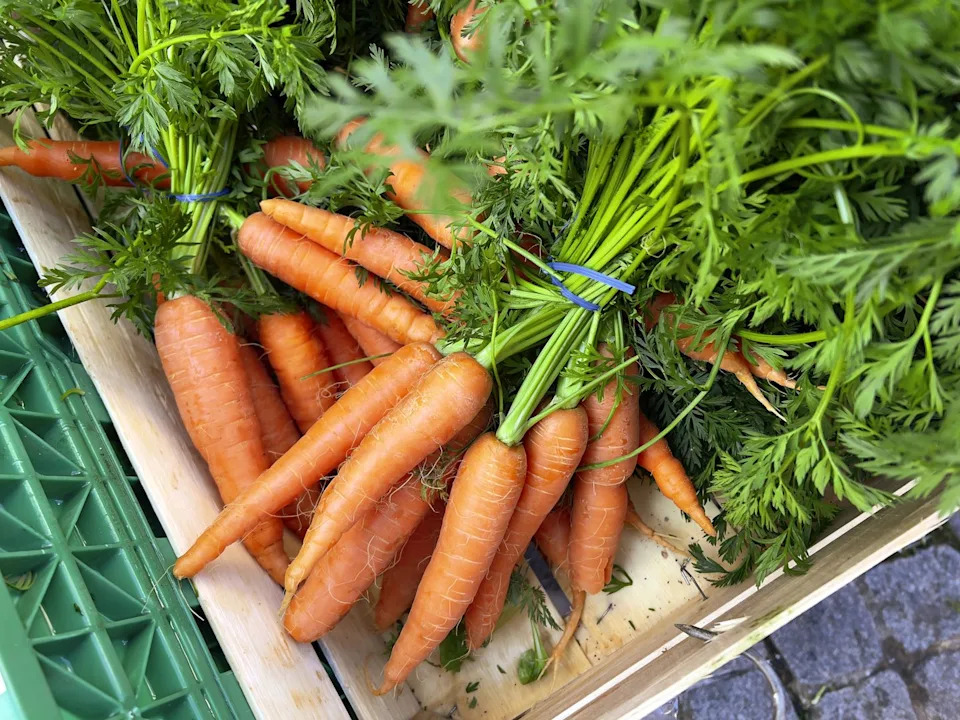
Carrots
Carrots won’t compete for space with cucumbers or over-spread. These delicious root-vegetables are high in vitamin A, fiber and potassium. Grow cucumbers vertically on trellis so they can provide shade for the carrots.
Feifei Cui-Paoluzzo – Getty Images
Beets
Unlike cucumbers, beets’ growth occurs beneath the soil, so the two won’t compete for space. Beets are packed with fiber, protein and vitamin C. They can benefit from being planted first and having shade provided by cucumbers.

Oliver Helbig – Getty Images
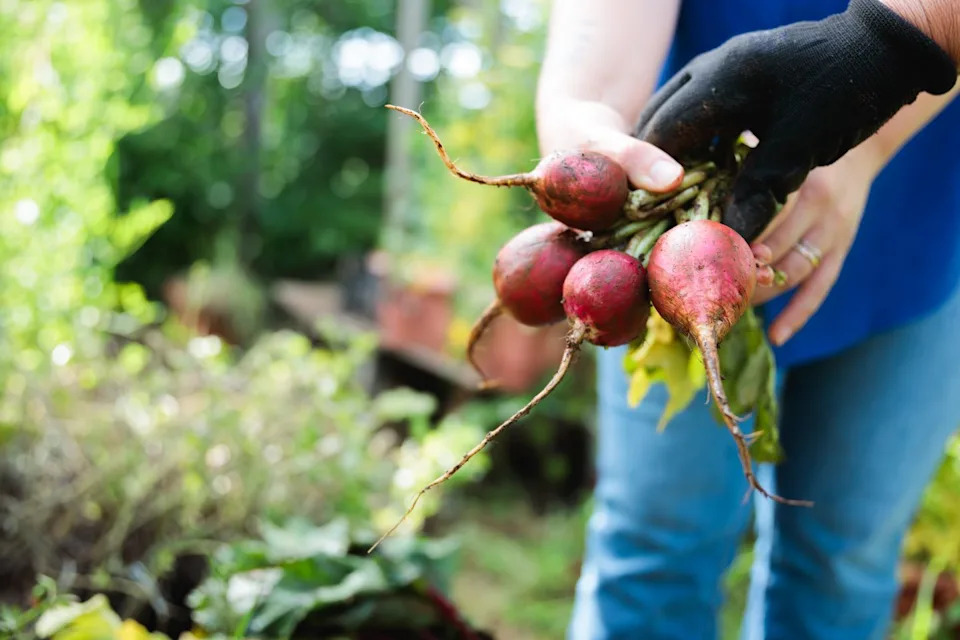
Radishes
Radishes are an ideal companion plant for cucumbers because of their soil-enhancing qualities. “As radishes grow, their roots help break up compacted soil, improving aeration and drainage, which benefits cucumbers as they prefer well-drained soil,” says Ramirez.
Radishes also repel cucumber beetles, a common garden pest that can severely damage cucumbers, squash and melons, among other plants.
Patricio Nahuelhual – Getty Images
Onions
Similar to beets, onions don’t compete with cucumbers for space. Make sure you plant them 4–6 inches apart around the cucumber plants or in rows nearby, and avoid over-watering them when watering cucumbers. They’re a great addition to a garden, as they’re a source of antioxidants, vitamin C and potassium.

Aleksandr Zubkov – Getty Images
Celery
Similar to cucumbers, celery needs lots of water to grow, making them easy to water together. Celery has approximately 25 anti-inflammatory compounds and is rich in antioxidants.

Penpak Ngamsathain – Getty Images
Corn
Besides increasing nitrogen in the soil, mature corn stalks also offer shade and support for climbing cucumbers. Plus, corn is high in zinc and magnesium.

Ali Majdfar – Getty Images
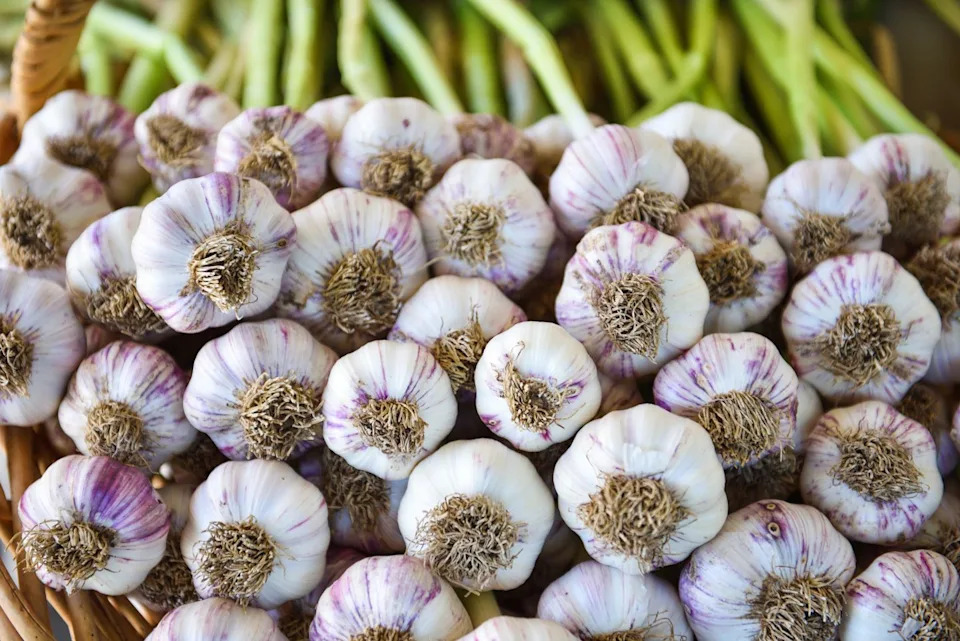
Garlic
Garlic is another good insect repellent for cucumbers and can help keep cucumbers free of fungus infections. It fertilizes soil since it’s rich in phosphorus, a nutrient that’s key for cell division.
“Garlic acts as a natural fungicide that can help prevent mildew on cucumber plants, so I definitely recommend planting it next to them,” Ramirez says. “The same applies to onions and chives.”
Barbara Rich – Getty Images
Lettuce
Planting lettuce and cucumbers together can help you simplify gardening tasks since they both require lots of water. Similarly, the shade of vining cucumbers help shield lettuce leaves from bright sun. Lettuce is also a good choice for your garden, since it’s high in iron as well as vitamins A and C.

Anna Mardo – Getty Images
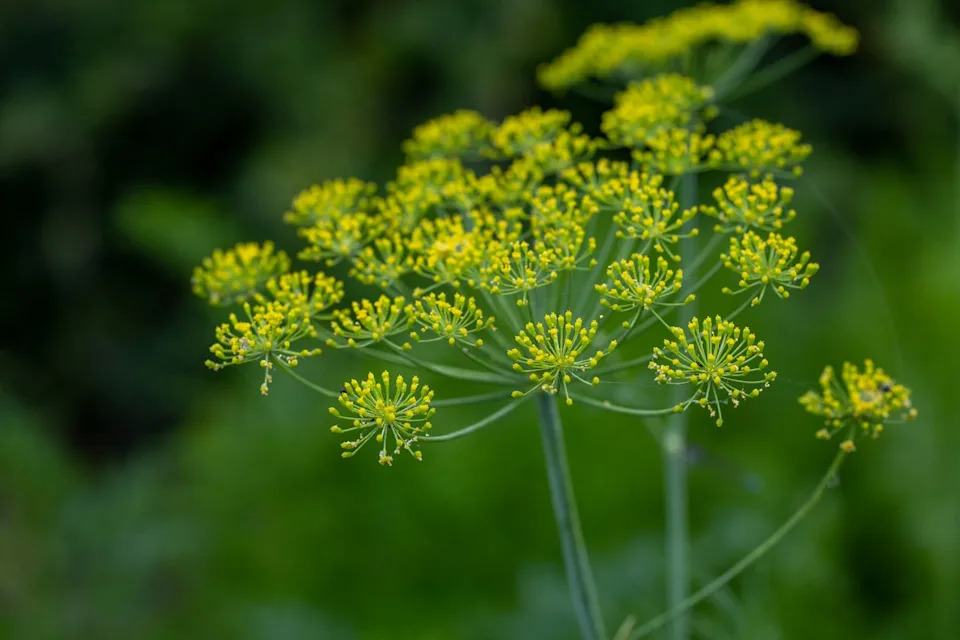
Dill
Dill is an excellent companion plant for cucumbers because they attract beneficial insects, says Ramirez. While some insects can damage cucumbers, others (like wasps and ladybugs) can help cucumbers’ growth by preying on pests like aphids and caterpillars, which are also common cucumber pests.
Iuliia Burmistrova – Getty Images
Catnip
The oils found in catnip repel flea beetles, a highly effective organic pest repellent for cucumber plants. Additionally, catnip is an excellent herb for cat-friendly gardens, given that nepetalactone, the chemical compound it contains, stimulates playful and euphoric behavior in many cats.

Photos by R A Kearton – Getty Images
Chives
Similar to catnip, chives serve as an insect repellent for cucumbers, thanks to their strong onion-like scent. Chives are rich in antioxidants and vitamin K, which can aid in bone growth and healthy blood clotting.

Photos by R A Kearton – Getty Images
Marjoram
Marjoram is another great companion herb for cucumbers. It improves its flavor, repels pests and attracts pollinators like bees and hoverflies.

Oksana Nazarchuk M – Getty Images
Chamomile
Chamomile also attracts beneficial insects like hoverflies and ladybugs, and prey on pests such as cucumber beetles and aphids. Like cucumbers, chamomile thrives in full sun. “Chamomile has a strong aromatic odor and is an excellent companion plant to grow next to cucumbers as it can improve both their vigor and flavor,” Ramirez says.

Christoph Wagner – Getty Images
You Might Also Like
Comments are closed.