
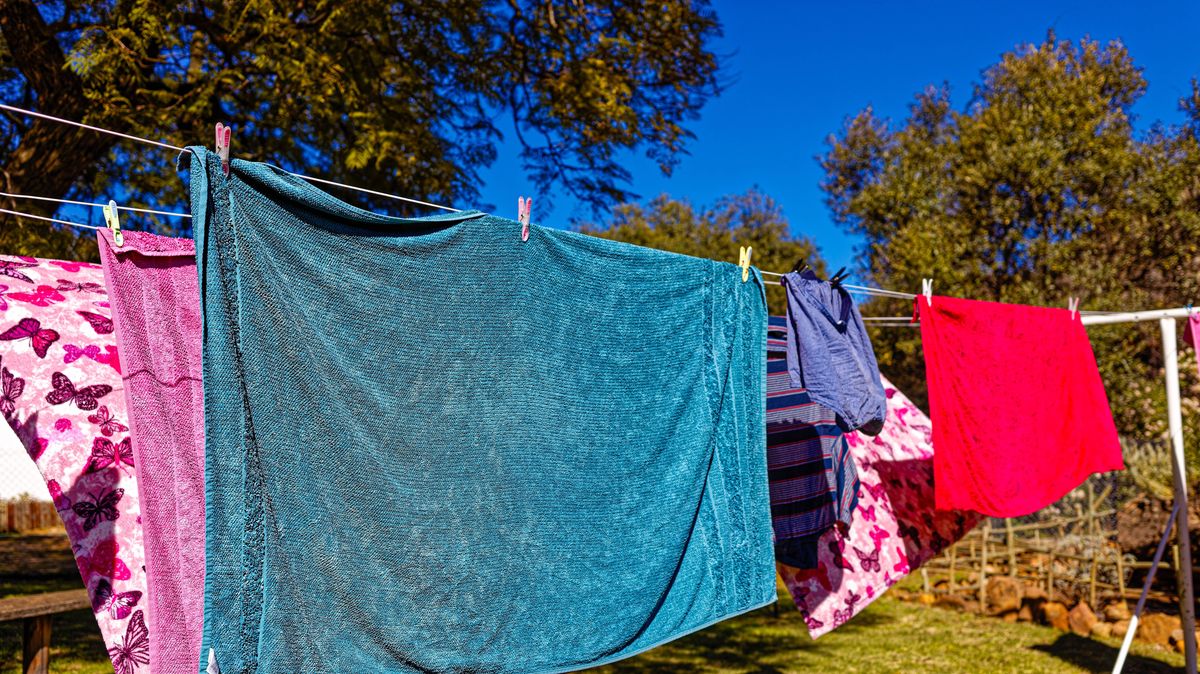
The gardener warned people that they should think carefully about where they dry their towels and bed sheets
Robert Rowlands Deputy editor, money and lifestyle, content hub and Maria Ortega
11:48, 18 May 2026Updated 11:48, 18 May 2026
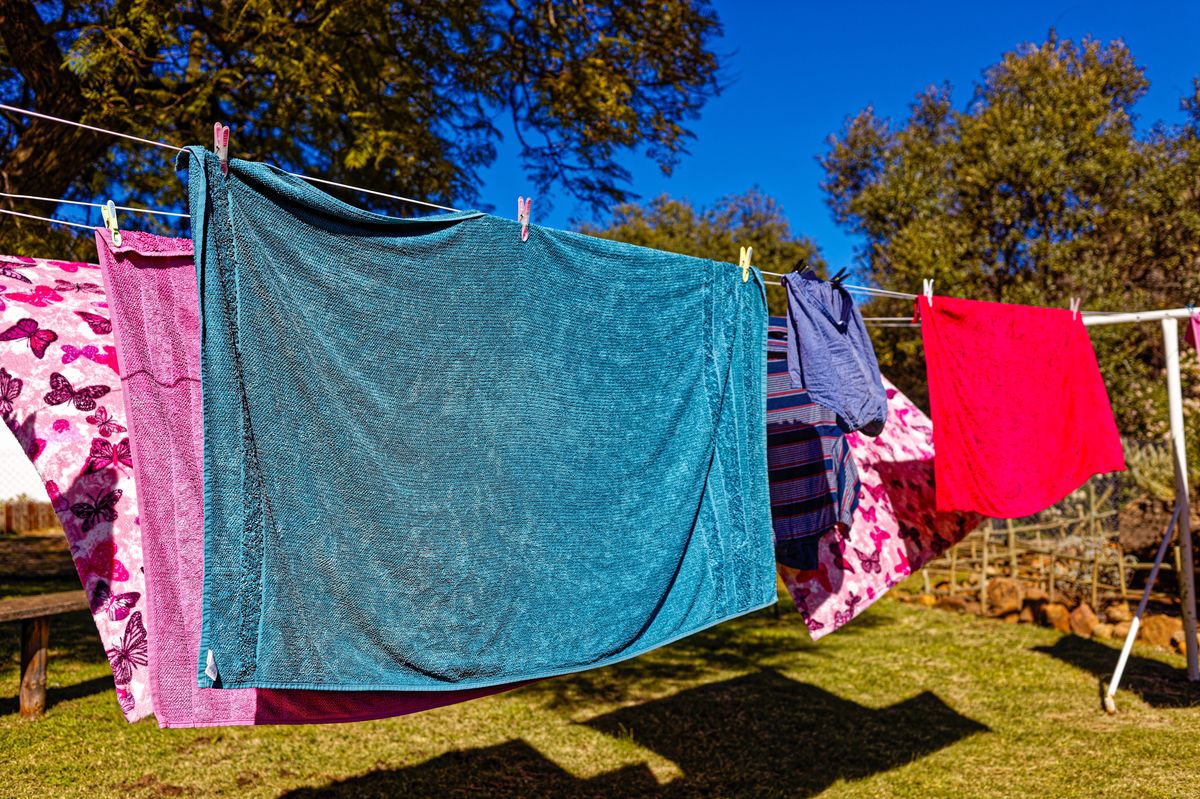
(Image: geoffsp via Getty Images)
People are being warned to think twice before hanging their clothes outside to dry. Most of us think nothing of heading out to peg up a fresh load of laundry once the washing machine has finished its cycle.
Yet the consequences can be surprisingly unpleasant. Gardener José María says that despite not suffering from allergies himself, he is acutely aware of the enormous amounts of pollen in the air. “It gets in my eyes, it gets in my nose, and I can feel it,” he said.
Nevertheless, his profession gives him a unique perspective. He said: “I see people with red eyes, who can barely breathe, who have to wear masks.” José shared his thoughts on a Spanish language radio programme, stating: “Many families are struggling with pollen because they hang their sheets and towels outside, and the pollen sticks to them.”
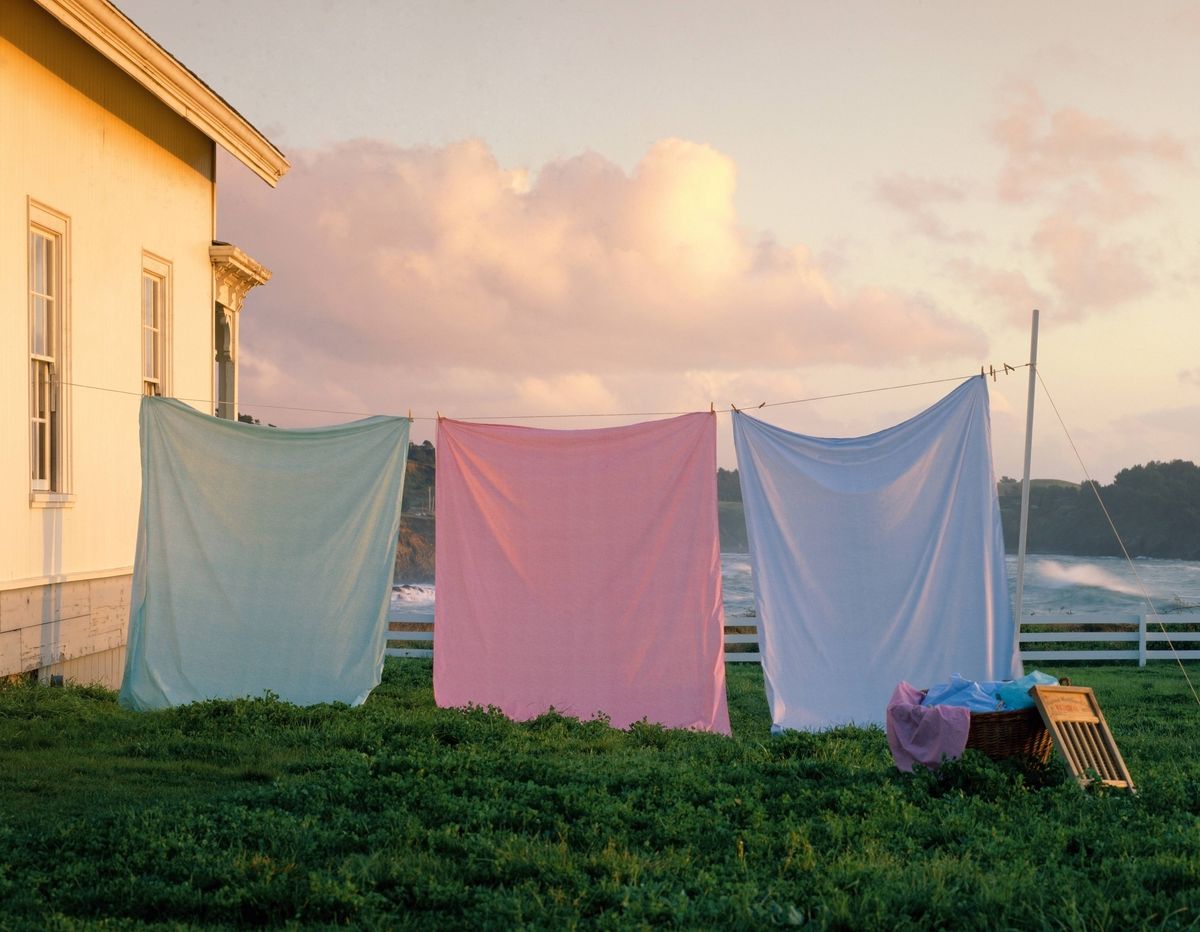
Sheets on a clothes line(Image: Laurie Rubin via Getty Images)
According to the Met Office, tree pollen arrives first, typically from late March to mid-May. Grass pollen – which actually peaks twice – runs from mid-May through to July, while weed pollen covers the period from the end of June to September.
Their website says that tree pollen, which affects around 25% of people, typically appears from late March to mid-May. The majority of sufferers are allergic to grass pollen, which peaks twice across a season lasting from mid-May until July. Weed pollen can emerge at any point, but generally spans from the end of June through to September.
The forecasters say that where you live in the UK can also affect when hay fever season kicks in. Those in the north of the country, for instance, tend to experience a later start and a shorter season, where there is generally less pollen. Urban locations tend to have lower counts than rural areas, while inland regions typically experience higher counts than coastal zones.

Many households will be hanging out clothes to dry as the UK’s weather improves this May(Image: CasarsaGuru via Getty Images)
Looking at grass pollen specifically, the peak period across England and Wales generally begins in the first fortnight of June. However, there are two peaks, with the second, lesser peak arriving in the first two weeks of July, before levels gradually decline.
Jose’s perspective is shared by others in the field. Allergy specialist Deborah Grayson has cautioned: “When you hang clothes up outside during high pollen season, they act as a pollen net as fabrics can trap microscopic particles easily, especially in heavier weaves like towels or bed linen.”
Owena Cleary, Director of CPR First Aid Training, told Darling Magazine: “One of the most common mistakes people make is continuing to dry anything outdoors when the count is high. The fabric will collect more pollen, which you will directly bring back into your home and sleep on.”
Put clothes worn outside straight in the washing machine
She also advised that clothes worn outside should be put straight into the washing machine. Bedding ought to be changed at least once weekly and washed at high temperatures.
Meanwhile, allergist Juan José Zapata has recently offered general guidance for allergy sufferers. He said: “The most effective masks against pollen for allergy sufferers are FFP2 masks or specific anti-pollen masks”
The president of the aerobiology committee of the Spanish Society of Allergology and Clinical Immunology shared his views during an interview on COPE radio programme ‘Poniendo las Calles’, where he set out forecasts and offered a range of practical tips for navigating what is expected to be a “significant” season.
The allergist advised ventilating for 10 to 15 minutes in the middle of the day, when pollen levels in the air are at their highest. He also said: “Leaving clothes outside is a bad idea.” He explained that fabrics act like a “magnet for pollen,” drawing it into the home when clothes dry outdoors.
When it comes to being outside, he recommends wearing sunglasses, as they serve as a physical barrier and stop pollen from hitting the eyes directly – an area where it “bursts quickly and causes significant inflammation.” For more thorough protection, particularly in areas with elevated pollen counts, Dr Zapata added: “The most effective masks against pollen for allergy sufferers are FFP2 masks or specific anti-pollen masks,” as they efficiently filter out particles when fitted snugly against the face.
Comments are closed.