
Key Points
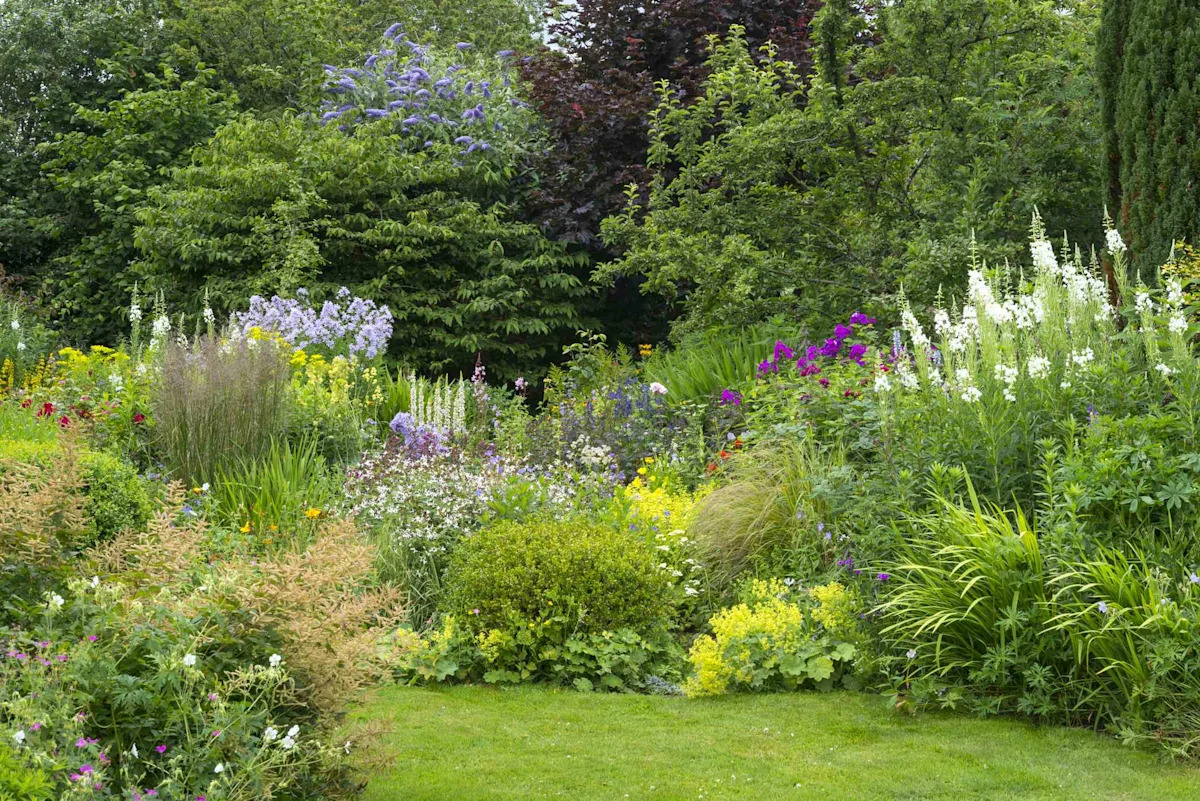
Cottage gardens remain popular because they are versatile, timeless, and adaptable to personal style.
Container gardens are gaining traction for their flexibility and ability to fit into small spaces.
Mixing native plants with ornamentals and edibles creates eco-friendly and functional gardens.
Every spring and summer, exterior design trends enter the conversation, and for the past few years, we’ve noticed one trend reigns supreme: the cottage garden.
Known for looking romantic and a little overgrown, the cottage garden aesthetic pairs beautifully with so many interior trends—from maximalist to farmhouse to, of course, cottagecore.
But are cottage gardens still ‘in,’ as far as exterior trends go? We turned to a few pro gardeners to find out.
Meet the Expert
Irvin Etienne is a gardening expert and the horticultural display coordinator for Newfields.
Michelle Edgemont is a floral designer, trend expert, and director of sales for Poppy Flowers.
Cottage Gardens Are Timeless
Credit: Neil Holmes / Getty Images
According to gardening expert Irvin Etienne, not only are cottage gardens still in—they’re timeless. One major reason for this is that there’s a lot of wiggle room when it comes to what, exactly, makes up a beautiful cottage garden.
“You could achieve a cottage garden with just perennials and shrubs, or native plants only,” says Etienne. “Or go wild and throw some big gaudy cannas in the mix. That cottage garden is yours, and it should express that fact fully.”
Small Container Gardens in the Suburbs
Credit: kschulze / Getty Images
Plenty of urban gardeners already know the pros and cons of creating a small container garden, says garden trends expert Michelle Edgemont. This year, she predicts suburban homeowners are going to lean more into this look, too, because of their versatility.
“Container gardens are often easier to customize, since you can choose your own containers,” she says. “Plus, they can be used in spots that don’t already have dirt to dig in, like the corners of a driveway or to spruce up a patio.”
Ecological Gardens Are on the Rise
Credit: fotolinchen / Getty Images
According to Etienne, he sees ecological gardening as the next iteration of native plant gardening.
“We’ve been planting to attract the stars of the pollinator show, such as butterflies and hummingbirds,” says Etienne. “But now, we’re adding plants and designs for the supporting actors of pollination—the nondescript bees and unassuming wasps.”
This approach works well for home gardeners who want to plant a garden that’s functional, eco-friendly, and beautiful.
Crevice Gardens Are Having a Moment
Credit: Patrick Standish / Flickr / CC BY 2.0
If you want to work with specialized groups of plants, Etienne says crevice gardens are becoming more popular.
These gardens require thin, flat slabs of a rock like sandstone or slate to be placed vertically and close together, with narrow gaps where plants can grow. They do best on any tricky sloped areas that get full sun.
“Building the garden framework and choosing the plants allows for much creativity,” Etienne says.
The idea is to mimic natural conditions such as mountains, coastlines, or other exposed rocky planes, and grow plants that are suited to this environment.
Intermixing Fruit, Veg, and Ornamentals
Credit: Westend61 / Getty Images
According to Etienne, another trend he’s noticing is a tendency to mix food plans and ornamentals.
“[This] will only become more popular in the future,” he says. “It’s quite nice to snack on a cherry tomato as you smell the roses.”
But this also comes down to simply buying and planting what you want—even if your land is at a premium, you don’t necessarily have to pick one or the other.
“It’s your garden,” Etienne says. “Your money, time, and energy are creating that garden. It’s good to know what you like or what interests you and let that guide your planning.”
All you really need to consider is that you’re getting the right plants for the right place.
“Don’t buy all sun plants if you only have shade,” Etienne says. “Don’t buy water plants if you have dry, sandy soil. You get the idea.”
Read the original article on The Spruce
Comments are closed.