
Dengarden and Yahoo may earn commission from links in this article.
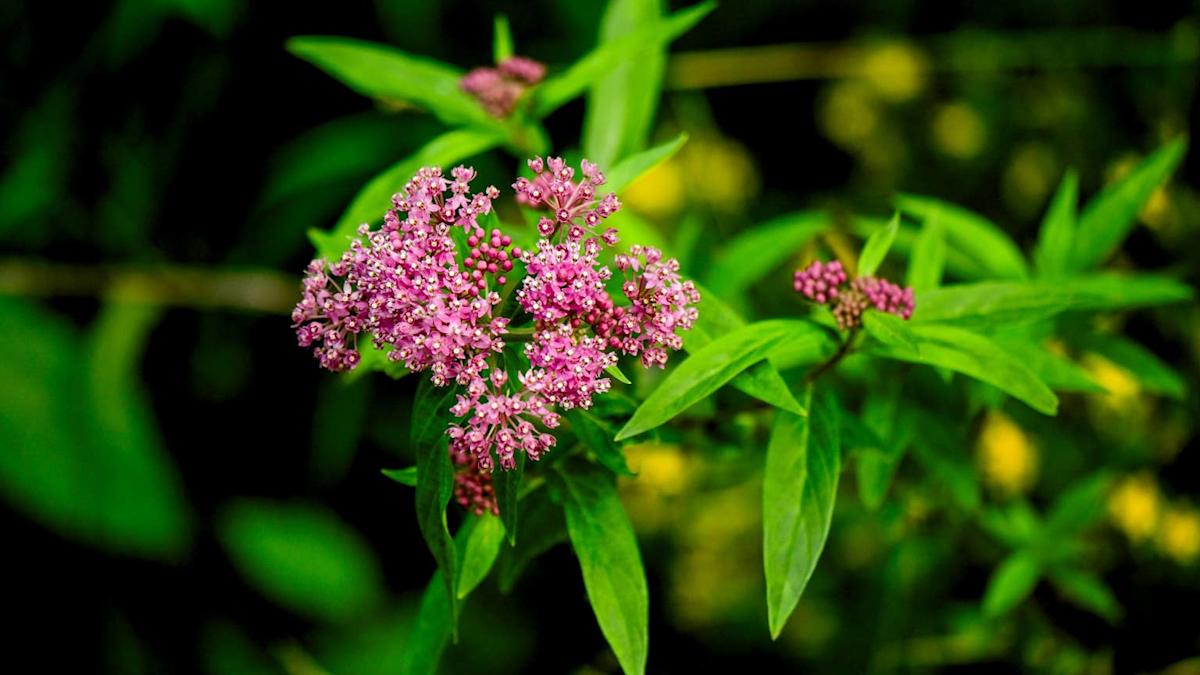
If you’ve ever spotted a cluster of pink, orange or white blooms buzzing with bees and fluttering with butterflies, chances are you were looking at milkweed. Milkweed is a native flowering plant best known for its relationship with monarch butterflies, but it’s much more than a pretty wildflower. Hardy, cheerful and surprisingly easy to grow, milkweed has become a favorite among gardeners who want a yard that looks beautiful while helping wildlife thrive.
Despite its humble name, milkweed is one of the hardest working plants you can add to your garden. The plant gets its name from the milky sap hidden inside its stems and leaves, and there are dozens of varieties suited to different climates and landscapes. Whether tucked into a flower bed, planted along a fence line or scattered through a pollinator patch, milkweed brings life and movement to outdoor spaces in a way few plants can.
Advertisement
Advertisement
SIGN UP for the Dengarden / Parade Home & Garden newsletter for a weekly dose of our favorite house hacks, decor trends and shopping deals
7 Surprising Benefits of Planting Milkweed in Your Garden1. Monarch Butterflies Depend on Milkweed for Survival
In a popular Instagram video, expert gardener Crystal Portwood from @sustainableseedling explains how important milkweed is for the monarch butterfly population. Without it, monarch butterflies would face extinction.
Monarch caterpillars can only survive by feeding on milkweed leaves, making the plant essential to their life cycle. As monarch populations continue to decline, home gardens have become an important refuge for these iconic orange and black butterflies.
2. Pollinators Love Milkweed
Milkweed acts like a magnet for beneficial pollinators. Bees, hummingbirds, ladybugs and countless helpful insects flock to its nectar-rich blooms throughout the growing season. Even gardeners with small spaces often notice a dramatic increase in pollinator activity after planting it.
3. Milkweed is Low-Maintenance
Once established, milkweed practically takes care of itself. It tolerates heat, drought and less-than-perfect soil conditions without constant watering or pampering. For busy gardeners, that’s a major win.
4. Beginner Gardeners Can Easily Grow Milkweed
Not everyone has a green thumb and milkweed doesn’t mind. It’s forgiving, adaptable and easy for first time gardeners to manage. If you’re looking for a confidence-boosting plant, this is one of the best places to start.
Related: Turn Your Garden Into a Butterfly Magnet With These 7 Blooms
5. Growing Milkweed From Seed is Surprisingly Simple
Milkweed seeds are easy to collect, sow and grow. Many gardeners scatter seeds in the fall or start them indoors before spring planting. Watching the tiny seedlings emerge and mature into butterfly-friendly plants is incredibly rewarding.
6. Monarchs Eat Milkweed, and Only Milkweed
Milkweed isn’t just monarch butterflies’ favorite snack; it’s their only host plant. Female monarchs lay their eggs exclusively on milkweed because the caterpillars rely on its leaves for food immediately after hatching. No milkweed means no monarch caterpillars.
7. As a Perennial, Milkweed Comes Back Year After Year
Because milkweed is a perennial, you only plant it once and enjoy it for seasons to come. Every spring, fresh shoots emerge again, often bigger and stronger than before. It’s the kind of garden investment that keeps rewarding you with color, wildlife and beauty year after year.
Related: Aldi’s $10 Black and White Modern Lanterns Bring Designer Style to Any Outdoor Space
This story was originally published by Dengarden on May 16, 2026, where it first appeared in the News section. Add Dengarden as a Preferred Source by clicking here.
Comments are closed.