
Key Points
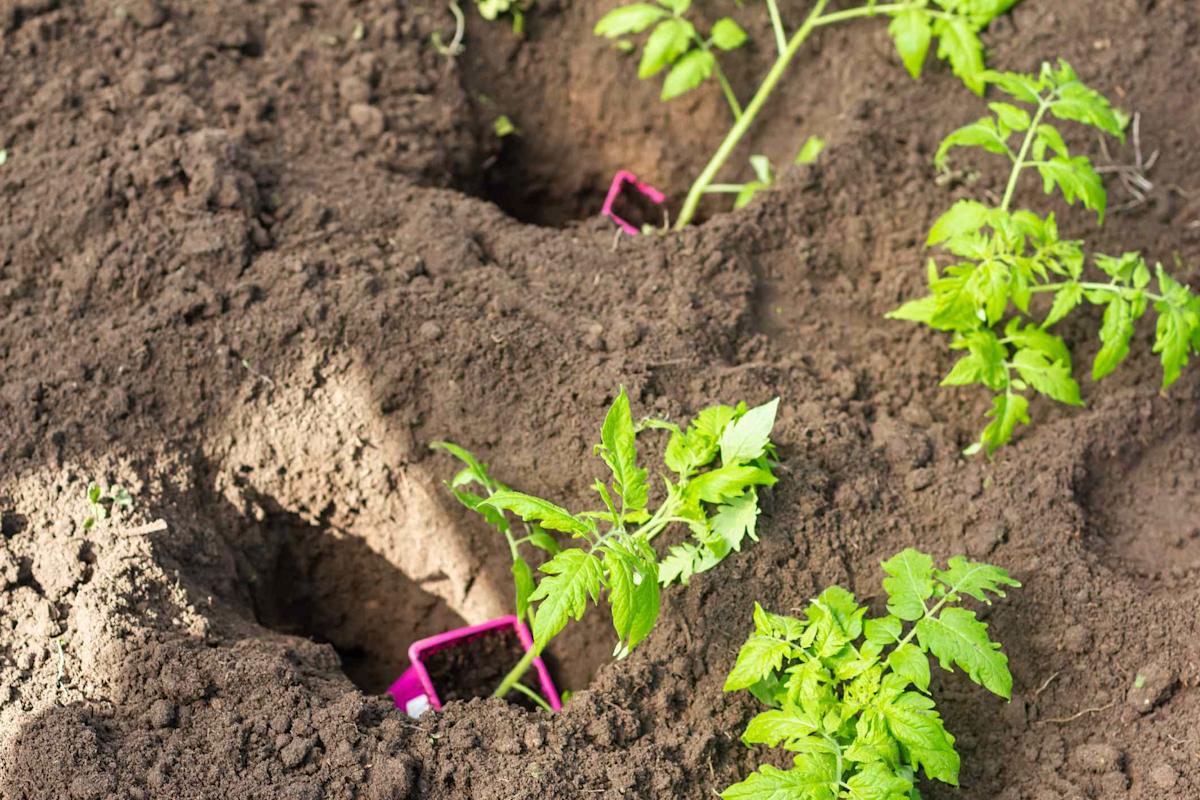
Plant tomato seedlings deeply to encourage stronger roots and better nutrient absorption.
Deep planting reduces the risk of stem damage and helps plants thrive.
Proper spacing and drainage prevent diseases and make harvesting easier.
When it comes to the planting depths of transplants, there are two basic kinds of vegetables. Young lettuce, kale, or broccoli plants should be planted so the root ball is level with the soil surface or just below; burying the stem or the crown too deeply can lead to rotting.
On the other hand, members of the nightshade family like tomatoes benefit from deeper planting.
But what exactly does it mean to plant tomatoes deeply? Two experts explain the right way to get the most popular home-grown vegetable in the United States in the ground.
Meet the Expert
Craig LeHoullier, also known as the NC Tomatoman, is a North Carolina-based gardener, author of two books on growing tomatoes, and gardening educator.
Kris Bordessa is a Hawai’i-based writer whose website name, Attainable Sustainable, is embedded in the titles of her two books on self-reliant living.
How Deep Should You Plant Tomato Seedlings?
Credit: OleJohny / Getty Images
To understand how tomato expert and book author Craig LeHoullier recommends planting tomatoes, you need to know the difference between the cotyledon leaves and the true leaves on a tomato plant.
Advertisement
Advertisement
The cotyledon leaves are the very first leaves the plant develops; they are smooth and long or narrow or oval or heart-shaped and usually look completely different from the first true leaves, which are ribbed with scalloped or serrated edges.
“I plant tomatoes deeply, past the cotyledon leaves, up to the first regular leaves. Any part of the stem under the soil will root, providing more water and nutrient uptake for the plant,” LeHoulllier says.
He adds that planting deeply also works well for leggy seedlings, keeping them from snapping on windy days. Gardening expert Kris Bordessa also plants as deeply as possible.
“Little roots will sprout from the stem wherever it is buried in the soil, offering the plant more stability and opportunity to take up nutrients,” she says.
Advertisement
Advertisement
When she plants tomato seedlings, she starts by trimming off all but the top two pairs of leaves.
“Then I bury the entire root ball and stem so that the soil level sits just below the plant’s leaves,” Bordessa says.
How to Get Your Tomato Transplant Just Right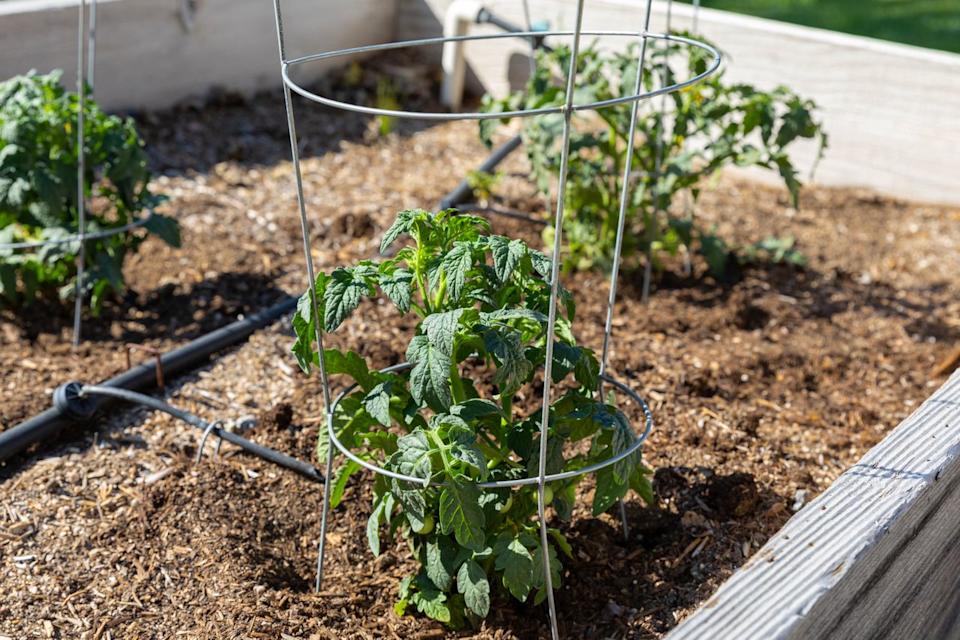
Credit: The Spruce / Jayme Burrows
Proper Spacing
Aim for at least 2, preferably 3 feet between plants, depending on the variety. Tomato plants are vigorous growers, and giving them sufficient space is not only key to preventing diseases but also makes harvesting much easier.
Excellent Drainage
“Be sure that where you plant tomatoes has good drainage, as tomatoes hate it when their roots are in standing water,” LeHoullier says. If your garden soil has poor drainage, pots or raised beds are a better option.
Warm Soil
Tomatoes thrive in balmy weather, so wait until conditions are right. LeHoullier says that plants in cool soil won’t do very much visible above-ground growth, but the roots will develop fine.
Neighboring Plants
Avoid planting members of the cabbage family, tall corn plants, cucumbers, and sweet potatoes next to tomatoes. Instead, Bordessa suggests tucking a few basil plants a foot or two from the base of your tomato plants.
Advertisement
Advertisement
“They thrive in similar conditions, and come harvest time, you’ll be ready to make a batch of easy tomato bruschetta,” she says.
4 Tips for Growing the Juiciest Tomatoes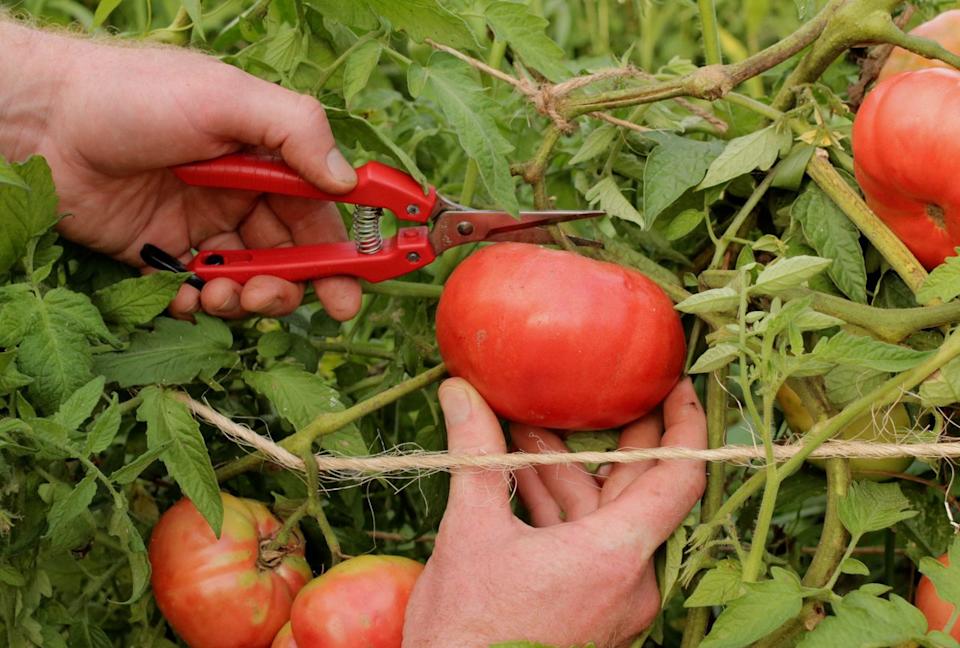
Credit: The Spruce / Steven Merkel
Select varieties appropriate for your climate. “Growing tomatoes in Hawaii is a challenge,” Bordessa says. Fruit flies are a common pest threatening garden crops. “For that reason, I choose smaller tomato varieties that are less susceptible to fruit fly damage and ripen more quickly.”
Keeping tomatoes on a regular watering schedule and watering them deeply is key to juicy tomatoes. Inconsistent watering causes tomato cracking and splitting.
Staking tomato plants is especially important for indeterminate varieties. “Those need plenty of support, so be sure that you have that lined up,” Bordessa says.
“Don’t be in a hurry to fertilize tomato plants,” LeHoullier says. Fertilizing tomatoes too early risks burning tender roots and leads to excessive leaf growth instead of fruit. Letting them settle in for a few weeks before feeding is perfectly fine.
Read the original article on The Spruce
Comments are closed.