
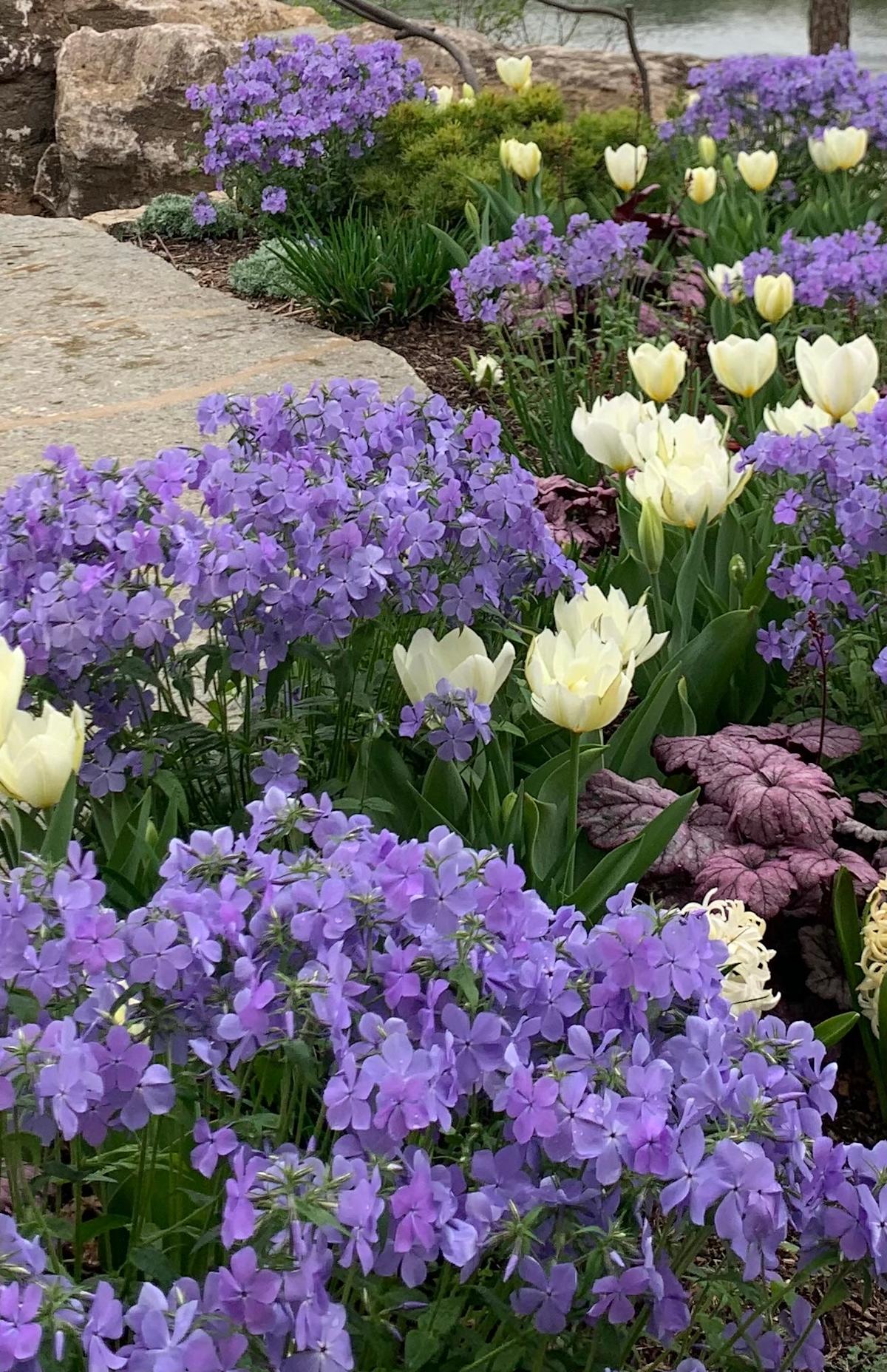
Spring can be a challenging time for gardeners. There are just so many choice.
For example, I have one little open spot in my entire garden, so I went to a garden center to pick up a filler, and that’s where it all started to fall apart. Annual or perennial? Herbaceous or woody? Native or exotic? Paper or plastic, margarine or butter. You get the idea.
Sometimes, after a long day, a long week, I just need somebody else to make a decision for me.
Advertisement
Advertisement
The good news is that there is help out there. For the gardener who is just starting out, or even the gardener who simply has a touch of catalog fatigue, there are programs around the country that can help gardeners of all stripes find plants that will work. Some of these programs promote plants that have wide adaptability. Others look to honor plants with unique adaptability to local conditions. They are many and varied and chances are there is one such program in your own back yard.
The following are a few plant programs worth watching and consulting when looking for recommendations.
A program run by the Perennial Plant Association since 1990, this effort works to annually recognize and promote a herbaceous perennial that has broad adaptability, multiple seasons of interest and requires minimal maintenance.
The 2026 Perennial Plant of the Year is Andropogon gerardii ‘Blackhawks’ (Big Blue Stem.) This North American native grass was selected for compact growth and deep burgundy foliage color late in the summer. This Big Blue Stem variety grows into a 5-foot tall and 2-foot wide grass with a strongly ascending outline.
This long-standing program is run by the Pennsylvania Horticultural Society and focuses on plants that are well adapted to the Mid-Atlantic region. For 2026, the PHS Gold Medal Winners are:
Blue Star Amsonia(Amsonia tabernaemontana ‘Storm Cloud’): an excellent sun perennial with light blue spring flowers, almost black stems and golden yellow fall foliage
Chinese Fringe Tree(Chionanthus retusus ‘Tokyo Tower): A narrowly upright tree to about 15 feet tall with intensely fragrant white spring blooms.
False Daphne(Daphniphyllum macropodum): a 15-foot-tall, broad-leaf evergreen shrub grown for its dark, glossy green foliage and tolerance of dry shade.
Eastern Red Cedar(Juniperus viriginiana ‘Taylor’): 15 to 25-foot-tall, narrow evergreen that is drought tolerant, long lived and highly resistant to deer browse.
Indian Grass (Sorghastrum nutans Golden SunsetTM): 5-foot-tall, upright grass with blue-green summer foliage, golden late summer flowers and yellow fall foliage.
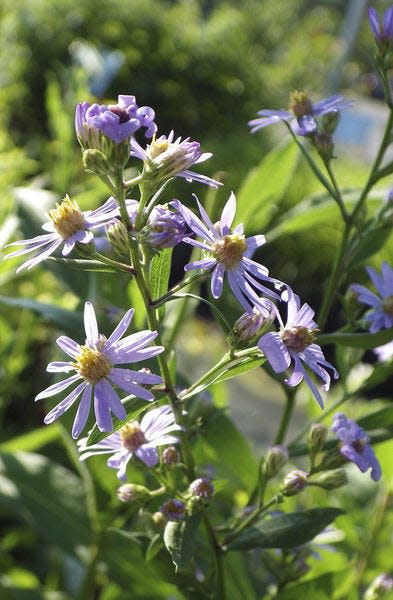
Smooth Aster (Symphyotrichum laeve ‘Bluebird’): is one of the very best of the late summer/fall blooming asters with blue/purple flowers with bright yellow centers. Pollinator magnet.
For those who garden in the dry west, this program annually promotes plants adapted to the intermountain and high plains ecology of low rainfall, often alkaline soils and low humidity.

Hummingbird Trumpet (Epilobium x canum UnforgettableTM): a 2-foot, late summer bloomer with stunning red/orange flowers that attract clouds of hummingbirds.
Pussytoes (Antennaria dimorpha Granita®): low growing, silver/gray groundcover native to much of the West.
Sun Daisy (Osteospermum MandyTM): a perennial groundcover pink daisy with a long spring bloom time.
French Sorrel (Rumex scutatus ‘Silver Shield’): a silver-leafed version of this tangy-leafed green, for both the garden and the salad bowl.
Sand Cherry (Prunus pumilla ‘Boulder Weeping’): essentially a groundcover cherry with white pink blooms and glossy green foliage.
A program of the Garden Club of America, this program alternates between woody and herbaceous winners every other year.
Advertisement
Advertisement
Ironweed (Vernonia lettermannii ‘Iron Butterfly’), a super drought-tolerant, compact mass of thread-like, fine green foliage bearing violet flowers in summer and bright gold fall foliage.
Of course, there are other great programs out there, but these should at least get you headed in the right direction. Check with your local Cooperative Extension Service, botanical garden or garden center for other resources in your area.
Paul Cappiello is the executive director at Yew Dell Botanical Gardens, 6220 Old Lagrange Road, yewdellgardens.org.
This article originally appeared on Louisville Courier Journal: Plant awards that help you choose the best flowers and vegetables
Comments are closed.