
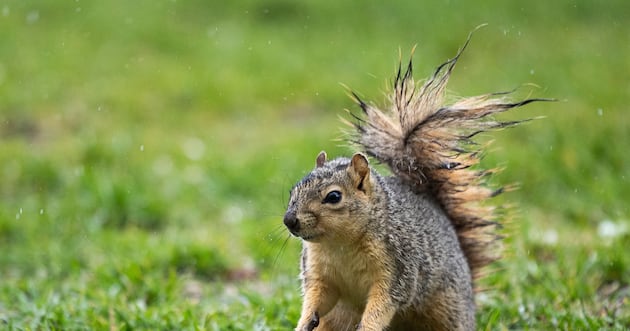
Integrated pest management strategies like fencing can prevent wildlife from entering properties.Relocation is an inhumane and illegal way to handle nuisance animals.Trap setting is common, and euthanasia and releasing are the best options after an animal is caught.
Summer gardening is a popular pastime in Utah, but it comes with its obstacles. Pesky wildlife or “nuisance animals” can damage crops and property in gardens and orchards.
The types of animals and damage vary depending on which part of the state your garden is. Cory Farnsworth, a Utah State University Extension faculty member in Grand County, said southeastern and northern Utah see a lot of raccoons and skunks, while central and southern Utah deal with prairie dogs and squirrels. Bugs, birds and mice are also common throughout the state.
Farnsworth said gardeners can see “anywhere from 50% to 100%” of their crops lost depending on the population of the animal doing the damage. But more often than not, the loss is less than that.
“You’re dealing with a damaged plant here or there or a damaged fruit or vegetable here or there,” he said.
But once animals know where to find a food source, they keep coming back. The wildlife can become a long-term problem for gardeners as they continue to steal their crops.
What to do about pests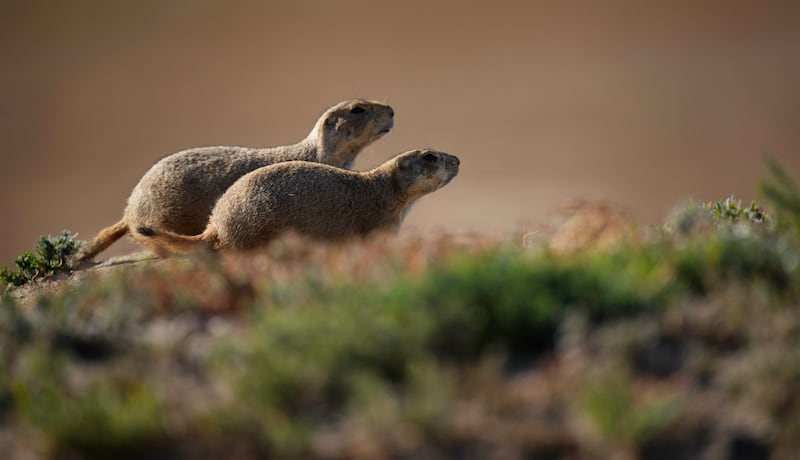 Prairie dogs run through a field Sunday, Sept. 19, 2021, in Commerce City, Colo. | David Zalubowski, Associated Press
The USU Extension recommends using integrated pest management strategies to prevent nuisance animals from accessing gardens. According to a news release from USU Extension, “these include physical barriers such as fencing, habitat modification, trapping and targeted use of deterrents.”
If those methods don’t work or aren’t put in place and people find nuisance animals in their gardens, Farnsworth said many people think relocating the animal is the best solution. But he said that’s not the case.
According to Farnsworth, relocating an animal is illegal under state law. Relocation gets the wildlife out of your garden, but it can cause problems for somebody else. Also, the animals often find their way back to their previous home.
Relocation leads to bigger issues too: The animals can spread diseases and may struggle in their new, unfamiliar environment. Farnsworth said it’s not a humane practice.
If you do trap an animal in your backyard, you can euthanize it or release it where it was caught. In Utah, the field mouse, pocket gopher, ground squirrel, jack rabbit, raccoon, skunk, coyote and red fox may all be hunted, trapped and killed without a license or permit, according to a USU Extension article citing state law. But if the animal is listed as a furbearer and you want to keep its pelt, you must have a furbearer license or trapping permit.
Another option is to contact the Utah Division of Wildlife Resources. The DWR website provides a list of wildlife rehabilitators and urban wildlife nuisance control services licensed to deal with the animals.
One thing Farnsworth said to remember is the USU Extension is not a regulatory agency.
“There’s some things that we might try to promote that are regulations,” like relocation laws, “because they are best management practices, but ultimately what we’re doing is we’re providing education to people so they can make the best choice for their management goals,” he said.
While some people might be frustrated by nuisance animals tearing up their gardens, Farnsworth said others “may look at a raccoon and say, ‘No, it’s not hurting me. I don’t mind having a broken watermelon every now and then that a skunk or raccoon or a deer is eating.’”
In the end, a person’s decision to deal with nuisance animals or not and how they deal with them depends on their situation and preferences. But local laws should always be followed.
DWR has a list of contact information for its offices throughout the state.
Comments are closed.