
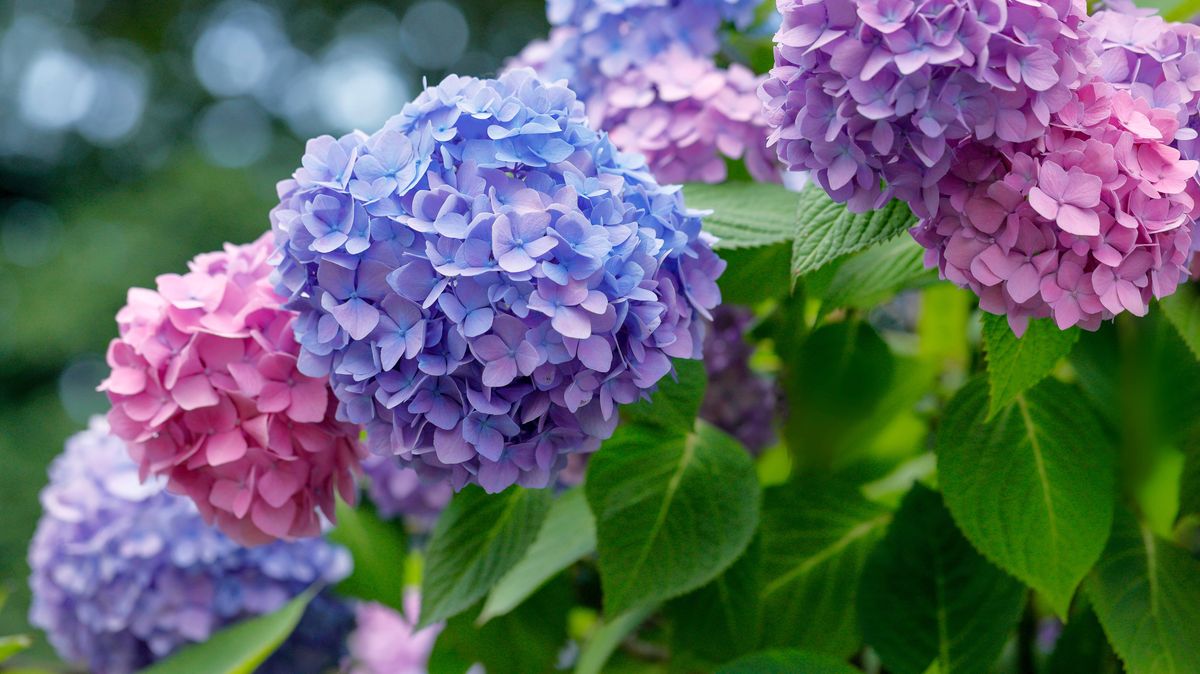
Hydrangeas are one of the few plants that can change colour over time – here’s how to safely shift your blooms from pink to blue.
03:32, 14 May 2026Updated 07:18, 14 May 2026
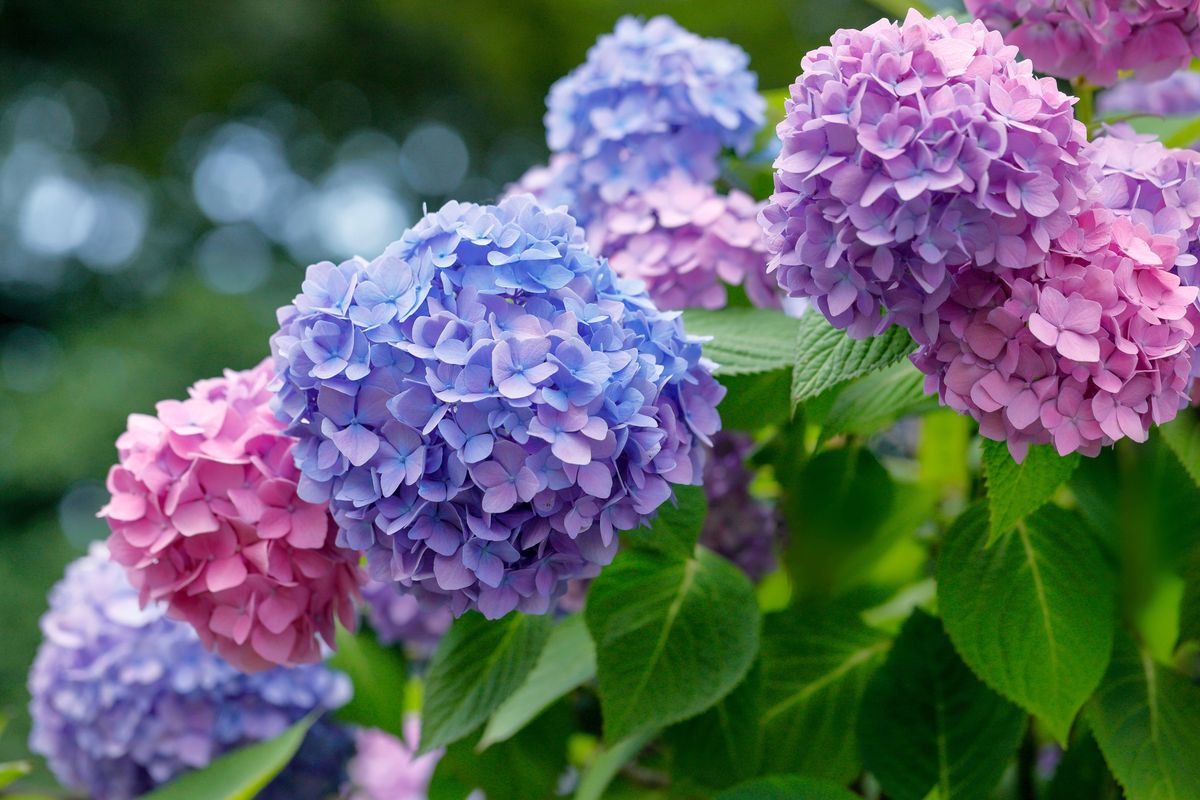
Hydrangeas can change colour in one season(Image: I am happy taking photographs. via Getty Images)
Hydrangeas are a firm favourite amongst British gardeners. Their spectacular, abundant blooms deliver a breathtaking splash of colour, and they require relatively little maintenance.
They are also amongst the rare garden plants capable of changing colour over time. Many people purchase these plants assuming their colour is permanent, yet certain varieties can shift as the years pass. With the correct soil conditions, hydrangeas can transform from pink to blue or even purple. This occurs when the soil becomes more acidic, making aluminium more accessible to the plant, which in turn affects the pigmentation of the petals.
Jo McGarry, from Caragh Nurseries, said: “Many people are surprised to learn that hydrangea colour is directly linked to soil pH. In acidic soil, the blooms turn blue, while alkaline soil encourages pink petals. Purple shades appear when the soil is close to neutral.
“Only certain hydrangeas respond this way, particularly macrophylla and serrata varieties. White hydrangeas generally stay white regardless of soil conditions.”
Altering the colour of your hydrangeas is a straightforward enough process. However, certain outdated techniques are best left well alone, reports the Express.

The right soil conditions will change the colour of your flowers(Image: Getty)
One approach some gardeners have attempted involves burying a rusty nail in the soil beneath their shrubs in a bid to change the colour of their hydrangeas.
Jo said: “Burying rusty nails in the soil to turn hydrangeas blue is something gardeners have talked about for years, but it isn’t the safest or most effective option.
“Sharp metal hidden in borders can become a hazard for people and wildlife. They also provide too little soluble iron to impact petal colour.”
Fortunately, there are far safer alternatives to transform your garden’s appearance.
Jo said: “Using ericaceous compost, coffee grounds, or aluminium sulphate is a much better approach for gardeners wanting blue hydrangeas. These methods gently increase soil acidity without creating unnecessary risks in the garden.

Hydrangeas can change colour over time(Image: Getty)
“For pink hydrangeas, the soil needs to be more alkaline. Adding garden lime can help raise the pH and reduce aluminium uptake. This encourages pink blooms to develop.
“A fertiliser with higher phosphorus levels can also help limit aluminium absorption and support stronger pink colouring.”
Typically, you’ll need to wait at least one full growing season before any visible colour changes begin to show.
Jo said: “Testing your soil pH first is always worthwhile because overcorrecting can stress the plant and affect nutrient uptake. Small gradual changes tend to give the healthiest and most consistent results.”
Comments are closed.