

From sculptural evergreens to carefully shaped trees, Japanese gardens are known for their sense of calm, balance and beauty — and the right planting choices can bring the same feeling to a British garden.
For more than 2,000 years, Japanese gardens have been designed as serene spaces where people and nature exist in harmony. Their timeless appeal is shaped by six key elements: space, views, shade, architecture, seclusion and subtle design.
At the heart of this philosophy is niwaki — the Japanese art of pruning and shaping trees and shrubs to create structure, balance and atmosphere. Mastering the practice takes years of skill, patience and artistry, but the effect can transform a garden.
One British gardener who has spent years studying this aesthetic is Jake Hobson. Alongside his Japanese-born wife, illustrator Natsko Seki, they founded Niwaki — which translates as ‘garden tree’ — a brand dedicated to Japanese gardening principles, beautifully crafted tools and expert-led workshops.
Here, Jake shares 10 trees and plants that will help you create a Japanese-style garden at home.
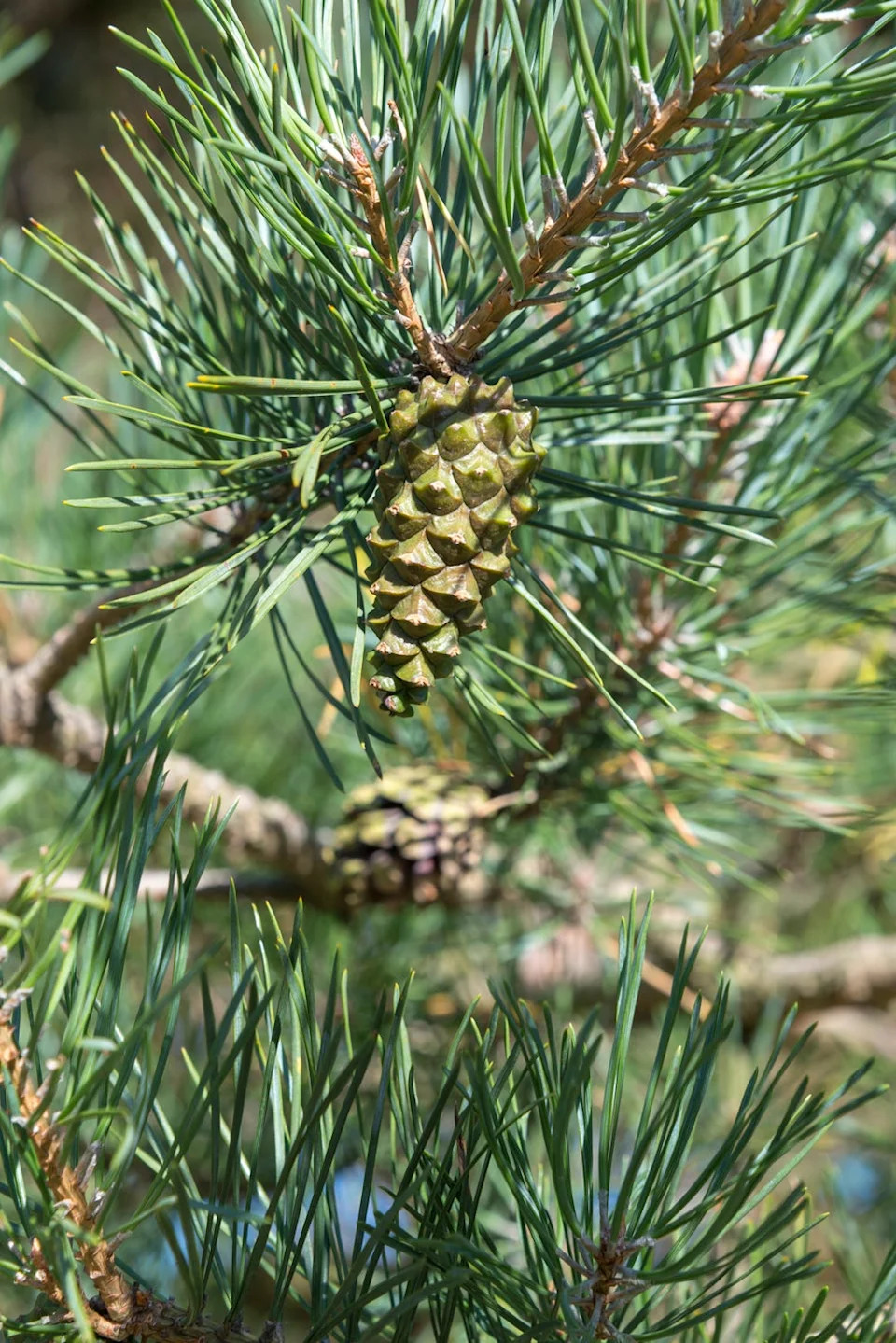
Scots Pine (Pinus Sylvestris)
‘If you have the space, a pine tree is essential,’ says Jake. ‘There are really popular Japanese pine species, such as Japanese Black Pine or Red Pine, but Britain’s native Scots Pine is an equally good choice.’
These large, evergreen conifers, which are known for their longevity – they can live for 500 years – have rugged bark, dark, dramatic needle clusters, and can grow 55m tall. ‘But by training them,’ Jake adds, ‘which requires consistent and precise pruning and miniaturising, the pine can take on an idyllic ancient appearance.’
BUY NOW
Photos by R A Kearton – Getty Images
Japanese Cedar plant
‘This is my personal favourite,’ says Jake. ‘In Japan, this cedar is known as Sugi. Ideally, you want the tree form, rather than any of the cultivated shrub varieties, as it responds beautifully to pruning.’
One of the Japanese techniques Jake uses is called Daisugi, which dates back to the 14th century when a huge demand for wooden tea houses resulted in a shortage of wood and a lack of space to grow any more. This ingenious method enabled a multitude of new trees to grow on one old tree.
‘These younger trees are very slender, very elegant looking,’ says Jake, ‘creating these striking architectural forms, which are often described as living sculptures.’
BUY NOW

eye-blink – Getty Images
Cherry Tree (Prunus x Yedoensis)
In Japan, cherry trees were first cultivated in the imperial gardens during the Heian period (794–1185) and have been revered ever since.
Every spring, when they are in blossom, Japanese people have Hanami, a festival which is always a poignant reminder of how transient beauty is and how fleeting life can be.
‘From dark crimson to milky white, there are many Japanese varieties to choose from, but for me, this white cherry tree is such a classic,’ says Jake. ‘I love its quiet simplicity, its ability to evoke such serenity and elegance.’
BUY NOW

DoctorEgg – Getty Images
False Castor Oil (Fatsia japonica)
This evergreen shrub can grow up to around 2m tall and is instantly recognisable for its large, glossy, palm-shaped leaves, which bring a bold, tropical feel to the garden. Native to southern Japan, it’s better known in the UK as the paperplant or castor oil plant.
‘It’s brilliant for planting in a shady area of the garden and because it has these lush, glossy light green leaves, it will still give you this wonderfully lush appearance.’
In autumn, it produces clusters of small white flowers, followed by glossy black ornamental berries that are particularly popular with birds, including blackbirds.
BUY NOW

Kamila Kozioł – Getty Images
Japanese Iris (Iris ensata)
Painted in 1831, The Great Wave off Kanagawa by Katsushika Hokusai is widely regarded as Japan’s most famous painting. Not far behind it is Irises by Ogata Korin, which was painted in the early 18th century on a pair of golden screens and depicts rows of deep blue irises.
‘There are several irises native to Japan,’ says Jake, ‘which are loved for their intense shades of blue, violet and mauve. They are often planted by the edge of a pond or in a water garden.’
The iris also holds deep cultural significance in Japan, not least for its association with the Samurai because of its sword-shaped leaves, which are believed to have protective powers and ward off evil spirits.
BUY NOW

M.Arai – Getty Images
Spotted Laurel (Aucuba japonica)
‘This is an excellent option for the garden,’ says Jake, ‘particularly the variegated forms which have these big glossy apple-green leaves with pale yellow flecks.’
British gardeners will be familiar with this hardy, adaptable plant, which thrives in everything from full sun to deep shade, making it an incredibly versatile choice for the garden.
‘In the UK, they tend to be allowed to grow quite large and retain their dense shape,’ explains Jake. ‘In Japan, however, they are carefully thinned to allow in more light, which in turn gives the plant wonderful form and structure.’
BUY NOW

mtreasure – Getty Images
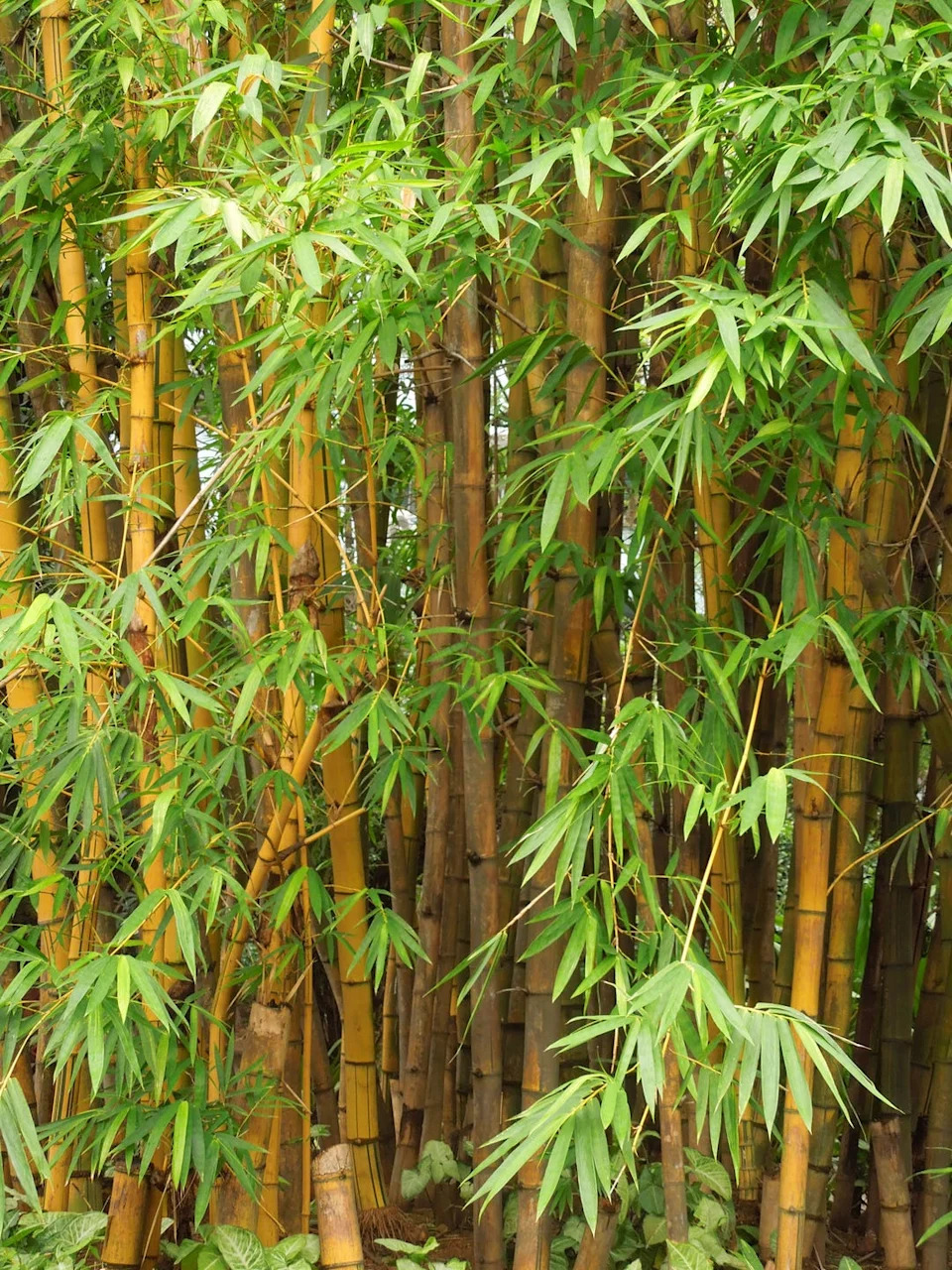
Bamboo (Bambusa vulgaris)
In Japanese culture, the bamboo, along with the pine and plum tree, are known as the ‘Three Friends of Winter’.
‘This is another plant which helps to create an idyllic setting, simultaneously providing light to stream through the leaves in summer and a shelter to break a bleak wind or snow in the winter.
‘There are, of course, so many varieties to choose from, but it’s important to be aware that bamboo can spread quickly if planted in the ground,’ warns Jake.
These days, a lot of people prefer to grow bamboos, such as Fargesia robusta ‘Campbell’ and Phyllostachys nigra, in large round or rectangular containers to create subtle screens. It’s ideal for privacy, perfect for patios, and instantly evocative of Japan.
BUY NOW
Ravinder Kumar – Getty Images
Leopard Plant (Farfugium japonicum)
‘This stunning perennial is loved for its large kidney-shaped leaves, which are so shiny they look like they have been polished,’ says Jake.
‘It’s a semi-evergreen, is hardy and will grow well in a partially shaded corner of the garden, where its low-growing habit will quickly create a natural Japanese woodland feel.’
A native to Japan, where it is often seen growing along streams, it also produces clusters of small star-shaped buttery yellow flowers in late autumn and early winter, which sparkle just when the nights are starting to get longer.
BUY NOW

owngarden – Getty Images
Japanese holly (Ilex Crenata)
‘If you love clipped, sculptural forms, then this is a great plant to consider,’ says Jake. Native to Japan, Ilex crenata – also known as box-leaved holly – is prized for its glossy foliage and is often used for hedging in the UK. In Japanese horticulture, however, it is more commonly shaped into distinctive cloud-like forms.
‘This technique is like topiary,’ says Jake, ‘but with a more natural, organic feel to the outcome.’
Like the Japanese Maple, Black Pine, and Juniper, it is also often used to create Japanese bonsai trees, miniature trees grown in containers. Although this ancient art form originates from China, the word ‘Bonsai’ is Japanese, and they adopted the art form over a thousand years ago. In recent times, it has become a pastime for the elderly. Now, it is the younger generations who are championing it.
BUY NOW

Iva Villi – Getty Images
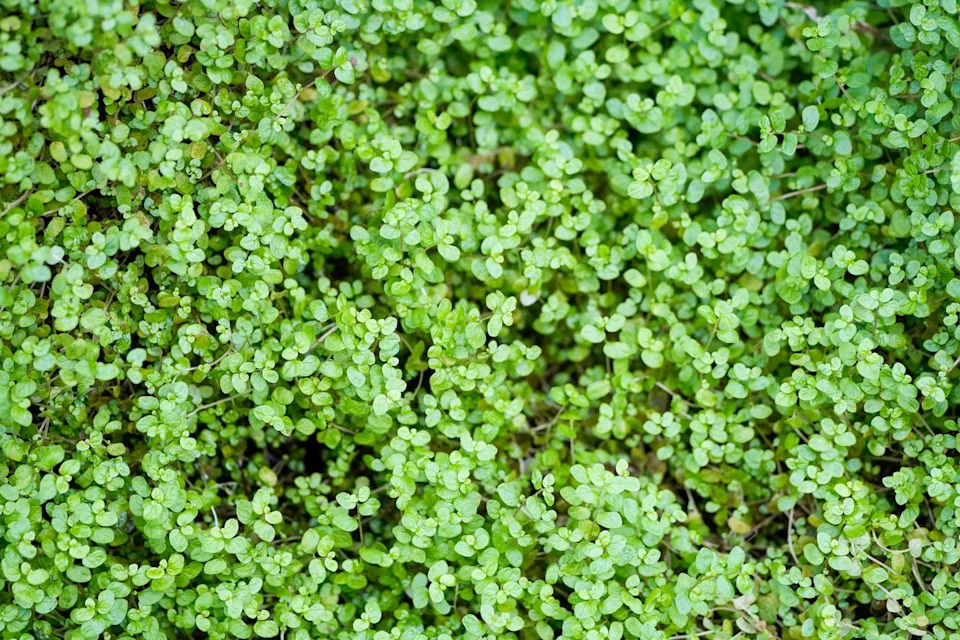
Mind-your-own-business (Soleirolia soleirolii)
This creeping perennial herb is better known in the UK as mind-your-own-business.
‘I love this plant because its tiny green leaves create a lush, dense mat that looks like the ground has been covered in carpet,’ says Jake.
It’s also charmingly known as Baby’s Tears or Mother of Thousands – names thought to reference its tiny pink flowers. Happy in both sun and shade, it spreads easily across damp ground and can even creep over walls and steps. It’s often planted beside ponds or streams, but also works beautifully spilling from a hanging basket or kitchen window box.
BUY NOW
• For further details, visit Niwaki.com
Follow House Beautiful on Instagram, TikTok and Pinterest
EllyMiller – Getty Images
Comments are closed.