
Reviewed by Dietitian Jessica Ball, M.S., RD
Credit: Design elements: Getty Images. EatingWell design.
Key Points
Start small with easy-to-grow herbs like parsley, cilantro and mint for gardening success.
Fresh herbs add vibrant flavor, nutrients and antioxidants to meals, enhancing both health and taste.
Many herbs thrive indoors with minimal sunlight, making them perfect for small spaces or urban living.
As a Penn State Master Gardener, I get a lot of questions from would-be green thumbs who want to grow their own food but don’t know where to start. I’ve learned from my 15 years of gardening experience that while you may dream of harvesting homegrown heirloom tomatoes or making your own yard-to-jar pickles, the best way to get into gardening is to start small.
Growing your own fresh herbs at home is the perfect entry point. Most popular culinary herbs are pretty easy to grow, even if you don’t have a yard: you can keep them in window boxes, planters on your patio, stoop or fire escape, or even small pots in a sunny window or under a grow light indoors. Plus, easy, low-cost access to fragrant fresh herbs immediately kicks your home cooking routine up a notch. They can be good sources of nutrients like vitamins A, C and K as well as polyphenols, compounds with anti-inflammatory and antioxidant properties that may help reduce chronic disease risk.
Advertisement
Advertisement
Here are five herbs you can easily grow at home, plus tips for a successful harvest and practical ways to incorporate them into recipes.
Basil
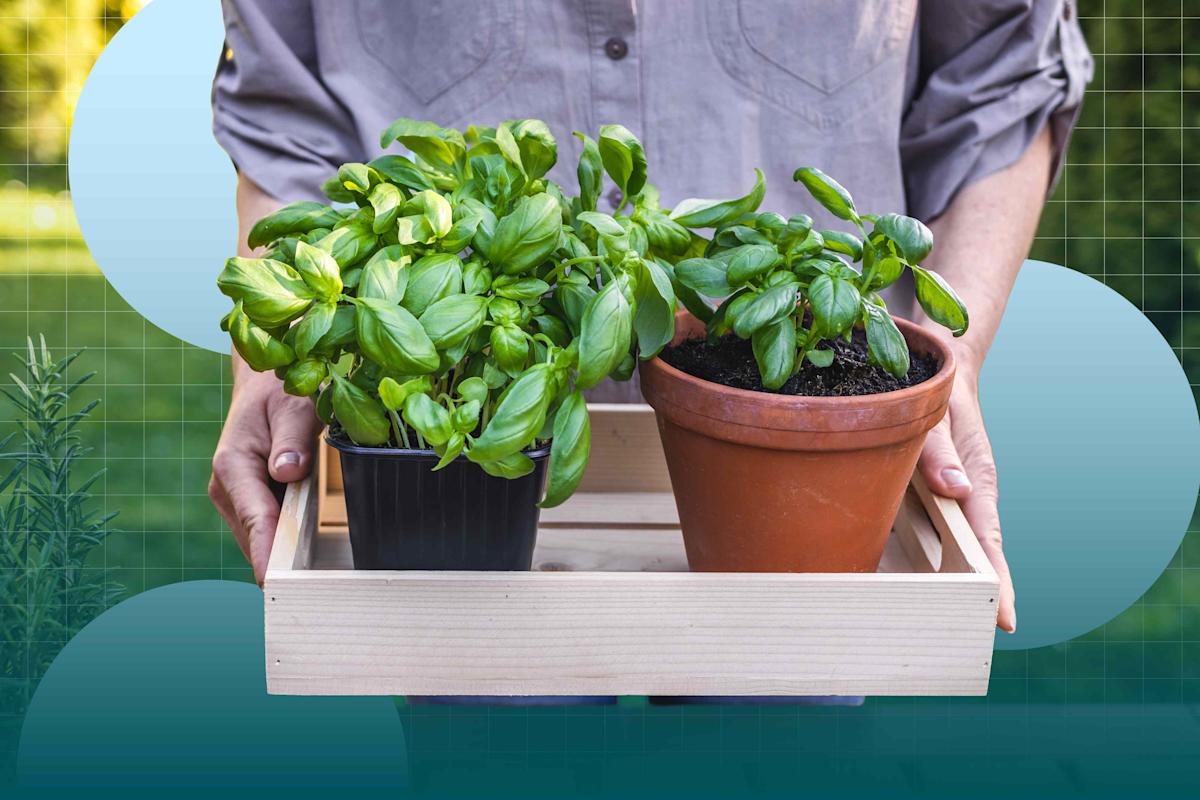
Everyone’s favorite summertime herb needs at least six hours of direct sunlight to thrive, so find a sunny spot outdoors for this one if you can. If not, consider placing an indoor basil plant under a full-spectrum grow light for eight to 12 hours each day. Use a well-drained potting mix and water it often enough to keep the soil evenly moist but not soggy. Wait until plants are at least 6 inches tall to begin harvesting sprigs of basil to add to pasta sauces, salads, veggie dishes and more.
Parsley
With its refreshing, clean taste and vivid green color, parsley is so much more than a garnish. (In fact, flat-leaf parsley is often preferred for cooking because it offers more flavor and aroma than the curly variety.) Parsley makes an excellent addition to tabbouleh, hearty soups, vinaigrettes, fish dishes and roasted meat recipes. If you have outdoor space, this versatile herb can be grown in full sun to part shade (four to six hours of direct sunlight per day) or in a bright, sunny south-facing or west-facing window in your home. Avoid harvesting more than one-third of plant growth at once. Because this plant is biennial, it’ll go to seed the second year and need to be replaced.
Cilantro
Outside of the gardening season, the herb I buy most often is cilantro. With its invigorating aroma and role in many different global cuisines, it’s a versatile addition to any herb garden. But unlike basil, which thrives in hot, sunny weather, cilantro is a cool-season herb, so outdoor plantings will likely bolt and go to seed once temperatures warm up in late spring or early summer. Start seeds indoors in early spring and give plants at least six hours of direct sunlight each day. Cut sprigs of fresh cilantro to use in salsas, curries, dressings, seafood dishes, tacos and wraps.
Chives
Unlike parsley or cilantro, store-bought chives are often only available as a few sad stems in a tiny plastic container. If you grow your own chives, though, you can enjoy an abundant supply of their mild, oniony shoots as well as another colorful ingredient you can usually only find at the farmers’ market: purple chive blossoms, which make a flavorful addition to spring salads and can be used to infuse their pleasant flavor and a pale pink color into white-wine vinegar. For indoor growing, put chive plants in a bright, sunny south-facing window that gets lots of sun, or keep them under a grow light for eight hours each day. Plants are most likely to flower outdoors with at least eight hours of direct sunlight. Snip off shoots to garnish egg dishes, meats and veggies before serving, or use them to add flavor and color to baked potatoes, dips and soups.
Mint
If you’ve tried gardening and your attempts didn’t succeed, I urge you to try again with mint, a herb that’s nearly impossible to kill as long as you give it some semblance of the proper care and conditions. Plant fast-growing mint in a pot that’s at least 10 inches wide. If you do have space outdoors, it’s still a good idea to keep it in a large container—mint’s vigorous root system spreads easily and will take over your yard. Keep plants outdoors in a spot with at least four hours of sun each day or in your brightest, sunniest window inside. Harvest mint to use fresh in salads, desserts, drinks and dips, or hang bunches to dry in a cool, dark place indoors to enjoy as tea.
Our Expert Take
Fresh herbs are one of the easiest ways to get started with gardening, even if you don’t have a yard—or any outdoor space at all. Start with tender herbs like parsley, cilantro, chives and mint that can grow well with as little as four hours of direct sunlight each day. Basil is also quite easy to grow, but it needs at least eight hours of sun and hot, summer weather to thrive. Harvest fresh herbs to add vibrant flavor, essential vitamins and antioxidants to a variety of recipes, from drinks to dinners to dessert.
Advertisement
Advertisement
Read the original article on EatingWell
Comments are closed.