
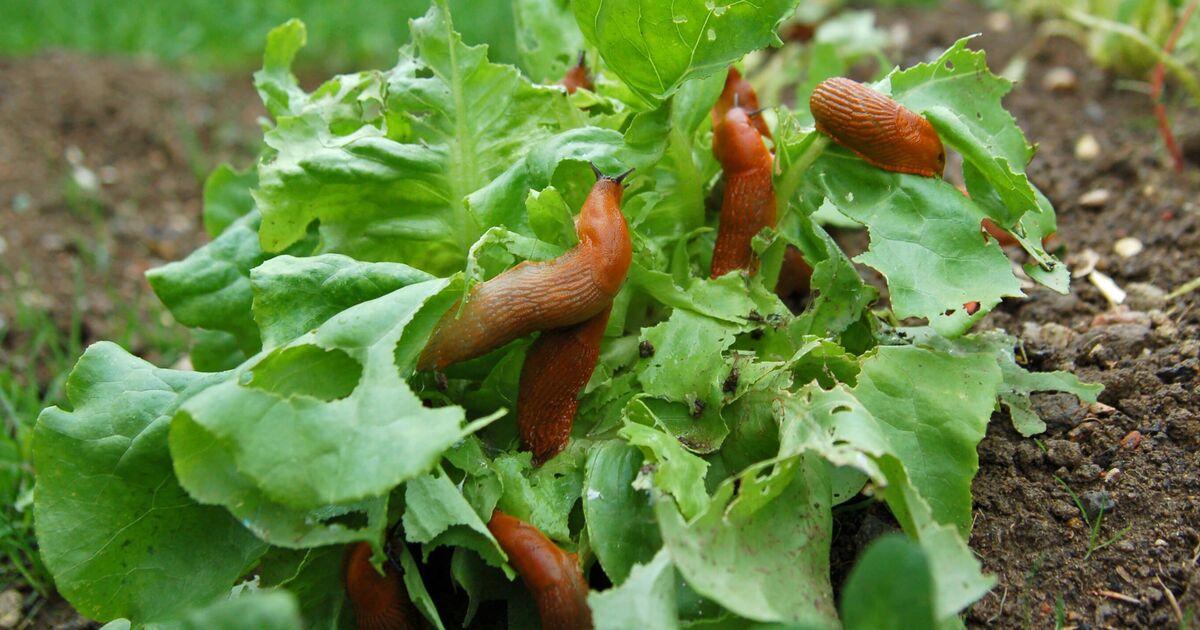
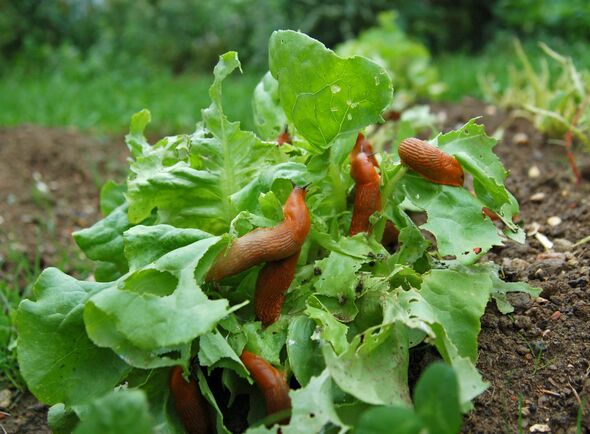
Slugs can cause havoc in gardens (Image: tepic via Getty Images)
An expert UK gardener has shared an inexpensive way to save and protect your plants from slugs this spring. Right now, gardeners across the country are eagerly preparing their outdoor spaces for the season ahead and the sunny months to come, but when it comes to seedlings and vegetable growing, slugs can be a real pain.
Springtime brings in the growing season, but with it several challenges for gardeners, such as unpredictable weather, undesirable soil conditions, and emerging pests such as slugs or snails, especially after a downpour. Ellen Fletcher, an expert gardener from MyBuilder.com, said that more gardeners are turning to natural, cost-effective solutions like sheep’s wool to give their plants the best possible start to spring. It’s one of the “tried and tested gardeners’ products to tackle these challenges”. Sheep wool is a multipurpose natural material that is an all-in-one solution, acting as a sustainable fertiliser – and it’s a slug deterrent.
READ MORE: Gardeners are being urged to sprinkle cayenne pepper around gardens in May
READ MORE: Gardeners urged to place common food in the garden to attract wrens this spring
This affordable and practical solution for gardeners averages around £10-£12 for a full fleece of raw sheep’s wool, and for half, around £6.
It can be purchased online in a wide range of places, or you can even ask a local farmer. You can also buy it in pellet form, should you wish to make an easy switch from slug pellets.
Ellen, from MyBuilder.com, a go-to website for customers wishing to hire “reliable” tradespeople, has explained why this product works at repelling slugs.
She said: “Spring is here, and millions of gardeners are getting ready to roll up their sleeves and get to planting for the summer season. An issue for many is slugs and snails, but wool has the ability to act as a barrier, which copper tape, egg shells, and coffee grains aren’t able to do. The lanolin in the wool keeps them away, making it a simple and natural way to protect plants.
“Sheep’s wool isn’t just cost-effective, it serves a variety of purposes in the garden, since it decomposes and releases its natural benefits over time. It’s also an environmentally friendly alternative to synthetic products and fits in perfectly with the growing demand for greener gardening methods.”
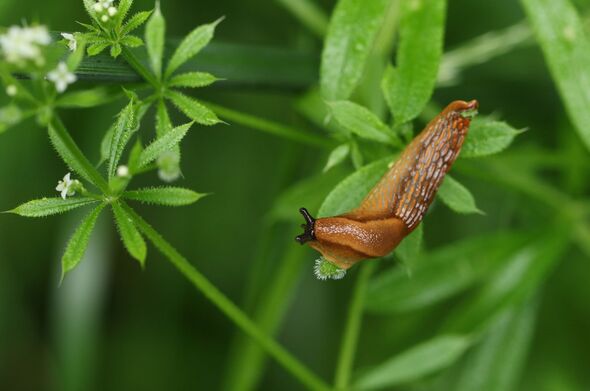
A slug on a leaf – these garden pests can cause no end of damage (Image: Getty Images)
The multiple functions sheep’s wool performs, according to MyBuilder.com:
Fertiliser
Sheep’s wool acts as a slow-releasing natural fertiliser by gradually breaking down the soil. As it decomposes, it releases valuable nutrients which all contribute to the plant’s healthy growth. Due to its slow breakdown, it provides a steady intake of nutrients over time, not a quick burst, reducing the risk of the plant being overfed.
Mulch
A natural mulch that, when put around plants, suppresses weeds due to protection from sunlight, making them unable to germinate, while also acting as the only effective natural barrier that deters pests such as snails and slugs due to the lanolin in the wool.

Slug deterrent advice from Ellen Fletcher, an expert gardener from MyBuilder.com (Image: MyBuilder.com)Regulates
Sheep’s wool has great insulating properties, allowing it to regulate the soil temperature throughout the whole year. In the colder months, it retains warmth in the soil, protecting the plants from frost damage. In the summer, it stops the plants and soil from overheating. Due to its regulating functions, it creates healthier roots and plant growth.
Soil Structure
Fibres from the wool improve soil structure and increase soil porosity and aeration, allowing air and water to move freely through the soil. Improved aeration supports beneficial microorganisms and earthworms, both of which contribute to the overall soil health.
Water management
Wool acts as a sponge, retaining a large amount of water, keeping plants hydrated as it slowly releases this stored moisture back to the plant root during dry periods, helping maintain consistent hydration. Reduces the need for frequent watering and improves plant resistance during hot weather conditions.
Comments are closed.