
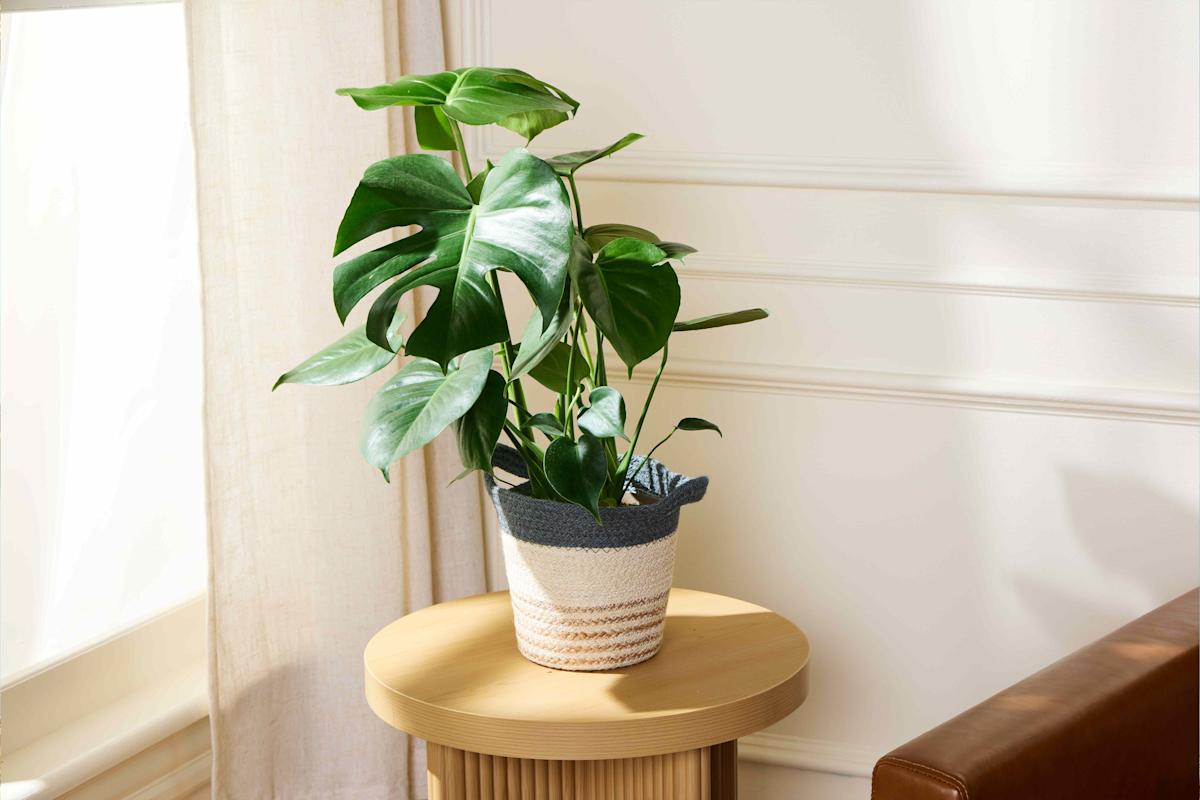
Not everyone has a natural talent for gardening. Those who don’t have a green thumb are often stumped about what they can plant—fortunately, there are a few houseplants that even beginners can successfully grow.
These beautiful plants are very low-maintenance yet still look great. They’ll give guests the impression that you really do have a knack for gardening—all without you having to fuss over a finicky plant. Here, we spoke with experts about some easy-to-grow types.
Meet Our Expert
Shane Pliska, president and CEO of Planterra
Samantha Adler, owner of Houseplant Concierge
Related: 17 Houseplants That Can Thrive for Decades, From Snake to Philodendron
Advertisement
Advertisement
01 of 08
ZZ Plant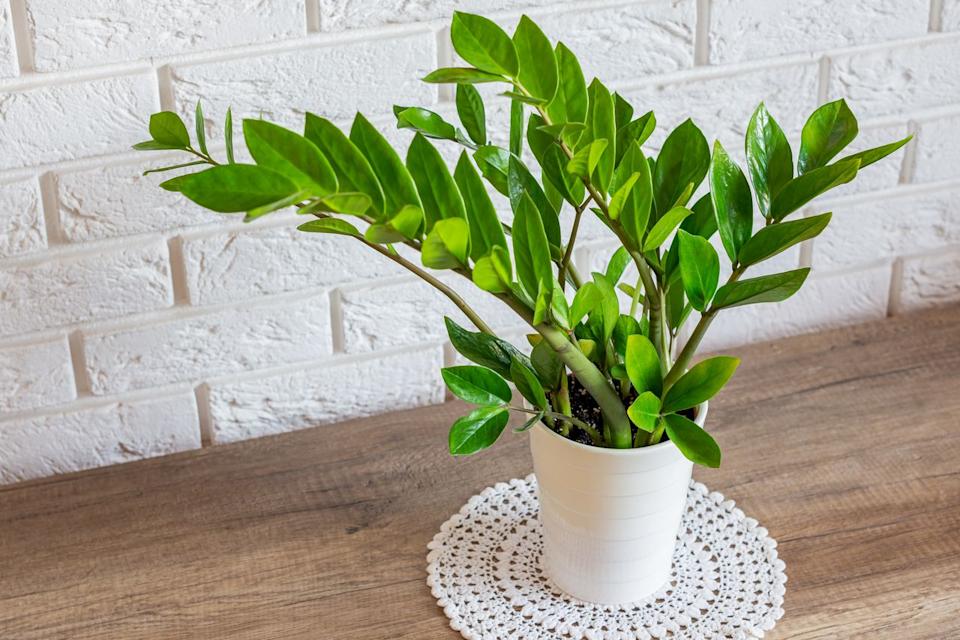
Credit: Damian Pawlos / Getty Images
ZZ plant (Zamioculcas zamiifolia) is perfect for those who may struggle in the garden. “It’s elegant, nearly indestructible, and the equivalent of someone who wakes up looking put together,” says Shane Pliska, president and CEO of Planterra.
Its beautiful, waxy leaves will look polished even if you haven’t touched the plant in weeks, he says. It’s forgiving of missed waterings, can tolerate lower light, and handles dry indoor air well. In other words, the ZZ plant is worry-free.
Size: 2 to 3 feet tall x 2 to 3 feet wide
Care requirements: Low to bright, indirect light; well-draining soil
02 of 08
Pothos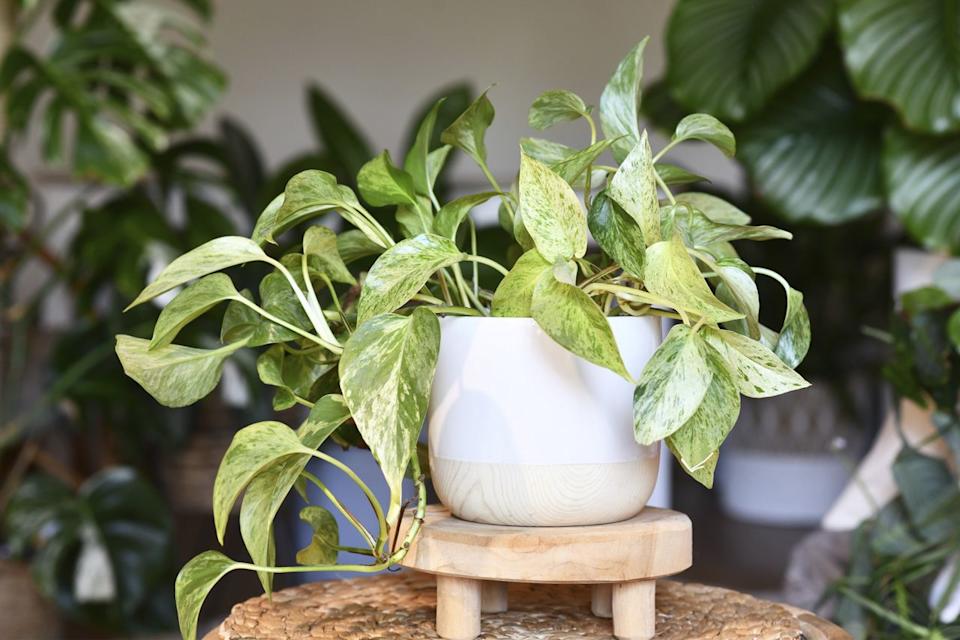
Credit: imageBROKER/Firn / Getty Images
Pothos’ (Epipremnum) lush, winding leaves are sure to impress your guests. You can even grow them so the vines wind up your shelves and bookcases. It’s also a very low-maintenance plant.
Advertisement
Advertisement
“You can basically cut them anywhere along their stem, throw them in water or soil, and they will grow roots,” says Samantha Adler, owner of Houseplant Concierge.
Pothos isn’t picky. It can thrive with lots of sun or minimal sun, she says.
Size: 10 to 20 feet long x 6 to 12 inches wide
Care requirements: Low to bright, indirect light; well-draining soil
Related: How to Water Pothos the Right Way (So It Thrives for Years to Come)
03 of 08
Monstera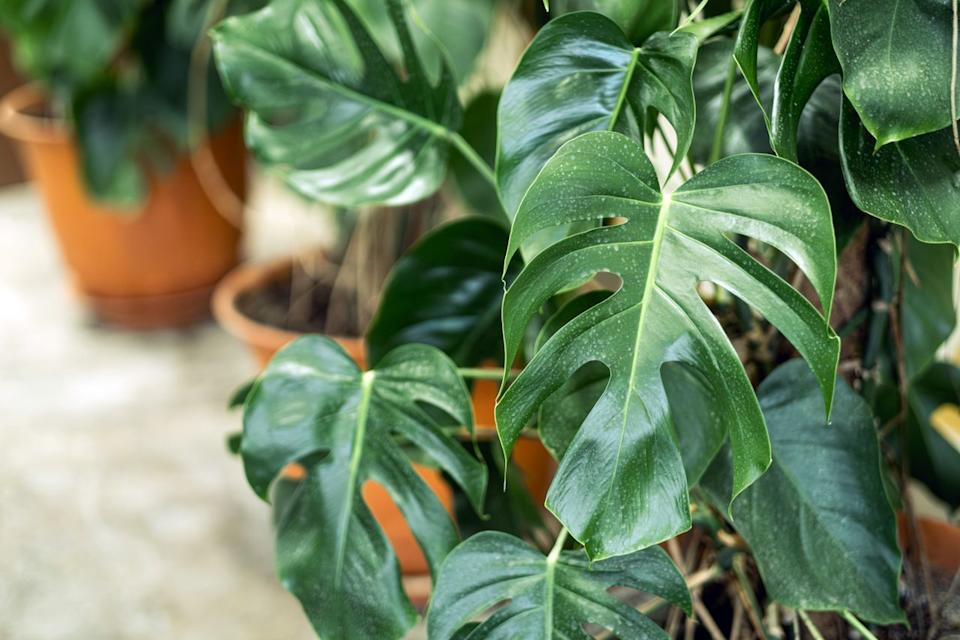
Credit: Elvira Kashapova / Getty Images
Monstera’s (Monstera deliciosa) big, beautiful leaves make a real statement in a room, putting on a show that will make people think you’re a seasoned gardener. In reality, it’s a plant that’s very easy to grow, even for novices.
“Their bold, sculptural look instantly makes interiors feel curated and design-forward,” says Pliska. He recommends giving them space to grow—they’ll tolerate medium light, but will thrive in full light. Keep the soil moist by watering it weekly.
Advertisement
Advertisement
Size: 10 feet tall x 6 feet wide
Growing conditions: Low to bright, indirect light; well-draining soil
04 of 08
Snake Plant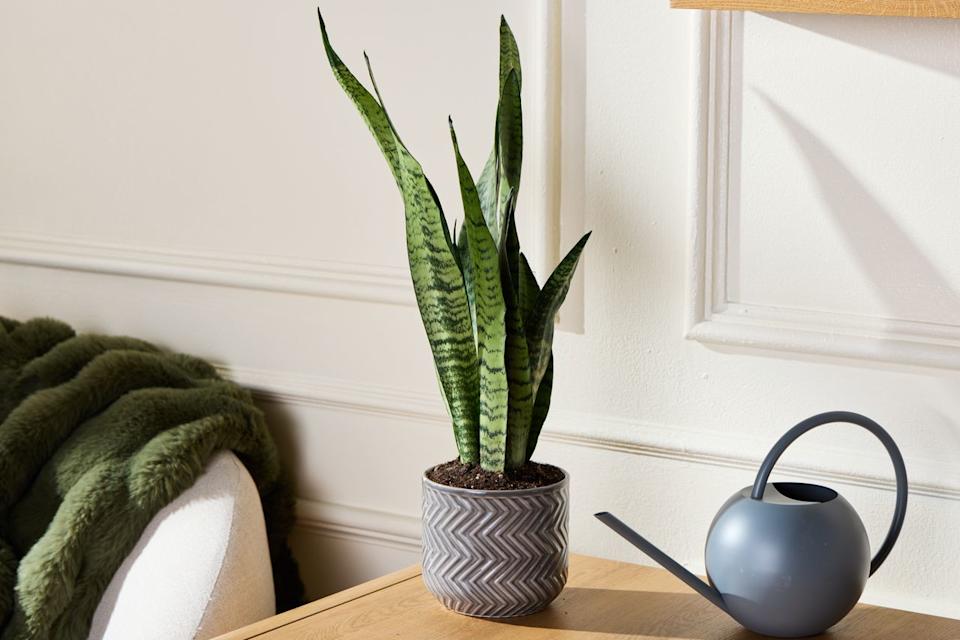
Credit: Alex Huang
Advertisement
Advertisement
Snake plants (Dracaena trifasciata) are the easiest houseplants to grow for non-plant people, according to Pliska. They tolerate drought, low light, and inconsistent care very well.
“So if you’re busy, distracted, or forgetful, this plant is for you,” he says. He recommends a cultivar like Fernwood or Dwarf Moonshine for a real design statement. Just make sure you don’t overwater it!
Size: 6 to 48 inches tall x 6 to 12 inches wide
Care requirements: Low to bright, indirect light; well-draining soil
05 of 08
Aloe Vera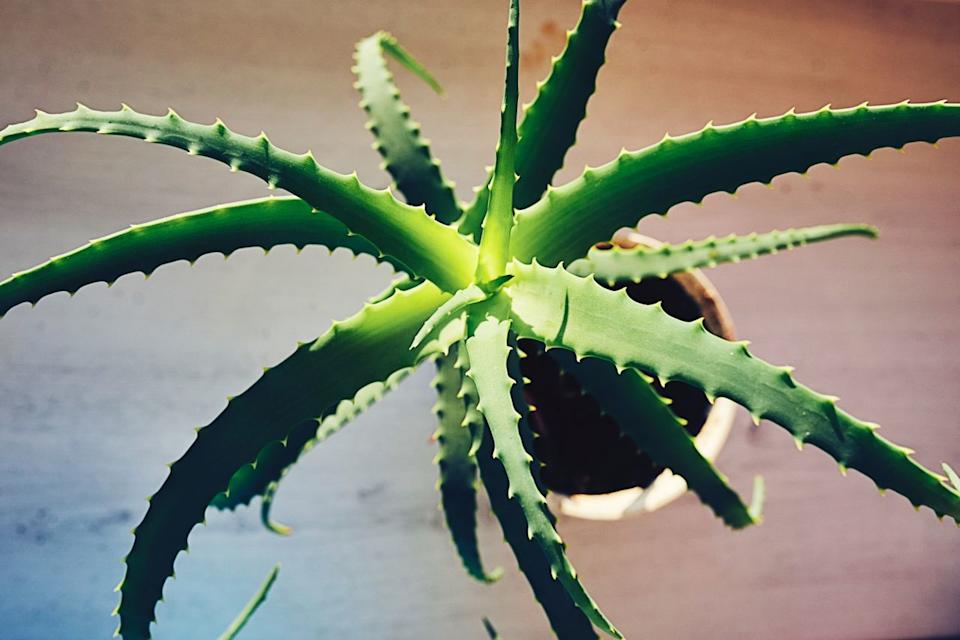
Credit: Ekaterina Goncharova / Getty Images
Aloe vera (Aloe barbadensis miller) is part houseplant, part first-aid kit, says Pliska. It prefers bright light, so place it in a sunny kitchen window where it will thrive.
Allow the soil to dry out completely between waterings—overwatering is the biggest mistake people make with aloe vera. “It prefers to be neglected instead of drowned with overwatering,” he says. “Make sure it’s in a pot with good drainage.”
Advertisement
Advertisement
Size: 12 to 36 inches tall x 6 to 12 inches wide
Care requirements: Full light; sandy soil
06 of 08
Spider Plant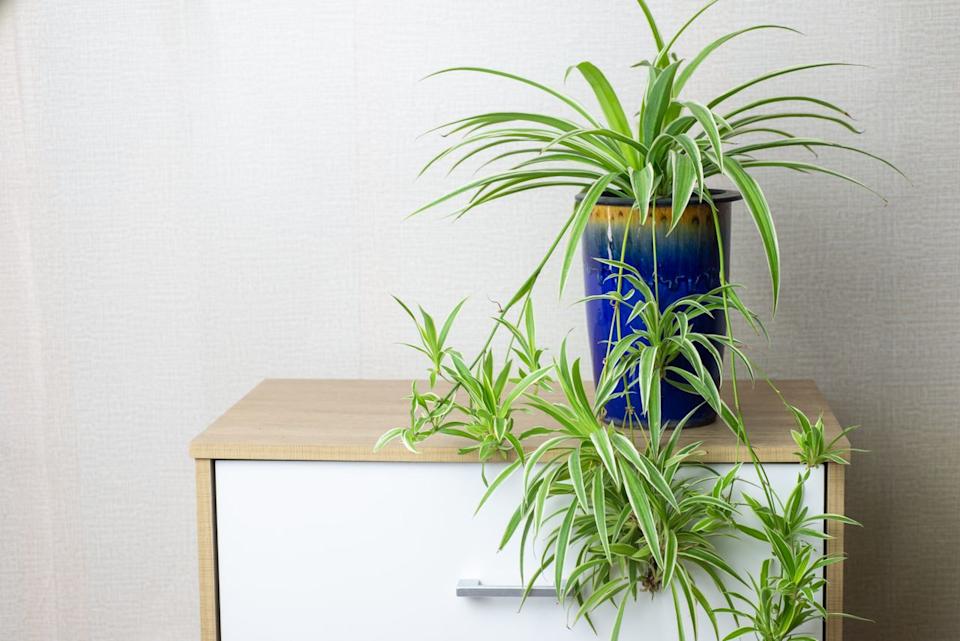
Credit: M.photostock / Getty Images
Spider plants (Chlorophytum comosum) look striking on a desk or hanging from the ceiling. It’s easy to grow more of them, too: “They produce little plantlets all the time,” says Adler. “Just cut off the plantlet and throw it in water or soil, and you have a thriving new spider plant.”
Since they grow so quickly, you’ll soon have a whole collection of spider plants. Even if you’re a beginner, it shouldn’t be a problem—spider plants tolerate varying levels of light and watering.
Size: 1 to 2 feet tall x 1 to 2 feet wide
Care requirements: Low to bright, indirect light; well-draining soil
07 of 08
Peace Lily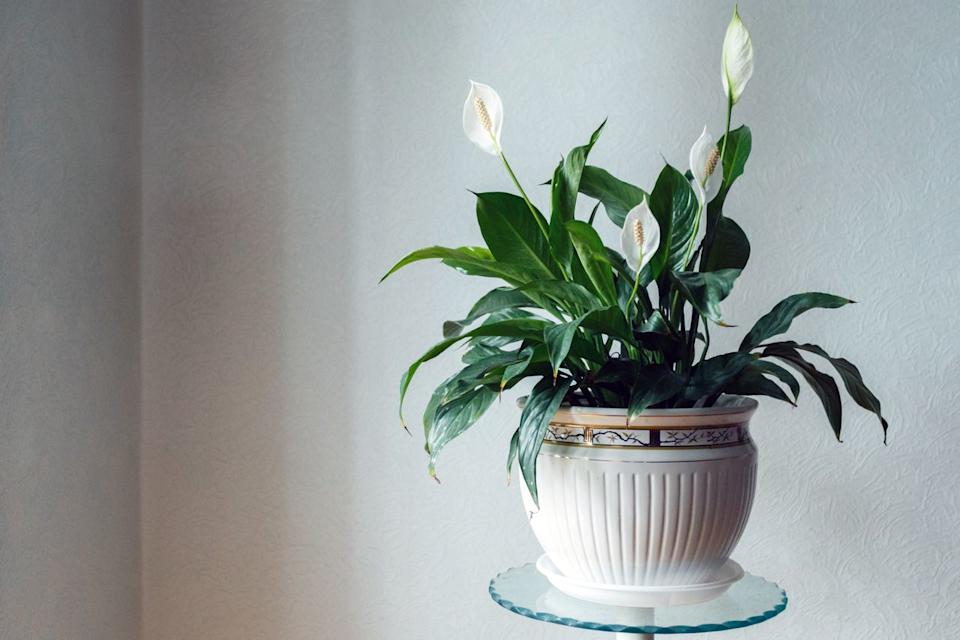
Credit: OksanaRadchenko / Getty Images
Few houseplants put on a show quite like peace lilies (Spathiphyllumi), which produce beautiful, elegant white flowers. Those blooms alone are sure to make people think that you’re a seasoned gardener.
Advertisement
Advertisement
“Getting a plant to flower is often a sign of someone with a good green thumb,” says Adler. However, in reality, peace lilies are easy to look after. “They can tolerate all different kinds of light—just be sure to give them good water,” she says.
Size: 1 to 4 feet tall x 1 to 3 feet wide
Care requirements: Low to medium, indirect light; well-draining soil
08 of 08
Coleus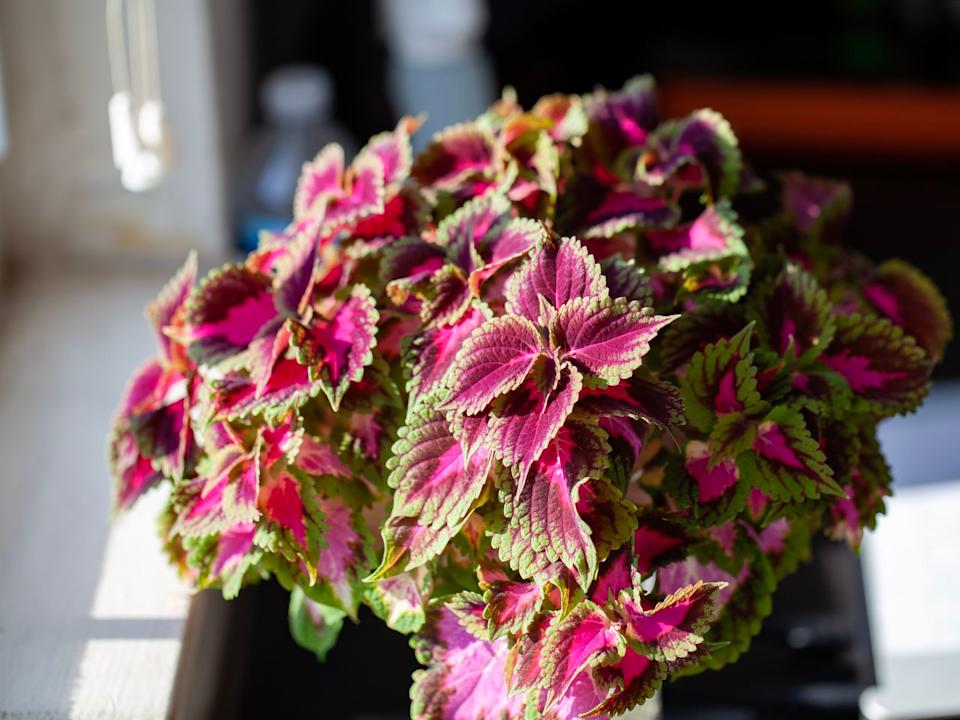
Credit: Ali Majdfar / Getty Images
Advertisement
Advertisement
Coleus is the splash of color that your home garden needs. Their red, pink, and purple hues will give the impression that you’re a seasoned gardener—even if the plants themselves are very easy to propagate.
“You just cut along the stem anywhere, remove the lower leaves, and drop it into some soil,” says Adler. “It roots and thrives quickly.” They tolerate different levels of light and will thrive in most conditions.
Size: 2 to 3 feet tall x 2 to 3 feet wide
Care requirements: Full to partial light; well-draining soil
Read the original article on Martha Stewart
Comments are closed.