
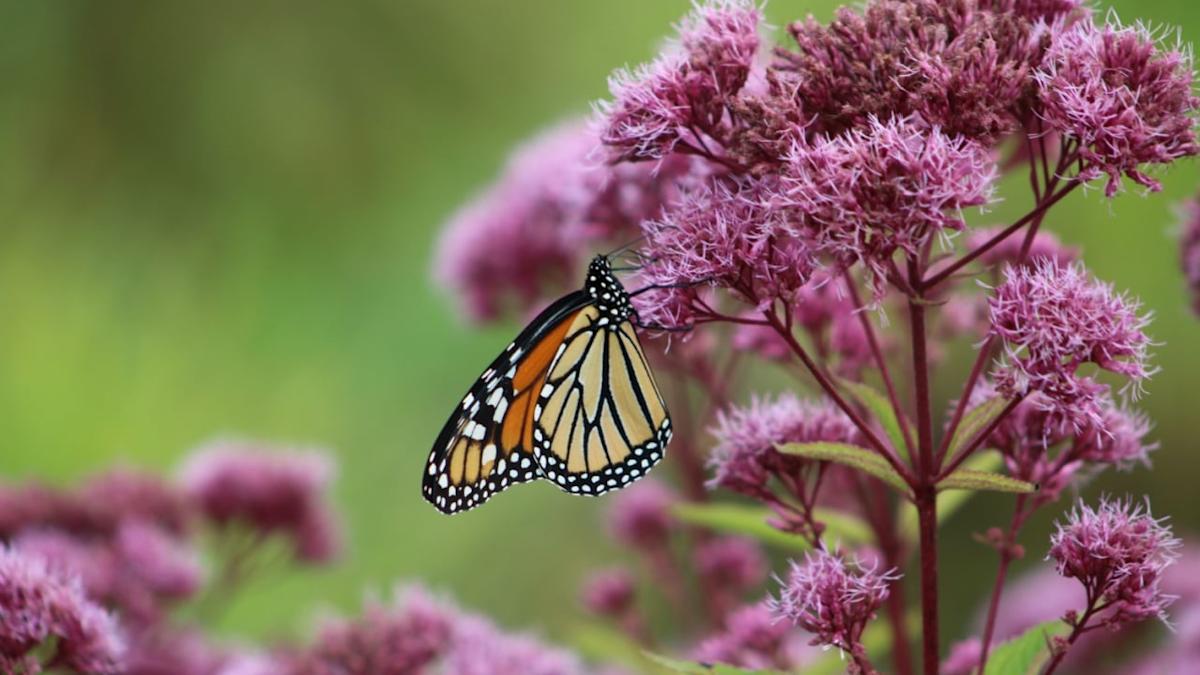
You have been watering them, deadheading them, dividing them, and replacing them after hard winters for years. And what have they given you in return? A beautiful garden for about six weeks, a stack of empty fertilizer bags, and a water bill that quietly climbs every July. The plants that fill most American yards were chosen for how they look on a nursery shelf in April, not for how they behave in August, or what they ask of you, or what they quietly cost.
The truth that experienced gardeners arrive at eventually is this: the most demanding plants in your yard are rarely worth what you pay to keep them. A well-chosen native alternative will give you the same color, the same texture, the same season of bloom, and then it will take care of itself. No fungicide, no weekly deadheading, and no emergency watering during a July heat wave. And in many cases, you can collect seeds at the end of the season and replant for free.
May is the window. Not June, not September: May. Native plants need time to establish their root systems before summer heat arrives, and a plant put in the ground this month will have everything it needs to sail through August without your help. Wait until July, and you are giving it a harder start than it deserves. The gardeners who swap early are the ones who spend their summer evenings sitting outside instead of watering.
Advertisement
Advertisement
Here are seven plants that are almost certainly costing you more than they are worth, and the native alternatives that do the same job, better, cheaper, and with decades less effort.
The High Price of “Pretty”: What These Plants Are Actually Costing You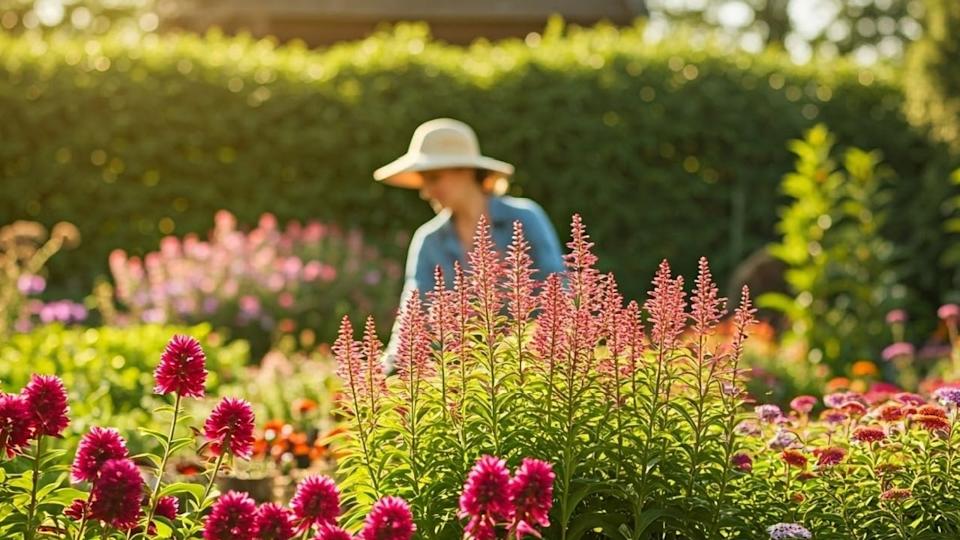
Image Credit: Shutterstock.
Before we get to the list, it is worth pausing on the math. According to the EPA, more than 30 percent of all household water use is for outdoor purposes, and half of that goes directly to watering lawns and gardens. For the average American family, the water bill runs about $78 per month, but households that water heavily can pay $123 or more. Switch those thirsty ornamentals for established native plants, and the EPA estimates you can cut outdoor water consumption by as much as 50 percent.
These are real savings that don’t even include the fertilizer you stop buying, the fungicide bags you stop hauling home from the hardware store, and the replacement plants you stop purchasing when something dies over winter. Gardeners who have made the full shift from high-maintenance ornamentals to native plantings frequently report saving $200 to $400 per season on supplies alone. As The Plant Native puts it, traditional lawns and ornamental gardens can take up to 24 times more maintenance hours than a comparable native planting.
1. Swap Petunias for Purple Prairie Clover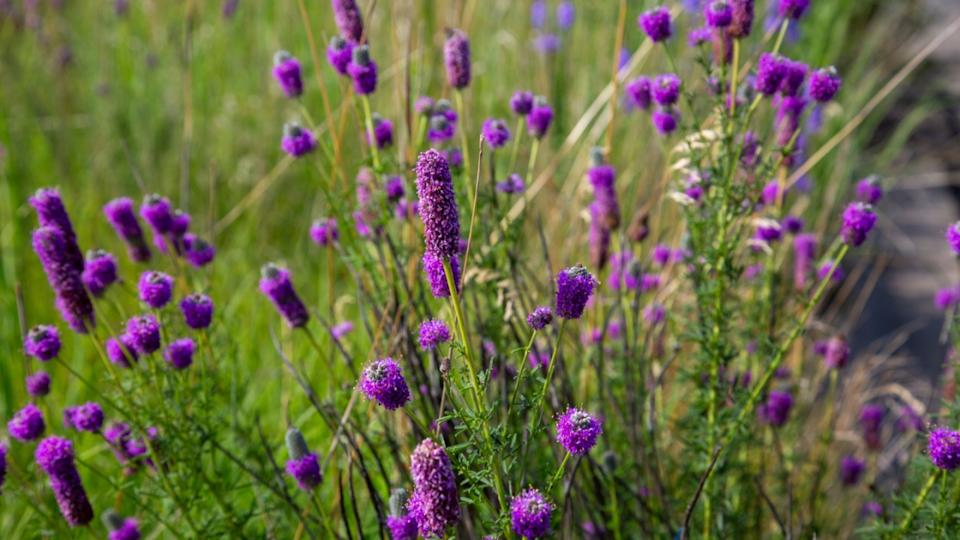
Image Credit: Shutterstock.
Petunias are charming, and nurseries sell them by the flat because they move product fast. They look gorgeous in the pot. They also require deadheading every few days through the growing season to keep blooming, continuous feeding, and consistent watering to avoid wilting. Skip a week of deadheading, and they turn leggy and stop flowering. Forget to fertilize, and they fade.
Advertisement
Advertisement
Purple Prairie Clover (Dalea purpurea), hardy in zones 3 through 8, asks for almost nothing in exchange for slender stems topped with vivid purple cylindrical flower spikes that open from the base upward like a slow-moving crown. According to Homes & Gardens, it thrives in full sun and lean, well-drained soils and holds steady through heatwaves that would send petunias into decline. Plant it once in May, and you can collect the seed heads in fall to replant for free next year.
2. Swap Hybrid Astilbe for Appalachian False Goat’s Beard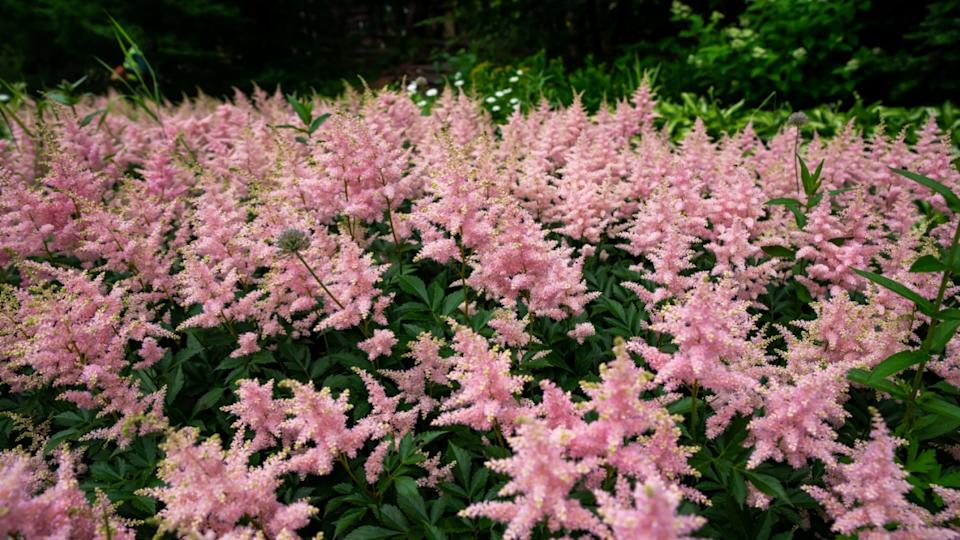
Image Credit: Shutterstock.
Walk into any nursery in spring and hybrid astilbe practically lunges off the shelves. The feathery pink plumes are genuinely beautiful.
What the tag does not mention is that hybrid astilbe requires rich, consistently moist soil, must be divided every four years to keep flowering well, and is prone to powdery mildew, fusarium wilt, and bacterial leaf spot. Let the soil dry out by even a small degree, and the foliage browns and crisps. Get the light slightly wrong and the whole clump sulks. As master gardener Susan Mulvihill notes in House Digest, high-maintenance perennials that do not suit your soil become “expensive and annoying very quickly.”
Appalachian False Goat’s Beard (Astilbe biternata) is the only astilbe truly native to North America, and it gives you the same tall, pyramidal, creamy flower clusters in partial shade with significantly more adaptability. It reaches up to 6 feet at the back of a woodland border, handles brief dry spells better than hybrid varieties, and adds yellow fall color after the blooms fade. Plant it in May and let it settle in before summer heat arrives.
3. Swap Butterfly Bush for Joe-Pye Weed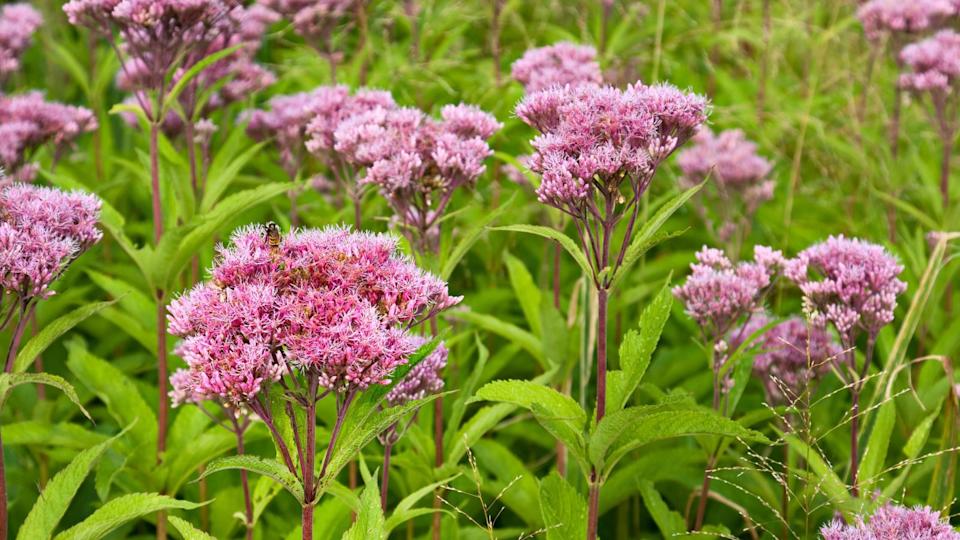
Image Credit: Deposit Photos.
Advertisement
Advertisement
Here is the uncomfortable fact about butterfly bush that nurseries rarely volunteer: it is classified as invasive or on a watchlist in several U.S. states, including Oregon, Washington, and parts of the Southeast. The sterile cultivars marketed as alternatives do not spread seed, but they also do not act as host plants for caterpillars, which means they attract butterflies without actually supporting them through their full life cycle.
Joe-Pye Weed (Eutrochium spp.) does both. According to Country Living’s review of Elise Howard’s book Plant This, Not That, Joe-Pye Weed provides nectar for native bees, butterflies, and other insects while hosting moth caterpillars, and it is deer-resistant to boot. It blooms in late summer through early fall with showy pink or mauve flowers, reaching up to 8 feet in sun to part shade. When most of your garden is finished for the season, Joe-Pye Weed is just hitting its peak.
Before purchasing more butterfly bush this spring, check your state’s invasive species list; you may already be planting something your county would prefer you not.
4. Swap Oriental Poppies for California Poppy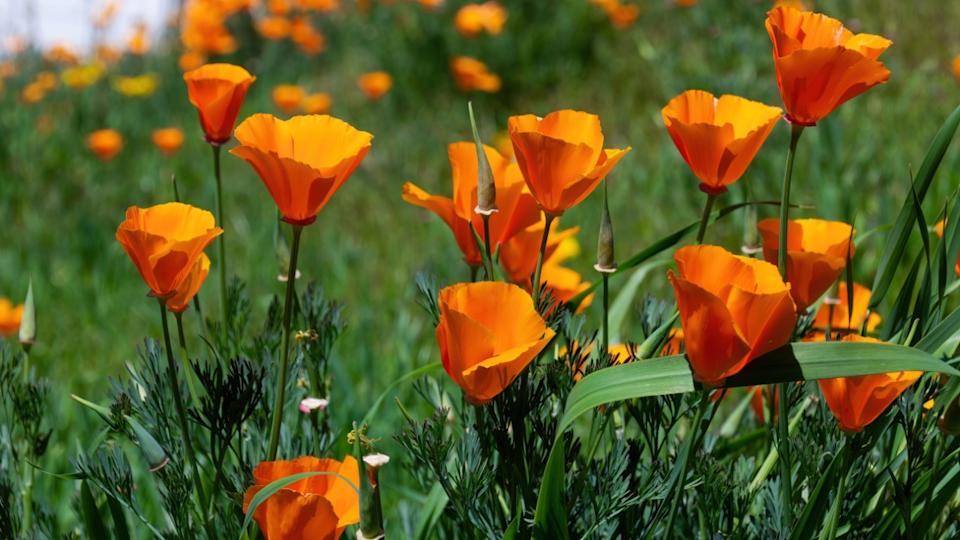
Image Credit: Shutterstock.
Oriental poppies offer spectacular drama for about two weeks. Then they vanish entirely, leaving an awkward gap in your border right as summer is ramping up. You fill the gap with annuals, buy more of them, and water them through July. It is a cycle that costs time and money every year without offering anything permanent.
Advertisement
Advertisement
California Poppy (Eschscholzia californica), hardy in zones 6 through 10, blooms in silky shades of orange, gold, and cream, thrives in poor dry soils, and self-seeds freely, meaning it returns year after year without any intervention from you. As Homes & Gardens notes, it is perfectly attuned to summer’s demands. Collect the seed heads in fall, and you have next year’s planting for free. Scatter a handful in a new spot, and it will establish itself without watering. Few plants deliver this much return on so little investment.
5. Swap Foxglove for Cardinal Flower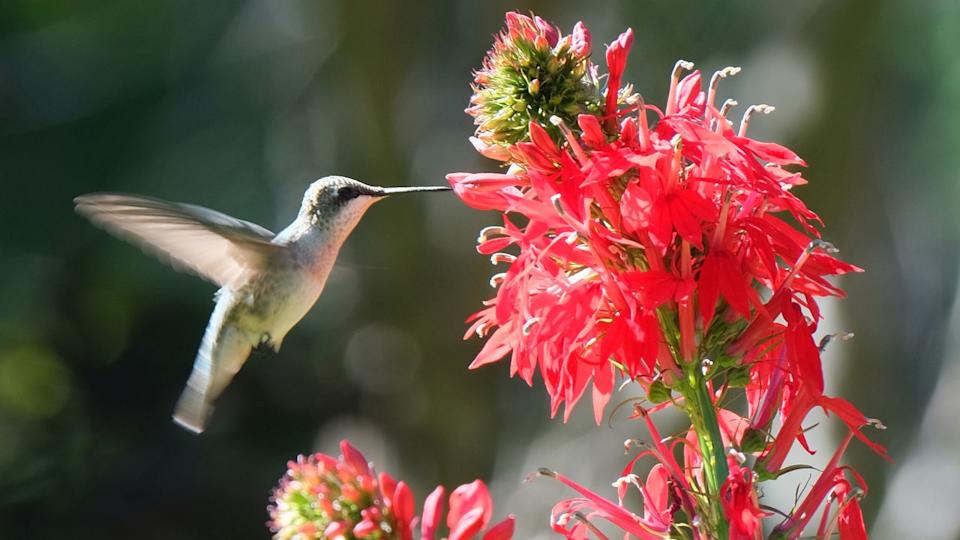
Image Credit: Shutterstock.
Most gardeners know foxglove as a cottage garden classic: tall, architectural, and undeniably romantic. What the nursery tag rarely mentions is that it is also a short-lived perennial that demands rich, consistently moist soil, regular staking, and deadheading to extend its bloom. In colder zones, it often behaves as a biennial, meaning you are essentially starting over every two years. For all that effort, you get a single flush of blooms and a plant that declines quickly once flowering is done.
Cardinal Flower (Lobelia cardinalis) earns its place in the same shady or part-shade spot with far less intervention. It produces blazing scarlet spikes from midsummer into fall, precisely when most other shade plants have finished, and hummingbirds will find it within days of planting. Cardinal Flower thrives in moist to average soils, spreads gradually on its own, and returns reliably year after year once established.
Swap it in May, when soil temperatures are warm, and roots can settle in before summer heat arrives, and you will have a low-effort focal point that outperforms foxglove on every measure except fussiness.
6. Swap Non-Native Ornamental Shrubs for Elderberry or Buttonbush
Image Credit: Shutterstock.
Most of the common landscaping shrubs sold at American nurseries are native to Japan, China, or Africa: spirea, boxwood, forsythia, aucuba, euonymus, and more. As one longtime native plant gardener describes in Nurture Native Nature, these shrubs are overwhelmingly pedestrian from a wildlife perspective; they offer temporary shelter at best and host almost no butterfly or moth species. Compare that to native elderberry, which supports hundreds of insect species, produces edible berries for birds and people alike, and requires far less maintenance after its first season in the ground.
Advertisement
Advertisement
Buttonbush (Cephalanthus occidentalis) is another high-value native shrub that tolerates wet conditions and produces unusual spherical white flowers that are magnets for pollinators. For gardeners who have spent years buying non-native shrubs that need annual shearing, fertilizing, or disease management, the shift to native shrubs feels, as one longtime gardener described it, like a welcome and unexpected gift.
May is the right time to plant container-grown native shrubs, giving them all of spring and early summer to establish before the August heat.
7. Swap High-Water Lawn Sections for Native Ground Covers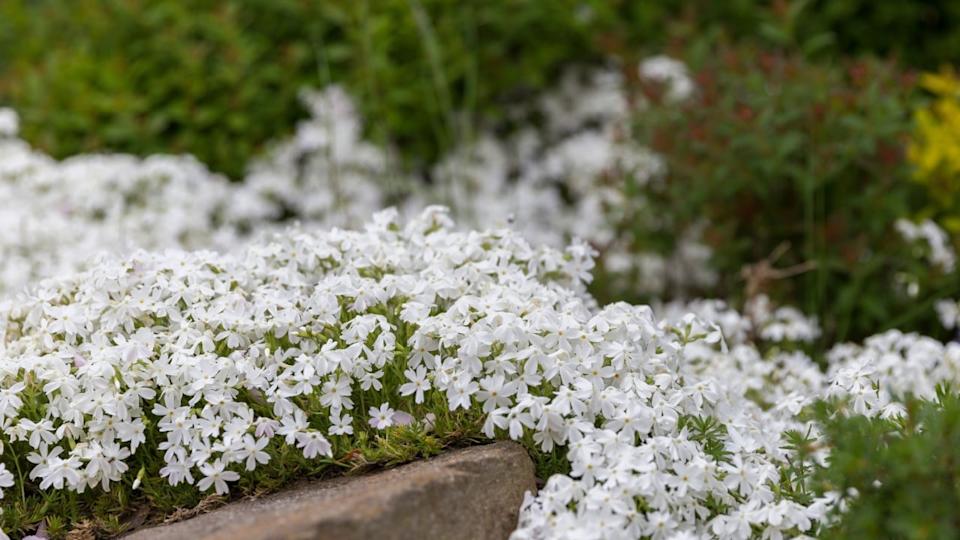
Image Credit: Shutterstock.
Advertisement
Advertisement
The section of your lawn that requires the most irrigation, typically a sunny, exposed area where grass thins out every summer, is the best candidate for a native ground cover swap. Creeping phlox (Phlox subulata), wild ginger (Asarum canadense), or green-and-gold (Chrysogonum virginianum) will fill the same visual role while slashing irrigation needs for that zone to almost nothing after establishment.
For gardeners in their 50s and 60s who are rethinking which parts of their yard are truly worth the effort, converting even 50 square feet of high-maintenance lawn edge to native ground cover is one of the highest-return changes you can make this May.
Start With One Swap This Weekend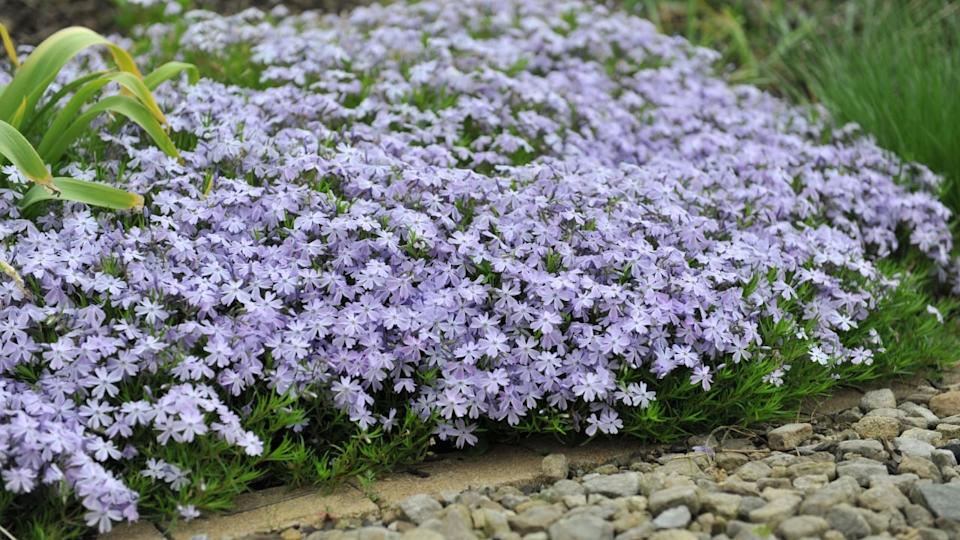
Image Credit: Shutterstock.
You do not need to rip out your entire garden this May. You need to make one swap. Pull out a flat of petunias and plant Prairie Clover instead. Stop buying astilbe every spring and put in a single Appalachian False Goat’s Beard where the light is right. Before next summer, that one plant will have established itself, expanded, and asked you for almost nothing.
The plants you have been tending year after year were sold to you at a moment when they looked irresistible. They have cost you water, fertilizer, weekend hours, and, in some cases, a vet bill. The native alternatives are out there, they are available this month, and they will reward you with a kind of low-effort beauty that your grandmother understood perfectly and that most modern gardeners are only now rediscovering.
Read more:
Why wildlife experts are telling people to take down their bird feeders
Advertisement
Advertisement
Plant these 10 companion plants with your tomatoes — and stop planting these 4
Want more articles like this one? Give us a follow on Yahoo
Comments are closed.