
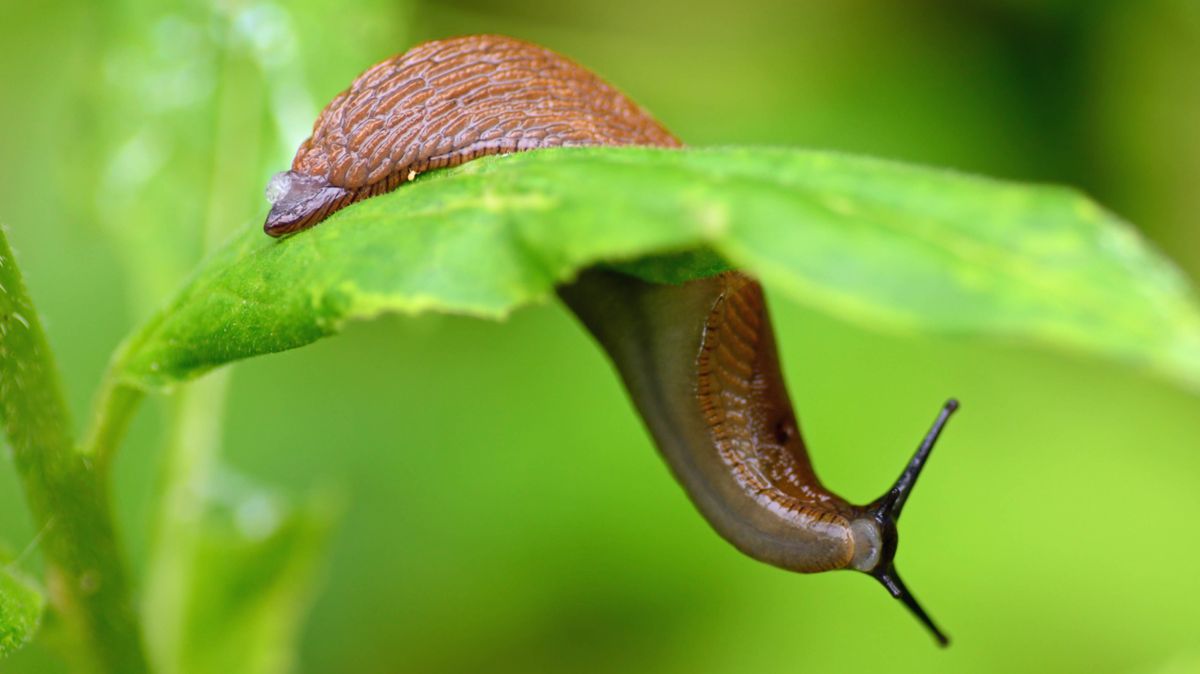
Slugs thrive in mild, damp spring conditions and can cause havoc on plants in May; however, little you may know, you can stop them eating your plants by placing a common item outside
12:24, 12 May 2026Updated 12:25, 12 May 2026
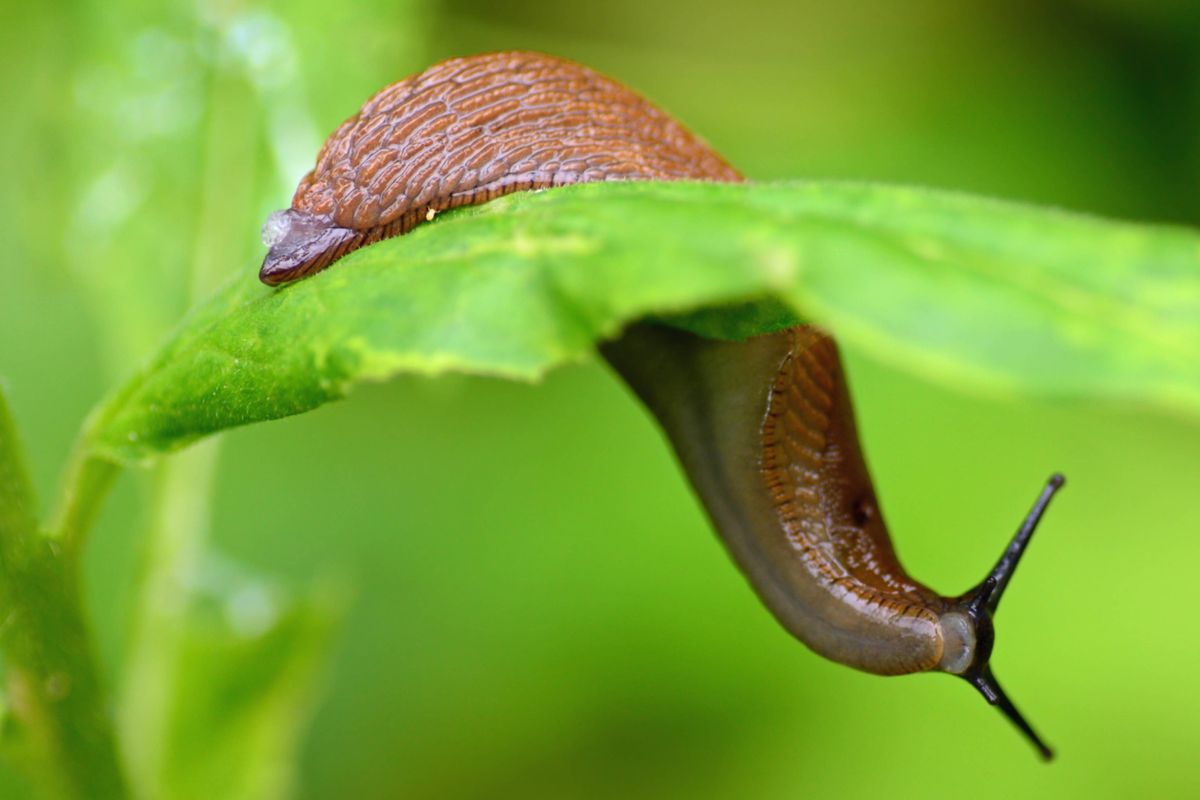
It can stop slugs eating plants (stock image)(Image: 49pauly via Getty Images)
Nobody wants slugs wreaking havoc in their gardens after spending countless hours perfecting them but there’s no cause for concern, as a straightforward item can help ward off these pests. May is prime slug season, as they flourish in mild, damp and wet conditions, making spring, especially May, a peak period for them to appear and damage young plants.
There’s no need to panic, though, as there’s an easy way to keep them away from your flowers and maintain a fresh-looking garden. Better still, you’ll only need a common household item to do the trick.
This isn’t the first piece of gardening wisdom to emerge either. It was previously disclosed that a natural item can help repel them too.
Senior Horticultural Content Manager at Fothergill’s, Pim Dickson, has shared some essential expert advice worth knowing. His tips are definitely worth heeding, as the brand enjoys thousands of followers on Instagram.
Pim said: “Slugs and snails are an important part of our ecosystem, but their ravenous appetites can cause havoc on plants and fresh new shoots in the spring and summer. Preventing them from entering the garden may be impossible, but there are many easy, natural steps you can take to reduce their numbers and make it less hospitable for them.”
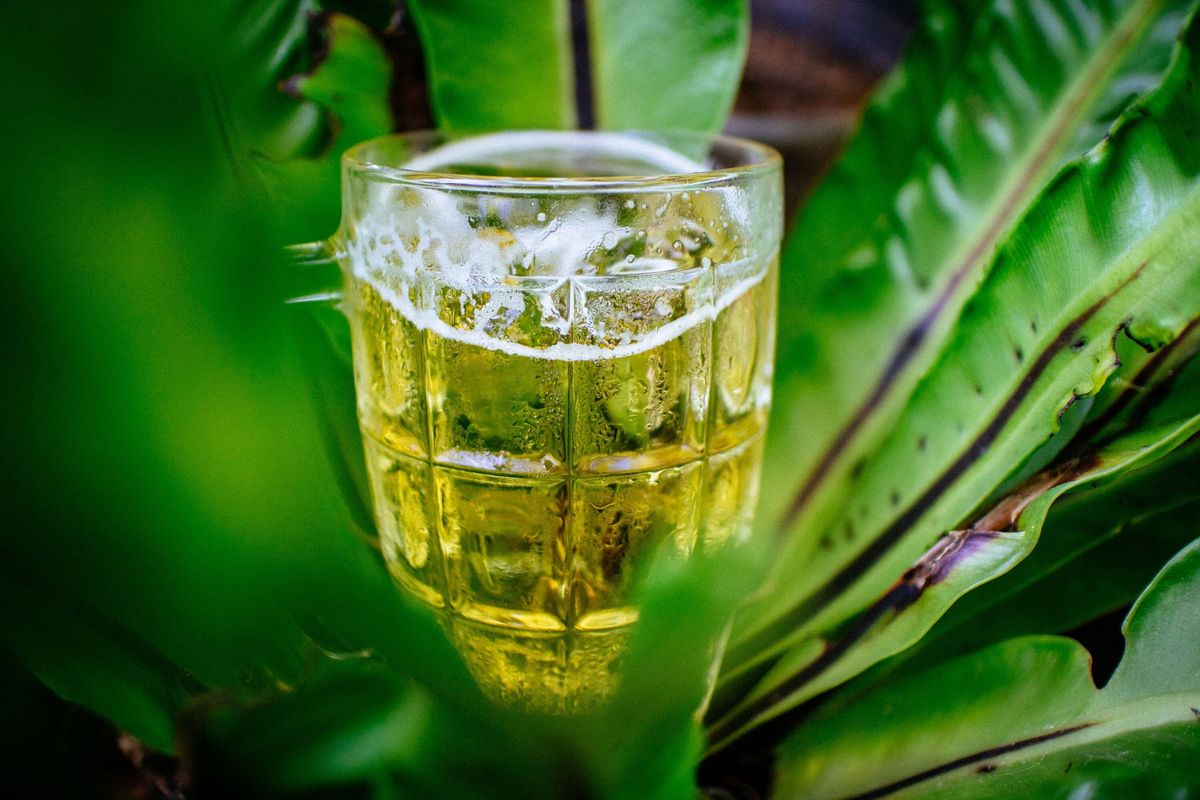
Beer could be the answer (stock image)(Image: Getty)
He continued: “The perfect time to get into the garden and collect slugs and snails is after an evening rain shower. In my garden, they will often congregate out on the lawn and become easy pickings.
“Collected in a bucket, they can then be disposed of humanely somewhere far away. It can be remarkably effective, and is the best alternative to using slug pellets.
“Be sure to wear gloves, though, as their mucus can be hard to wash off your hands. Traps can also prove highly effective; a jar half full of beer, buried up to its neck in the ground, works well – even better with a handful of oats mixed in it.
“Slugs and snails will be attracted and fall in, to be removed and humanely disposed of later. Another method for collecting them is to position half a grapefruit skin propped up on a stone.
“Slugs and snails will be enticed to gather beneath, and they can then be collected for removal. It is good practice to remove or reduce places for slugs and snails to hide, such as old pots and containers.
“Things leaning up against a fence, or that ‘out of sight’ pile of things you haven’t found a use for yet. Then thoroughly search those you want to remain, like patio pots.
“Placing pots on ‘feet’ will reduce their use as shelters for slugs and snails, with the added bonus of improving plant drainage.”
Why does it work?
You might be surprised to learn that placing beer in the garden can help keep slugs away from your plants. The reason is straightforward — slugs find it utterly irresistible.
It’s regarded as a popular and highly effective approach for tackling garden infestations. Slugs are attracted by the yeast and fermented aroma, which resembles rotting plant matter — one of their preferred food sources — and they frequently choose it over living plants.
This is precisely why gardeners have been encouraged to position beer outside. The yeast and sugars contained in the beer essentially entice slugs, causing them to tumble into a shallow vessel.
It’s understood that cheap, strong-smelling beers or stouts deliver the best results. That said, non-alcoholic beer proves equally effective since it’s the yeast that draws them in, rather than the alcohol content.
Simply pour the beer into a shallow container (such as a yoghurt pot) and sink it into the soil so the rim sits flush with the ground. These traps should be cleared out and topped up every two to three days.
Comments are closed.