
 3 min read
The spring and summer months are such an exciting time of year for gardeners: After months of preparation, consistency, and a little help from Mother Nature, you can finally witness the fruits of your labor. But along with colorful flowers and lush foliage, the warmer weather also brings fast-growing, unrelenting weeds, whose very presence can sabotage all your gardening efforts. “Weeds compete directly with your plants for water, nutrients, and sunlight, which stunts growth and reduces yields,” says John Ehrling, president of Garden Savvy, a garden design, planning, and tracking platform. “They also harbor pests and diseases that can spread to desirable plants.”
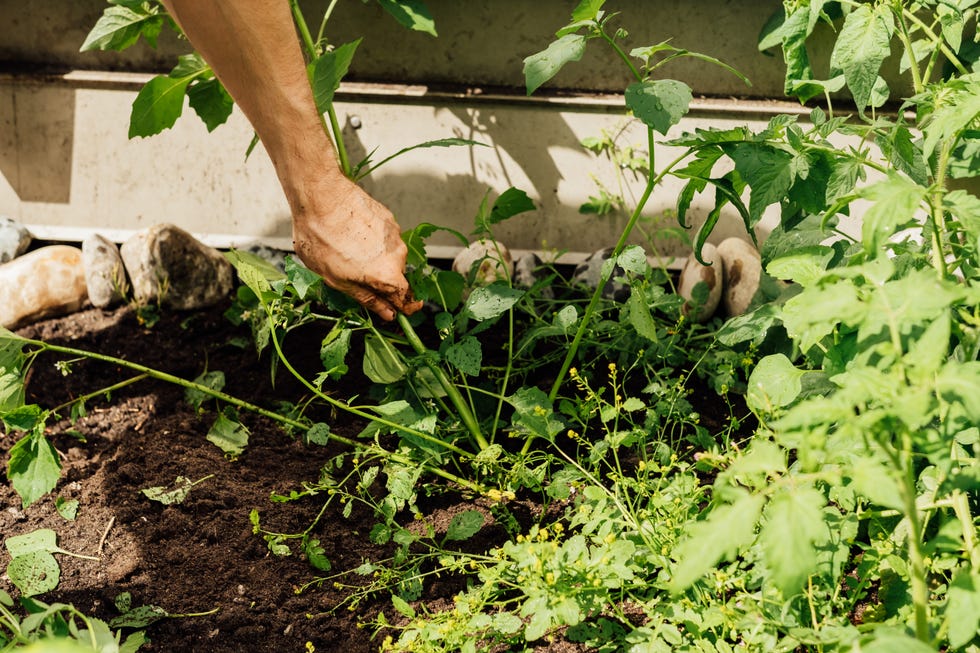
Because these invasive plants are pervasive and stubborn, taming them can be a frustrating process. Weeding is often the first approach, but it’s back-breaking work. Plus, it doesn’t always target the root of the problem. “Many have deep roots or spread underground, so even if you pull them, they often come back,” says Delaney Colant, social media specialist at North Carolina-based Triangle Lawn Care. Opting for a store-bought weed killer is another probable solution, and while it’s certainly a convenient one, spraying chemicals on your lawn isn’t ideal, either. A professional treatment plan is technically the most effective option, but it’s a big investment.
If you’re looking for an answer to all your weeding woes—one that doesn’t involve hunching over, promoting the use of pesticides, or dropping hundreds of dollars—the best DIY solution might be hiding in your kitchen pantry. We asked Ehrling and Colant to share the most successful DIY weed killer, and it’s surprisingly simple, affordable, and readily available. Here’s how to tame weeds using pantry staples—and keep them from coming back.
Redjina Ph//Getty Images
The Best DIY Weed Killer
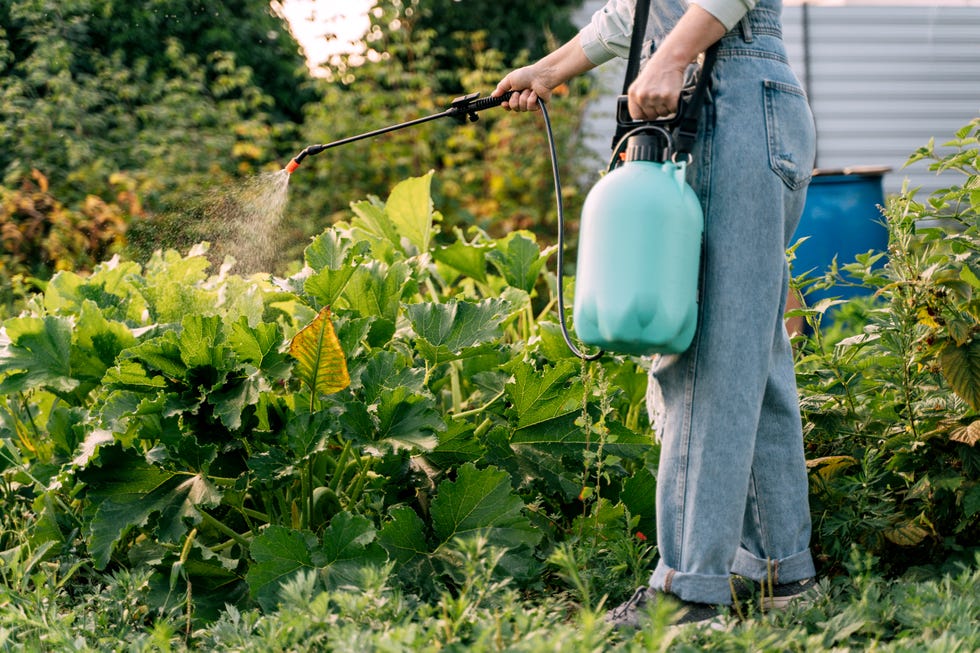
According to the experts, the most effective homemade weed killer (especially for weeds in your driveway or sidewalk), is made by combining one gallon of white vinegar, one cup of salt, and one tablespoon of dish soap in a spray bottle, mixing the ingredients until the salt has fully dissolved, Colant says. Once everything is combined, spray the DIY solution directly onto the weeds on a sunny day, according to Ehrling. While the acetic acid in the vinegar dehydrates the plant tissue, the salt prevents future growth, and the soap helps the solution bind to and penetrate the leaves.
Keep in mind that while this homemade weed killer effectively targets the visible part of the plant, the root system is left untouched, so it’s acts as a short-term solution. That said, since it provides great results without requiring much time, energy, or effort, in terms of temporary fixes, it’s pretty incomparable!
Tatiana Maksimova//Getty Images
How to Prevent Weeds from Coming Back
While a DIY weed killer is excellent for short-term control, it isn’t a long-term fix that prevents future growth. Here’s how to keep weeds from coming back:
Pull Them Early
Targeting weeds before they take root prevents them from spreading their seeds. Not to mention, pulling young weeds is much easier than pulling fully developed ones.
Wait for Rain
Right after rainfall is the best time to pull weeds. That’s because wet soil makes the job more efficient, and it helps eliminate the roots, not just the stems. “When the soil is moist, they come out roots and are much easier,” Ehrling says.
Apply a Thick Layer of Mulch
One of the best defenses against ever-growing weeds is applying a three-inch layer of mulch. “Adding mulch to garden beds helps block sunlight, which prevents weed seeds from growing,” Colant explains. Wood chips, bark, and straw are other equally effective alternatives to mulch.
Look to Landscape Fabric
For an even stronger safeguard, you can boost the effectiveness of mulch by adding landscape fabric or damp cardboard beneath it, which helps suffocate the weeds. “Using landscape fabric or cardboard under mulch in pathways creates a more permanent barrier,” Ehrling notes.
Maintain a Dense Yard
Another powerful way to prevent weeds? Grow densely populated garden beds. “Dense planting of desirable plants shades out weed seedlings,” Ehrling explains. When your beds are overrun by pretty plants, there’s isn’t much room for weeds to take over.
By spot-treating any pesky weeds with a DIY weed killer and following these long-term prevention tips, your garden will eventually become healthier, denser, and weed-free.
How to Tackle More Lawn Opponents

Lilly Blomquist is the associate editor at The Pioneer Woman, where she writes lifestyle stories across a wide range of topics—including news, entertainment, holidays, food, and more.
Comments are closed.