
The balcony as a small garden helps health
Medical Advice

Express newspaper
11/05/2026 18:31
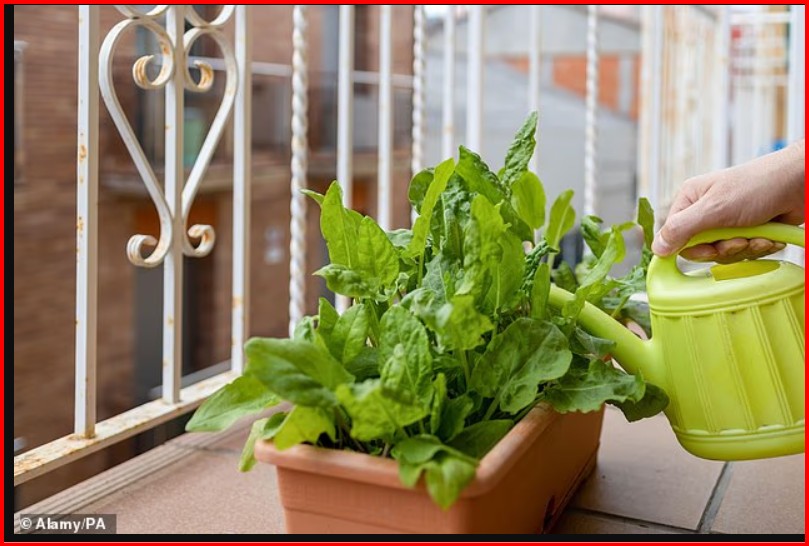
Turning your balcony into a small garden could have health benefits, a new study suggests.
According to research, balconies filled with greenery, flower pots, and climbing plants can significantly reduce levels of harmful air pollution coming from traffic, dust, and industrial processes.
Microscopic pollution, known as PM10, can penetrate deep into the lungs and has been linked to asthma, pulmonary disease and heart problems.
When researchers measured PM10 levels on balconies filled with plants and flowers, they were lower in 98 percent of cases, compared to bare balconies or those with only one or two pots.
Researchers from the University of Manchester said pollution levels exceeded World Health Organization limits 16 percent of the time on balconies without greenery. On balconies with vegetation, this was only the case 2 percent of the time.
Levels of other pollutants, such as nitrogen dioxide and ozone, were also slightly lower in half of the measurements taken on green balconies.
The benefits are not just related to the air. A green space in the heart of the city can create shade, reduce outdoor temperatures in the summer, and help residents’ mental well-being.
Dr. Andy Speak, who led the study published in the journal Urban Forestry & Urban Greening, said he hopes more people recognize the benefits of planting their outdoor spaces.
According to him, balconies give city dwellers the opportunity to connect with nature and bring a number of benefits for health and well-being. Data shows that green balconies are associated with lower concentrations of pollutants and cooler environments in the summer.
He also emphasized the importance of collective benefit. Even people who don’t have a balcony can benefit from the view of a greener neighborhood, as visual contact with greenery can positively affect mental health.
The study is the first to estimate how much space balconies take up in urban areas. According to the researchers, their combined surface area is equivalent to the size of Hyde Park in London.
However, the vast majority of balconies remain unused for greenery. The researchers found that 95.5 percent of them had nothing visible planted. Many of the green balconies had only one or two pots, while only 25 percent of their surface was actually planted.
On those balconies where greenery had taken up space, 152 different plant species were identified, from petunias, begonias and nasturtiums, to tomatoes, strawberries and clematis. /GazetaExpress/
Comments are closed.