
This article contains affiliate links; if you click such a link and make a purchase, we may earn a commission.
“Hearst Magazines and AOL may earn commission or revenue on some items through these links.”
The “Chelsea chop” may sound like some sort of Roaring Twenties dance, but it’s actually an incredibly useful pruning technique that can transform your garden. The Chelsea chop can keep some types of perennials tidy and flowering more profusely—though, we admit, it may feel a wee bit harsh the first time you do it. The technique is named for the prestigious RHS Chelsea Flower Show, which occurs in late spring around the same time you need to perform this pruning method.
“The main reason to do this on specific herbaceous perennials is to make them more compact to maintain a better shape throughout the season,” says Colin Kirk, the Marjorie G. Rosen manager of outdoor gardens at the New York Botanical Garden. “Essentially, you’re taking heading cuts which encourages the axillary buds to emerge laterally, which translates to more flowers.”
The catchy-sounding term isn’t new: It’s been around forever, though it may have gained traction in recent years because of social media. “It’s a nice alliterative term, but it’s actually been done by gardeners for years,” says garden educator and historian Jenny Rose Carey, author of The Essential Guide to Bulbs and The Ultimate Flower Gardener’s Guide. “It’s not recommended for every plant, but is best for those vigorous perennials—often those that bloom in fall—that tend to flop over in your garden.”
Ahead, read on to learn more about the Chelsea Chop technique and how to use it to keep your plants neat and pushing tons of blooms.
What Is the Chelsea Chop?
The Chelsea chop is a pruning technique for some types of herbaceous perennials that send up lots of shoots. Some of these plants can be cut down by as much as half with good results. “It’s a drastic cut,” says Kirk. “You cut the plant by one-third to one-half its size, right when it starts taking off.”
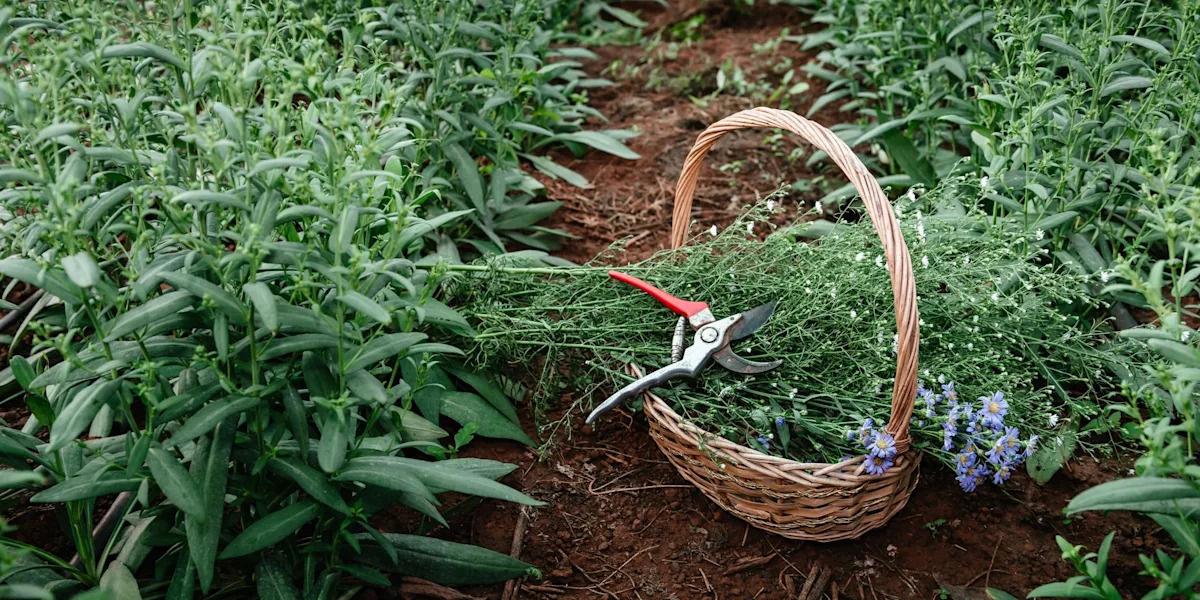
Admittedly, it can feel harsh when you first attempt this technique. But the results are worthwhile, keeping gangly plants such as asters and solidago from tumbling over your garden paths. This also means they typically require less staking. These cuts also stimulate the plant to produce slightly smaller but more numerous flowers, says Carey.
The technique is used only for vigorous perennials that are already established in your garden. “I would not do this on newly planted perennials in their first or even second year of growth,” says Kirk.

Photos from Japan, Asia and othe of the world – Getty Images
(Photos from Japan, Asia and othe of the world – Getty Images)When to Do the Chelsea Chop
Although it’s typically performed in late May and early June, that doesn’t have to be the end of it. Some gardeners choose to do it in stages, making one cut early in the season and another in mid-summer. The cut also will cause plants to flower a little later in your landscape—though not noticeably so—perhaps delayed by just a week or two, says Carey.
Timing is flexible, meaning you can do it a bit earlier in places farther south and a bit later in regions farther north. You also can do this in stages, removing one-third of the plant around Mother’s Day, then one-third by the beginning of July, for example, says Kirk.

Nacivet – Getty Images
(Nacivet – Getty Images)How to Do the Chelsea Chop
On each stem, you’ll cut it down by about one-third to one-half. Use pruners to snip off the plant about one-half to one inch above a leaf node, which is where the leaves come out the sides of the stem. This will encourage that stem to produce side shoots, says Kirk.
You may need to steel yourself because removing this much of a healthy plant is not for the fainthearted, and it may hurt to see your growing plants snipped off in the prime of life! But don’t think it’s all or nothing. “You can do this all over the plant, or just do the front third of the plant, or do it in sections over two to three weeks’ time, which will give you different bloom times,” says Kirk.
If you’re still feeling nervous, don’t fret. “Try it on just a few plants and see how it goes. If you like it, you can do more next year,” says Carey. “I like to create what I call ‘stadium seating,’ by nipping out the tops of the back row, then cutting the middle row by half and the front row by two-thirds. This prolongs the bloom and adds interest to the beds.”
The varying heights add topography to the landscape, providing layering and complexity in your garden’s design. “It’s simple but one of the best ways to maintain cottage garden borders or the English garden feel,” says Kirk.

Gail Shotlander – Getty Images
(Gail Shotlander – Getty Images)What Plants Respond Well to the Chelsea Chop
The best plants for this pruning technique include perennials such as:
Tall garden phlox (Phlox paniculata)
Clumping upright sedum such as ‘Autumn Joy’

Deb Perry – Getty Images
(Deb Perry – Getty Images)What Plants You Should Not Chelsea Chop
Some plants do not benefit from the Chelsea chop, and, in fact, you will prevent them from blooming altogether. “You don’t do this on annuals,” says Kirk. “You can deadhead annuals by removing spent blooms, but you should not be cutting the plant back.”
You also should not do this on woody plants such as shrubs or on single-stemmed plants such as oriental poppy, liatris, or asclepias. Once you cut those stems, they will not produce another flower, says Kirk.
You Might Also Like
Comments are closed.