

 3 min read
Key Points

Tomato plants can be tricky to grow, which is why we connected with a gardening expert for the best tips for a thriving plant.
Start by planting your tomato seeds indoors before easing them into sunlight and then taking them outdoors.
Once the tomato fruits begin to ripen, then you can pick them to reduce attractiveness to animals.
Tomatoes are among the most popular summer crops and for good reason. They’re essentials in many bright summer dishes, and they’re extremely versatile. Plus, there’s nothing like the sense of pride that comes from cutting into a beautiful red tomato to snack on that you grew yourself. And while growing these juicy fruits isn’t exactly a low-maintenance task, with the right tomato plant care guide, it’s definitely achievable.
“Tomatoes aren’t a ‘plant and go on vacation’ type of crop, since so many issues can strike, such as various critters and diseases,” warns Craig LeHoullier, author of Epic Tomatoes. However, with his expert help, you can definitely grow a thriving tomato plant in your yard or on your balcony.
Keep reading to find our expert tomato plant care guide that’ll steer you in the right direction during every step of the growing process, from seed to fruit.
Additional copy by Meghan Shouse.
Start Tomato Seeds Indoors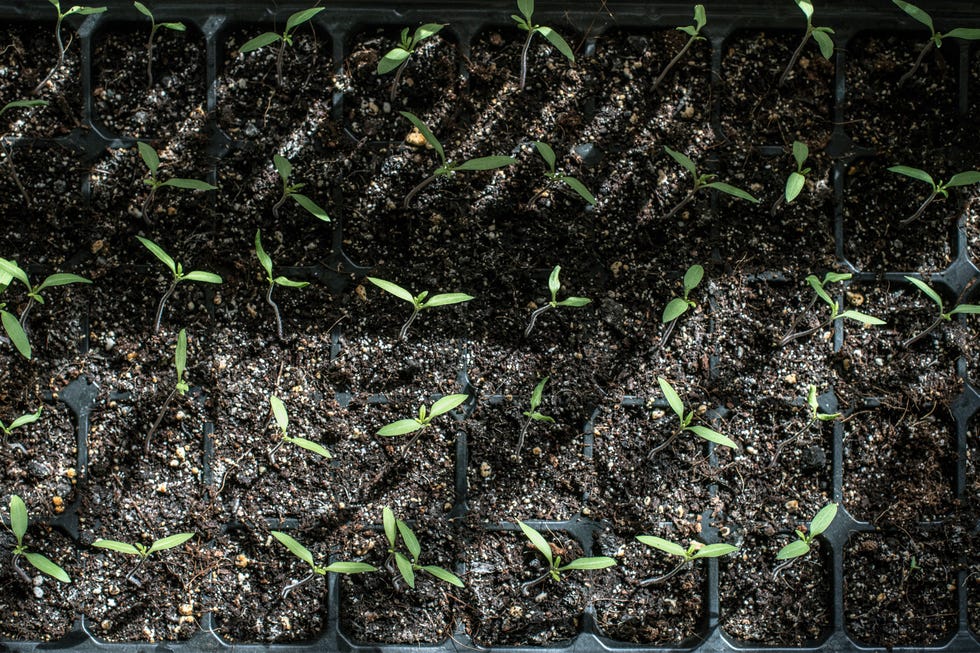
Getty Images
If you’re planting tomatoes from seed in most areas of the country, LeHoullier recommends starting the process inside your home in early spring. “Tomatoes are frost sensitive, so nighttime temps need to be above 32 degrees Fahrenheit before planting them outside,” says LeHoullier.
It typically takes two months to go from a seed to a plant that’s ready for the garden, so research average temperatures in your area to determine when it’ll be warm enough to move your plants outside, then start your seeds two months prior to that date.
Ease Tomato Seeds Into Sunlight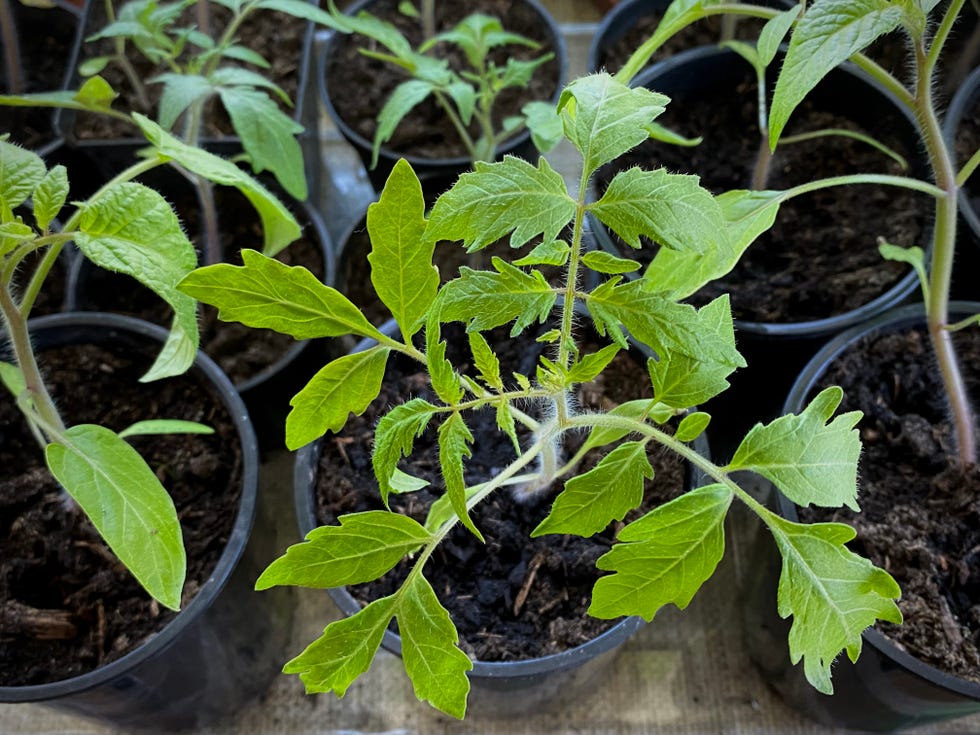
Irena Sowinska//Getty Images
Once your seeds sprout, ease your seed tray into direct sunlight slowly, over the course of about a week. “This will prevent weak, leggy seedlings,” LeHoullier says. Sunny windowsills work well, or you can use an artificial grow light.
Tomato seedlings can also benefit from being moved into a larger container at this point. Pot yours up to a 3- to 4-inch vessel and plant them deeply, up to the top set of leaves. “Any part of the stem under the planting mix will form roots, making a stronger plant,” says LeHoullier.
Take the Tomato Plant Outdoors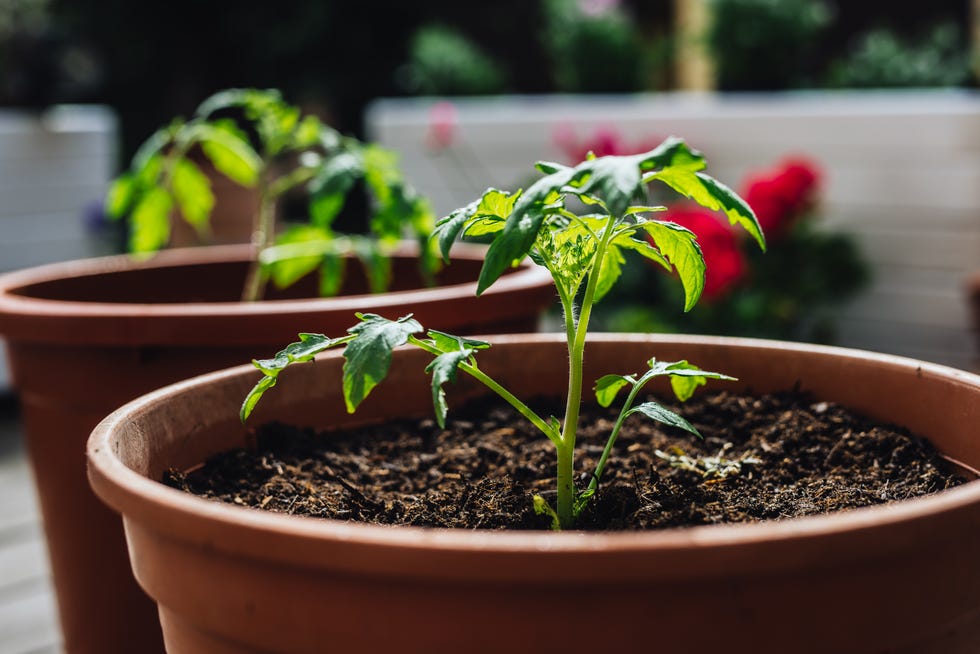
Guido Mieth//Getty Images
When the weather warms up to nighttime temps above 32 degrees Fahrenheit, and your plants are six to eight inches tall, they can (finally) be moved into a garden or outdoor containers.
“Tomatoes should be spaced so that their foliage doesn’t touch as the plants grow; good air circulation and sun exposure help keep diseases at bay,” says LeHoullier. If you want to use tomato stakes or cages to help keep them growing vertically, you can install them at this time.
Water the Tomato Plant First, Feed Second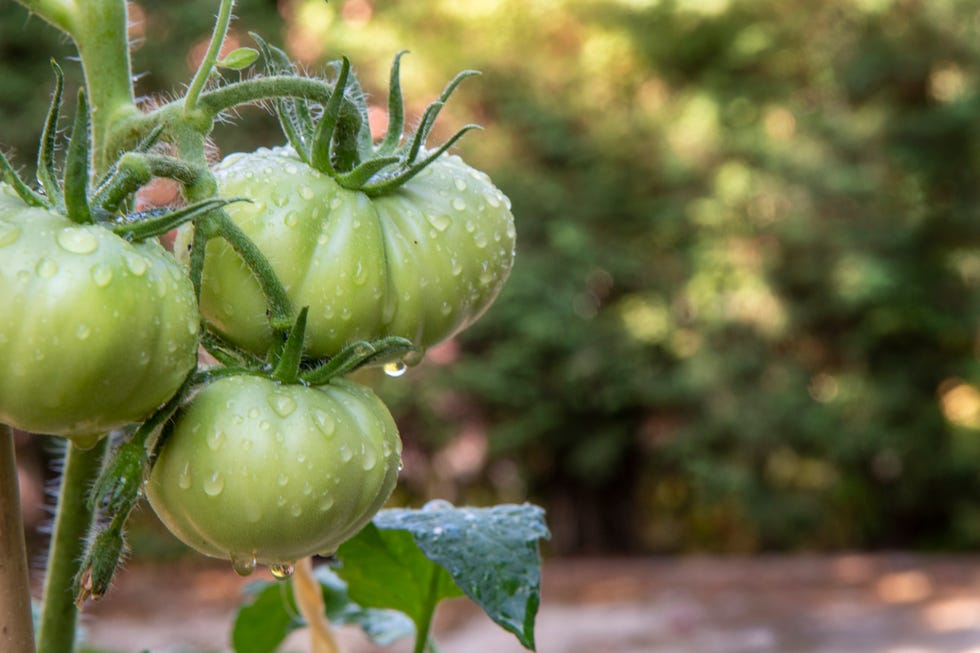
AngelPietro//Getty Images
Tomatoes should be kept moist but not soggy, and you should always make it a habit to water at the base of the plant to avoid adding excess moisture to the foliage. “Foliage diseases will not be as severe if the foliage is kept as dry as possible,” says LeHoullier. For tomatoes planted in the garden, water tomatoes until the soil feels dry one inch below the surface. For pots, water your tomatoes until water runs from the bottom.
After a few weeks, start to feed the plants with a balanced fertilizer specifically designed for tomatoes and vegetables. If your plants are in a traditional garden, you should feed them every few weeks. As for pots or containers, you can feed plants every week.
It’s also important to monitor your plant for signs of trouble. Visible wilting means your plant is drying out. “Allowing severe wilting of fruit-laden plants leads to the dreaded blossom end rot,” says LeHoullier, referencing the black patches that can sometimes appear on the bottom of tomato plants. If this happens to yours, remove lower foliage that has brown or yellow spots on it to prevent air- or soil-borne fungal diseases.
Harvest Your Bounty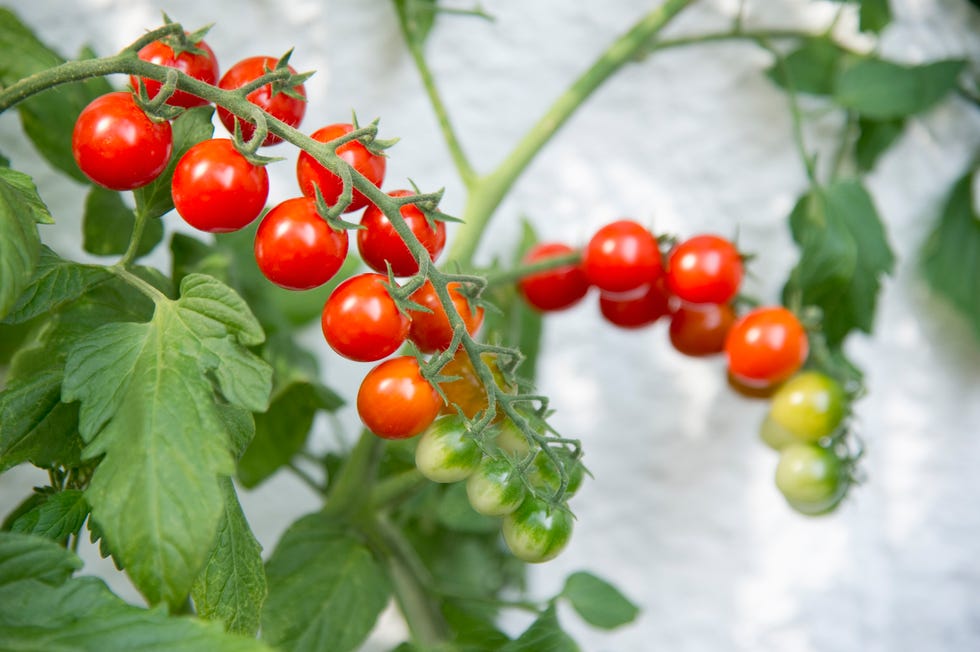
Westend61//Getty Images
Once the tomatoes begin to ripen, LeHoullier says it’s best to pick them at half-ripe or a bit more: “The risk of cracking is reduced, and attractiveness to animals is lessened,” he says. If rain is in the forecast, avoid tomatoes getting knocked off their vines by picking ripe cherry tomatoes and larger tomatoes that are half ripe (they’ll continue to ripen off the vine). Then slice them up to go on salads, burgers, or straight into your belly.
Follow House Beautiful on Instagram and TikTok.
Comments are closed.