
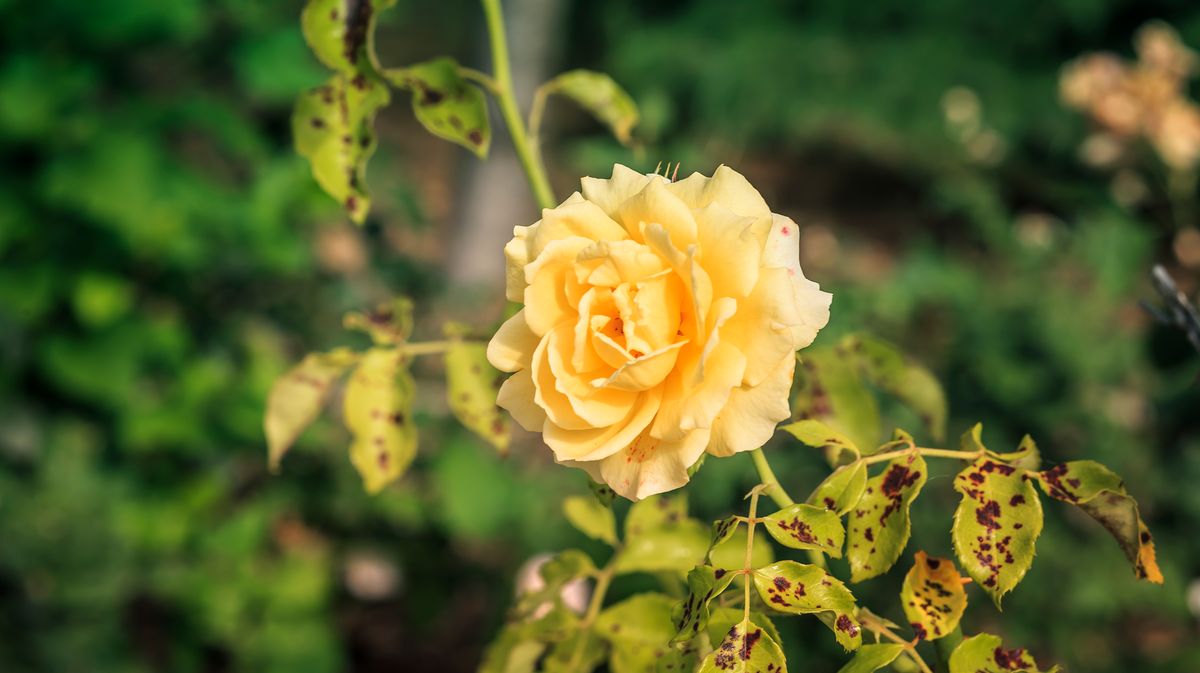
Rose black spot is a very common plant disease, but with the help of one common kitchen item, it should disappear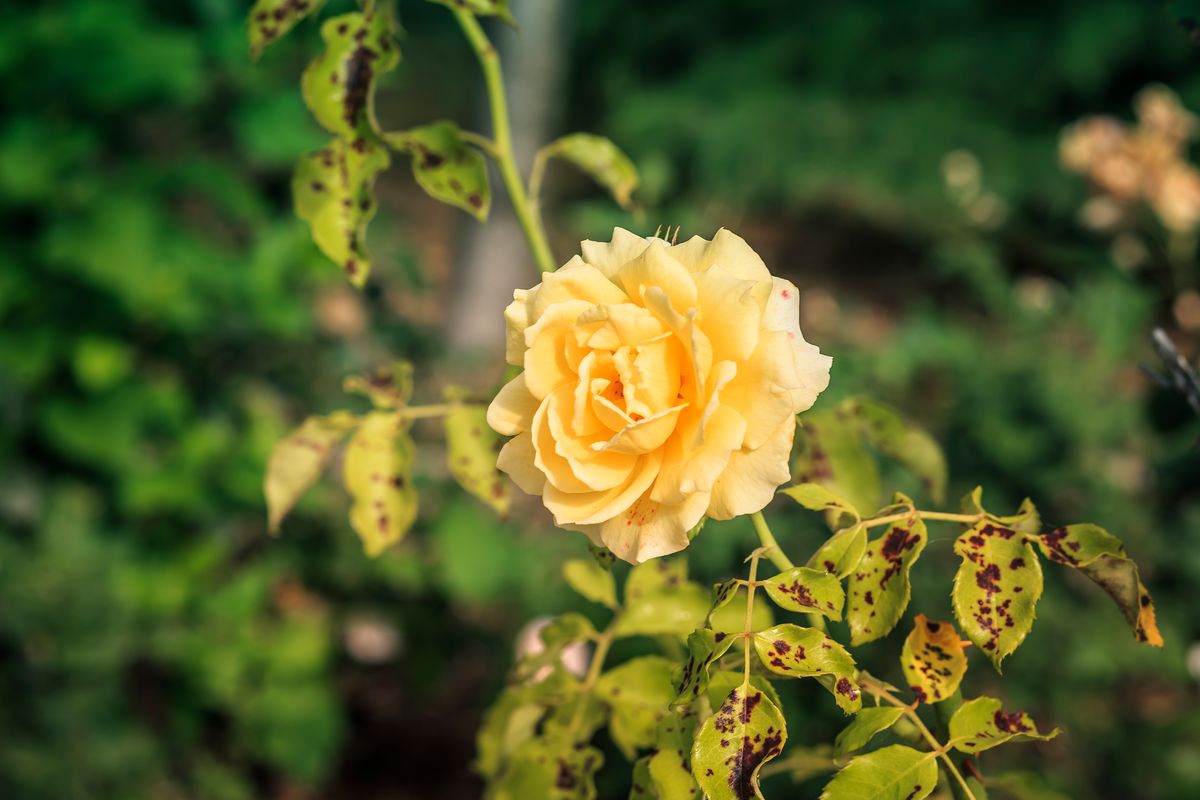
Rose black spot is a very common plant disease, but with the help of one common kitchen item, it should disappear(Image: Getty Images)
You may be gearing up for a wonderful summer full of fantastic blooms, but there could be some issues lurking below the surfaces that could impact the longevity of your flowers in the garden. A very common problem faced by those growing roses is black spot, a fungal infection.
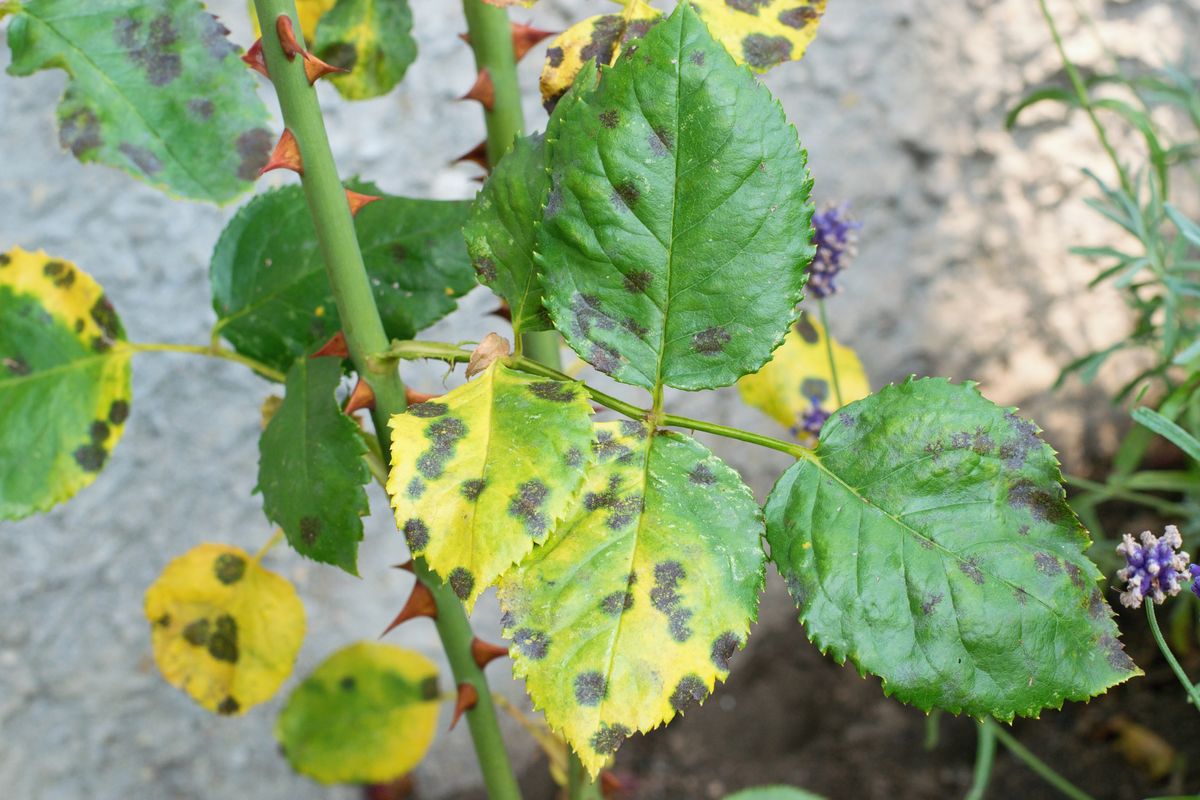
Gardening expert and TikTok creator Ish recently shared how you can treat this nuisance problem, and prevent it from rearing its ugly head. If you’re unfamiliar, rose black spot is a fungal disease where the blooms affected will have purple and black spots developing on their leaves.
The disease ultimately causes the flowers’ leaves to fall earlier. According to the Royal Horticultural Society, if the leaves are infected, the marks will usually appear on the leaves from spring time. These markings will only persist as time goes on, and can ultimately damage plants in the long run.
Lightly mist the plant every week(Image: Getty Images)
Alongside the purple and black spots, other symptoms of the disease include the leaf tissues turning yellow, dropping leaves, and small, black, “scabby lesions” may also appear on young stems. In a recent video, Ish explained: “There are a few different factors that can cause it. First off, stress, one of the most common ones; overwatering, underwatering. By doing this it becomes weak or it becomes too soggy, and it’s a nice open door to fungal infections, we don’t want that.
“Really dense foliage and not enough air flow as well, is also a breeding ground for fungal too, so make sure you kind of thin it out before it starts growing again, to ensure that it’s got plenty of air flowing through.”
Depending on how bad the black spot is affecting your roses, there are a few courses of action you can take. If the black spot is present in one place, such as the leaves, without spreading, you can remove it by simply pinching away the affected leaves.
However, if you’ve noticed that the black spot has spread across the plant, you may need to take some more decisive action. In this case, Ish recommended using baking soda to get rid of the fungal disease.
Content cannot be displayed without consent
In a spray bottle add one teaspoon of baking soda per 500ml of water. Apply the lid of the bottle and give the solution a good mix. Spray your plants very lightly once a week if they’re suffering from powdery mildew or fungal infections.
Lightly mist the plant every week or so with the spray and the solution should clear the black spot. This solution makes a natural antifungal spray which can help target mould, black spot, and powdery mildew.
You can also add a splash of washing up liquid to the spray too. The washing up liquid helps the solution cling to the plants’ leaves.
As an antifungal agent, baking soda changes the leaf’s surface pH, making it less acidic and harder for black spot fungus to grow. While the washing up liquid will help the solution to spread and stick to the leaves, helping to cover more of the surface of the leaves.
Ish also suggested using RoseClear, if you prefer using commercial products. When it comes to prevention, Ish noted that it’s best to keep the roses trimmed back and less dense, so as not to overcrowd the foliage.
It’s also important to make sure that the roses are adequately watered, but not overwatered. However, there is another way to help stave off the fungal disease.
Ish said: “But the other thing you can do is actually grow salvias around your rose bushes, because salvias are natural antifungal plants. And by having them nearby, they help prevent fungal infections in the first place.”
The Royal Horticultural Society also shared some help prevention advice, explaining that the best form of control is by avoiding pests, diseases and weeds, as well as good garden hygiene, and introducing “natural enemies”. It’s also best to get ahead of the problem before it can spread.
The RHS urged gardeners to collect and destroy any fallen leaves during the autumn, and to also pick off and dispose of any leaves that stay on the plant during the winter months. Gardeners should also avoid using fungicides, as this could reduce biodiversity, impact soil health, and have adverse effects on the environment.
Comments are closed.