
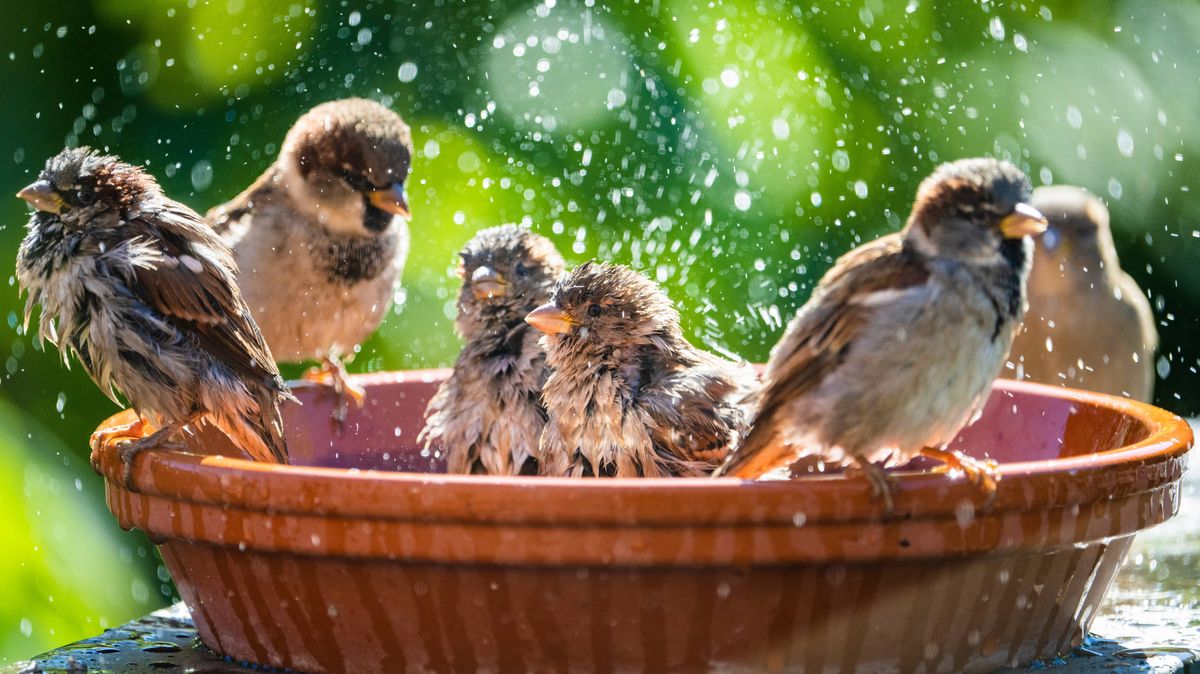
Attract more birds to your garden this summer with a simple item that makes birdbaths more desirable.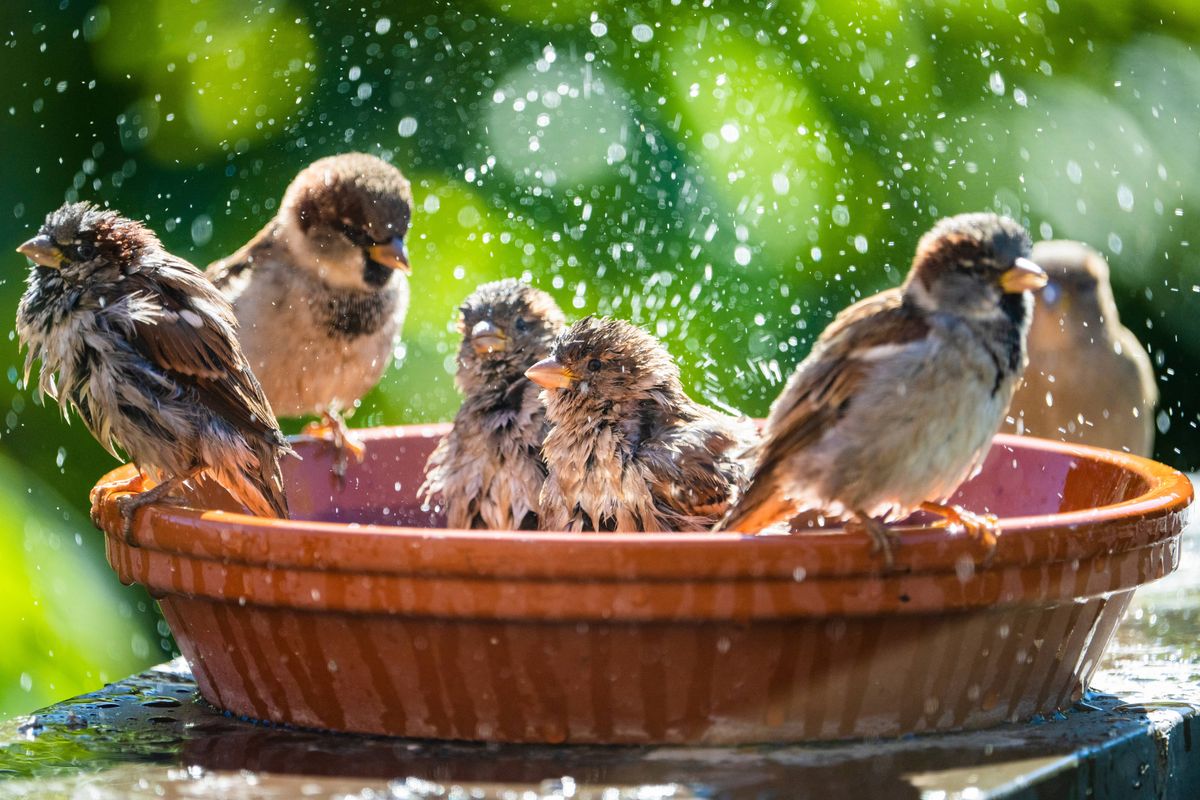
Gardens will be full of pretty birds if you add 1 simple item to birdbaths before summer(Image: LaSalle-Photo via Getty Images)
Watching birds frolic and splash about in a gleaming bird bath is undoubtedly one of the greatest pleasures of tending a garden. However, if you’ve noticed a drop in activity around your bird bath of late, the reason may be closer to home than you’d expect.
Giving the birdbath a thorough clean rarely makes it to the top of most gardeners’ priority lists, particularly during the hectic growing season when a whole host of other jobs demand attention.
A grimy bird bath can quickly lose its appeal for both gardeners and wildlife alike, often turning cloudy, smelly, or even slippery during warmer spells.
It transpires that one straightforward item placed in your bird bath can help reduce the accumulation of algae and dirt, keeping the water fresher for visiting birds.
The experts at Gardening Know How revealed that using copper pennies is “one of the cheapest and easiest ways to keep your bird bath clean so you can attract more birds to your garden”.
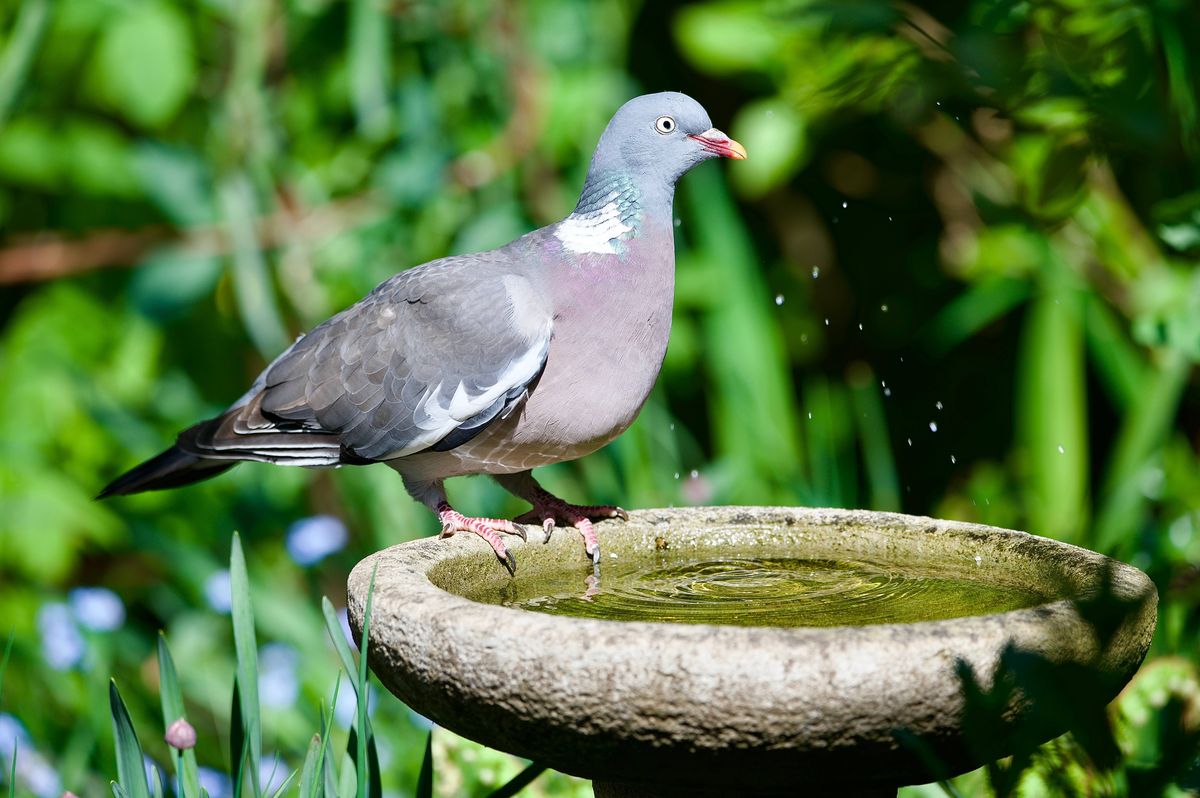
A dirty birdbath can quickly become unappealing to both gardeners and wildlife(Image: helen Reid via Getty Images)
They explained: “To put the science simply, the presence of a copper penny disrupts conditions that would make algae more likely to develop and thrive.
“The copper ions in pennies leach into the water and create a chemical barrier that prevents algae from building up. Algae relies on photosynthesis to thrive, and copper renders algal membranes weaker – to the point where they collapse and fail.”
For those wondering how to clean a cement bird bath or its metal equivalent, this nifty penny trick could make “a big difference to a wider cleaning routine”.
You needn’t add a large number of pennies to the bird bath to see results. Just one or two can boost the water’s capacity to keep algae growth under control.
Bird enthusiast and owner of The Rocky Safari, Rocky Trifari, endorses this approach. He said: “Copper is a natural biocide with properties that interfere with the biological processes algae and other microorganisms rely on.
“When copper ions leach into the water, they promote an environment that discourages the growth of green algae, one of the main causes of that slimy, dirty water found in birdbaths.”
Before dropping any pennies into your bird bath, ensure they are thoroughly cleaned using natural methods and carefully checked for any signs of rust or corrosion.
While birds love to drink and bathe in bird baths, prolonged or excessive exposure to dissolved copper could pose a health risk, particularly for smaller species.
For this reason, it is advisable to use only a small number of coins, and it is vital to clean the bath properly when using this method. Providing your birds with fresh water on a daily basis is equally important.
Even with this technique in place, regular maintenance remains essential. Particularly during warmer spells, standing water can quickly become uninviting to wildlife and may encourage the development of algae or bacteria.
Comments are closed.