
England’s Simpler Recycling reforms mean local authorities are no longer obliged to collect certain garden items – here’s what’s changed and what you should do with these 10 items instead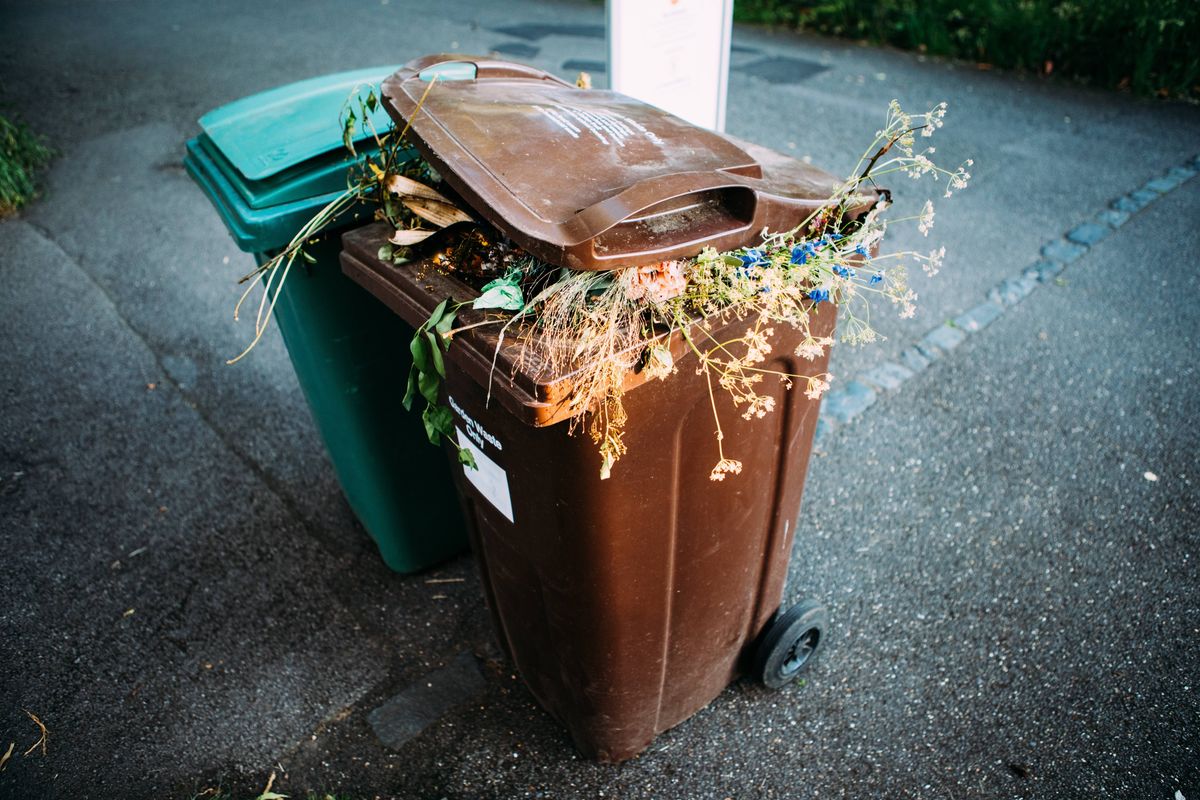
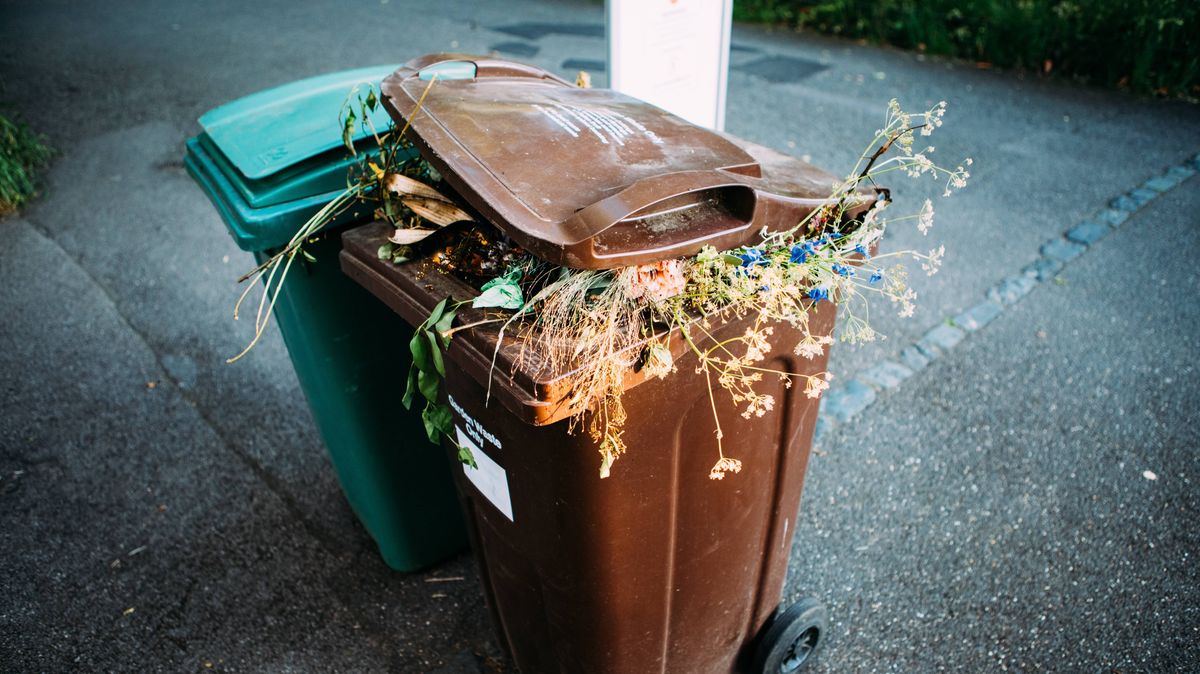
Some garden waste items can’t be recycled(Image: Photographer, Basak Gurbuz Derman via Getty Images)
Spring offers the perfect chance to address gardens and refresh them before summer arrives. Numerous households throughout England will be occupied with mowing lawns, trimming hedges and rejuvenating plants.
However, households risk falling foul of the new bin rules when getting rid of their garden waste. There has been a substantial shift in how recycling is managed in England this year. If you disregard the latest guidance, your bin may be left unemptied.
The UK’s Simpler Recycling reforms, brought in under the Environment Act 2021, have established recycling obligations for businesses and households in England.
There are now separate collections for food waste, paper and card, glass, metal and plastic. Local authorities must provide clear guidance about what can and cannot be recycled.
Some local councils are exempt from the new regulations until at least 2040, so it is vital to check with your local authority whether these new rules apply. The new rules mean that local authorities are no longer obliged to collect certain garden items for recycling, reports the Express.
Animal bedding
Some local councils may permit used hay, straw and bedding from animals such as rabbits or guinea pigs to be placed in garden waste collections. However, the new rules mean local authorities are not required to collect it. Old pet blankets or beds made from fabric can be recycled at Recycling Centres.
Bulky waste (including garden furniture and fencing) Some councils offer one-off bulky waste collections, which typically incur a fee. Other alternatives include taking items to a Recycling Centre or employing private waste removal companies.
Garden tools or other gardening equipment
Tools in good working condition can be donated to certain charity shops or local community initiatives. If you need to recycle tools that are no longer functional, it’s recommended to take them to a Recycling Centre.
Plant pots
Local authorities are no longer required to collect plant pots. Some garden centres run plant pot take-back schemes. Recycle Now said: “Currently black plant pots contain pigments which make them undetectable to the sorting machinery used to sort plastics, unlike other pots, tubs and trays used for food packaging, so need to be placed in the waste bin.”
Plastic
While most plastic packaging can be recycled, some plastics cannot. It’s always wise to verify what type of plastic an item is made from and whether it’s recyclable. If uncertain, take it to a Recycling Centre.
Sand
Old sand can be incorporated into a home compost heap or used in the bottom of potted plants.
Sawdust
Most councils won’t accept sawdust in recycling collections. Instead, seal it in a plastic bag and put it in the general waste bin. A professional waste collector is another option.
Stone, gravel or bricks These items are best disposed of at a Recycling Centre. Alternatively, a skip can be hired if there is a substantial amount of waste to deal with.
Tea bags or coffee grounds
Local councils are no longer obliged to collect tea bags or coffee grounds. Always verify what rules apply in your local area. These items can be composted at home.
Branches and trees exceeding a certain size
If particularly large, these may need to be cut down into smaller sections in order to comply with local guidelines. You can engage professional waste removal services or take them directly to a Recycling Centre.
Comments are closed.