
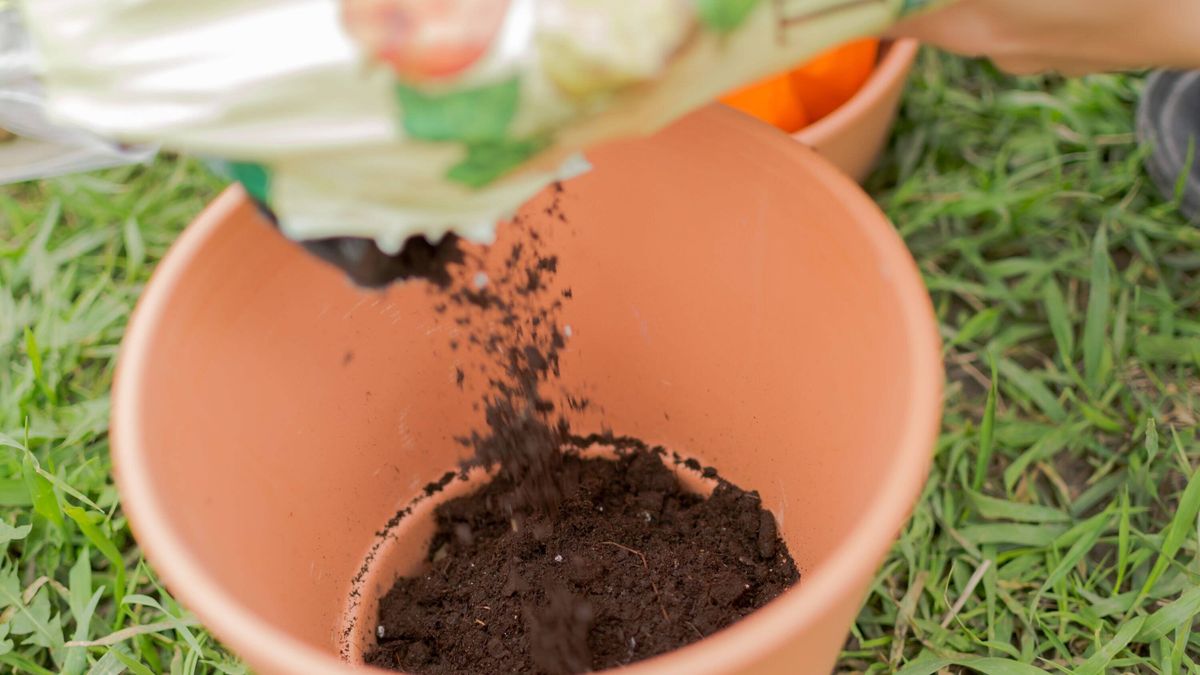
An RHS advisor is warning gardeners that accidentally overwatering plants in peat-free compost could cause them to turn yellow and die — and shares a simple finger test to check if your plants actually need water.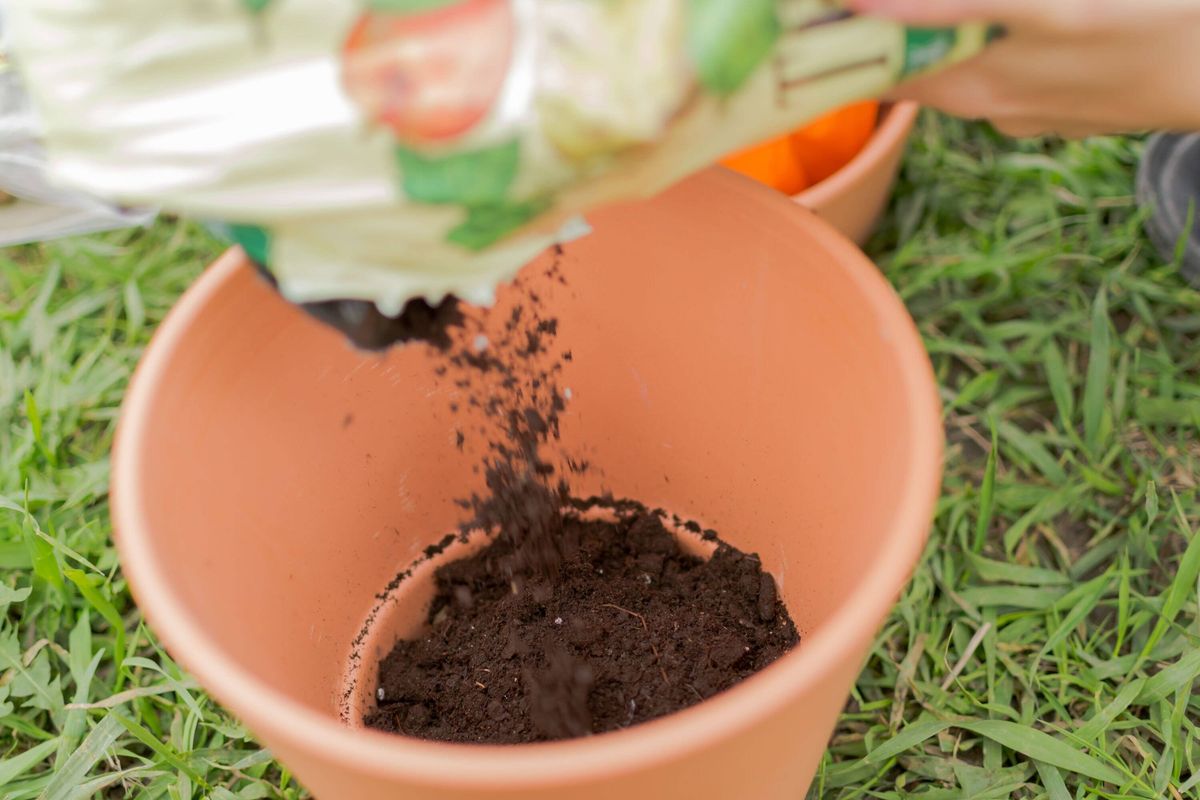
Gardeners are being urged not to make one planting mistake(Image: Getty)
Gardeners are being advised to “hold off longer” as they could be “accidentally” destroying their own plants. Gardening expert Nick Turrell says many amateur horticulturalists frequently notice their flowers “keel over and die” following watering.
Nick explains this is particularly common when peat-free compost is being used in plant pots. This is because it “holds water well” despite the surface appearing dried out.
Beneath the surface, however, Nick, an adviser with the RHS, warns that the compost is actually still sufficiently moist. Many gardeners nevertheless struggle to resist the temptation to water their plants regardless.
Speaking on the RHS YouTube channel, Nick said: “What people do is accidentally over water. The plants go yellow, keel over and die.
“So before automatically watering, put your finger just beneath the surface, if it feels dry, give it a drop of water, if it feels damp, just hold off a bit longer. Or simply lift the pot up.
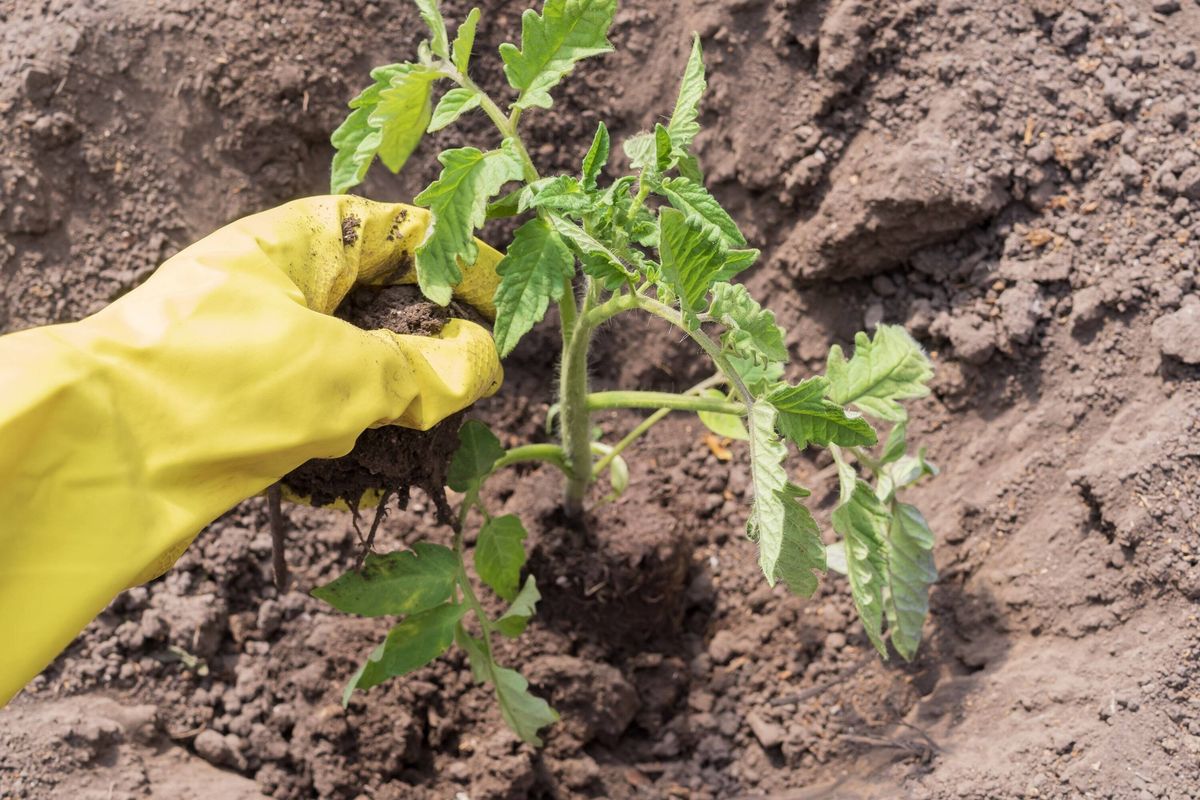
Different soil needs treating in different ways(Image: Getty)
“A pot full of dry compost feels light. A pot full of wet compost feels heavy.”
Nick also reassures gardeners that there is no need to be alarmed if mushrooms appear in their peat-free compost. He says they “don’t do any harm” but can be picked off if you don’t like them.
The guidance comes at a time when increasing numbers of gardeners are switching to peat-free compost as a more environmentally conscious choice. The RHS states that preserving peatland is “vital for the unique biodiversity they support”.
It states that draining peatlands for extraction purposes “releases carbon dioxide, contributing to climate change”. Britain’s peatlands also play a crucial role in absorbing rainfall and preventing localised flooding.
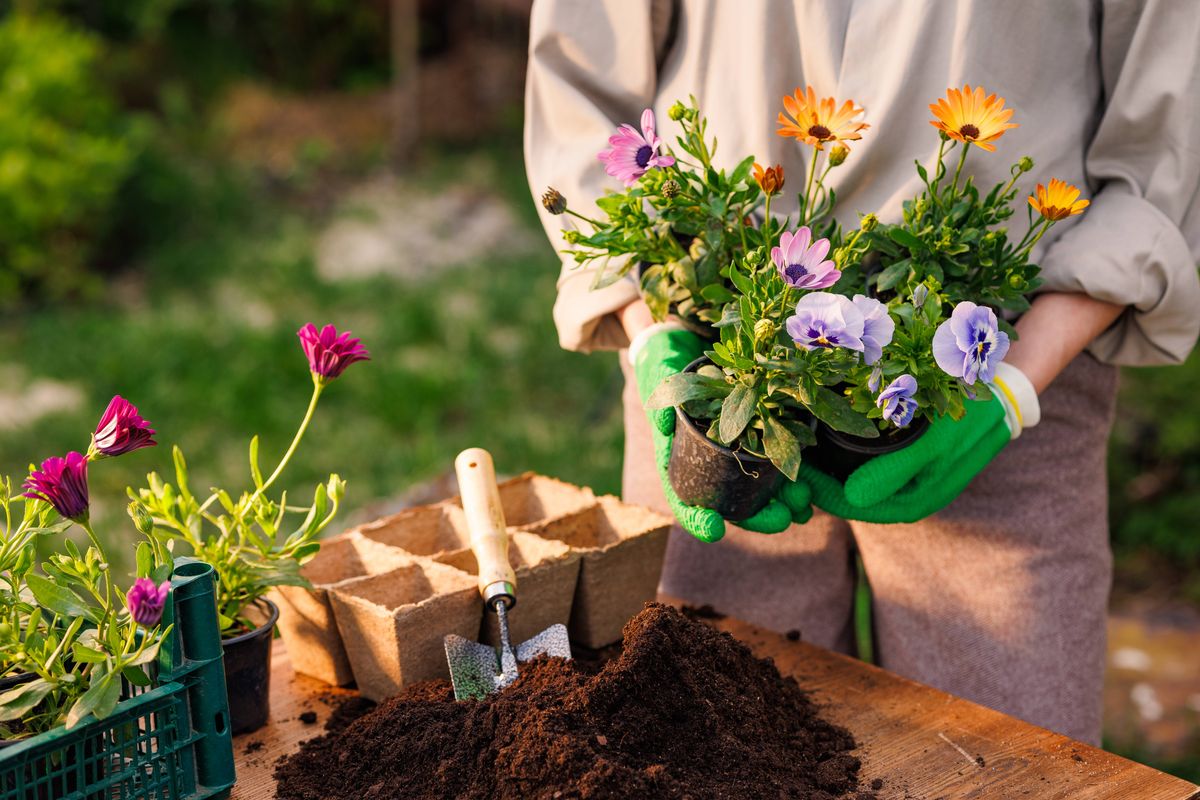
Gardeners are being urged not to overwater
The society advises gardeners to choose a peat-free compost appropriate for the variety of plants being grown, whether seedlings or container plants. Some plants, such as houseplants, will require specialist compost blends.
Peat-free compost can be used in largely the same manner as conventional compost. However, gardeners should note that feeding requirements and watering needs differ when using peat-free alternatives.
The society explains that water retention in peat-free compost can often vary from traditional varieties as they frequently contain bark. It recommends using a much smaller watering can or even a mist sprayer when working with peat-free compost.
Those looking to plant using peat-free compost should ensure conditions are moist but not waterlogged. The RHS explains: “Saturated compost is colder, which can slow down germination and may cause seedlings and cuttings to rot.”
Finally, Nick urged gardeners to verify their compost is genuinely peat-free. He added: “If it doesn’t say peat-free on the bag, it isn’t peat-free in the bag.”
Comments are closed.