
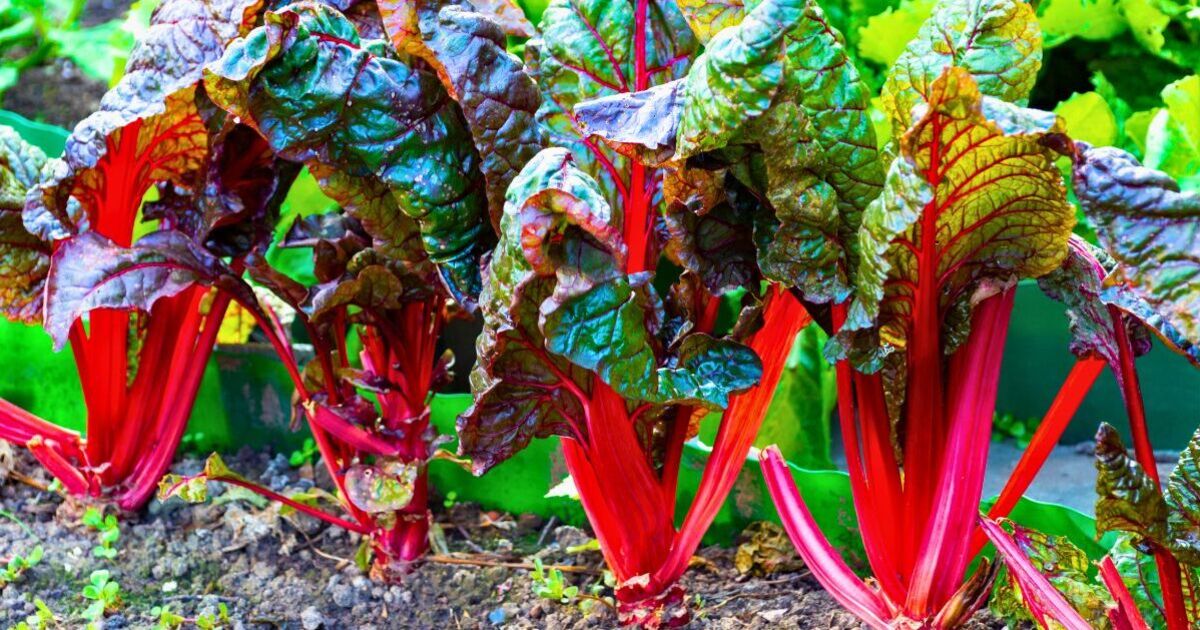
Spring is the peak rhubarb season, which means that May is the perfect time to plant it so you can look forward to plenty of homemade pies, crumbles and jams. Rhubarb is very easy to look after and usually needs little effort, but gardeners should be aware that the plant can become damaged or even die if harvested incorrectly.
Sara Bäckmo, a gardener, is warning anyone growing rhubarb that cutting the plant with scissors or shears can cause diseases to enter the plant and spread in a garden. She said: “Simply cutting the stalks off the plant might seem like a convenient solution, but I would advise against it. A cut stalk will leave a wound on the plant, which increases the risk of infections as bacteria and/or fungal spores can make their way down into vital parts of the plant underground.”
Rhubarb tends to be more sensitive to being cut than most other garden vegetables since its food grows from its crown, and once that becomes damaged, it might not heal properly.
This means the plant will have an open cut throughout the rest of its growing season, which can allow bacteria and moisture to enter the tissue.
It can cause rhubarb to become mouldy, begin to rot, and, more concerning, encourage fungal spores that will affect anything else growing in your garden.
Instead, the best way to harvest rhubarb is to just gently pull the stalk from the plant, which takes a little more effort than cutting but is still incredibly easy.
Pulling rhubarb will keep the plant healthy so it continues growing and will ensure you garden stays free of fungal spores for the rest of spring.
How to harvest rhubarb properly
To pull a stalk, simply follow the stem down to the base of the plant, give it a gentle tug, and twist it to the side. It should come away cleanly from the crown without cutting it.
Make sure to take only a few stalks at a time, as pulling too many at once can stress the plant and leave it without enough energy to keep growing.
Start harvesting rhubarb by taking the outer stalks first, and then work your way towards the middle of the plant.
This helps the rhubarb keep growing so it will continue to produce lots of thick stalks that you can use for cooking throughout spring and into summer.
Once you have harvested the rhubarb, make sure to also trim the leaves, as it helps the plant put more energy into the stalks rather than the foliage that is not ediable.
Comments are closed.