
The Southern Lakes Kai Collective is launching a monthly article series with the Wānaka Sun to help locals grow more food, save money and enjoy the satisfaction of harvesting from home. Around 15 local growers are contributing practical, seasonal advice based on what actually works in our region.
May might look quiet in the garden, but behind the scenes it is one of the most important months of the year.
What you do now can mean stronger plants, better harvests and far less stress in spring.
Whether you have a backyard, a few pots or only a sunny doorstep, there are three smart moves this month: prepare your growing space, build soil and save seeds.
Forget the fantasy of a giant vege patch.
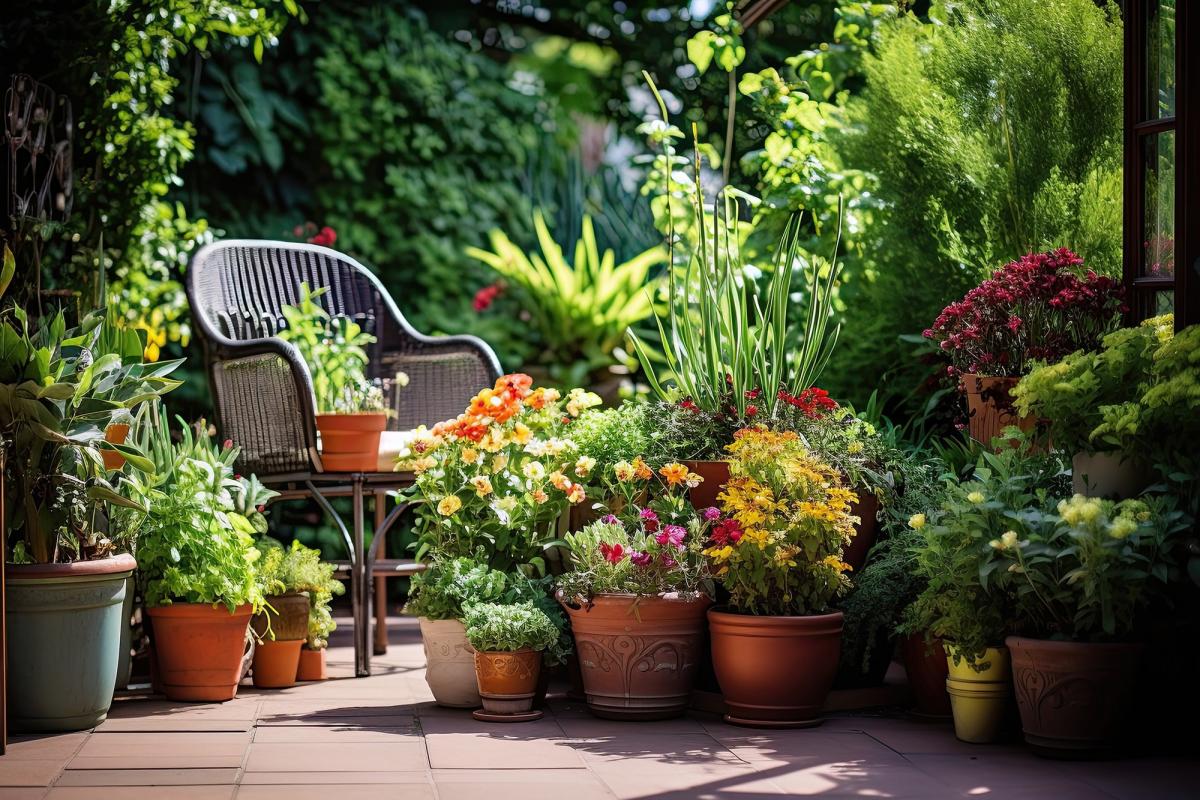
Start with one small bed, two containers or even a single pot.
Small gardens are easier to manage, cheaper to set up and more likely to succeed.
Pick the sunniest spot you have; if it is close to the house and easy to water, even better.
Great gardens start underground, so if you are making a new bed, try sheet mulching.
Lay some cardboard over grass or weeds, wet it thoroughly, and then cover with compost, leaves or mulch, and then let nature get to work.
If you already have a garden bed, spread compost on top and let worms and microbes pull it down for you.
Not much will grow outdoors now, but miner’s and lamb’s lettuce have excellent frost tolerance, broad bean seeds will lie dormant or grow slowly through winter, while well-rooted strawberries can be planted now to establish strong roots over winter, leading to earlier and more productive crops in spring.
If you have a tunnel house or glasshouse, you can plant quick-growing green seedlings such as rocket, mizuna, spinach and Asian greens, while brassica seedlings are best planted after the shortest day (after June 21).
Other greens are best left until August.
Indoors you can grow microgreens, mesclun mixes such as rocket, mizuna and mibuna, herbs and sprout seeds in jars. Microgreens are a standout winter crop, as they are fast, fresh, nutritious and ready in just a few days.
If you still have dry bean pods, pea pods or herb seed heads from summer, collect them now.
Dry seeds thoroughly and store somewhere cool and dry.
Free seeds are hard to beat.
If you’re not going to get your fingers green over winter, you can still use the season to prepare for a successful spring and summer.
Use the winter to watch where the sun falls around your home and identify any frosty corners.
Plan future beds and source seeds early.
And decide what your household will genuinely cook and eat.
A mountain of silver beet no-one wants is not success.
Take these steps because homegrown food tastes better.
Because it’s better for you. Because it cuts waste. Because it feels good.
Because a few herbs outside the door can become tomatoes, beans, greens and real meals over time.
The Southern Lakes Kai Collective will share simple seasonal actions each month to help more households grow food and build resilience locally.
Comments are closed.