
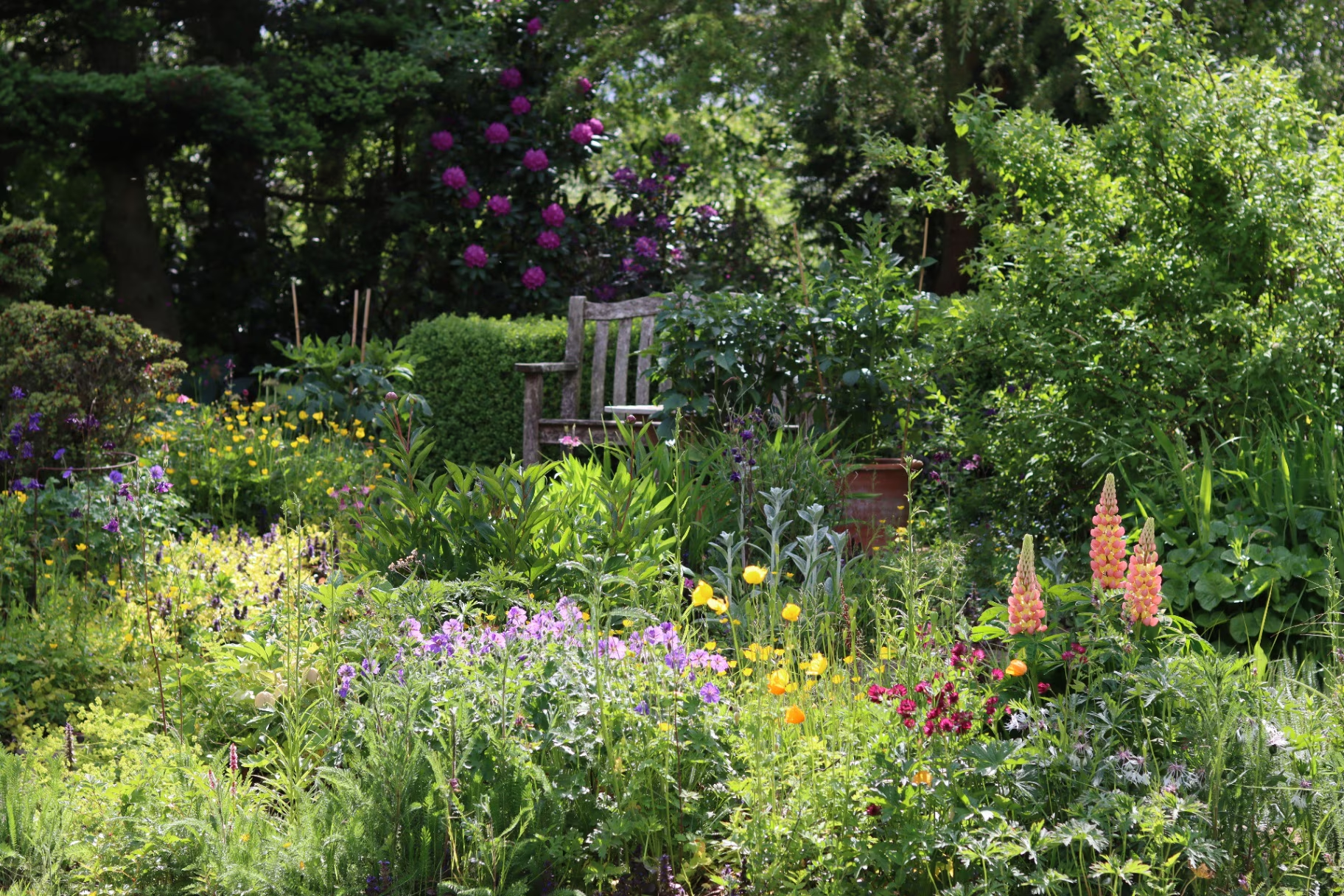
The month of May brings warmer soil and delightfully longer days, creating perfect conditions for sowing seeds directly outside.
As part of your gardening jobs for May, there’s a long list of vegetables that can be sown outdoors now that the frost risk has passed, such as carrots, beetroot and courgettes, and delicious herbs such as basil and coriander can also be sown in the milder temperatures of May, along with colourful annuals like nasturtiums, cosmos and marigolds.
For flourishing summer flowers and delicious vegetables, consult our list of the best seeds to sow in May.
Fast-growing hardy annuals can be sown directly outside in May for later flowers than those sown earlier in spring, and there’s also time to sow a few half-hardy annuals, either under glass or directly.
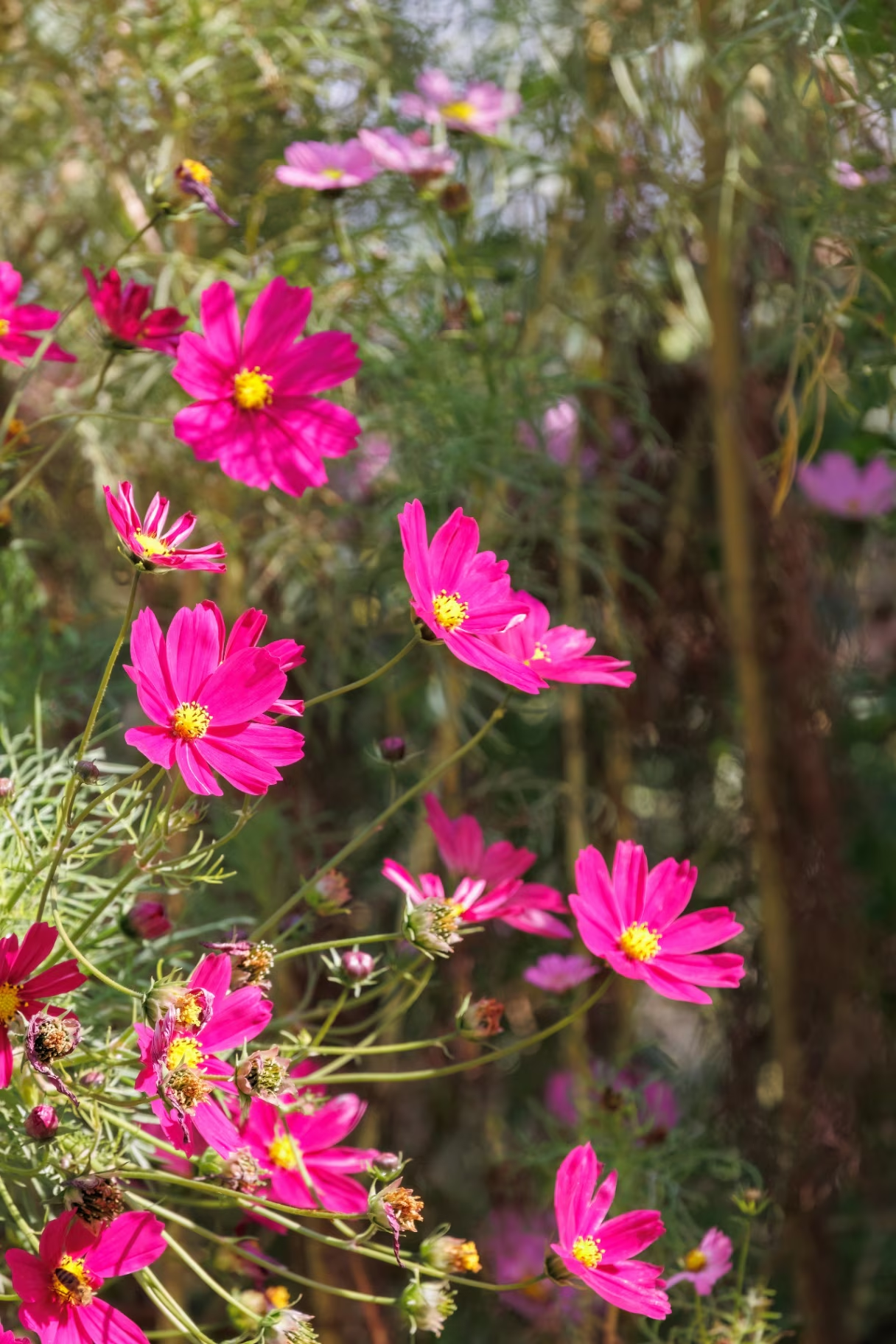 Photo credit: Shutterstock
Cosmos are adored by gardeners as they are incredibly fast-growing, and so ideal for filling in gaps, and thrive in poorer soil, which does not need improvement with compost or fertiliser. Light soil helps their roots to spread, and you can always add grit or sand from Westland to heavy soil to help improve its drainage.
They’re also highly attractive to pollinators. Some of our favourite varieties include Cosmos bipinnatus ‘Apricota’ from Crocus, the cheering yellows of Cosmos bipinnatus ‘Xanthos’ from Crocus, and the rich reds of ‘Rubenza’.
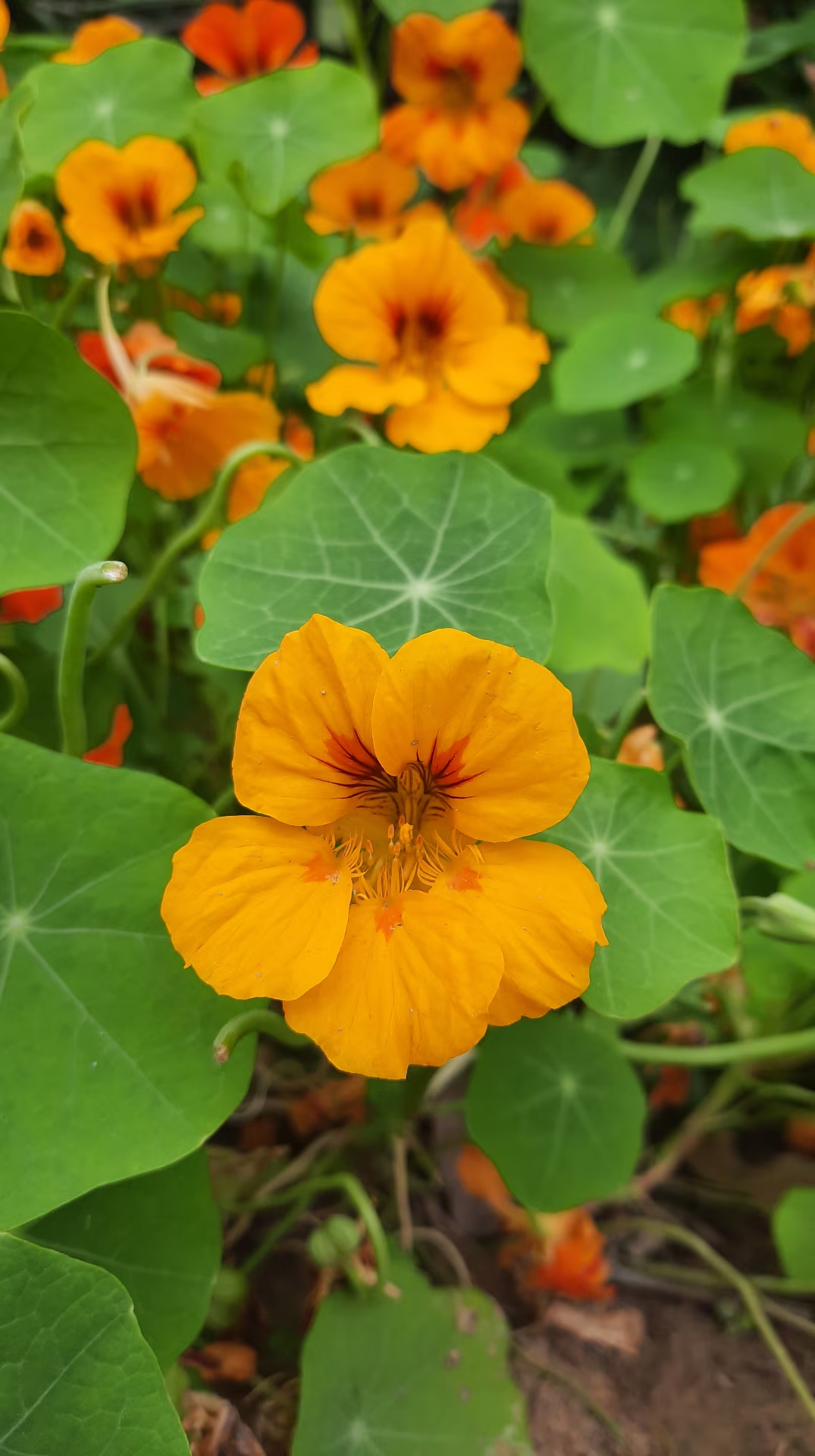 Photo credit: Shutterstock
A brilliant plant for beginners as they’re very simple to grow. Now that the weather is stable in May, you can sow them directly outside. They have quite large seeds that should be planted in light compost or poor soil with no added fertiliser, which would lead to bushy growth but not more flowers.
The leaves and flowers are edible, with the most delicious peppery taste. They’re attractive to pollinators, and they’re low-maintenance, so ideal for fair-weather gardeners.
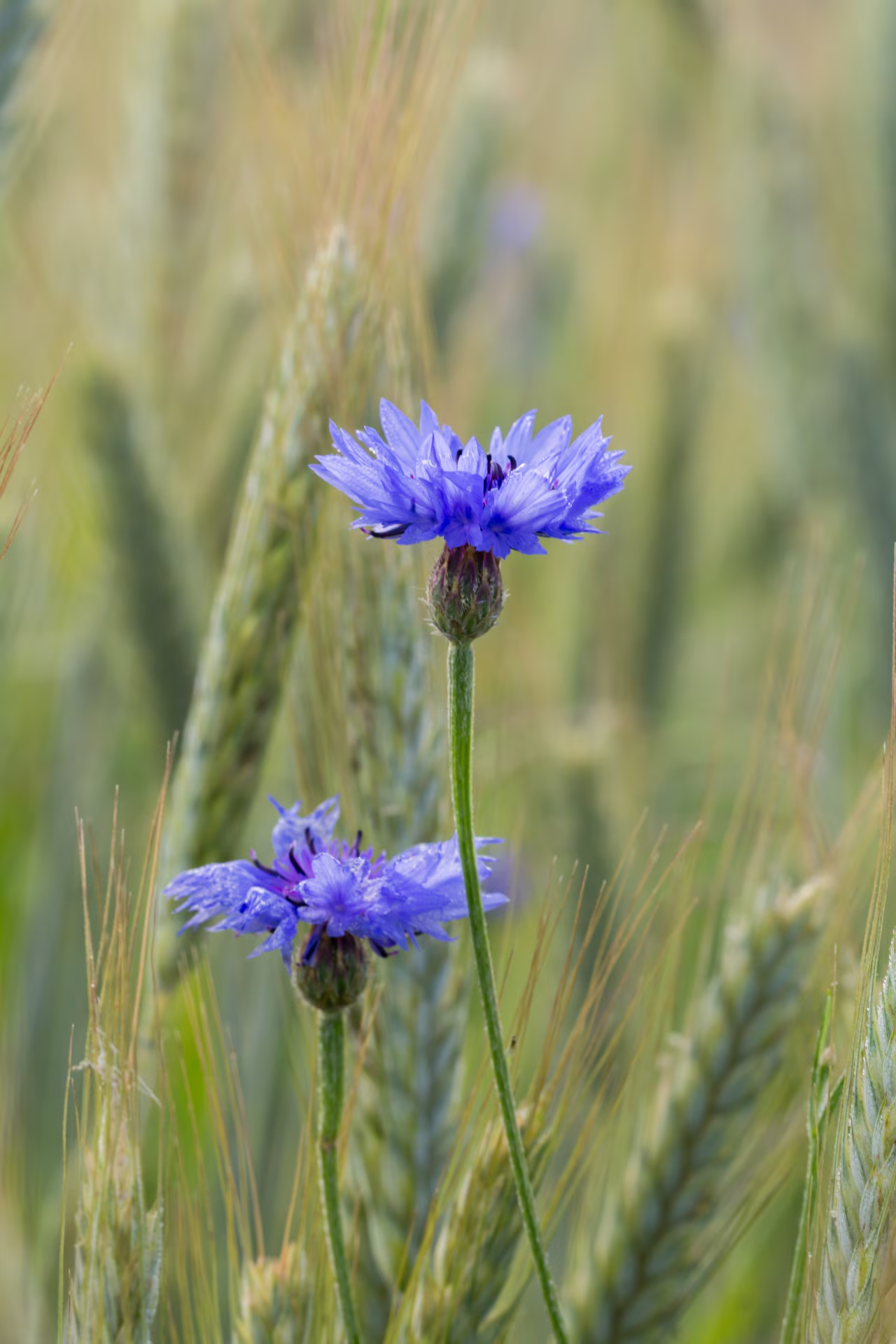 Photo credit: Shutterstock
One of my personal favourites because I love the burst of bright blue in my summer borders. Cornflowers are annuals that can actually be sown directly outdoors from April, but don’t worry if you haven’t yet sown them, they will do just fine in May and create the most idyllic meadow effect when they flower.
To grow them is simple: use a 5-tine hand rake from Crocus to rake the soil gently and clear any weeds before sowing. Cover them lightly with soil and give them a good drink with your watering can.
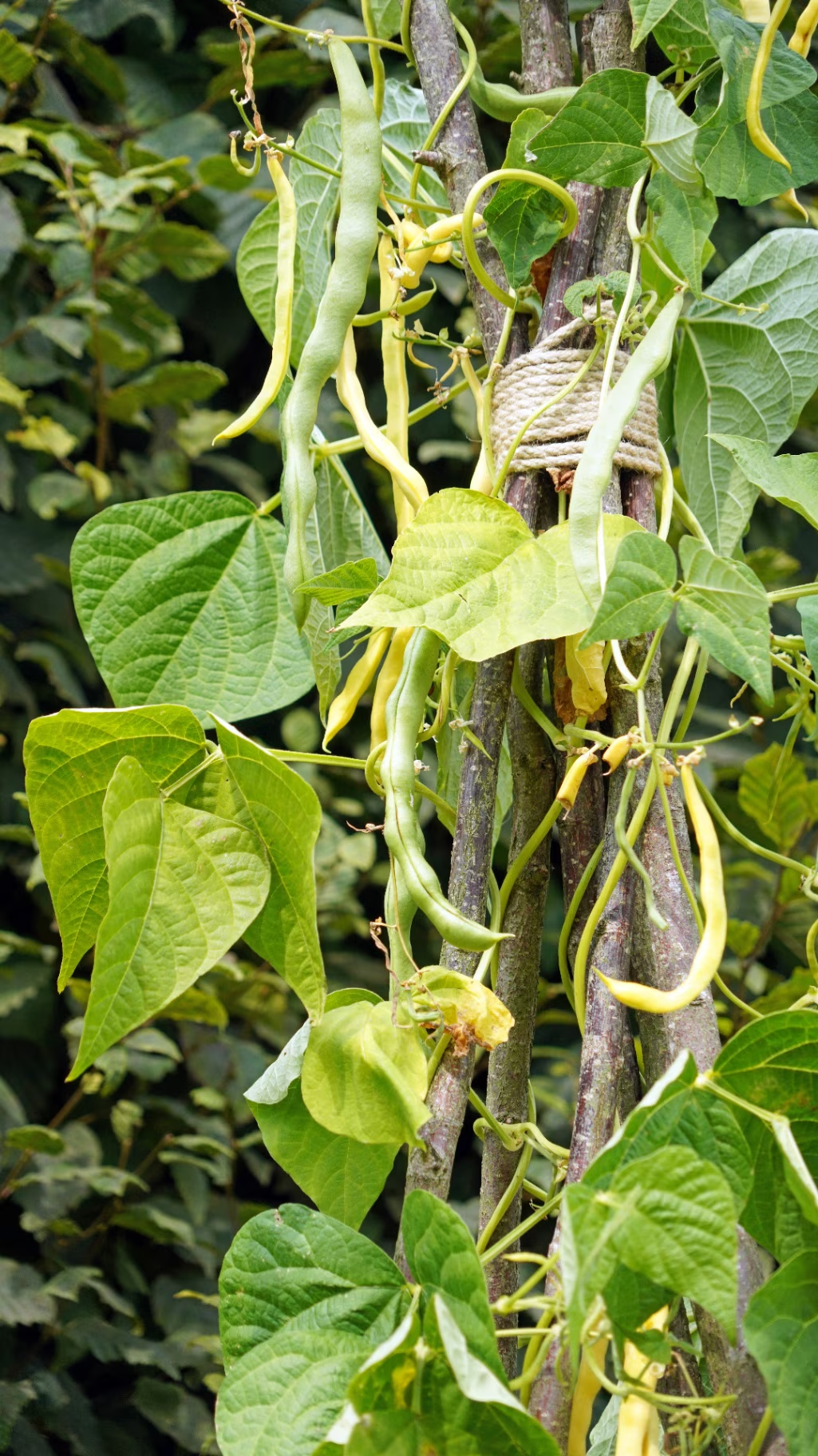 Photo credit: Shutterstock
French beans can be sown directly outdoors once the soil has warmed up, and they grow very swiftly throughout the summer. Choose a sunny spot for climbing varieties, or try dwarf beans, which are perfect for containers, smaller gardens and raised beds. If you do decide to grow a climbing variety, you will need to use a wigwam of 1.5-1.8m tall bamboo canes available from Amazon or an obelisk for them to twist their way up.
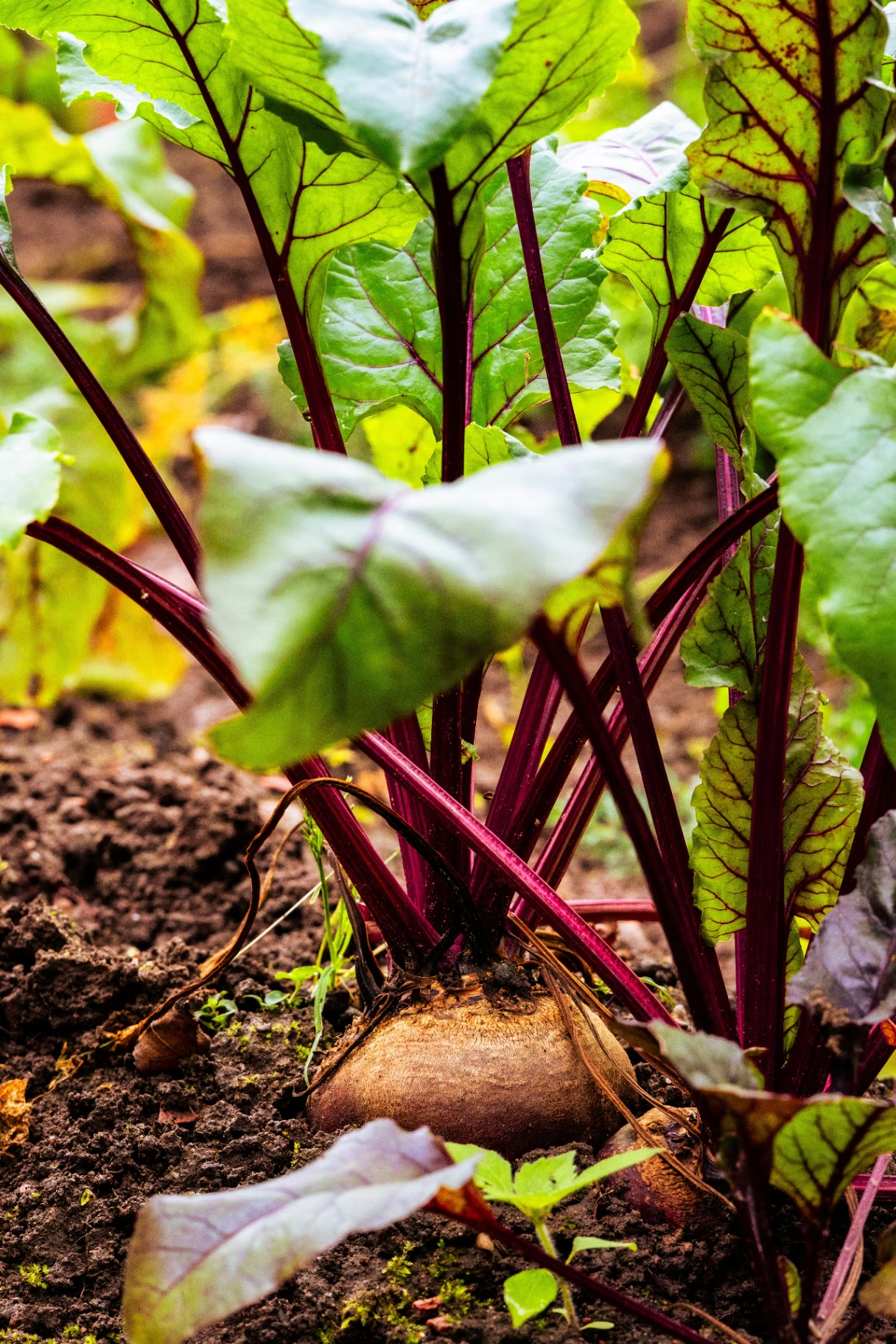 Photo credit: Shutterstock
You can sow beetroot from spring and during early summer in small, successional batches directly into veg patch soil to produce a continuous supply of these earthy roots. Beetroot doesn’t transplant very well, so resist the urge to buy plug plants. You can also harvest the young leaves for salads, which are delicious.
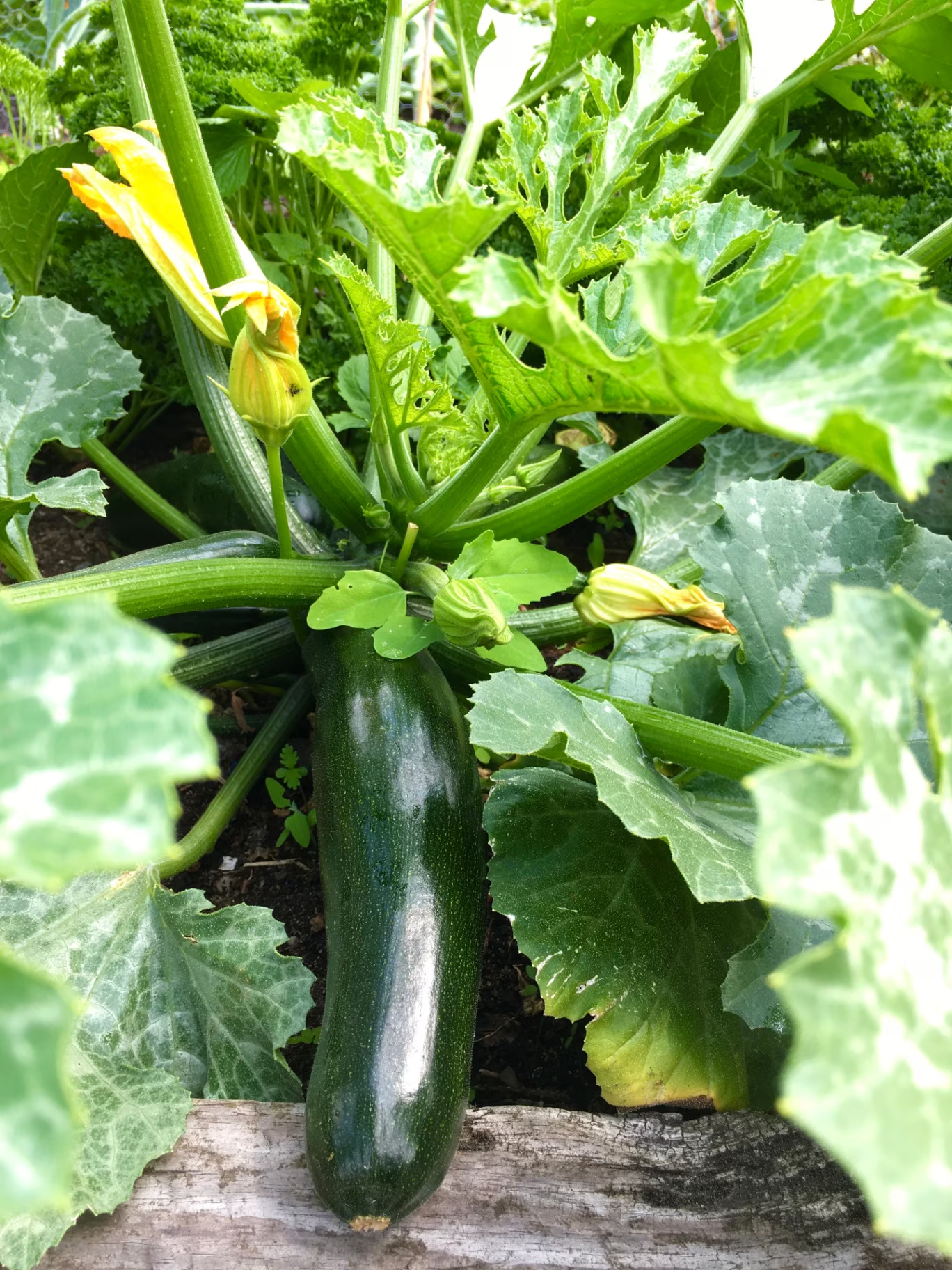 Photo credit: Shutterstock
Courgettes are a prolific cropper, making them very worthwhile, and are very happy in containers so long as you keep them regularly watered, or they can quickly succumb to powdery mildew on their leaves and stop cropping. You can plant them directly outside, and in cool summer weather, they tend to produce male flowers, but as soon as it gets warmer, female flowers appear, which are identifiable by the small fruit behind the yellow petals. You are able to harvest the male flowers for stuffed courgette flower recipes until then.
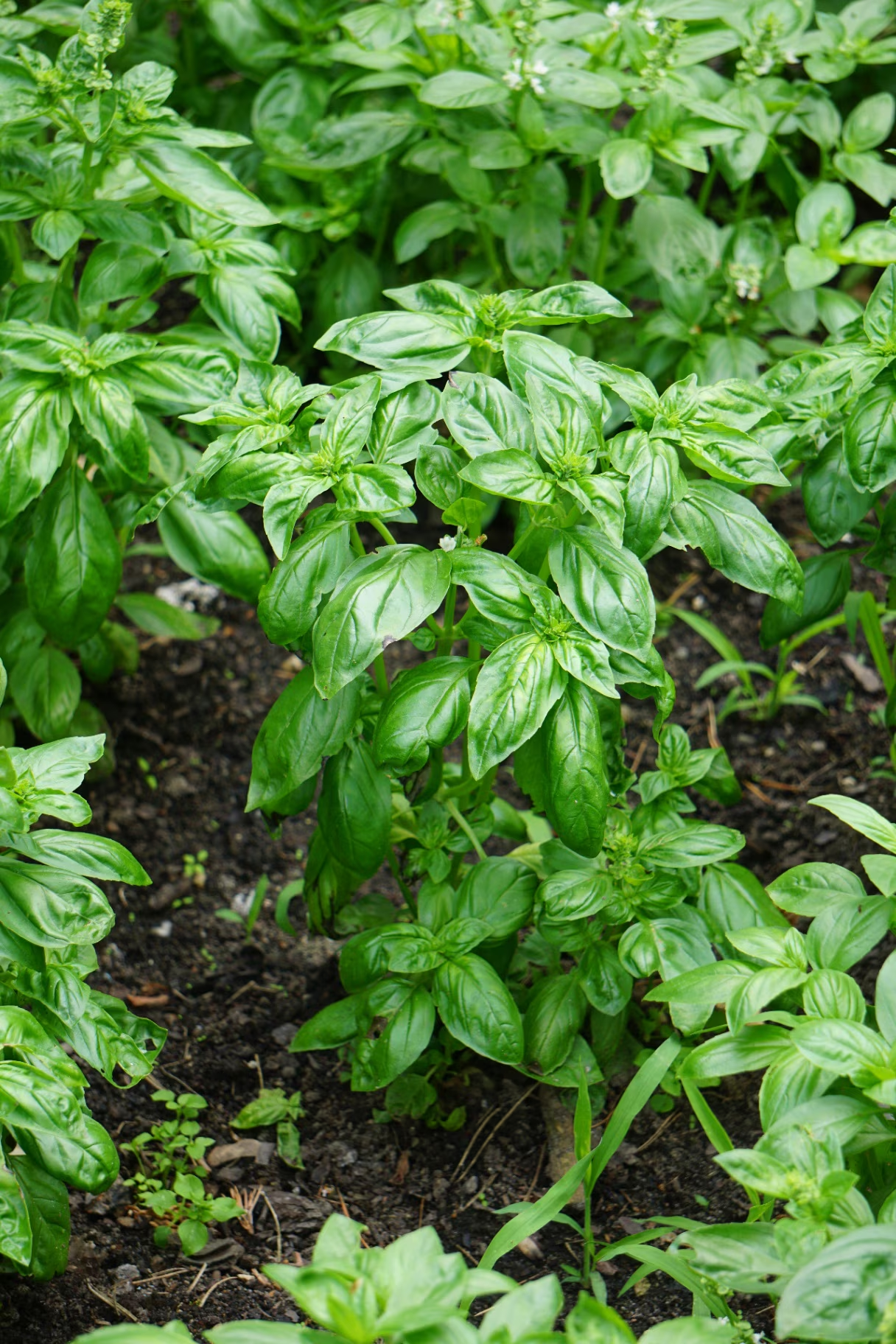 Photo credit: Shutterstock
Basil is one of the most popular herbs, and it really does thrive when the weather warms up in spring. It’s simple to start from seed; be sure to give it 6-8 hours of direct sunlight. It prefers warm temperatures and well-draining soil. You should water it consistently, but try to avoid soggy roots. Harvest your basil plant regularly using plant snips from Niwaki to encourage fresh growth.
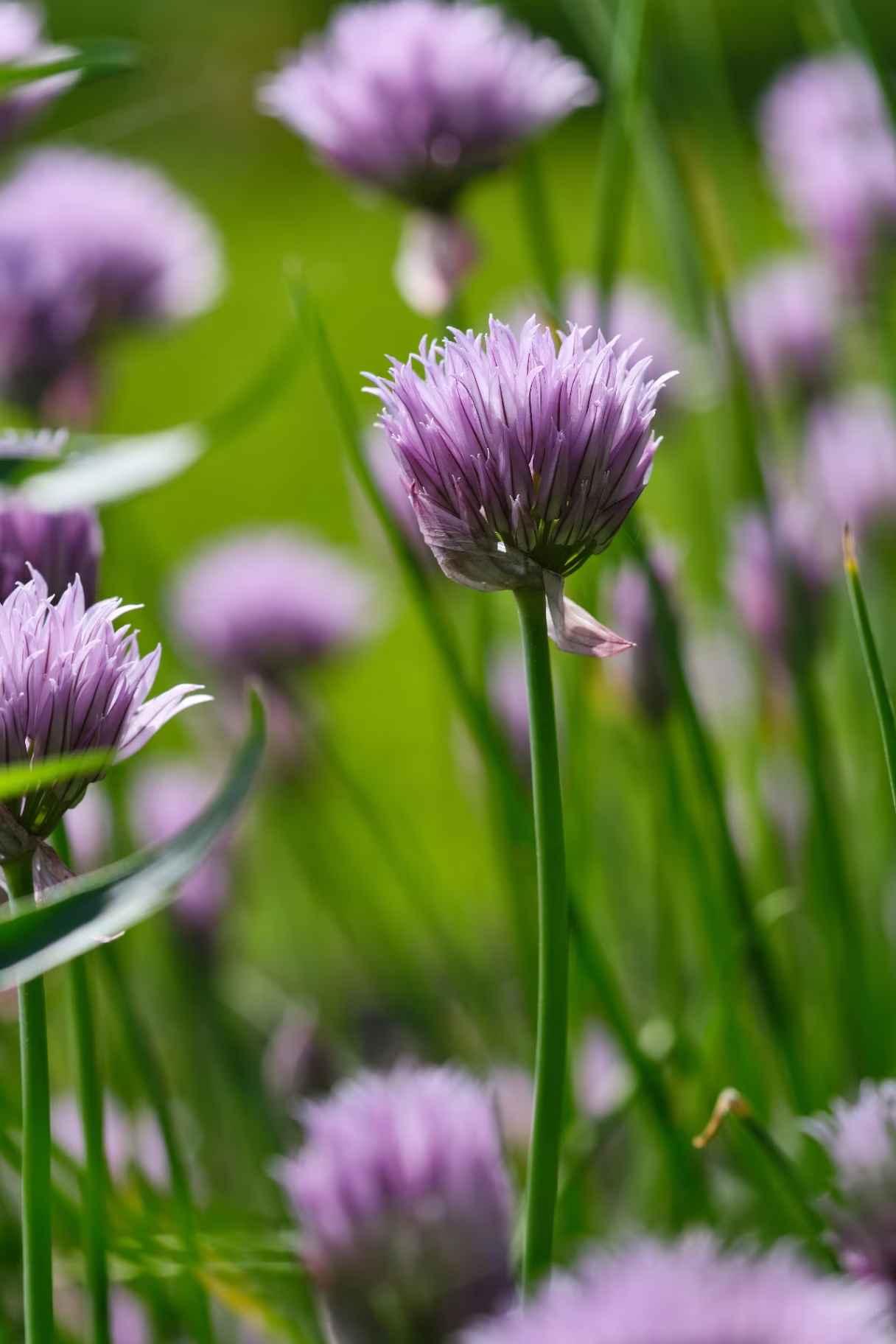 Photo credit: Shutterstock
Chives are loved for their edible leaves that have a mild onion flavour, and their pollinator-friendly flowers. They do really well in full sun to partial shade and prefer well-draining soil. When harvesting, continue to trim them regularly to encourage fresh growth and divide clumps every couple of years to keep them growing vigorously.
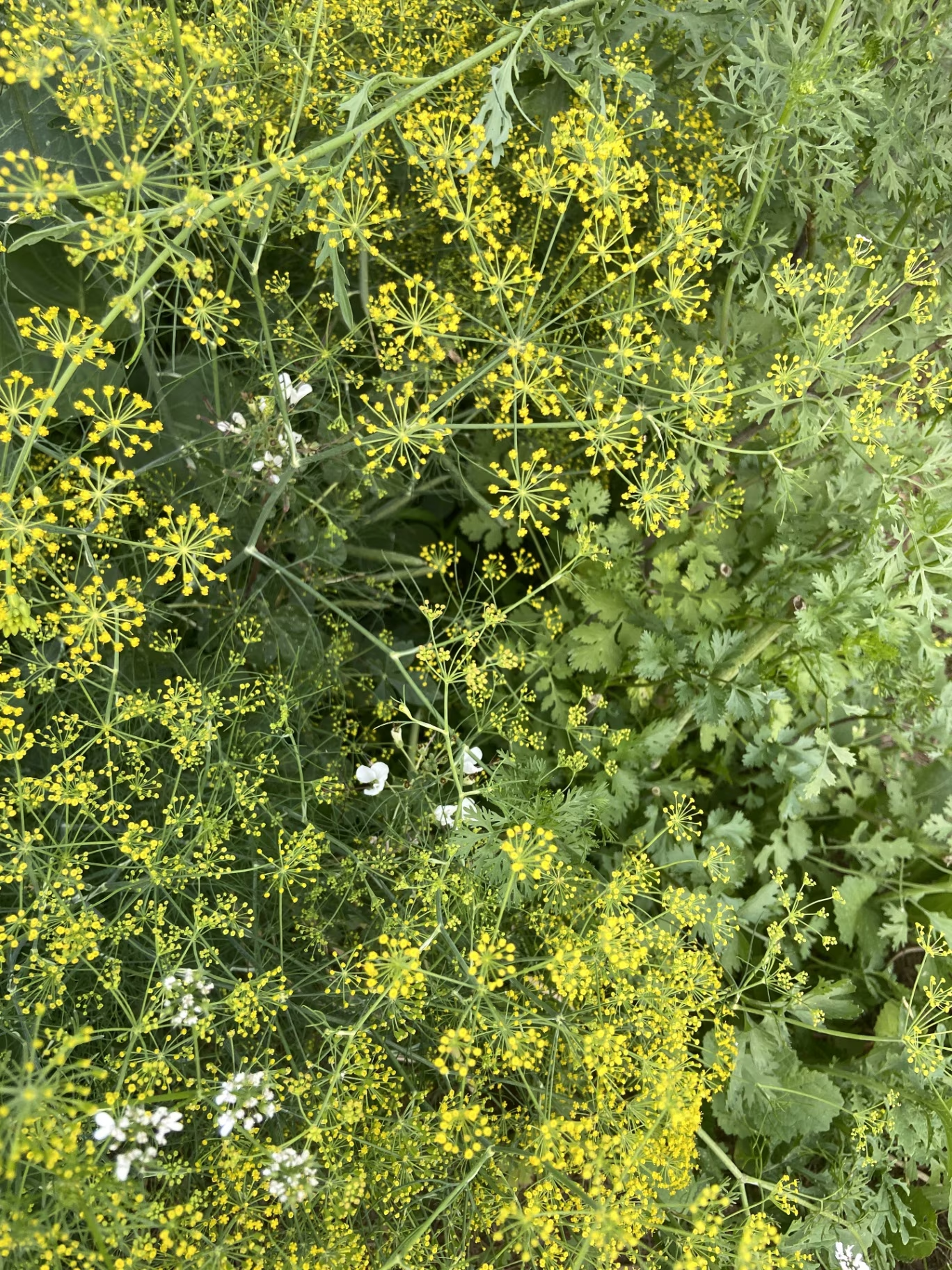 Photo credit: Shutterstock
Coriander loves being sown directly outdoors in May, and you can sow it little and often, ideally every two to three weeks, so that you can have a steady supply of beautifully fragrant leaves before late summer. It’s a fast-growing crop that will germinate quickly in moist soil.
If you are sowing seeds directly outdoors in May, you will need to prepare your soil, so be sure to invest in a rake (I like the Burgon & Ball stainless steel hand rake from Amazon) to help you clear any debris or soil. You may also use a dibber, such as this model from Berry & Bird available from Amazon, to make your planting more uniform, a watering can, like my favourite Haws model, to water your seeds, and plant labels from Garden Trading so you can keep track of what you are growing.
Comments are closed.