Caruncles (Normal): These are bumpy, fleshy, often red or pink nodules that grow on the head and neck. They are completely normal and more pronounced in males.
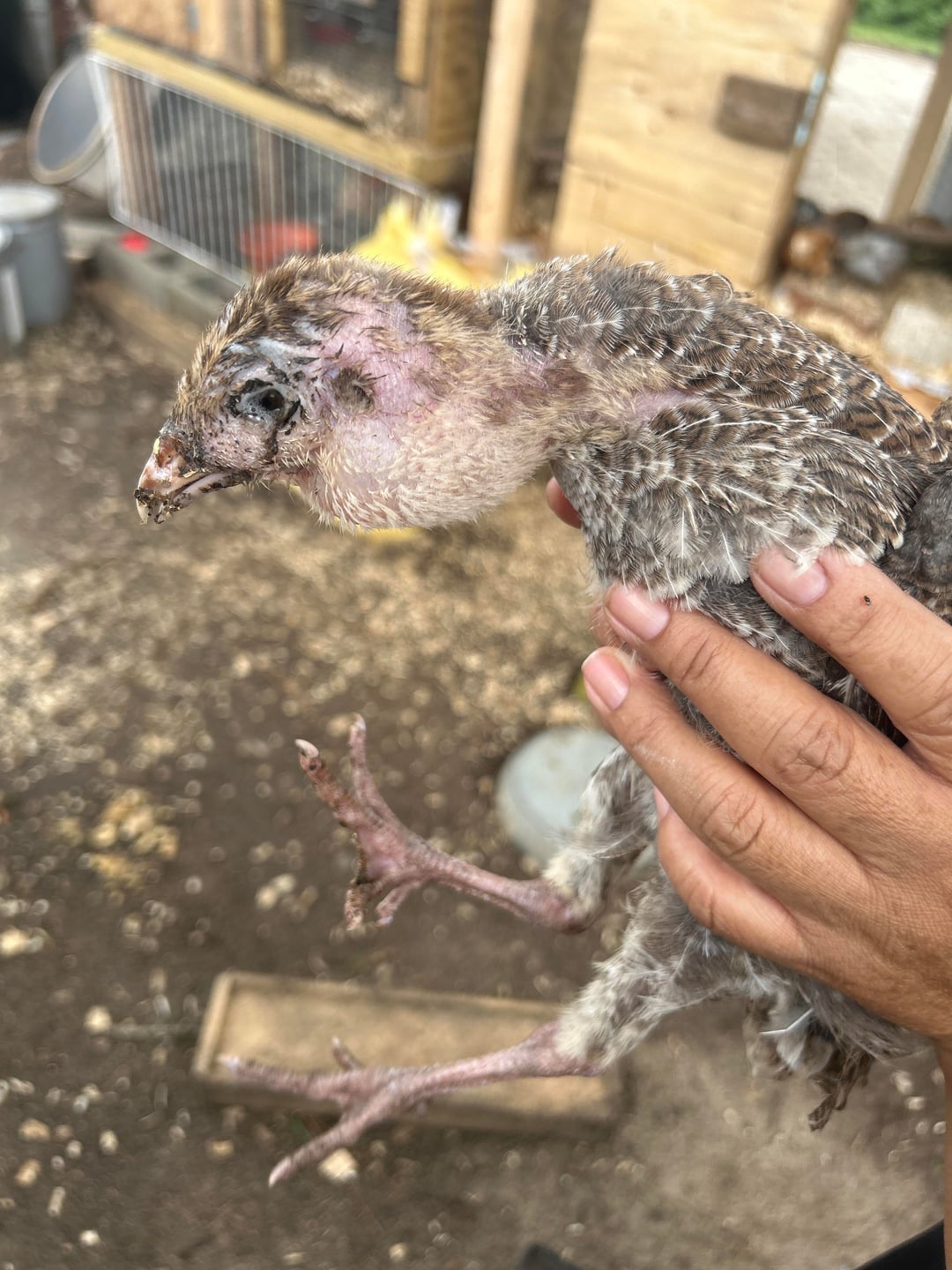
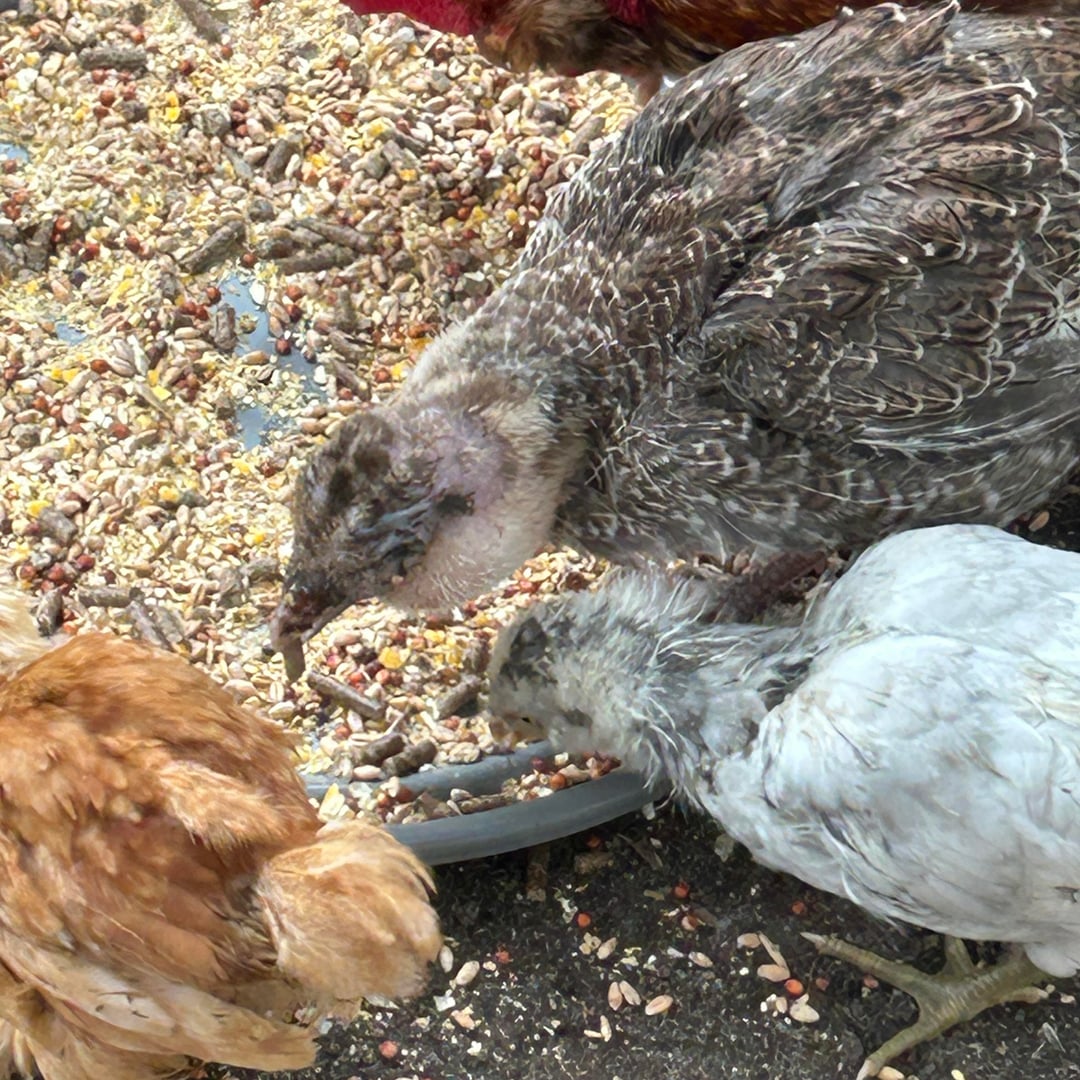
Air Sac Rupture (Subcutaneous Emphysema): If a turkey has a large, soft, balloon-like lump that feels spongy or makes a crackling sound, it may be a ruptured air sac. This allows air to escape under the skin.
Avian Pox (Viral): If the protrusions are warty, dry, and scabby lesions, they might be caused by avian pox, which is common in turkey populations.
Wry Neck (Neurological/Injury): While typically affecting the orientation of the head, trauma or severe vitamin deficiencies can cause swelling or a distorted neck posture.
What to Do:
Observe: Determine if the, bump is fleshy (normal) or a liquid/air-filled swelling.
Isolate: If the poult is exhibiting other symptoms (difficulty eating, lethargy), isolate it to avoid the spread of viruses.
Consult a Veterinarian: If the lump is large, growing rapidly, or causing breathing issues, a vet or poultry specialist should be consulted to determine if it’s a ruptured air sac or infection.

1 Comment
From a quick online search:
Potential Causes of Neck Protrusions:
Caruncles (Normal): These are bumpy, fleshy, often red or pink nodules that grow on the head and neck. They are completely normal and more pronounced in males.
Air Sac Rupture (Subcutaneous Emphysema): If a turkey has a large, soft, balloon-like lump that feels spongy or makes a crackling sound, it may be a ruptured air sac. This allows air to escape under the skin.
Avian Pox (Viral): If the protrusions are warty, dry, and scabby lesions, they might be caused by avian pox, which is common in turkey populations.
Wry Neck (Neurological/Injury): While typically affecting the orientation of the head, trauma or severe vitamin deficiencies can cause swelling or a distorted neck posture.
What to Do:
Observe: Determine if the, bump is fleshy (normal) or a liquid/air-filled swelling.
Isolate: If the poult is exhibiting other symptoms (difficulty eating, lethargy), isolate it to avoid the spread of viruses.
Consult a Veterinarian: If the lump is large, growing rapidly, or causing breathing issues, a vet or poultry specialist should be consulted to determine if it’s a ruptured air sac or infection.