


Alan has one important tip if you’re buying plants this weekend (Image: ITV/Tony Ward/Shutterstock)
With summer well on the way, May is a crucial time for gardeners. Many of us will be heading out to garden centres this weekend, picking up a few extra plants to fill in any gaps that have appeared in beds and borders.
But on his Gardening with Alan Titchmarsh channel, Gardeners’ World expert Alan Titchmarsh has one or two essential tips to bear in mind before you start filling up your trolley with pot plants. Climbing plants, in particular, can add a new dimension to your garden – as well as being invaluable for hiding unsightly walls and water butts. But stresses Alan, you need to think carefully about which spots you’re planning to fill before parting with your cash.
Read more: Vegetables Alan Titchmarsh says are ‘easiest’ to grow in May
Read more: Lawns will be greener and thicker in May with Alan Titchmarsh’s mowing method
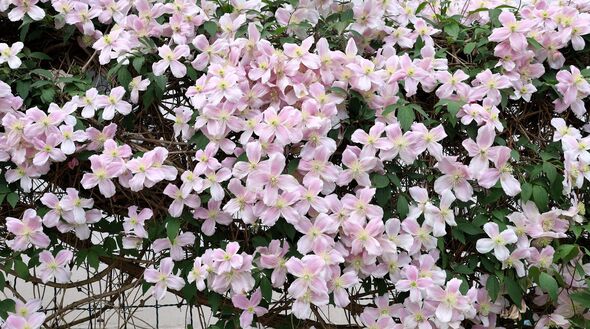
Clematis can conceal unsightly walls with a ravishing display of blooms (Image: Getty)
“There’s a wide range of climbing plants available,” he says, “so it’s important that you study where they’re going to grow before you decide which ones to pick.”
Alan advises gardeners to think hard about where their new plants will be going, and match their choice to the conditions that it will be growing in.
If you’re planting in full sun, for example, Clematis could be a good choice. But, Alan stresses, the so-called “Queen of Climbers” should always have its roots in the shade. As long as you remember that, Clematis is ideal for covering walls, fences, and pergolas.
If you’re looking for year-round interest, varieties such as Clematis armandii and C. cirrhosa bring colour early in the year and don’t lose their leaves in Autumn,
Alan adds: “Varieties like Shimmer give you large purple flowers and are good for smaller areas, while a more vigorous variety like Clemetus Montana can grow up to 12 metres and has masses of pink flowers early in the season.”
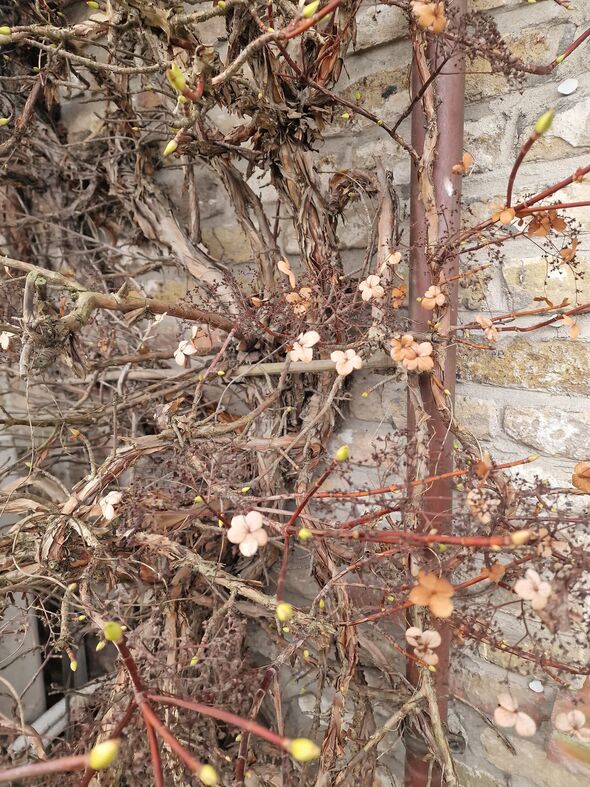
Hydrangeas will thrive in shady conditions (Image: Getty)
For areas that get less sun, Alan suggest a different option. He says: “If you’re planting in a shady spot or a north or east facing wall, a reliable option is Hydrangea petiolaris, it has fresh green foliage in spring and pretty white flowers in summer.”
In the autumn, the Hydrangea’s foliage takes on an attractive yellow colour, and it’s a great choice for providing a splash of colour in those difficult-to-fill north-facing spots.
For smaller gardens, Alan recommends talking a look at Solanum crispum Glasnevin. This vigorous, semi-evergreen scrambling climber is fast-growing, providing quick gratification for impatient gardeners, and has abundant, fragrant violet-blue flowers with yellow centres that will bloom from summer all the way through to autumn.
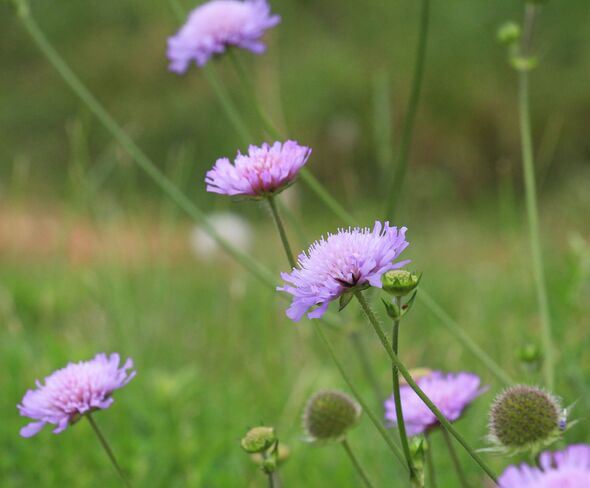
Alan has a personal reason for growing Scabious in his garden (Image: Getty)
It’s important, too, not only to think about the kind of conditions you’ll be planting in but which other plants are already nearby.: With lots of new plants going into the garden this month, the one thing you should be thinking about is companion planting,” Alan says.
“By planting flowers on the veg patch, you encourage pollinating insects to visit and they make sure that flowers on things like peas and beans are much more likely to set fruit.”
Alan recommends plants with large, daisy-type flowers such as Cosmos and Dianthus, which attract plenty of bees and butterflies to the garden, and he has a sentimental reason for adding Scabious to the mix too: “My grad-dad grew it,” he explains.
Comments are closed.