
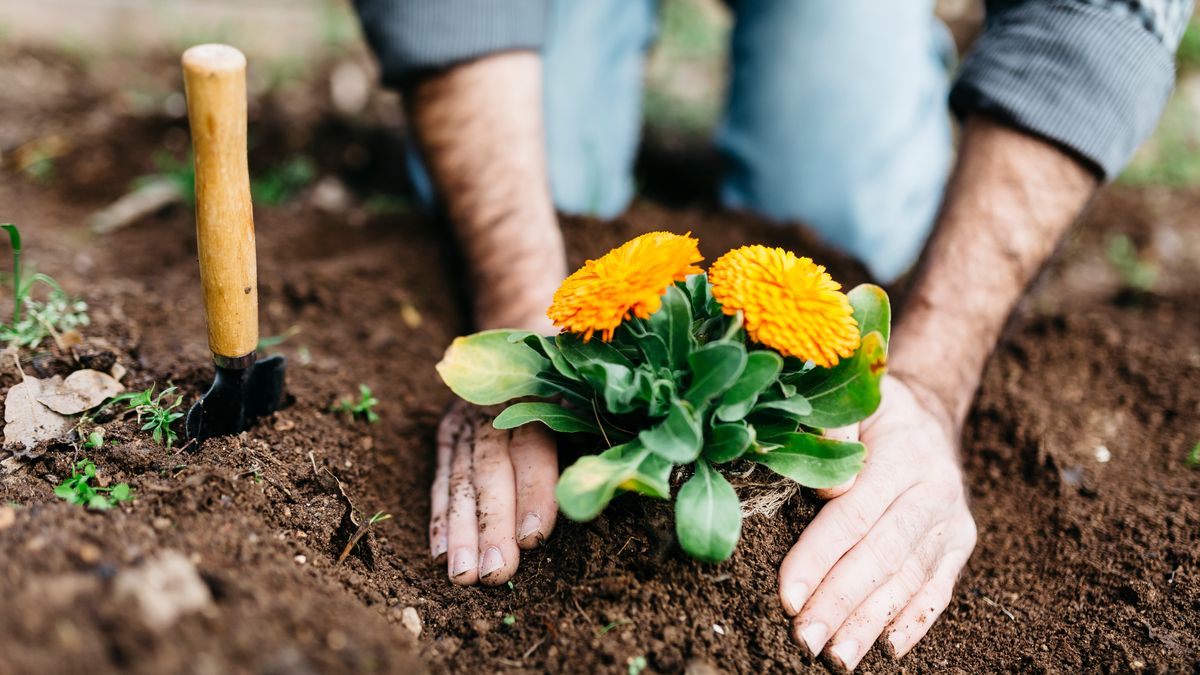
Gardeners are being warned that they could be making one vital mistake when watering their plants, and how they can check to make sure they avoid it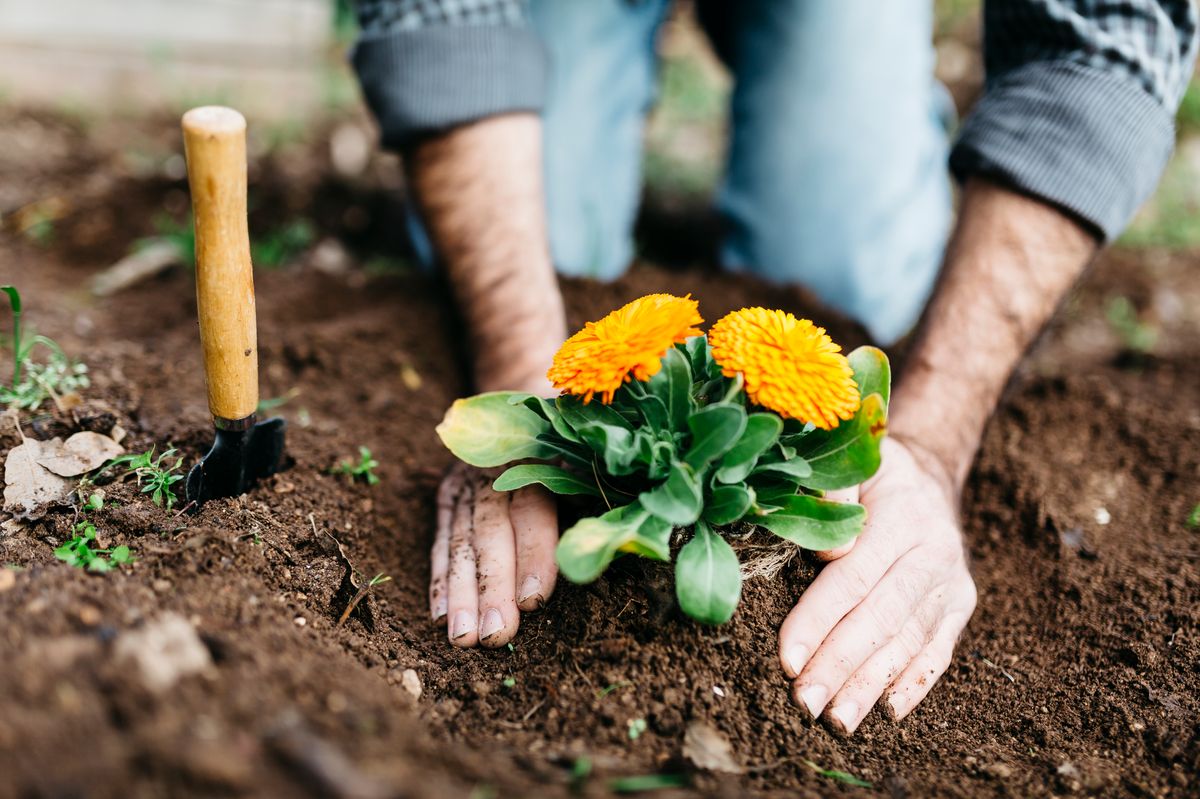
Gardeners are being told one mistake could kill their plants(Image: Getty Images)
Gardeners are being advised to “hold off longer” as they could be “accidentally” harming their plants. Horticulture expert Nick Turrell explains that many amateur green-fingered enthusiasts frequently witness their flowers “keel over and die” following watering.
According to Nick, this issue is especially prevalent amongst those using peat-free compost in their containers. The reason being that it “holds water well” even when the surface looks parched.
Below the surface, however, Nick, who advises for the RHS, cautions that the compost remains adequately moist. Yet many gardeners find themselves struggling to resist the temptation to water their plants regardless.
On the RHS YouTube channel, Nick explained: “What people do is accidentally over water. The plants go yellow, keel over and die.
“So before automatically watering, put your finger just beneath the surface, if it feels dry, give it a drop of water, if it feels damp, just hold off a bit longer. Or simply lift the pot up.
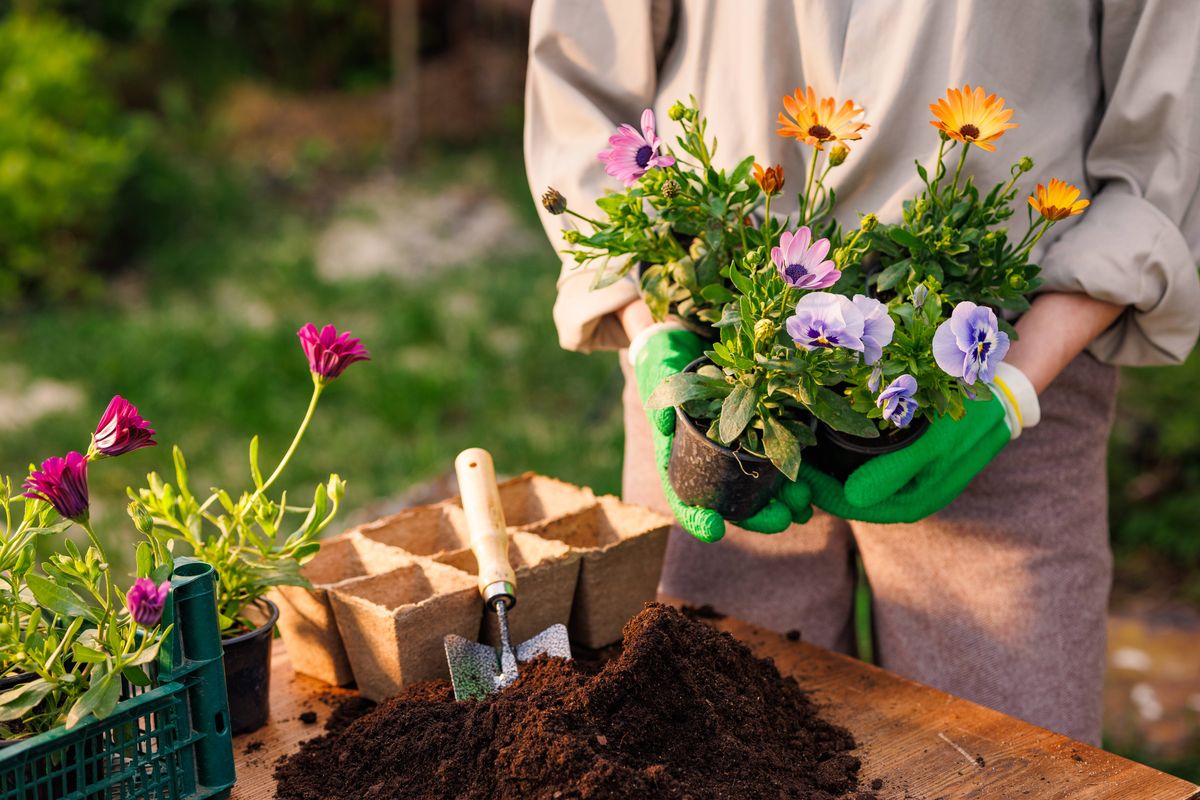
gardener plants flowers in the garden
“A pot full of dry compost feels light. A pot full of wet compost feels heavy.”
Nick also reassures gardeners that spotting mushrooms sprouting in their peat-free compost shouldn’t cause concern. He notes they “don’t do any harm” but can be removed if they’re undesirable.
This guidance arrives at a time when numerous gardeners are switching to peat-free compost as a more eco-conscious choice. The RHS states that protecting peatlands is “vital for the unique biodiversity they support”.
It states that draining peatlands for extraction purposes “releases carbon dioxide, contributing to climate change”. Britain’s peatlands are also highlighted as a vital natural defence against heavy rainfall and localised flooding.
The society advises gardeners to select a peat-free compost that is appropriate for the specific plants they intend to grow, whether that be seedlings or container plants. It notes that certain plants, such as houseplants, will require specially formulated compost mixtures.
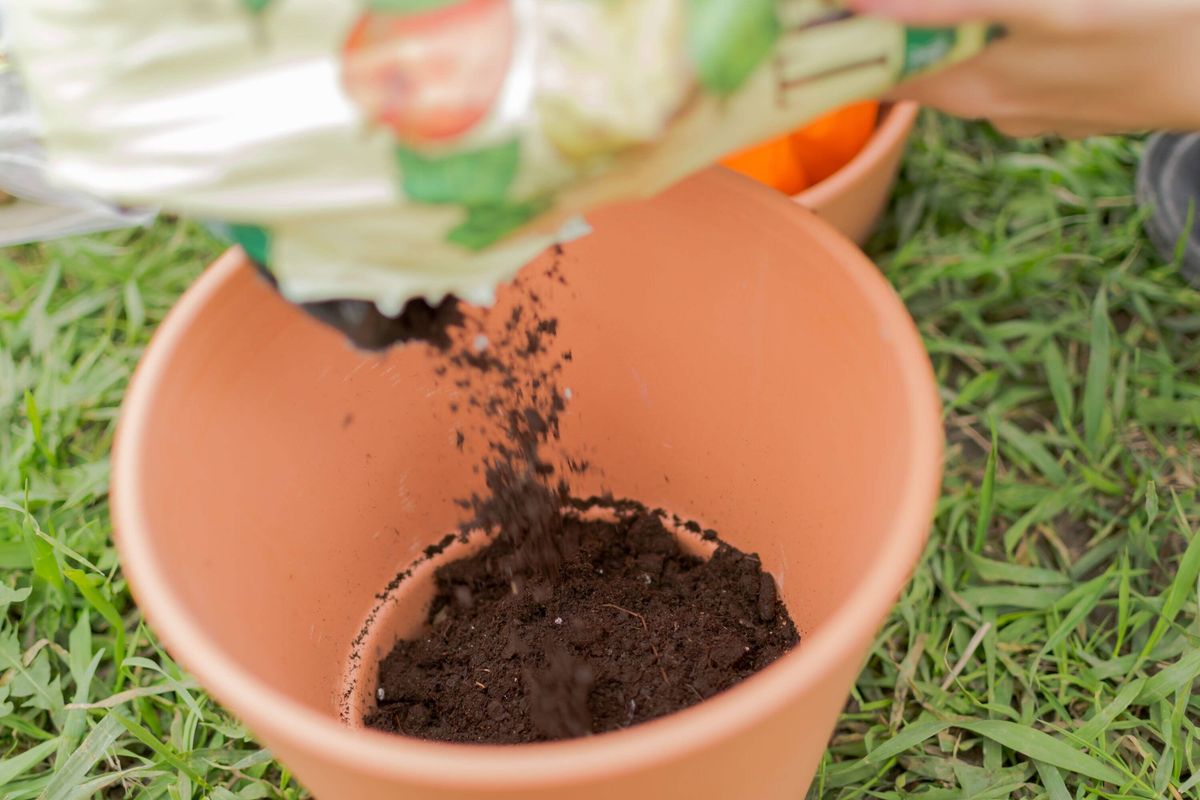
Add more compost to the bottom of the pot to give the tree more room to grow(Image: Getty)
Peat-free compost can largely be used in the same manner as conventional compost, though gardeners should bear in mind that both the feeding and watering requirements differ when using peat-free soil.
The society points out that water retention in peat-free compost can vary considerably from traditional varieties, largely due to their bark content. It suggests that gardeners opt for a considerably smaller watering can or even a mist sprayer when tending to plants grown in peat-free compost.
Those looking to plant in peat-free compost should ensure the conditions are moist but not waterlogged. The RHS explains: “Saturated compost is colder, which can slow down germination and may cause seedlings and cuttings to rot.”
Finally, Nick encouraged gardeners to verify that their compost is genuinely peat-free, adding: “If it doesn’t say peat-free on the bag, it isn’t peat-free in the bag.”
Comments are closed.