
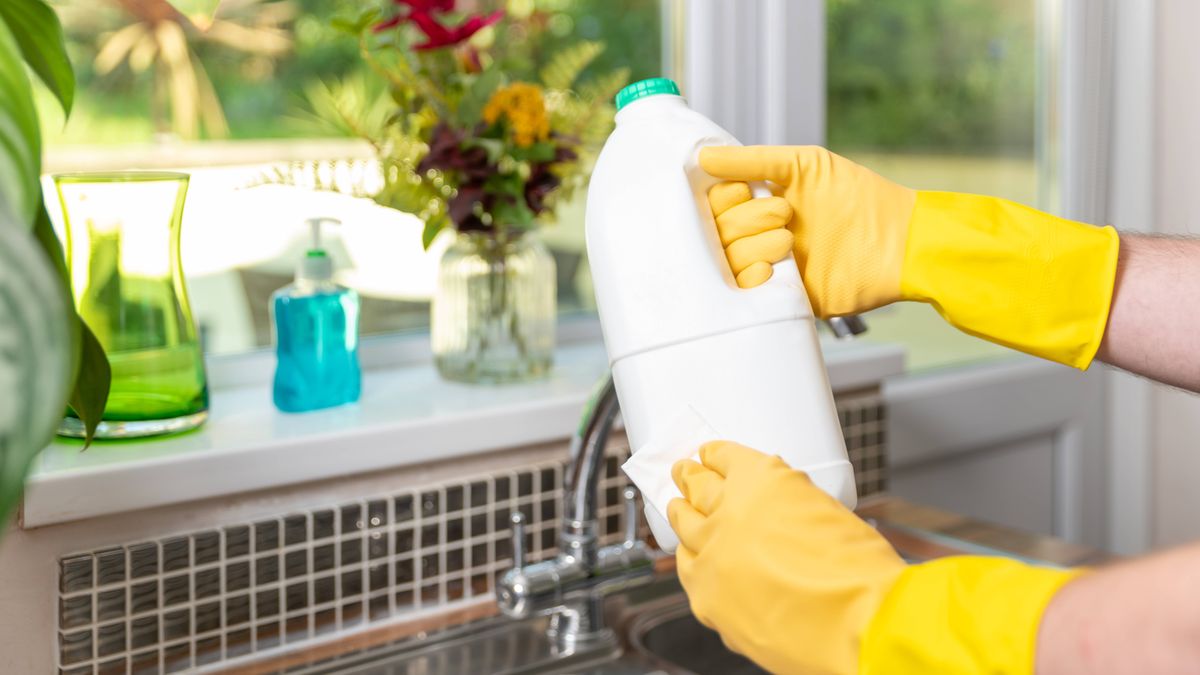
As extreme spring temperatures threaten vulnerable seedlings across the northern hemisphere, a remarkably simple upcycling technique utilizing discarded milk cartons has entirely revolutionized domestic irrigation and localized waste management.
Pioneered by horticulturalist and bestselling author Simon Akeroyd, the zero-cost hack transforms single-use plastics into highly precision watering cans. At a time when municipal recycling systems are overwhelmed and global plastic pollution has reached an absolute crisis level, this grassroots innovation offers a highly practical dual-solution. For urban farmers in East Africa grappling with increasingly erratic rainfall and exorbitant agricultural input costs, such brilliant micro-innovations represent critical strategies for maintaining household food security on a highly localized scale.
The Mechanics of the Upcycling Hack
The brilliance of Akeroyd’s viral technique lies in its profound simplicity. Utilizing nothing more than a standard ballpoint pen, gardeners pierce multiple tiny holes into the plastic lid of an empty, rinsed milk carton. This transforms the basic cap into a highly functional sprinkler head, universally known in horticultural circles as a rose. When the container is filled with water and inverted, it delivers a meticulously controlled, low-pressure shower.
This gentle water application is absolutely critical during the dangerous germination phase in May. Traditional watering cans or garden hoses frequently deliver water with too much kinetic force, violently washing away delicate seeds or breaking the fragile stems of newly sprouted seedlings. The upcycled carton guarantees the soil is deeply hydrated without causing catastrophic mechanical damage to the vulnerable plant structure.
The Global Plastic Recycling Crisis
While the hack vastly improves gardening efficiency, its environmental impact is equally staggering. The statistics surrounding single-use plastic consumption paint a terrifying picture of global waste management failure. The sheer volume of non-biodegradable material entering municipal landfills demands immediate, creative intervention at the household level before the items ever reach a trash receptacle.
By repurposing these durable plastic containers, households actively disrupt the relentless cycle of consumer waste. Furthermore, creative gardeners have expanded upon Akeroyd’s original concept, bisecting the larger cartons to utilize the sturdy bottom halves as free, highly functional seedling propagation pots, thereby extracting a second critical use from a single piece of garbage.
The Data Behind the InnovationApproximately 60,000 tonnes of milk cartons are consumed annually in the United Kingdom alone.Only an estimated 29.5 percent of these specific cartons are successfully processed by commercial recycling facilities.Simon Akeroyd’s instructional gardening content reaches a massive global audience of over 800,000 active followers.The upcycled nozzle provides a calculated low-pressure water flow, significantly increasing seedling survival rates by mitigating devastating soil erosion.Empowering the Urban Farmer
The economic implications of this free technology are profound for low-income urban environments. In the densely populated informal settlements of Nairobi, such as Kibera and Mathare, residents utilize vertical sack farming to cultivate essential vegetables like kale and spinach. Purchasing expensive, manufactured gardening equipment is simply impossible for these demographics.
The ability to instantly convert abundant street waste into highly effective agricultural tools directly empowers these communities to increase their daily crop yields. It builds immediate climate resilience, allowing farmers to efficiently utilize scarce water resources during punishing dry seasons without wasting a single drop to heavy runoff.
True sustainability is rarely found in expensive technological breakthroughs; it is forged in the quiet, resourceful reuse of the items we are conditioned to throw away.
Comments are closed.