
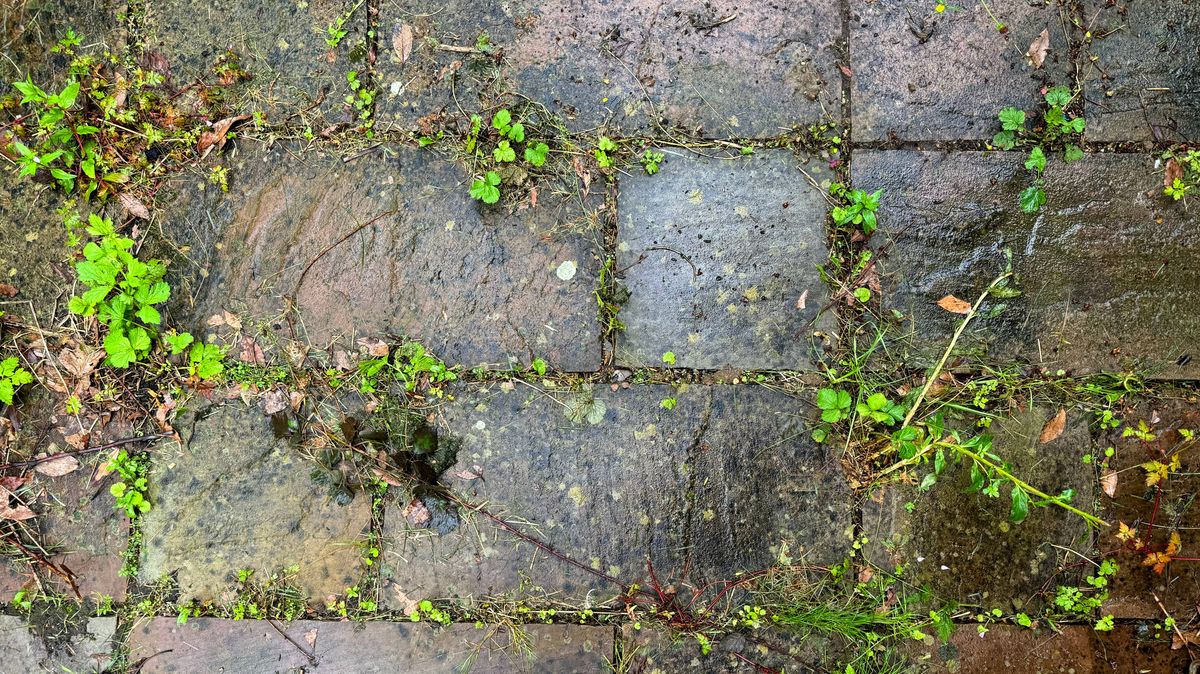
Moss can be a persistent hazard on patios, but one inexpensive kitchen staple can help tackle it effectively and significantly reduce the chances of it returning
08:56, 06 May 2026Updated 06:15, 09 May 2026
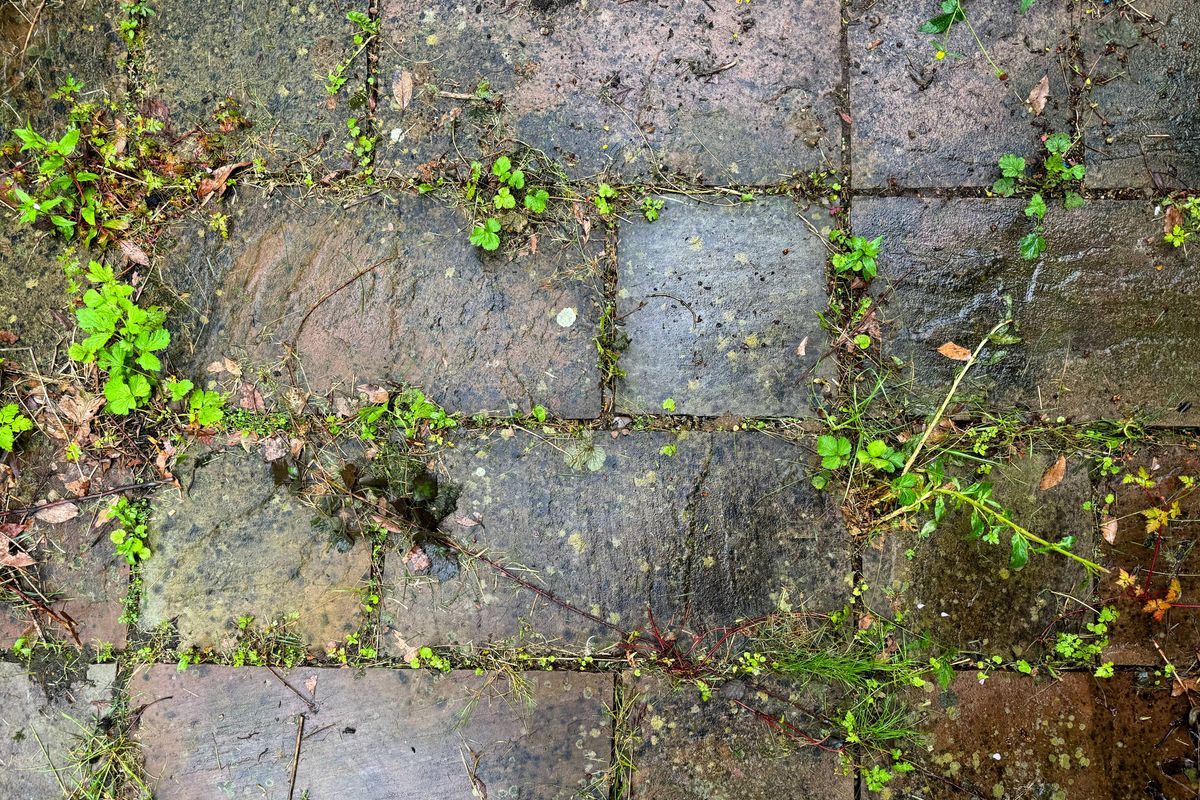
Moss can be a persistent hazard on patios, but one inexpensive kitchen staple can help tackle it effectively and significantly reduce the chances of it returning(Image: Tim Parker via Getty Images)
While moss can add a charming, rustic character to a garden, it presents a real safety risk, dramatically heightening the danger of slips and falls when it establishes itself on patios. The threat becomes more acute during spring, as it builds up into a thick, slippery coating throughout the colder months, staying dangerously wet during spring’s persistent rainfall.
The most persuasive reason to remove it swiftly, though, is that moss traps moisture on surfaces, which can lead stone patios to crack or wooden ones to decay if left continuously damp. While most homeowners opt for a hose or pressure washer, landscape designer Mary Stone has warned against this method.
As reported by the Express, Mary said: “I once used a power washer, which is risky for damaging the stone. Then there’s the ick factor of scum kicking back at you.”
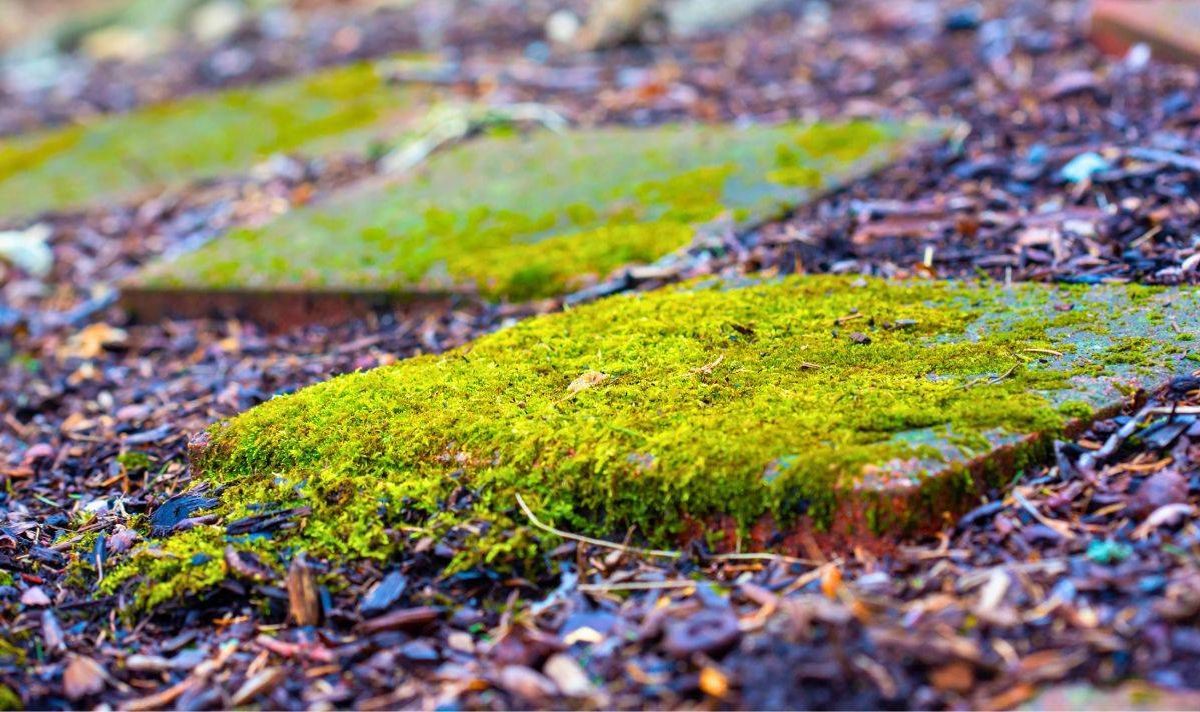
Moss can be a slipping hazard and begin harming patios once spring begins(Image: Getty)
She added: “The power washing outcome was clean centres of each stone, while the areas near the joints remained green. Not so pretty.”
What is the best way to eliminate moss?
Moss is a rootless plant that survives by dispersing its spores into cracks and joints, but if any tiny fragment is left behind, it will regrow extraordinarily rapidly.
Pressure washing often proves ineffective at removing moss from patios, as it fails to extract spores lodged deep within the joints, meaning it generally returns within merely a few weeks. There’s no need to spend hours on your hands and knees scrubbing your patio or reaching for harsh chemical moss killers, as one of the most effective remedies is simply pouring washing-up liquid directly onto the problem area.
Mary explained: “A good old soapy water mix made from three tablespoons of biodegradable dish soap (free of harmful bleach or fragrance) to one gallon of warm water, can do the trick. Be sure to use a plastic or natural-bristle deck brush; never a metal brush, as it will scratch.”
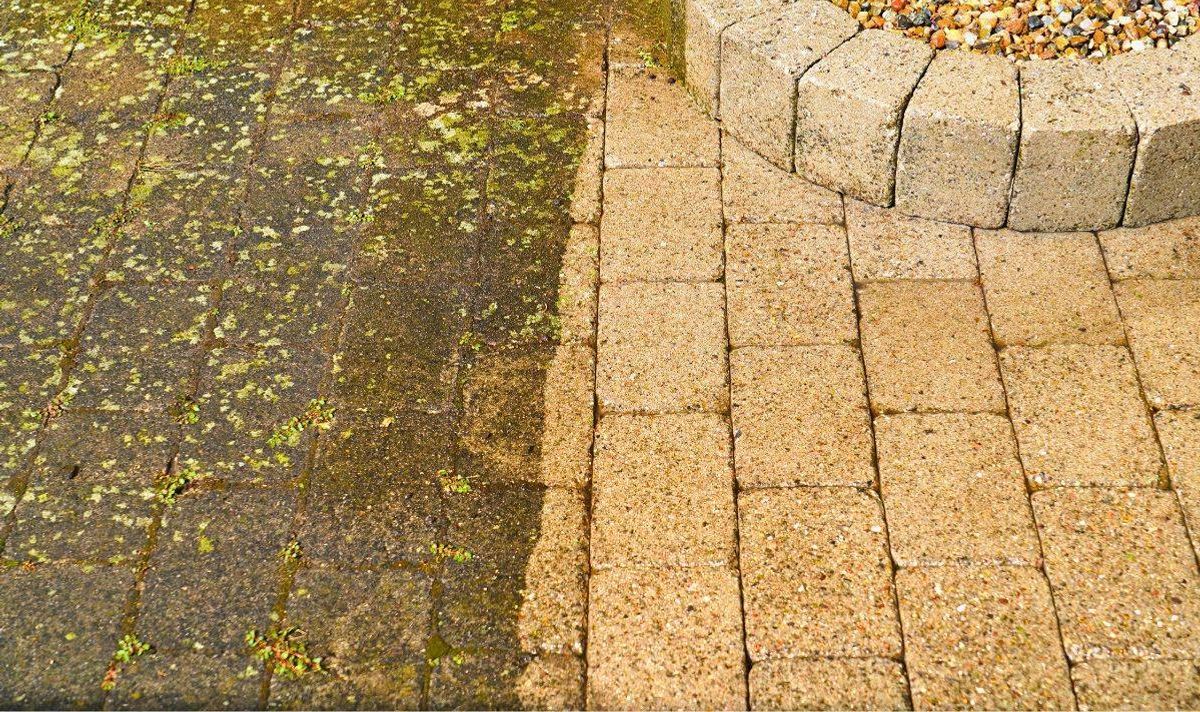
Moss and algae will stay off patios for good(Image: Getty)
Why does washing-up liquid stop moss from coming back?
It might sound too good to be true, but washing-up liquid works by breaking down the waxy protective layer on moss, swiftly dehydrating the spores and causing them to die off.
Washing-up liquid seeps deep into moss, targeting spores buried within patio surfaces to wipe out every last trace and halt regrowth throughout the spring months.
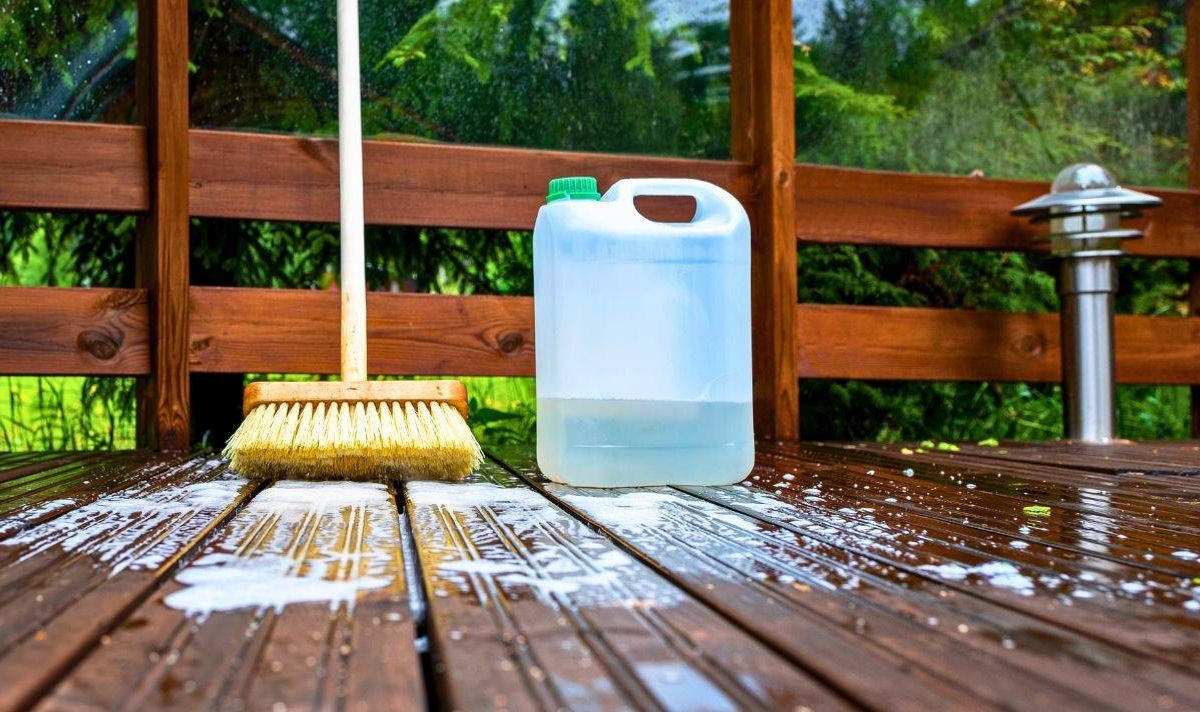
Your patio will be completely clear and moss-free without needing a harsh chemical solution(Image: Getty)
How to tackle patio moss using washing-up liquid
Simply mix washing-up liquid with warm water in a bucket and apply the solution directly onto the affected moss.
Leave it to soak for several hours, giving the mixture enough time to break down the moss and dry it out entirely – at which point it should look completely dead.
Take a stiff brush or broom and sweep away the dried moss. Once done, rinse the area thoroughly with clean water or a hosepipe to dilute the washing-up liquid, safeguarding any nearby plants or grass from potential damage.
Your patio should now be gleaming, having been thoroughly cleaned using a budget-friendly product that is completely safe for your garden.
Comments are closed.