
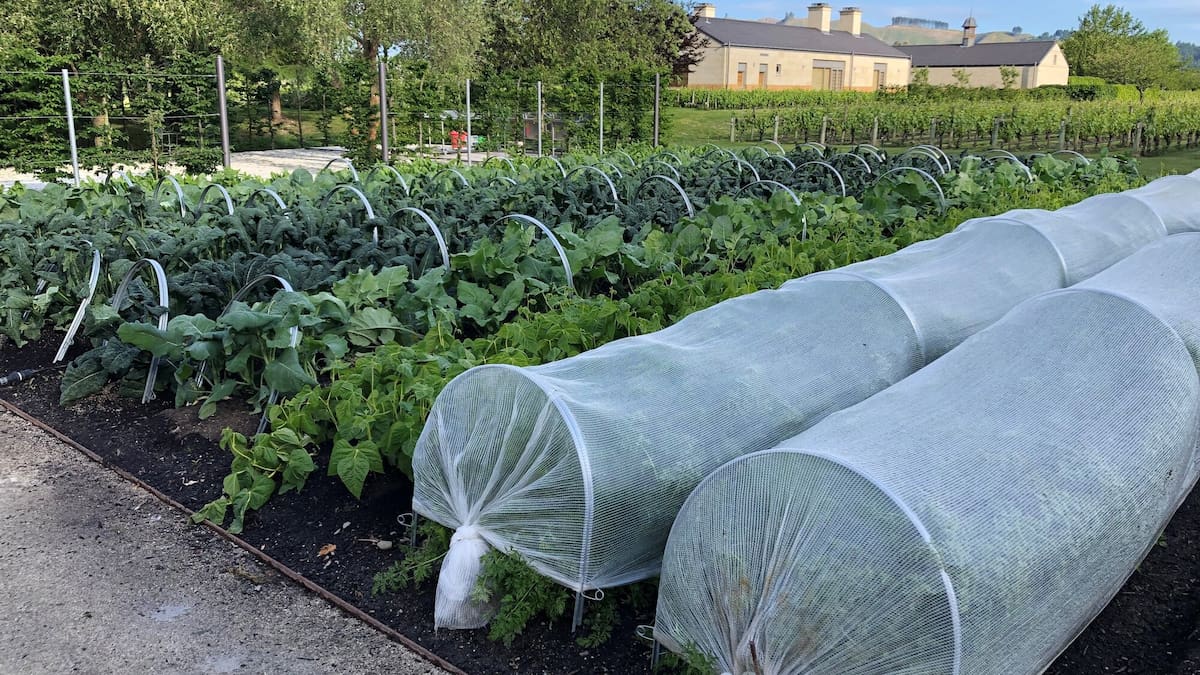
Broad beans are a cool-season crop and it is time to start sowing them, with a second sowing in June or July as a successive crop. They are normally ready for eating in 16 weeks. They are best grown in full sun in well-dug soil and sheltered from the wind. Protect them with bird netting as, when the seeds germinate, birds tend to pull them out.
Place seeds in double rows 10-25cm apart and set the double rows about 90cm apart. This will help ensure there is good pollination. Sow 5cm deep, cover with fine soil and keep moist. Water regularly as this is important during pod setting.
Pods picked at a young stage can be eaten whole although normally they are left to mature and only the beans are eaten. Broad beans like lime and sulphate of potash – apply to the ground before sowing. Check out the variety Mr Green Seed, which is part of a range of seeds called Chefs Best, distributed by Ican.
You can sow a row or two of peas if you wish to grow your own. Peas like lime added to the soil. Soak the seeds for four to six hours to hasten germination. If sown now, you should be picking them by October. The top variety, part of the Chefs Best Ican range, is Pea-Magic. It has dark green pods on vigorous, high-yielding plants. Good resistance to fusarium and powdery mildew means you keep picking until the last pod is produced.
If you are keen to grow your own onions from seed, now is the time to sow sweet red, odourless and, of course, Pukekohe long-keeper. The soil for all onions, shallots and garlic should be fertilised with potato food. When planting onions make sure the ground is thoroughly firmed.
Overwinter vacant beds with a green crop
If you do not intend to plant a winter vegetable garden, rather than letting the area become invaded with weeds, it is recommended you sow a green crop. Growing a green crop is also good for flower beds and new garden sections.
The two most popular are blue lupin and mustard, and there is also a mix pack which contains both of these plus oats.
Blue lupin is useful for maintaining soil fertility. It assists in recycling lost nutrients from your subsoil and adds a good level of nitrogen, which is available to your next crops.
Mustard aids in the control of wireworm nematodes etc, which are often associated with root crops such as carrots and parsnips. Mustard also reduces the chances of soil-borne diseases within about 40 days of digging in. If clubroot is a problem, don’t plant brassica crops after mustard.
Strawberry runner planting season – late May
Now is a good time to prepare for strawberries.
Bareroot bundles of plants should be ordered in the garden centre now to ensure you don’t miss out on getting them at the best price (they generally come in bundles of 25 plants).
Strawberries are the most popular berry fruit and a small patch in the home garden can provide a good supply over a long season. They tolerate a little shade but crop better and earlier in a sunny situation.
A practical idea is to plant strawberry plants under the clothesline where the flapping clothes will scare away birds. Avoid planting in areas which have grown potatoes, tomatoes, peppers, aubergines or raspberries within the past three years, because strawberries can contract verticillium wilt and other root diseases from these crops.
Strawberry plants can be grown on a wide range of soils, although medium to fairly heavy acid soils are best within a pH range of 5.8 to 6.2. Soils can be improved with the addition of compost or other organic material. Good drainage is essential.
Prepare the strawberry bed by digging in compost or manure several weeks before planting. Polythene or weed mat can be set down to suppress weeds, reduce disease risk and advance the crop.
For more gardening information, visit www.springvalegardencentre.co.nz
Comments are closed.