
When you buy through links on our articles, Future and its syndication partners may earn a commission.
I’m a strong, independent woman. I kept my own surname, for heaven’s sake. But if there’s one place I begrudgingly defer to my husband, it’s the garden, which is deeply annoying, because I write about gardening for a living. I know my alliums from my asters. I can hold forth on pollinators, peat-free compost, and why everyone suddenly wants a prairie border.
But my husband? Well, he’s a professional gardener. He’s been one for over two decades, in fact. And however much it pains me to admit it, the man really does know his stuff.
Advertisement
Advertisement
Unfortunately, this means there are certain popular plants I will apparently never be allowed to grow unless I start sneaking them home from the garden center and hiding them in a secret rebellious container garden somewhere behind the shed.
The Popular Plants That Professional Gardeners Dislike
Now, while I absolutely could start my own secret garden of banned plants, I won’t. Because the really irritating thing is that his reasons for steering clear of these popular plants? Well, they’re usually grounded in very sound logic.
Without any further ado, then…
1. Hybrid roses
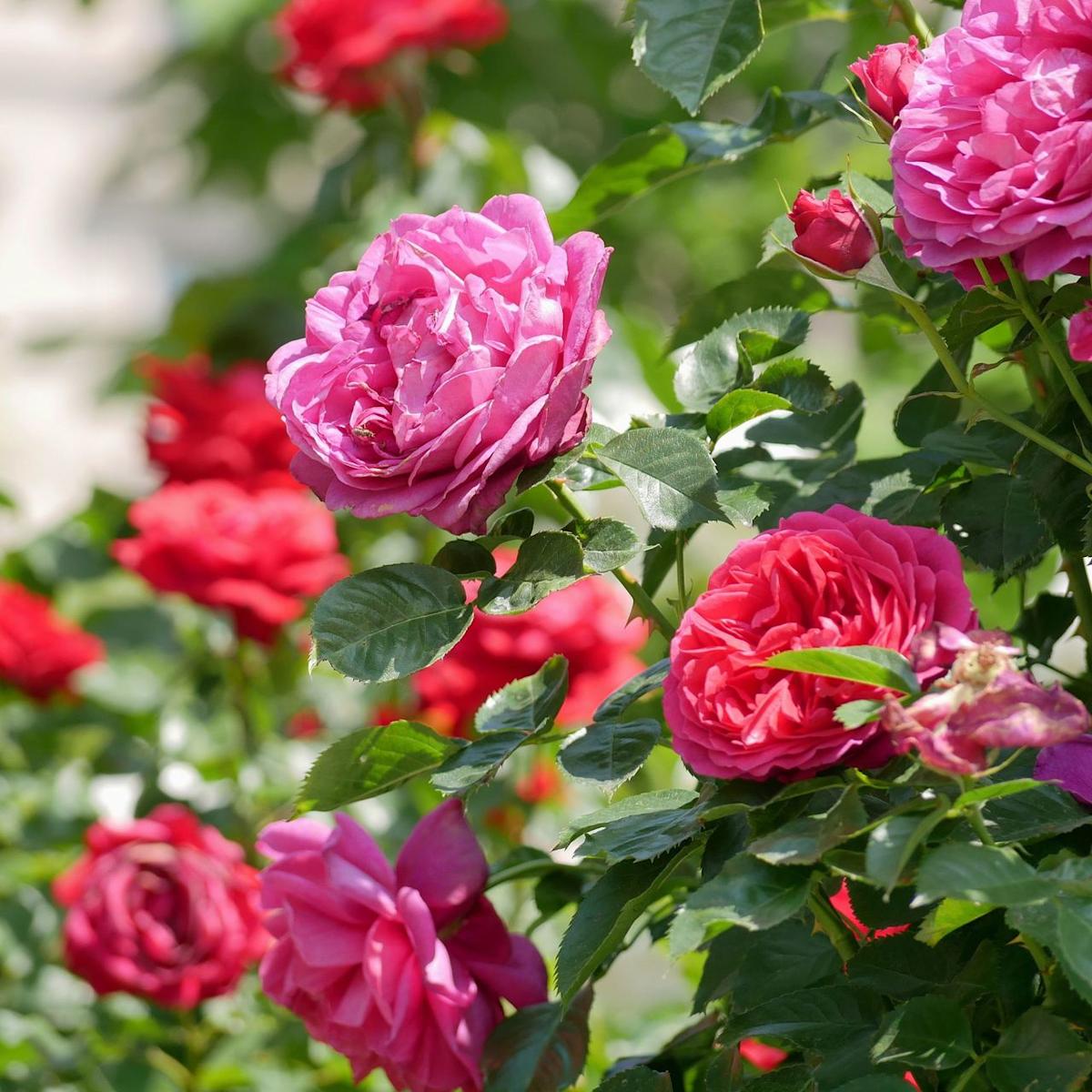
I know the real reason my husband hates hybrid roses is because he thinks they make a garden look like “a retired colonel’s front yard in 1997,” but apparently there’s more to it than that.
Advertisement
Advertisement
Every single time I get excited over a big, blousy hybrid tea rose at the garden center, he reminds me that many heavily bred double-flowered roses are far less useful for pollinators. Their densely packed petals make it difficult – sometimes impossible – for bees and other insects to access nectar and pollen properly.
Instead, he keeps trying to steer me toward tougher, more wildlife-friendly roses like Rosa rugosa, which he insists smell better, feed pollinators properly, and don’t require “constant emotional support.”
Which, fine. Annoyingly reasonable.
Buy Rosa Rugosa:
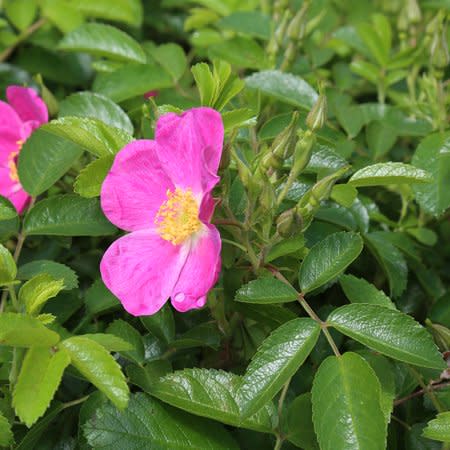
Rosalina Rugosa Rose Bush Live Plant
This beautiful rose variety is suitable for a wide range of climates, thriving in hardiness zones 3 through 10.
Advertisement
Advertisement
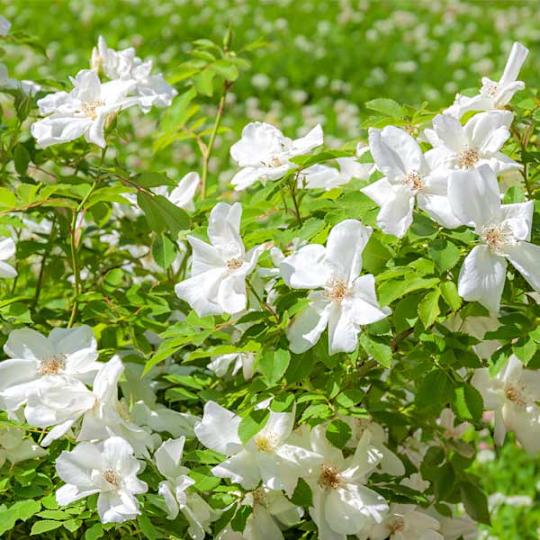
White Rugosa Rose
This cold hardy beauty thrives in Zones 2-7, and it’s not just a polliantor magnet; songbirds love it, too.
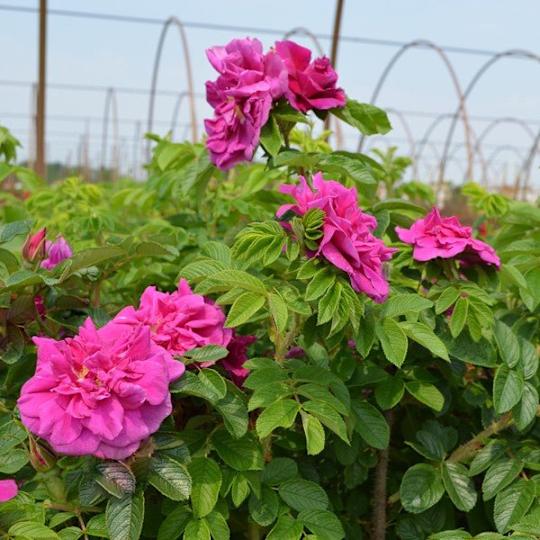
Hansa Hybrid Rugosa Rose
Thriving in USDA Planting Zones 3-7, this beautifully fragranced rose promises big blooms all summer long.
2. Hostas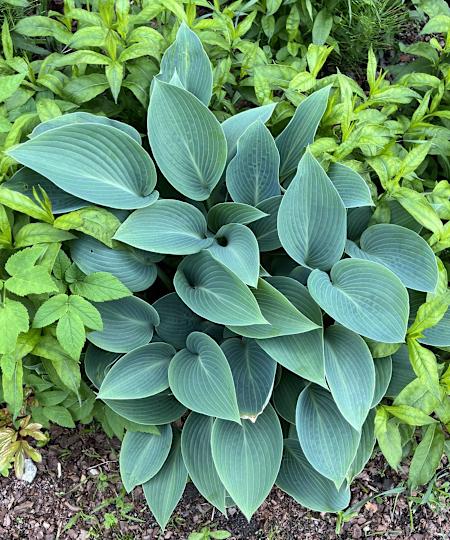
Credit: Helen Pitt / Shutterstock
Advertisement
Advertisement
This is perhaps the cruellest one because my husband actually loves hostas. Loves them. The lush leaves! The shade tolerance! The texture!
Unfortunately, he hates slugs and snails even more, and to him, planting hostas is essentially like laying out an all-you-can-eat buffet for every mollusc within a five-mile radius.
To be honest, he has a point here; I have seen hostas reduced to lacework overnight. Thank goodness I can rely on ferns to give me that vibrant green effect instead, right? The Lady in Red Fern from Nature Hills is a great option that looks as good to us as it does grossly unappealing to slugs.
3. Annuals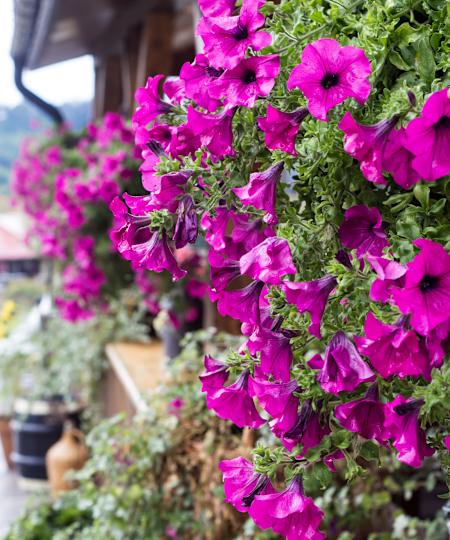
Credit: Joanna Stankiewicz Witek / Shutterstock
My husband hates bedding plants with the kind of passion most people reserve for their most toxic exes or delayed flights.
Advertisement
Advertisement
These trays of brightly colored annuals are usually destined for containers and borders, but they end dramatically a few months later. And, according to him, constantly replacing seasonal bedding is resource-heavy, wasteful, thirsty, and often reliant on plastic trays, intensive watering, and peat-based composts.
Personally, I think a big overflowing planter of petunias is joyful, but c’est la vie. At least we get to plant coneflowers and other perennials in abundance instead.
4. Tulips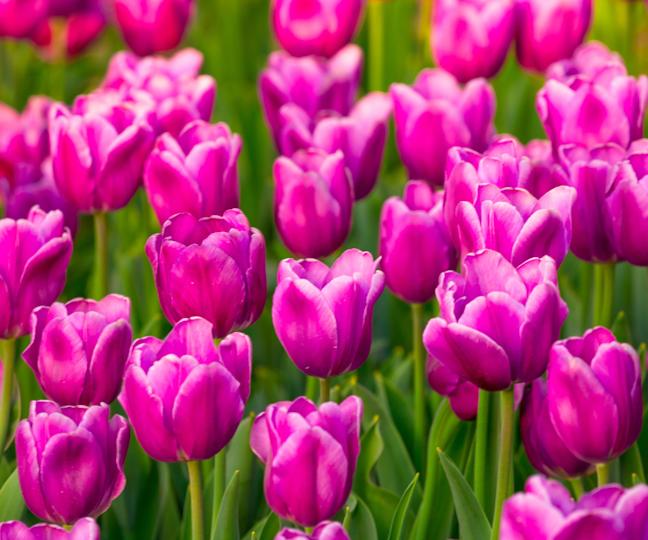
Credit: Vera Larina / Shutterstock
I think tulips are cheerful blooms that make spring feel properly celebratory. My husband, though,. regards them with wary vigilance due to tulip fire – a fungal disease that causes distorted growth and brown spotting.
As if he hadn’t made his point with that, he also has let slip that tulips are “too much effort for something that disappears in five minutes” and maintains that most modern tulip displays are effectively treated like annuals anyway, requiring constant lifting, replacing, and replanting to keep them looking good year after year.
Advertisement
Advertisement
Naturally, this is very tedious information to hear when you are holding an armful of beautiful tulip bulbs. Thank goodness there are so many unusual spring bulbs I can use as alternatives, I suppose.
5. Passionflower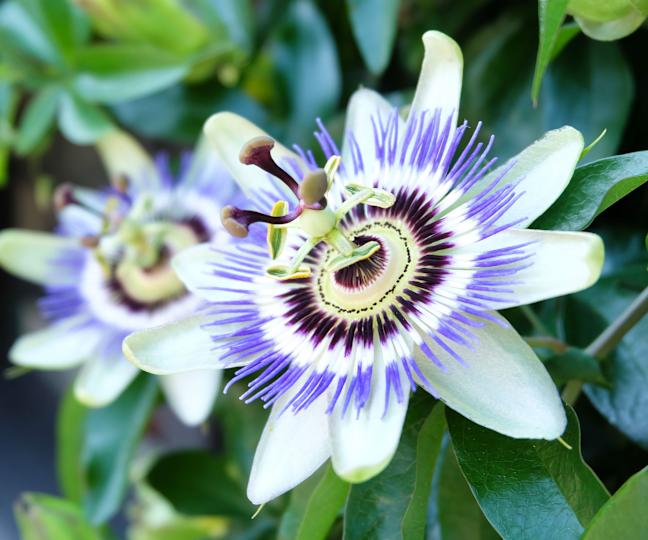
Credit: Namthip-Muanthongthae / Getty Images
Honestly, I adore passionflowers. Our neighbor has one scrambling gloriously across a fence, and I stare at its bizarre, alien-looking blooms, with such envy, as I would love one of my own.
Too bad for me, then, that my husband looks at them the way medieval villagers probably looked at advancing plague ships. (He’s very into medieval history at the moment. Apparently men reach a certain age where they suddenly develop strong opinions on knights and siege weapons. I hear a lot about trebuchets now.)
To be fair, Passiflora can spread aggressively in warmer climates and has a habit of swallowing fences, trellises, and nearby shrubs if left unchecked. I have consoled myself with jasmine as an alternative.
Shop Less Aggressive Vines and Creepers:
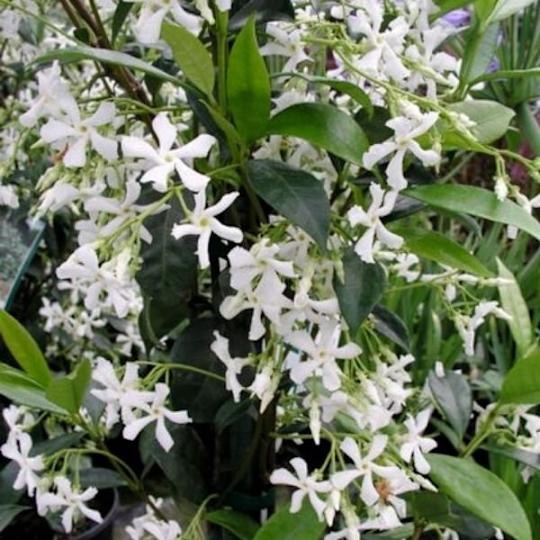
Star Jasmine
Advertisement
Advertisement
Despite the name, star jasmine isn’t a true jasmine, but it produces masses of beautifully scented white flowers in summer, and its glossy evergreen leaves mean it looks good all year round. In fact, I’d argue it’s just as romantic as the real thing.
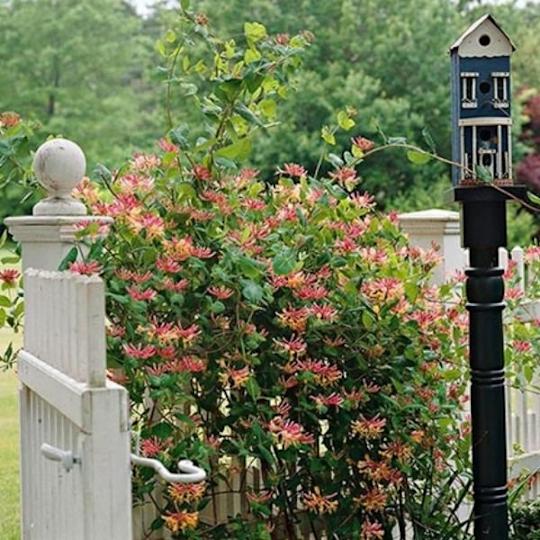
Goldflame Honeysuckle
If you live north of zone 6 where jasmine may struggle, fragrant honeysuckle can be a brilliant substitute. Goldflame honeysuckle produces beautifully coloured pink-and-gold flowers and a sweet scent that attracts pollinators all summer long.
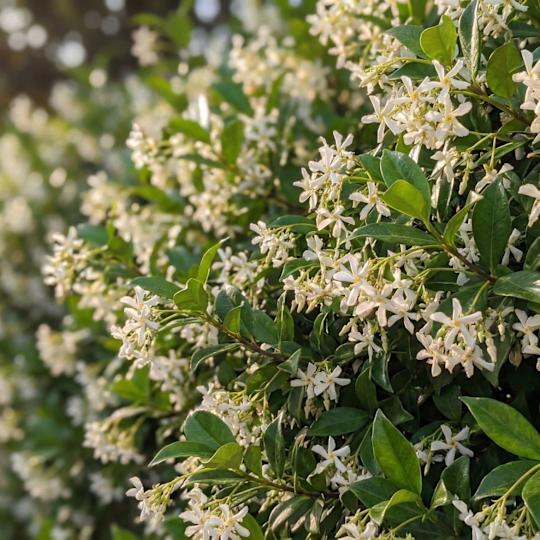
Confederate Jasmine
Closely related to star jasmine, confederate jasmine is another evergreen climber prized for its powerful fragrance and elegant white flowers. It’s a popular choice in warmer climates and makes a wonderful patio plant.
Advertisement
Advertisement
6. White Willow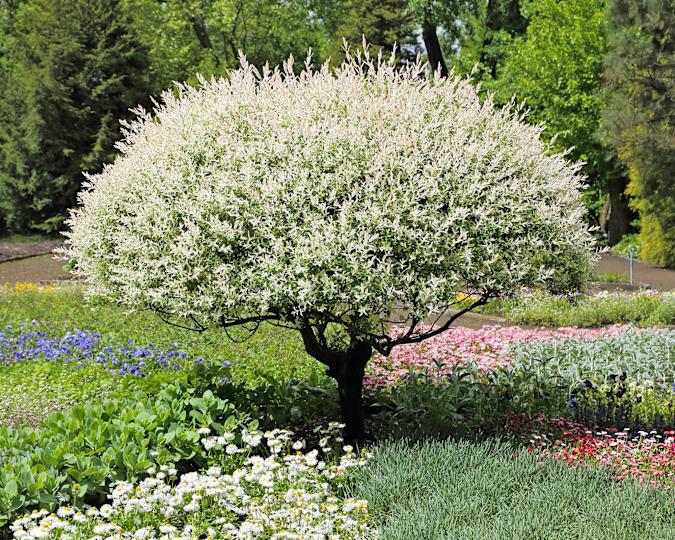
Credit: Shutterstock
There is a willow tree bordering our garden that I personally think looks quite beautiful and romantic when it does its thing in the breeze.
As ever, my husband absolutely despises it. Not because of the tree itself, you understand, but because for approximately three weeks every year it erupts into masses of cottony white seeds that drift absolutely everywhere – across the lawn, into borders, through open windows, and, I strongly suspect, directly into my husband’s bloodstream judging by the intensity of his reaction to it.
Personally, I think it looks magical. Apparently, though, female Salix trees are notorious for producing huge amounts of fluffy windborne seed after flowering, which can self-seed enthusiastically and generally make a nuisance of themselves.
Advertisement
Advertisement
Which is fascinating information I would perhaps have enjoyed after I’d admired the tree in peace.
A Few Alternatives:
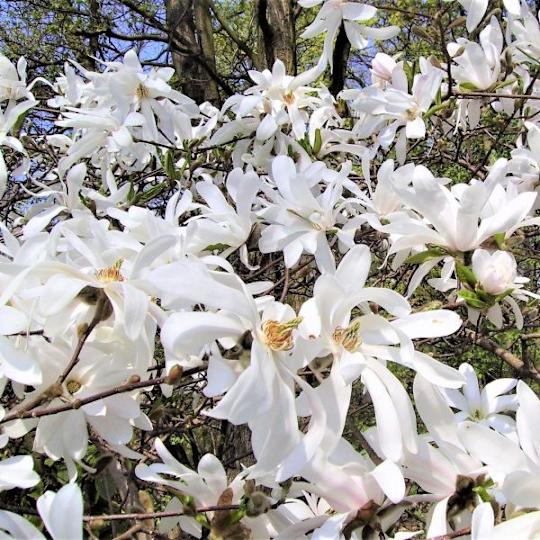
Royal Star Magnolia
Grown as a tree or a shrub, this is one of the most dramatic and iconic “white out” sensory delights you can grow. Lends classic, star-shaped elegance to even the smallest suburban lot.
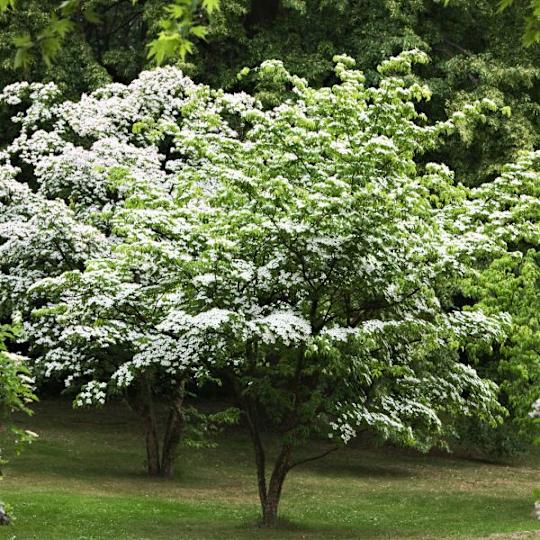
Kousa Dogwood Tree
This white dogwood from Nature Hills gets so covered in white bracts, you can barely see the green leaves. It’s the perfect “welcome home” tree to plant near a driveway or entrance.
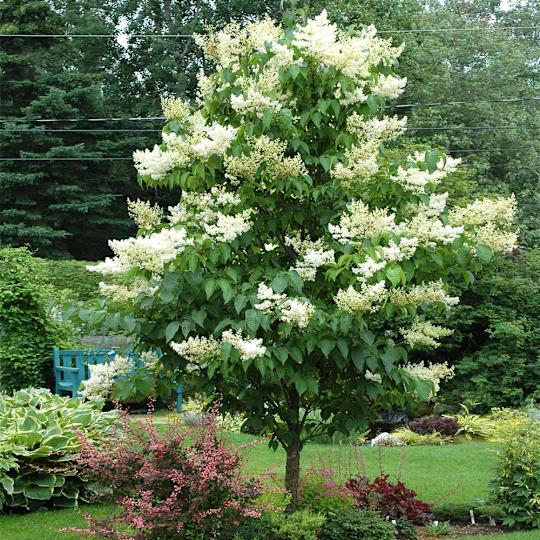
Ivory Silk Japanese Lilac Tree
This compact tree is a fantastic choice for summer fragrance. It’s low maintenance, yet it manages to look very grand and picturesque, and those blooms really do have a silky sheen.
The truly maddening thing is that my husband is usually right. The pollinators probably do prefer simpler roses. The slugs probably would demolish hostas. And yes, somewhere deep down, I know planting a vigorous passionflower vine beside a fence is the sort of decision that eventually ends with one person saying, “I told you so.”
Still. One day, when he’s distracted reading about medieval siege warfare, I may yet sneak home a forbidden plant or two. Wish me luck!
Comments are closed.