
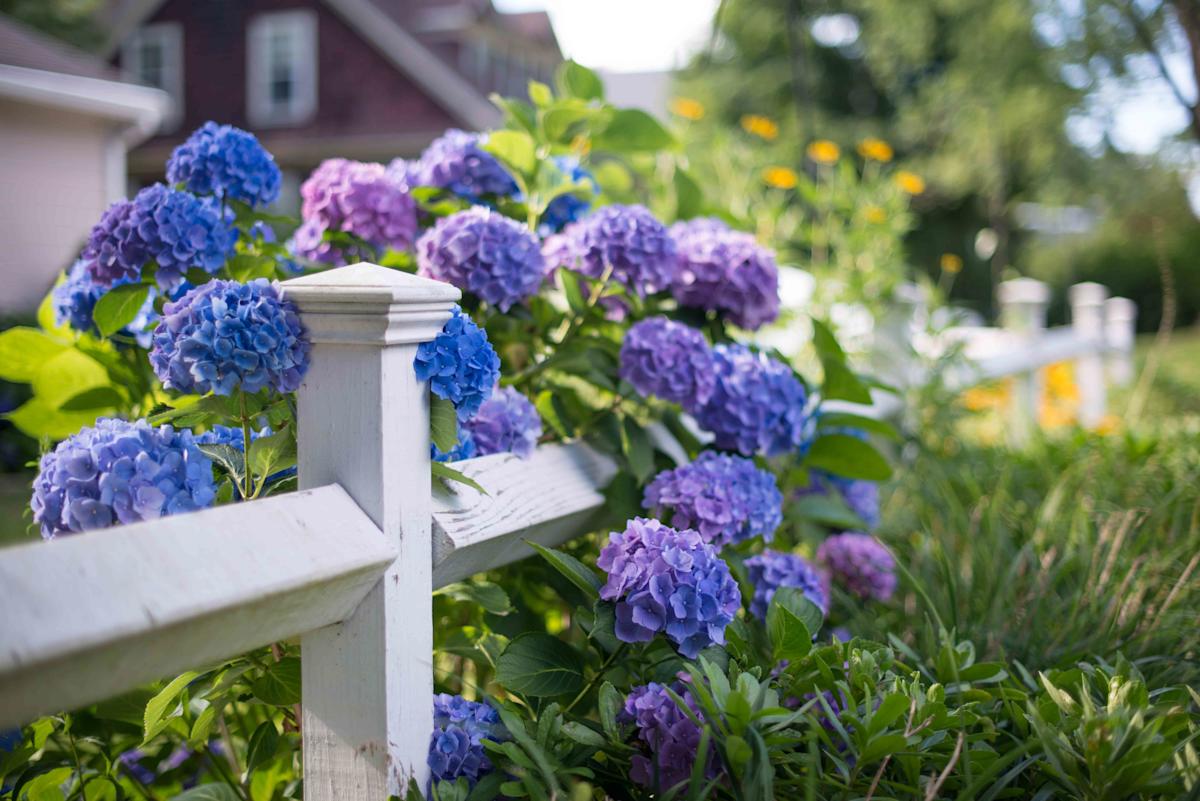
Hydrangeas are one of the most beautiful flowers to add to your garden, and one way to ensure they thrive is by planting them next to a few of their favorite companions. Companion planting is growing different plants together for their shared benefit. When determining what makes a good companion plant for hydrangeas, it’s important to find plants that share similar growing requirements and conditions to the beloved shrub. Most hydrangeas prefer moist, well-drained soil and partial sun.
To help, we chatted with a master gardener to find out which plants make the best companion plants for hydrangeas.
Meet the Expert
Dee Dee DeBartlo, garden designer and co-owner of Westport Botanica, a landscape design firm that specializes in outdoor and indoor container gardening. She is a certified Master Gardener.
Advertisement
Advertisement
Related: 14 Plants You Should Never Grow Next to Hydrangeas
01 of 14
Alliums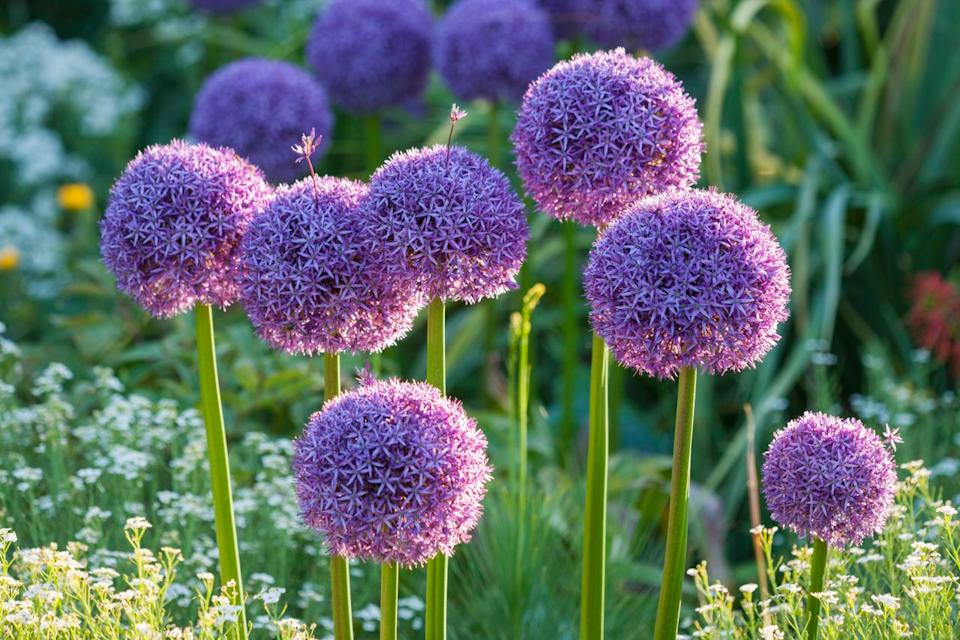
Credit: Clive Nichols / Getty Images
Alliums, like hydrangeas, offer showy blooms that make a big statement in a cottage garden. “They’re pollinator magnets, and because they’re a member of the onion family, their scent can protect hydrangeas from deer, aphids, and other pests,” says Dee Dee DeBartlo, certified master gardener and garden designer. Alliums also come in similar colors to hydrangeas and prefer well-drained soil, making them great companion plants.
Size: 1 to 4 feet tall x 3 to 10 inches wide
Care requirements: Full sun; well-draining soil
02 of 14
Astilbe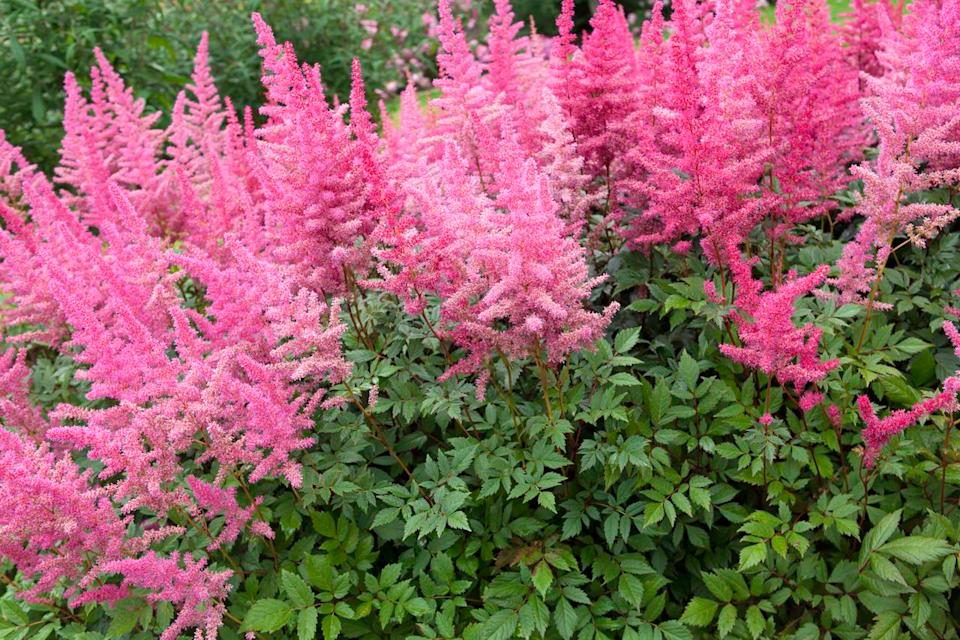
Credit: LordRunar / Getty Images
Astilbe is a great companion plant for hydrangeas that prefer shade. Aesthetic-wise, astilbe also offers a nice juxtaposition to most hydrangeas, given the plant’s feathery plumes in hues of pink, red, white, and purple and its fern-like foliage, says DeBartlo. “Low-maintenance, easy to grow, and deer and rabbit resistant, astilbe, like hydrangeas, brighten up a garden that doesn’t get a lot of sun,” she says.
Advertisement
Advertisement
Size: 6 to 24 inches tall x 6 to 60 inches wide
Care requirements: Partial to full sun; loamy, moist soil
03 of 14
Anise Hyssop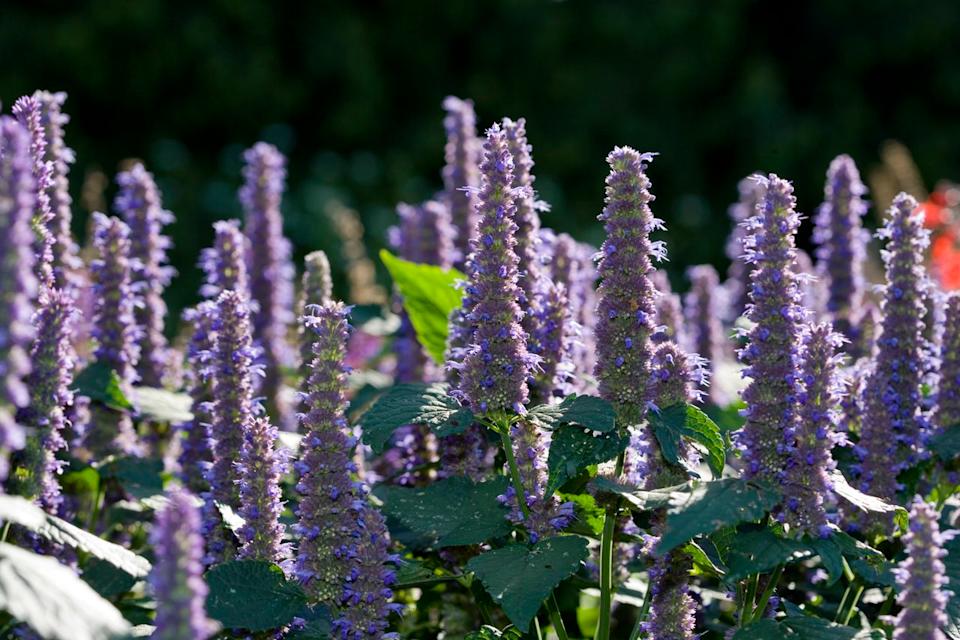
Credit: AYImages / Getty Images
Anise hyssop (Agastache foeniculum) pairs beautifully with hydrangeas. “Also called hummingbird mint, [anise hyssop] attracts beneficial pollinators in droves and deters deer, groundhogs, rabbits, and other pests,” says DeBartlo. “With tall, sturdy stems that don’t require staking and dense, terminal spikes of small, tubular, bright blue flowers, they are one of the hardiest and longest blooming flowering plants to have in your garden,” she says.
Size: 2 to 4 feet tall x 1 to 3 feet wide
Care requirements: Full sun; chalk, loam, or sand
04 of 14
Boxwood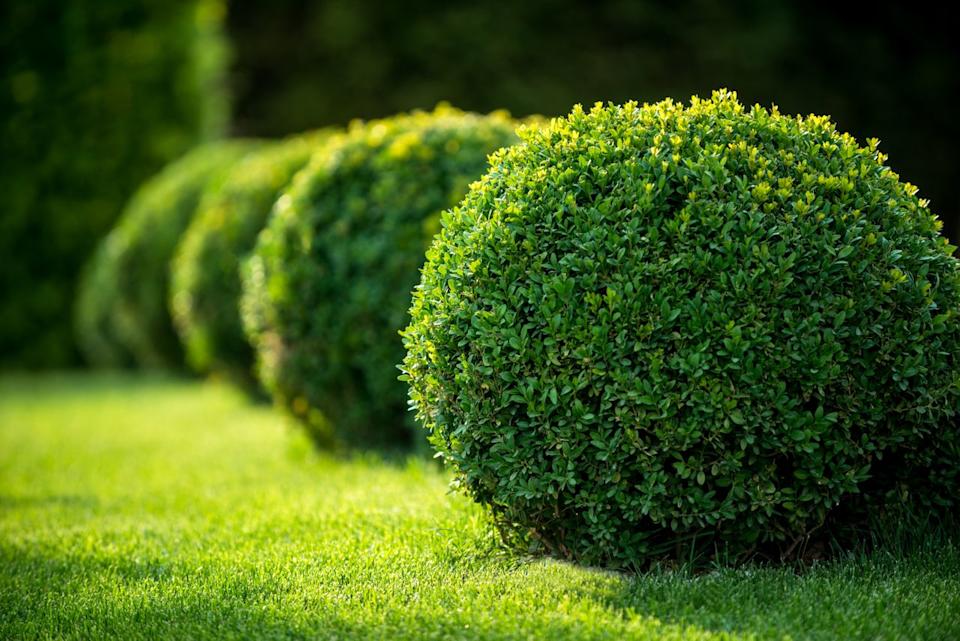
Credit: Yarphoto / Getty Images
Advertisement
Advertisement
Boxwoods (Buxus) add visual interest and physical support to hydrangeas. “In many landscapes here in New England, you’ll see hydrangeas behind or completely boxed in by a boxwood hedge,” says DeBartlo. “Boxwoods are easy to grow, low-maintenance, long-lived, and, like hydrangeas, it is one of the most popular shrubs in the landscape.”
Size: 2 to 8 feet tall x 2 to 8 feet wide
Care requirements: Partial to full sun; loamy, well-draining soil
05 of 14
Begonias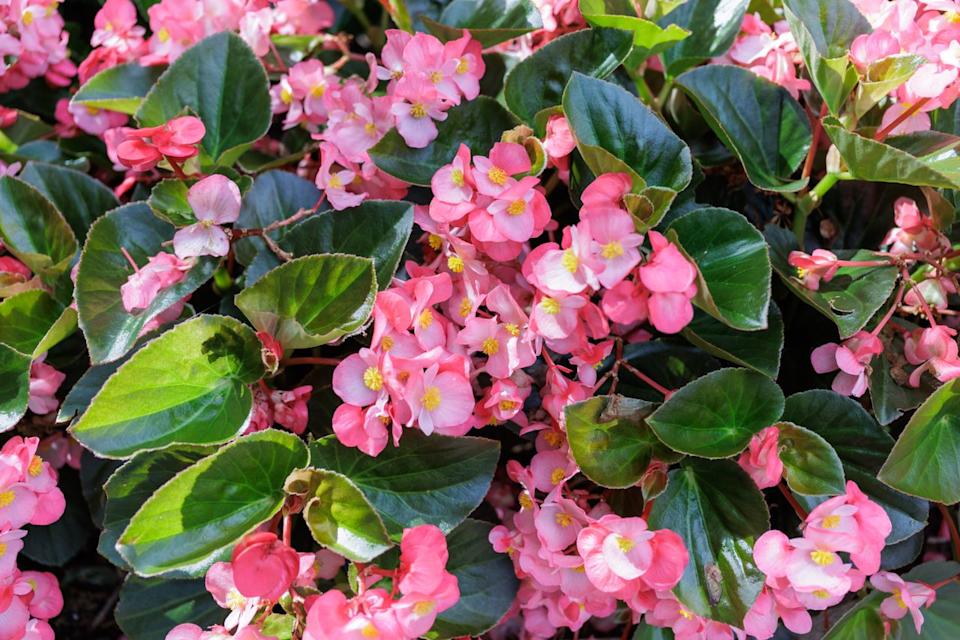
Credit: Grace Cary / Getty Images
Begonias feature beautiful blooms in many colors and do well in shade, making them good for a pollinator garden next to shade-loving hydrangeas. Begonias are also easygoing and low-maintenance. They can also replant themselves.
Size: 1 to 2 feet tall x 1 to 2 feet wide
Care requirements: Partial shade to shade; well-draining soil
06 of 14
Ferns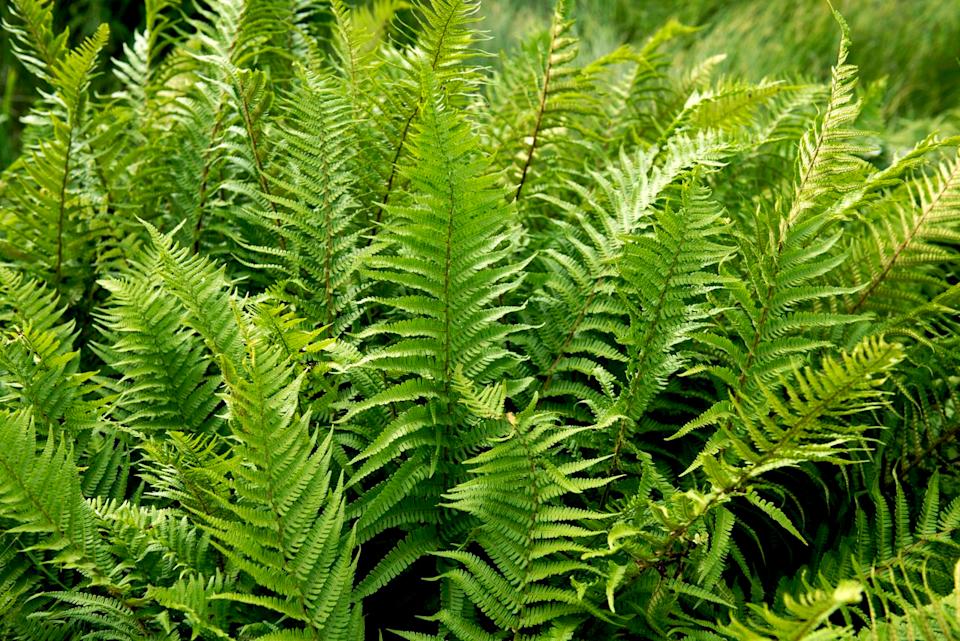
Credit: Feifei Cui-Paoluzzo / Getty Images
While not flowering, ferns offer a nice bit of greenery to a garden full of hydrangeas. Like some hydrangeas, ferns like to be in a shady spot. And because hydrangeas only bloom part of the year, the ferns will add interest and color during the seasons the flowers don’t bloom.
Advertisement
Advertisement
Size: 1 to 3 feet tall x 1 to 3 feet wide
Care requirements: Partial shade to shade; well-draining soil
07 of 14
Purple Coneflower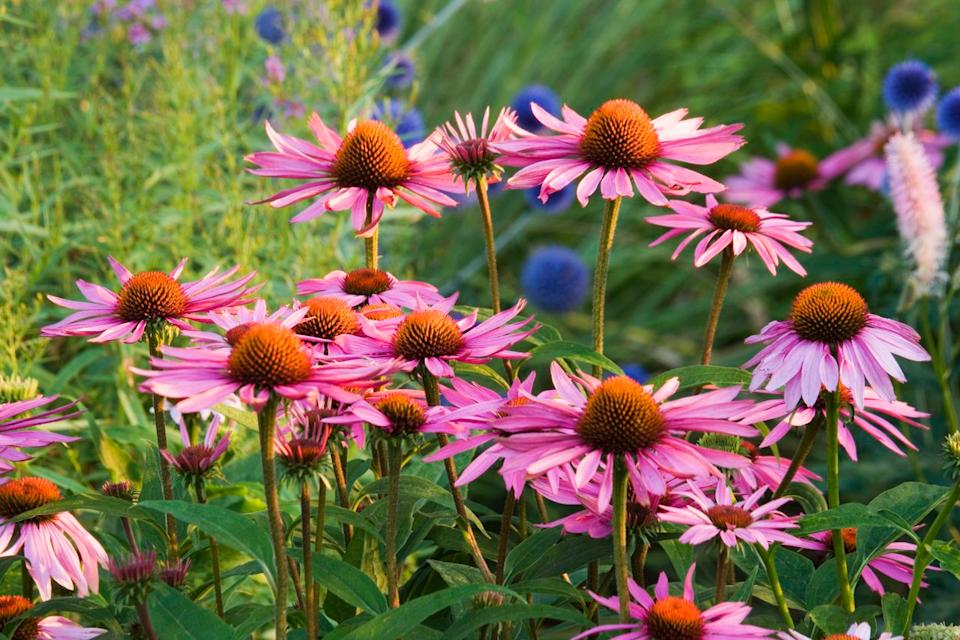
Credit: Clive Nichols / Getty Images
These plants work great with hydrangeas. “Echinacea purpurea, also known as purple coneflower, has a deep tap root that helps aerate soil, providing hydrangeas and other companions with the well-drained medium they need to thrive,” says DeBartlo. More than that, echinacea is a perennial beloved by pollinators.
Size: 2 to 5 feet tall x 1 to 2 feet wide
Care requirements: Partial to full sun; well-draining soil
Related: How to Grow and Care for Coneflower, a Native Perennial to Add to Your Garden
08 of 14
Geranium Rozanne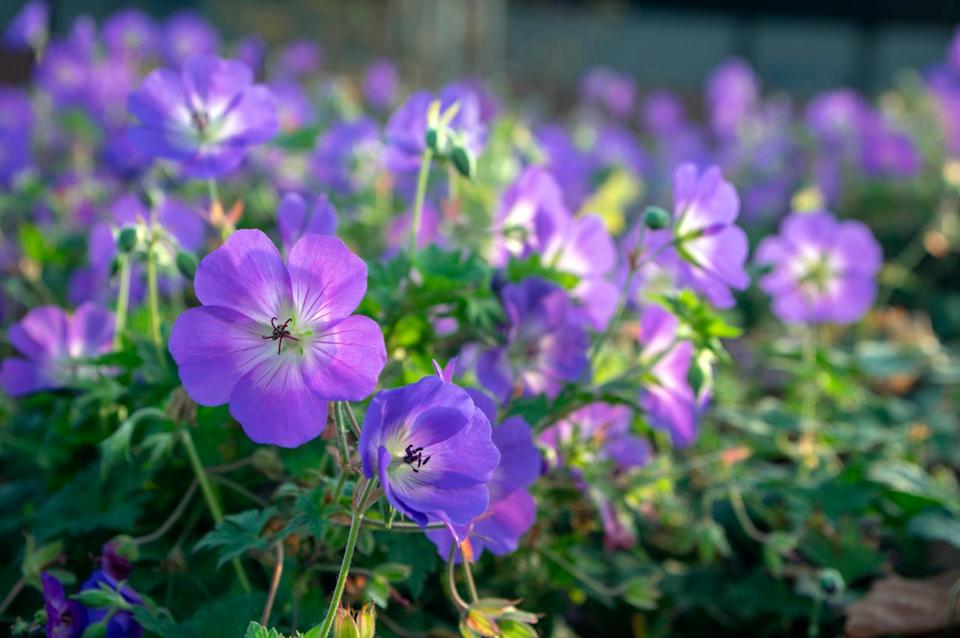
Credit: Iva Vagnerova / Getty Images
Advertisement
Advertisement
Flowering from early summer to early fall, geranium Rozanne are semi-evergreen. “They can also serve as a weed-suppressing groundcover, especially when planted en masse,” says DeBartlo. They are deer- and rabbit-resistant, making them great companion plants for hydrangeas.
Size: 6 to 36 inches tall x 1 to 3 feet wide
Care requirements: Partial to full sun; well-draining soil
09 of 14
Nepeta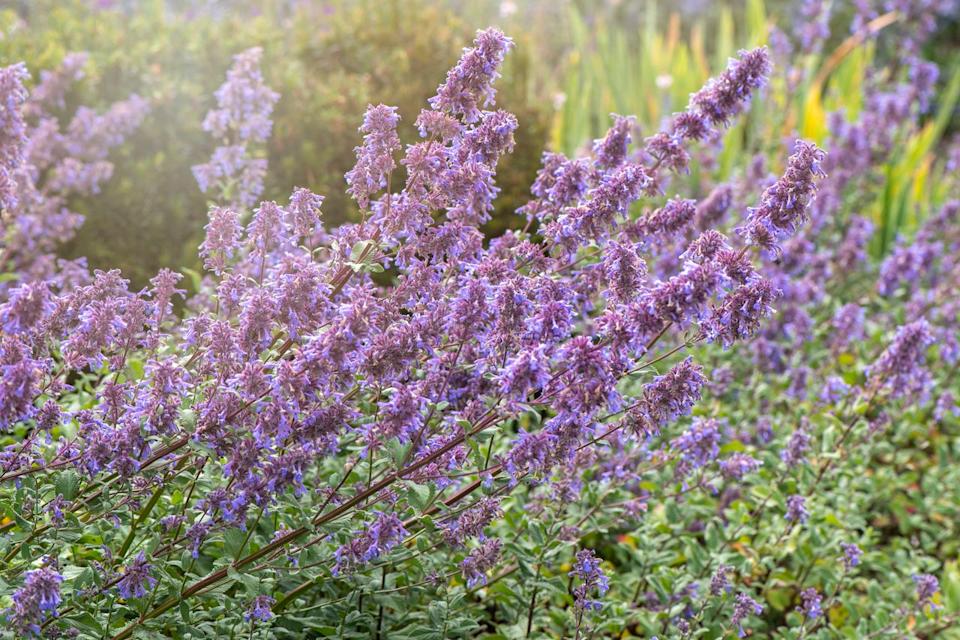
Credit: Jacky Parker Photography / Getty Images
Nepeta, or catnip, is great for hydrangeas that can thrive in full-sun or mostly sunny gardens. “A member of the mint family, their aromatic gray green foliage and purple flowers benefit pollinators, repel aphids and other pests, and are truly deer resistant,” says DeBartlo.
Size: 10 to 24 inches tall by 1 to 2 feet wide
Care requirements: Partial to full sun; acidic, neutral soil
10 of 14
Prairie Dropseed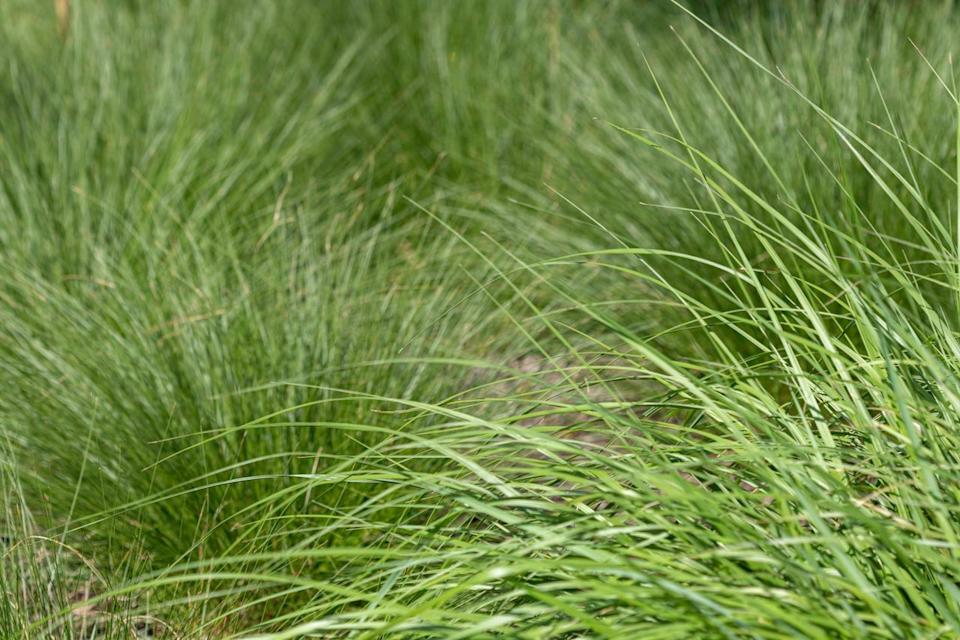
Credit: patty_c / Getty Images
Prairie dropseed (Sporobolus heterolepis) is a wonderful companion plant for hydrangeas. “Prairie dropseed is a large, graceful ornamental grass that attracts butterflies and birds but is deer-resistant,” says DeBartlo. She adds that this plant is also gorgeous when planted in hedge-like rows between hydrangeas of similar sizes. “With a subtle fragrance reminiscent of toasted coriander, it has fabulous winter interest.”
Advertisement
Advertisement
Size: 2 to 3 feet tall x 2 to 3 feet wide
Care requirements: Partial to full sun; dry, rocky soil
11 of 14
Double Reeves Spirea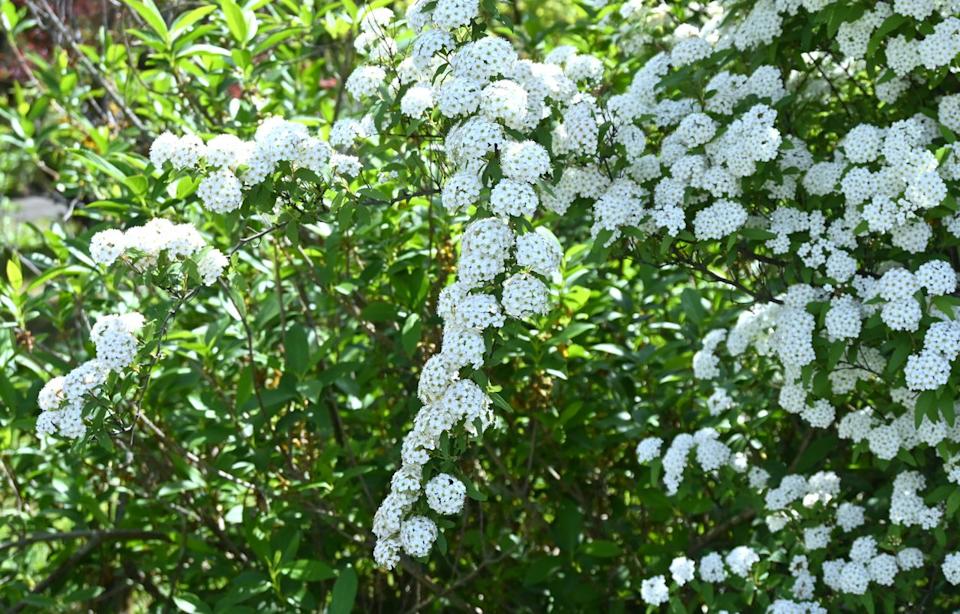
Credit: Getty Images
A dense shrub blooming with small white flower clusters, double reeves spirea (Spiraea cantoniensis) is a nice complement to hydrangeas. This plant attracts butterflies, bringing more pollinators to your hydrangeas. And because it grows so tall, it can provide protection from the sun for shade-loving hydrangeas.
Size: 4 to 6 feet tall x 4 to 6 feet wide
Care requirements: Partial to full sun; well-draining soil
12 of 14
Lamb’s Ear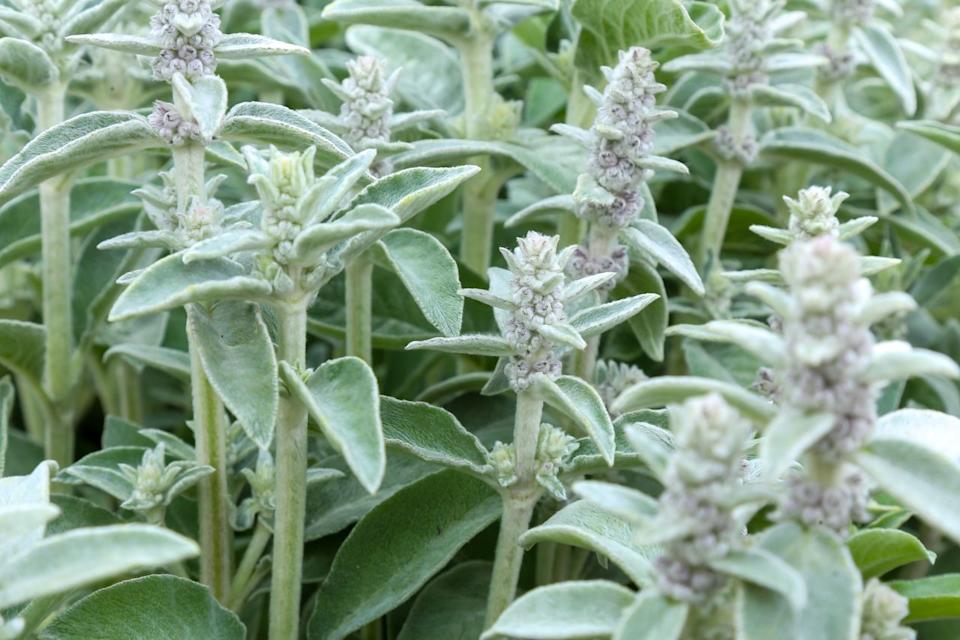
Credit: Massimiliano Finzi / Getty Images
Advertisement
Advertisement
Typically used as a ground cover, lamb’s ear (Stachys byzantina) is a pretty foliage plant for any garden. It does great with hydrangeas because it can handle varying shade and sun conditions. It is also a quick-spreading perennial that fills any spaces between your hydrangea blooms.
Size: 12 to 18 inches tall x 12 to 36 inches wide
Care requirements: Partial to full sun; well-draining soil
13 of 14
Japanese Maple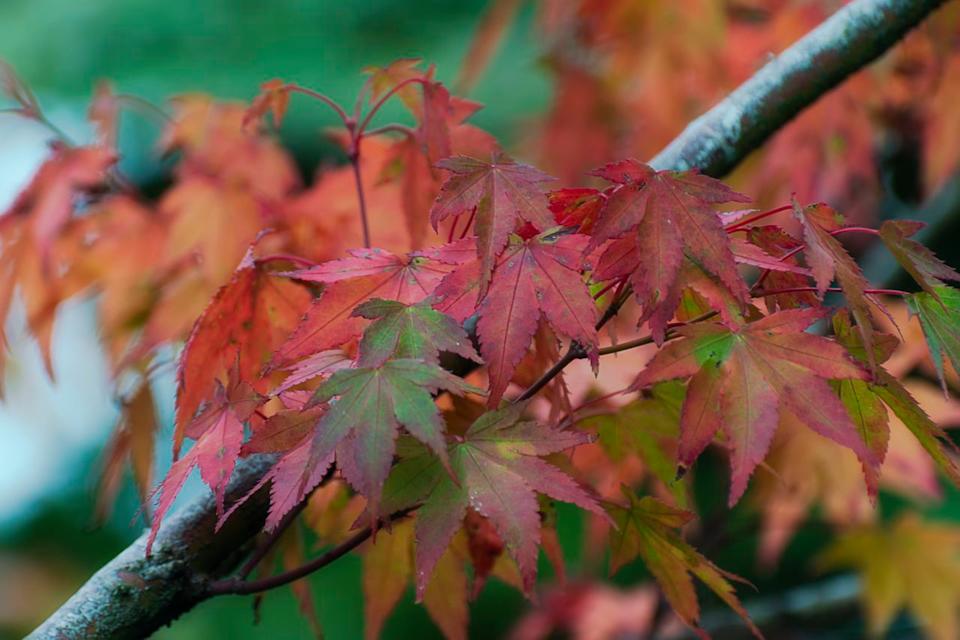
Credit: Pauline Lewis / Getty Images
Japanese maple (Acer palmatum) fits in well next to hydrangeas in a rain garden. The tree provides shade to shade-loving hydrangeas, while its leaves give a pop of unexpected color.
Care requirements: Partial to full sun; well-draining soil
14 of 14
Hostas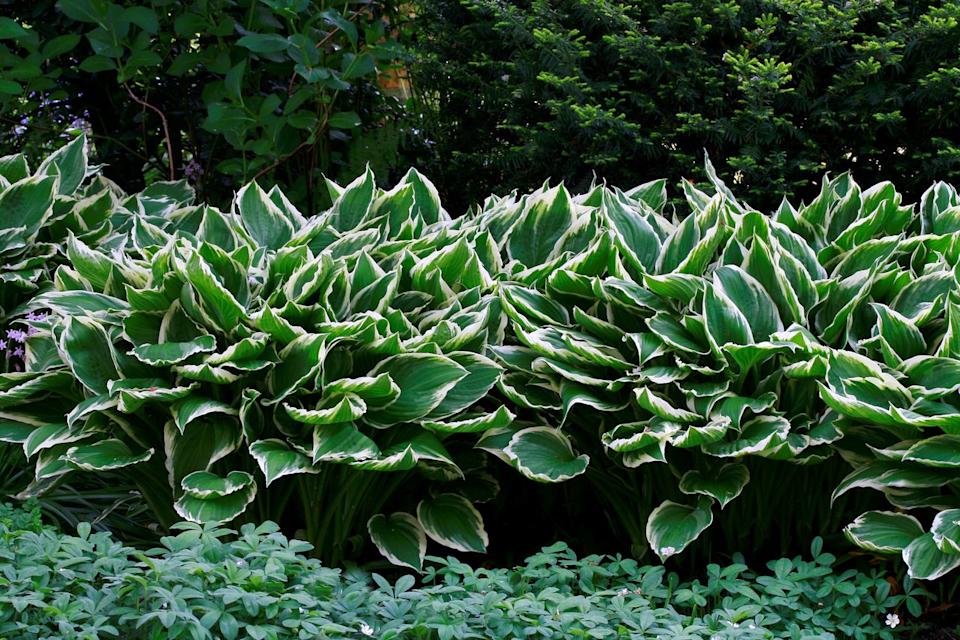
Credit: REDA&CO / Contributor / Getty Images
Hostas are a natural companion to hydrangeas, especially in shade gardens. They prefer the same rich, moist soil conditions and partial shade that hydrangeas thrive in. Their foliage—ranging from deep green to lime to variegated white—offers a nice contrast to the big blooms of hydrangeas.
Advertisement
Advertisement
Size: 1 to 2 feet tall x 2 to 4 feet wide
Care requirements: Partial to full shade; rich, moist, well-draining soil
Read the original article on Martha Stewart
Comments are closed.