
 3 min read
Gardens are always a work in progress, evolving with the seasons and the years. They’re a place for us to escape from stress, connect with nature, and spend time with people we love. They’re also a way to showcase our own design aesthetics and individual values—whether it’s through colors, plants, or garden accents. This trend toward creating personalized spaces is shaping design.
“There’s a growing desire to treat the garden like a series of experiences rather than one open space—moving from one moment to another, much like a boutique hotel or resort,” says Kerrie Kelly, NKBA, FASID, CEO and creative director of Kerrie Kelly Studio, and NKBA 2026 National Board Chair. “It’s a more intentional way of designing how people gather, dine, and unwind outdoors.”
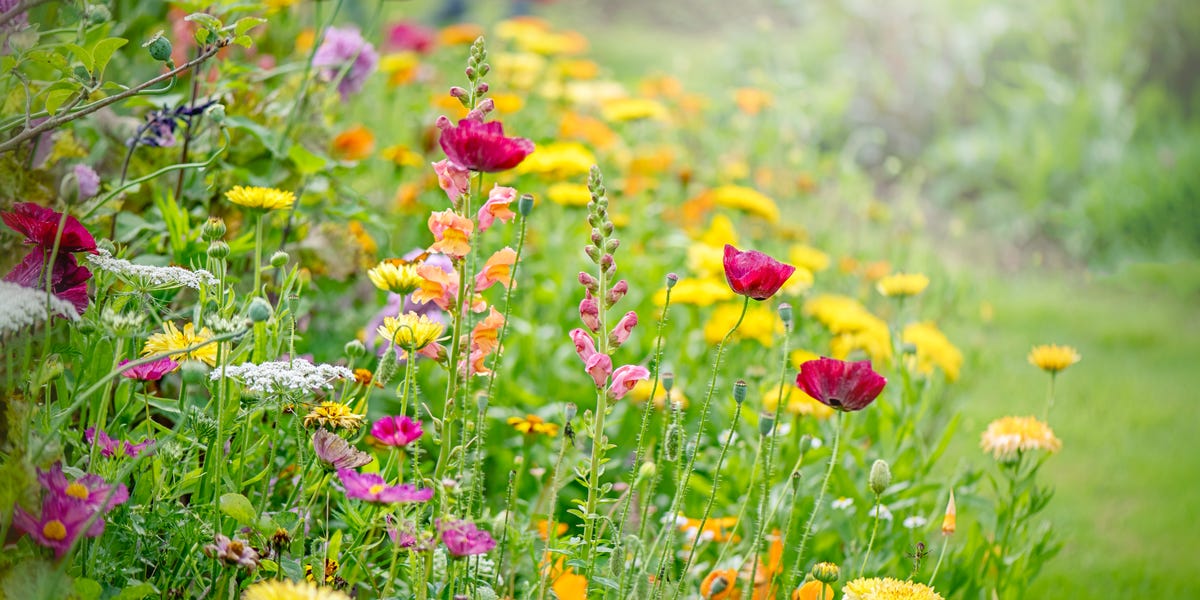
People also want wild yet refined spaces that nurture both us and the natural world. “This trend is where naturalistic design meets intentional simplicity,” says Katie Tamony, chief marketing officer and trend spotter for Monrovia. “Gardeners’ interest in soil health, pollinators, sustainability, and native plants is evolving. They’re combining this interest into a design aesthetic that is natural but not unruly.”
Ahead, here’s what’s trending in garden design this year.
Heat- and Drought-Tolerant Plants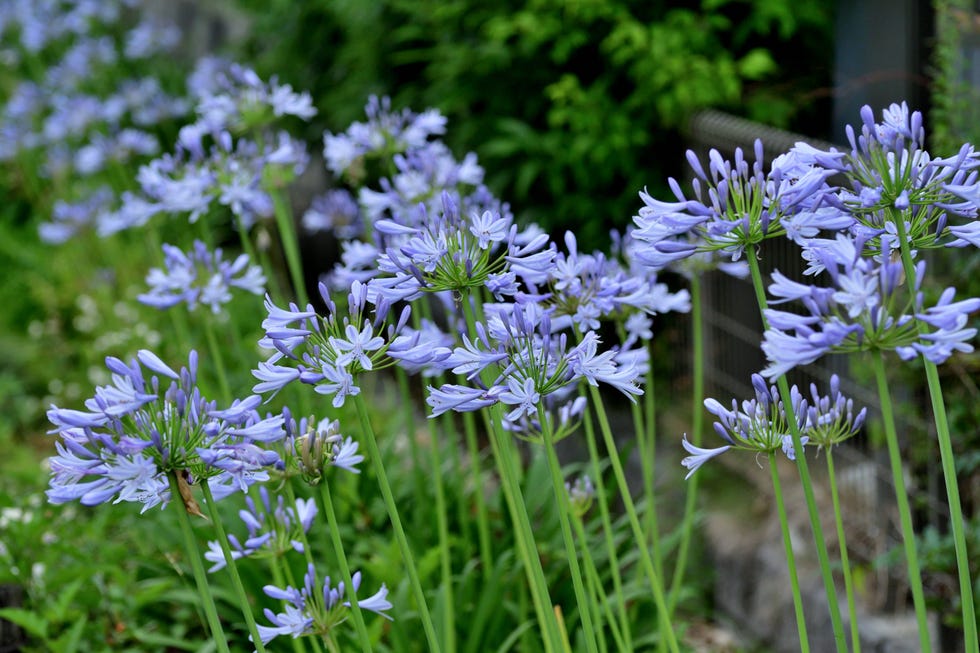
Photos from Japan, Asia and othe of the world//Getty Images
People are looking for plants that solve problems from water restrictions to poor soil.
“Plants need to perform under real summer conditions, not just ideal ones,” says Corrina Stellitano Andrews, garden expert for Southern Living Plant Collection. “Gardeners want plants that look high-impact but don’t require constant care.” For example, beautiful plants such as agapanthus fit the bill with repeat blooms, low water use, and heat and drought resilience.
Muted Colors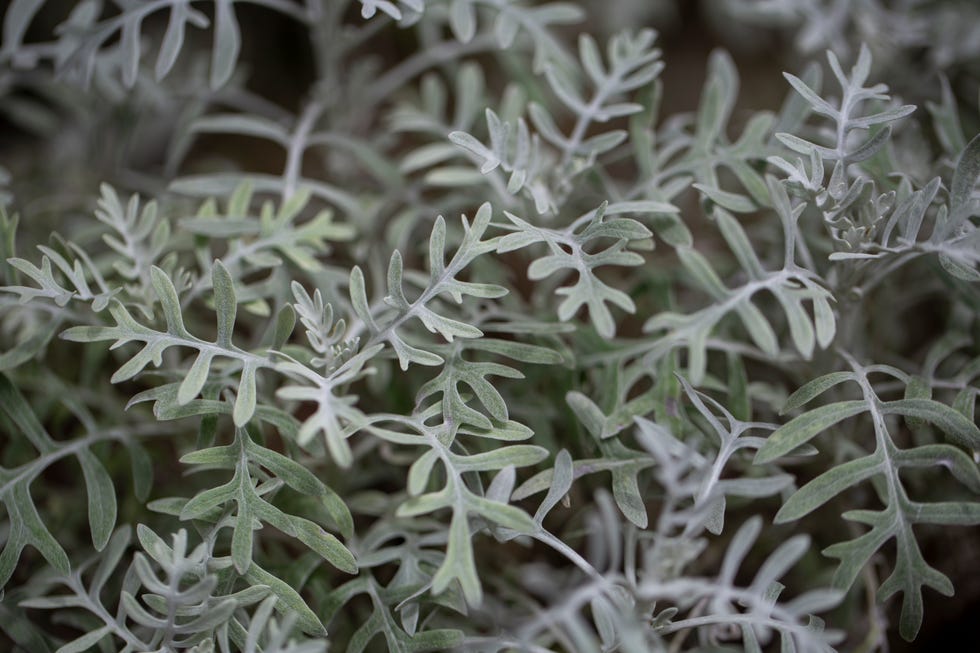
Marcelo Nacinovic//Getty Images
Jewel tones that offer vivid contrast to plantings and outdoor furnishings remain popular. But consumers also are embracing a more subdued palette.
“We’re seeing a shift toward grounded, nature-based palettes—matte white shades, soft greens, silvery sages, and warm neutrals—with moments of deeper, moodier tones like burgundy and rust woven in,” says Kelly. “It’s less about bright pops and more about creating a calming, cohesive outdoor environment.”
Old-Fashioned Plants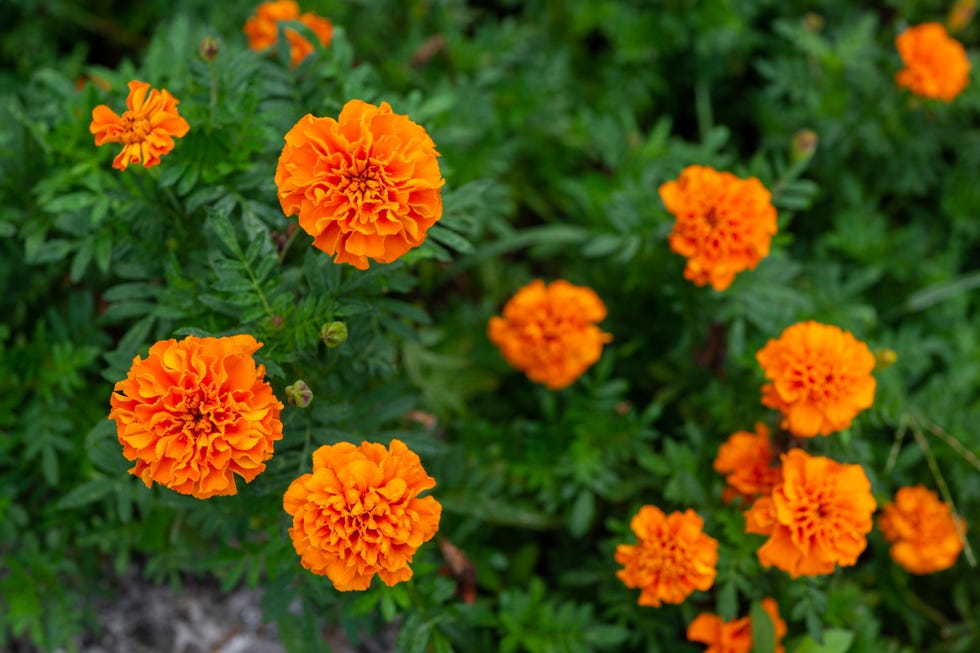
wulingyun//Getty Images
Called the “Granny revival,” people want plants that remind them of their grandparents’ gardens. “Old-fashioned plants like hydrangeas, gladiolus, irises, and marigolds are popular again,” says Diane Blazek, executive director of the National Garden Bureau. These are plants that are easy-care, long-lived, and provide a nostalgic feel.
Edible Gardening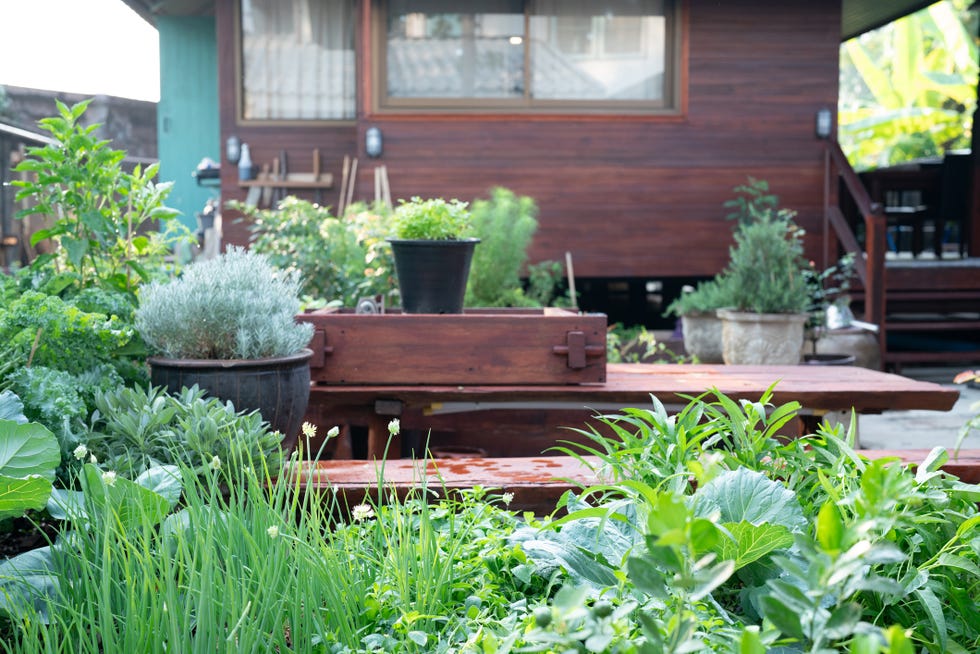
wera Rodsawang//Getty Images
Edible plants remain popular, and many new varieties are pretty and compact so that you can interplant them with herbs and ornamental flowers in containers.
“When times are tough, people gravitate toward growing their own food, but this trend goes beyond that phenomenon,” says Tamony. “The expansion we’re seeing in the edibles trend shows home gardeners are getting more adventurous and more world-aware in their selections.”
Cutting Gardens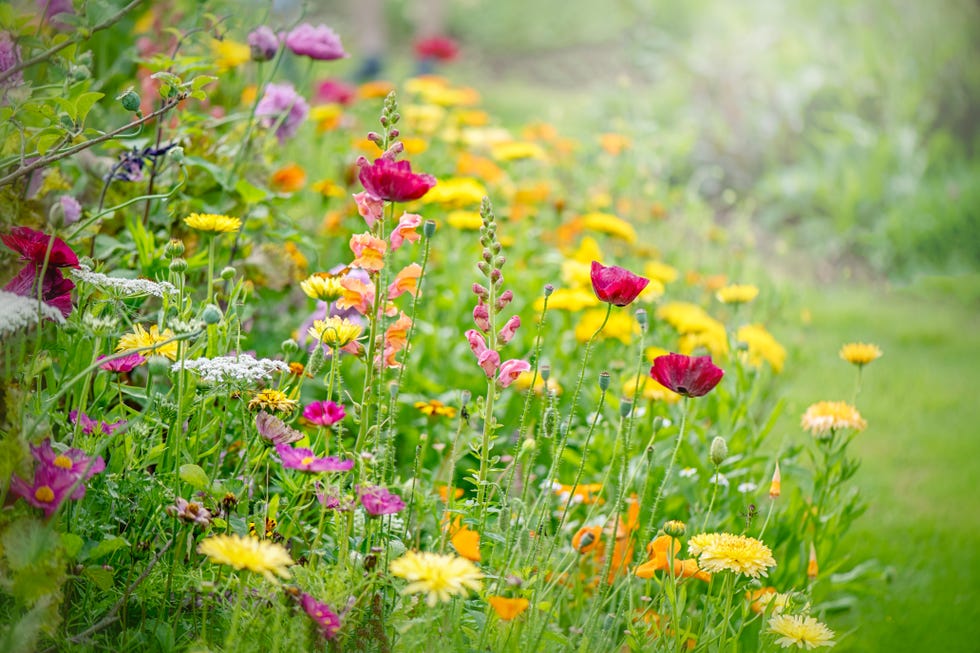
Jacky Parker Photography//Getty Images
Cutting gardens remain popular, so gardeners can bring the outdoors in—even a single stem can bring color to an end table or nightstand.
“Growing your own cut flowers is still huge. The most popular ones we see are hydrangeas, zinnias, dahlias, and dianthus,” says Blazek.
Naturalistic Plantings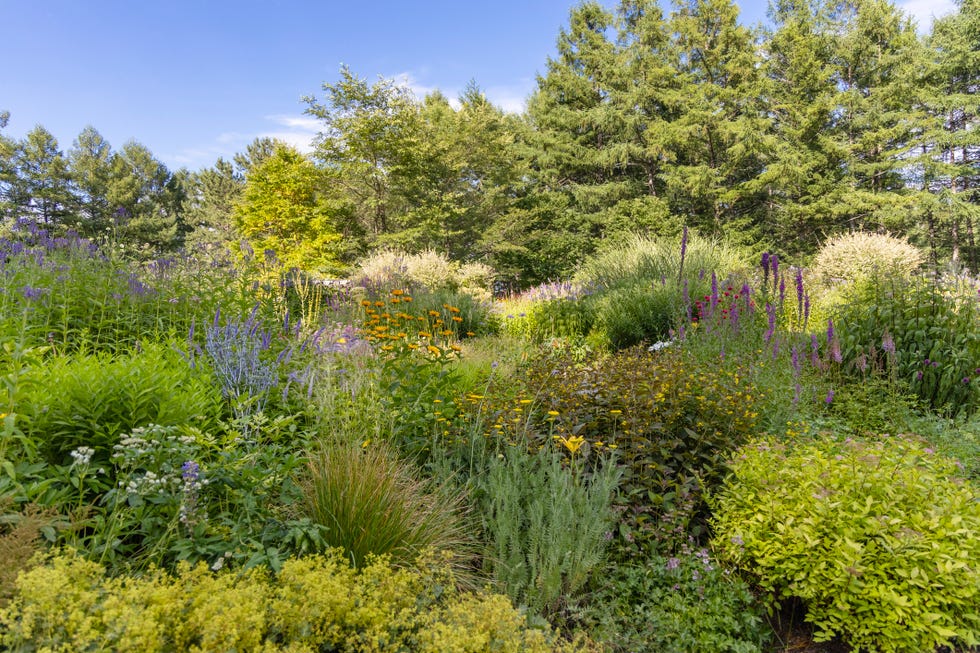
twomeows//Getty Images
With increased interest in supporting pollinators and wildlife, gardeners are seeking less formal designs.
“Highly structured, overly symmetrical gardens are starting to feel less relevant,” says Kelly. “People are moving away from anything that feels too rigid or high-maintenance in favor of spaces that feel more relaxed and livable.” Native plants and new cultivars with longer bloom times and improved disease resistance help gardeners create spaces that don’t need constant care.
Related StoryMultiseason Interest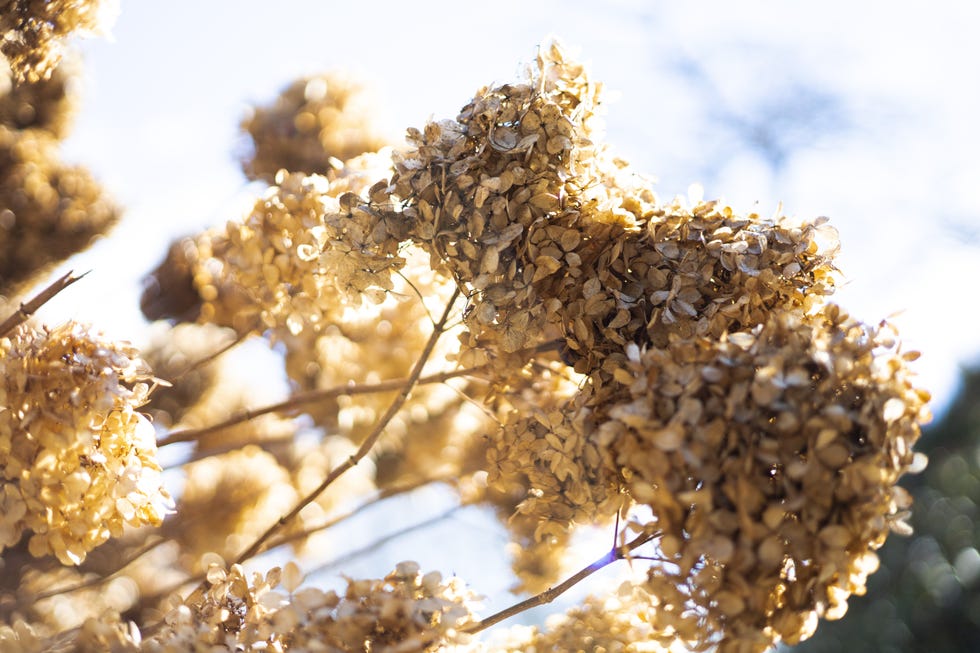
Catherine McQueen//Getty Images
People have discovered that a garden can be enjoyed all year long with the right plantings.
“There’s a strong demand for plants that offer structure or color beyond a single season, like camellias that bloom outside the typical spring window,” says Andrews.
For example, plants such as hydrangeas offer white, pink, mauve, purple, or blue blooms in summer, then fade to more muted tones in fall, followed by the dried flowerheads that remain intact to provide winter interest in the landscape.
Follow House Beautiful on Instagram and TikTok.
Comments are closed.