
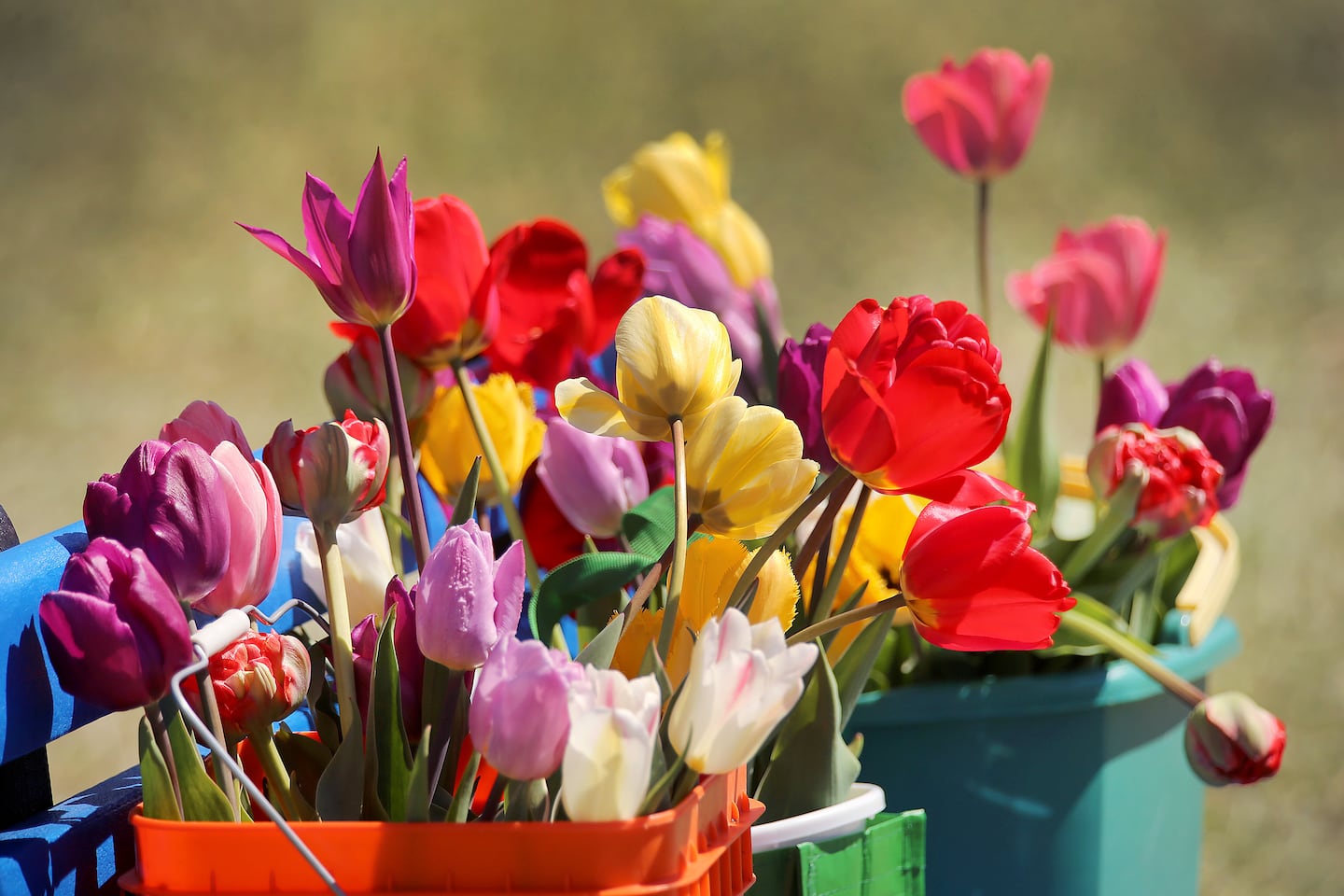
Unless something remarkable happens, Mother’s Days tend to blend into one another — but they’re all special, and I always want to do something nice for my own mom. When I was a kid, I used to get her flowers. “Get” is a loose word, as they were likely lilacs I stole from someone else’s yard. (I’m sorry, Mrs. Delcamp).
My mother would thank me, the flowers would sit in a vase, and then they’d die and get thrown away. As I got older, I tried to find gifts that showed my appreciation, but that also lasted. And there’s nothing that lasts longer than a Mother’s Day plant — whether a tree, a flowering shrub, a perennial, or even a house plant.
My parents got married on Mother’s Day, so the two occasions fall near or on the same day every year. In 1985, I bought my mom a tree. She had always wanted a birch, so I found a multi-stemmed birch and planted it in the front yard. That was over 40 years ago. The tree is still there, and over the decades, it has become something more than a tree — it’s a connection between us. My mom calls me when it looks particularly nice in the fall, the white bark catching the light. She’s also called me worried, like after the ice storm of 1998. When birch borers became a problem, she had it treated because by then the tree wasn’t just a tree anymore. It was something I had given her, something she wanted to protect. That’s what moms do.
Here are a few suggestions to help you make your own Mother’s Day horticultural memory. I’ve also leaned toward native plants where I can because they don’t just beautify your mom’s yard — they feed the bees, birds, and other creatures that depend on them for food and shelter.
Native and flowering trees
• Serviceberry (Amelanchier canadensis)
One of the finest native trees for a New England yard, the serviceberry blooms are some of the first to arrive before Mother’s Day with delicate white flowers, reminding you of the season just past. The blooms show up before the leaves, giving the tree an almost misty appearance in the morning light. By summer, it produces small, sweet berries that birds adore, and you can eat. In the fall, the leaves turn a warm orange-red. It’s a multiseason tree that earns its place.
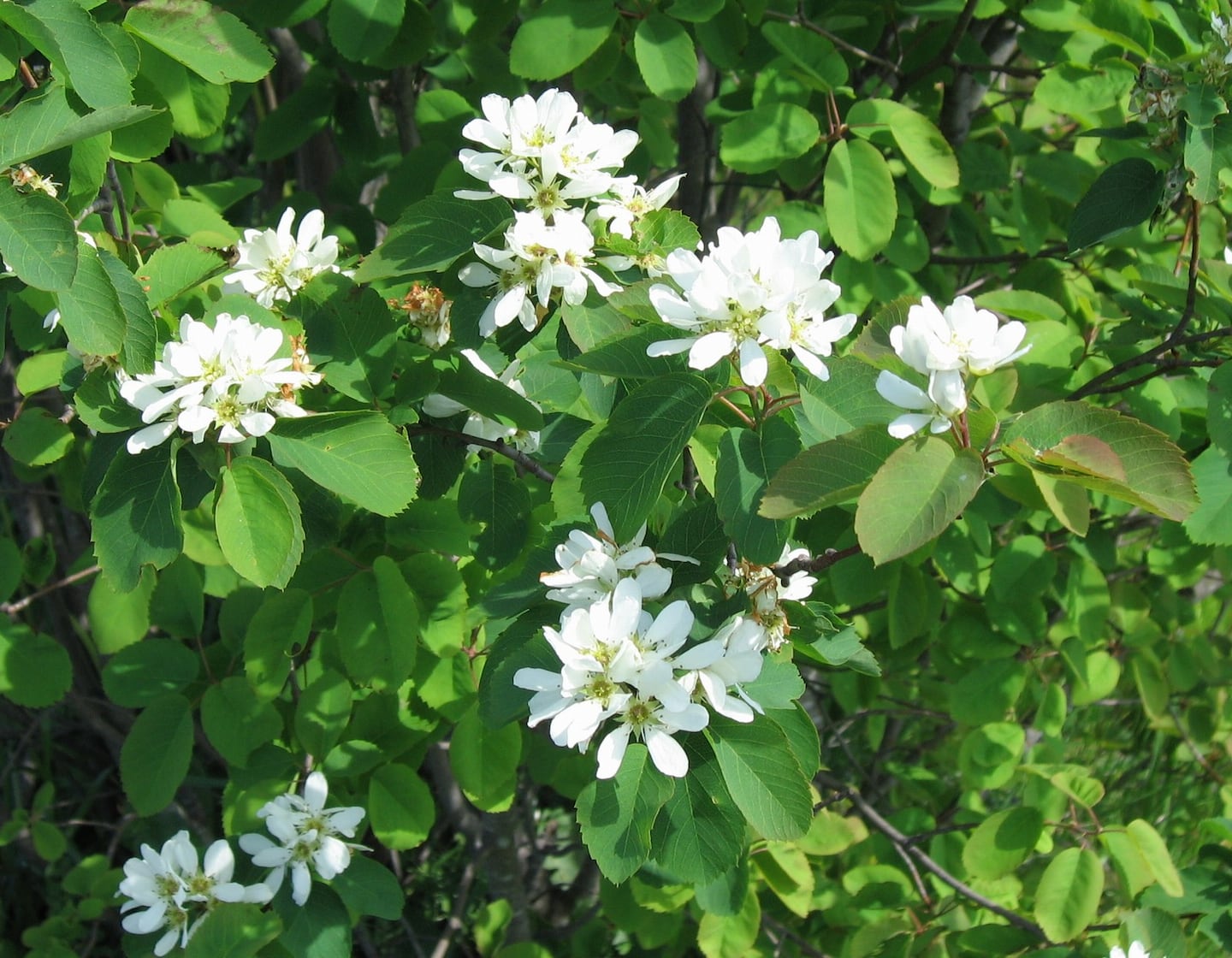 A serviceberry bush (Amelanchier canadensis).Meggar
• Redbud (Cercis canadensis)
Not strictly a New England native but well-adapted to our climate, the redbud is one of the showiest flowering trees of spring. In May, it erupts in vivid pink-magenta blooms directly on its branches and trunk — a look unlike anything else in the garden. It stays manageable in size, topping out around 20 to 30 feet, making it a good fit for a typical suburban yard. There are smaller cultivars, namely lavender twist, which are dwarf and have a weeping structure.
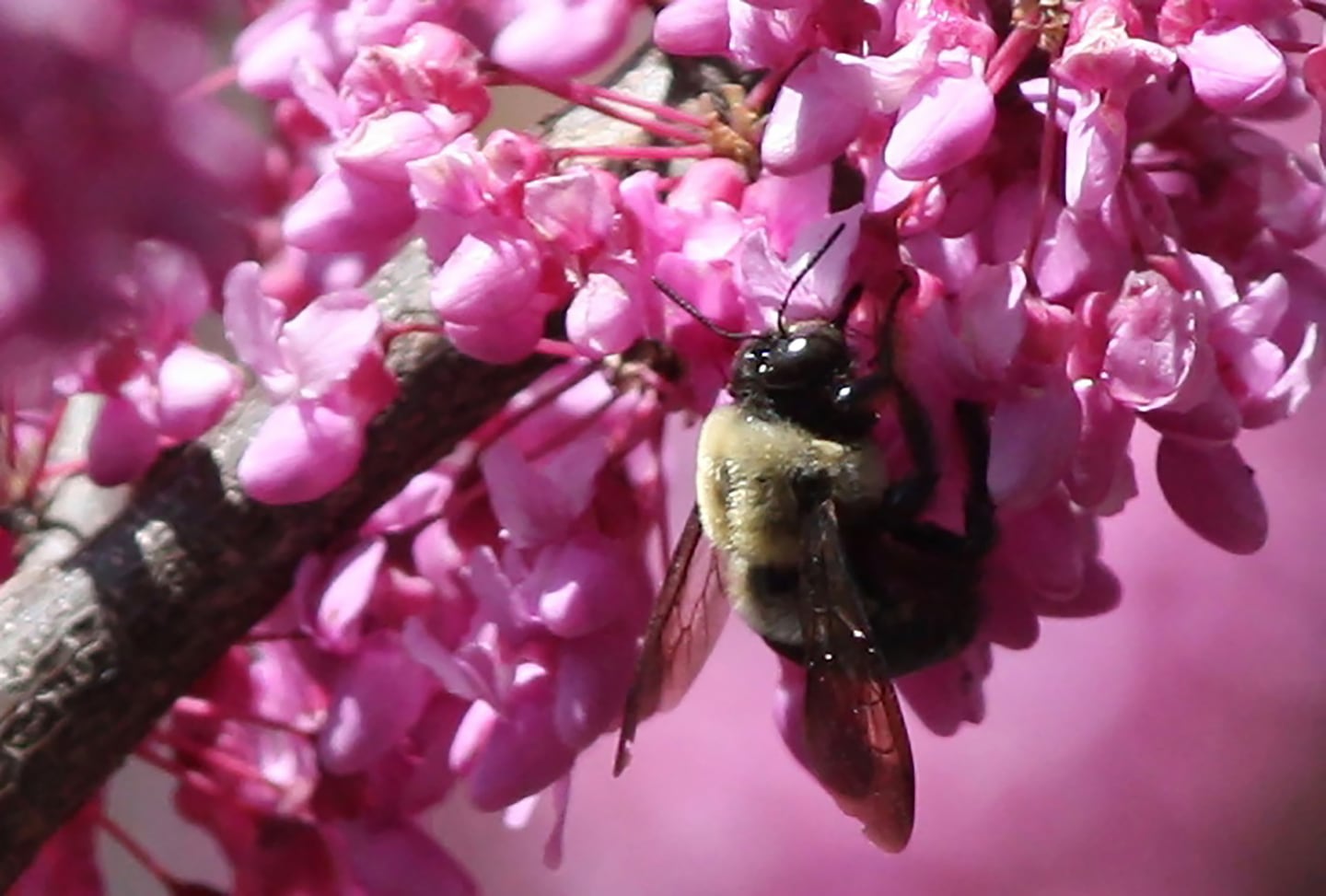 Redbud trees provide a burst of early spring color. Tom Peterson/For The Washington Post
• Pagoda dogwood (Cornus alternifolia)
A true New England native that deserves far more attention than it gets. In May, this tree produces flat-topped clusters of small, creamy white fuzzy flowers held above its distinctively layered, horizontal branches. The structure alone makes it worth growing — even out of bloom, it looks like something a landscape architect spent a lot of money on.
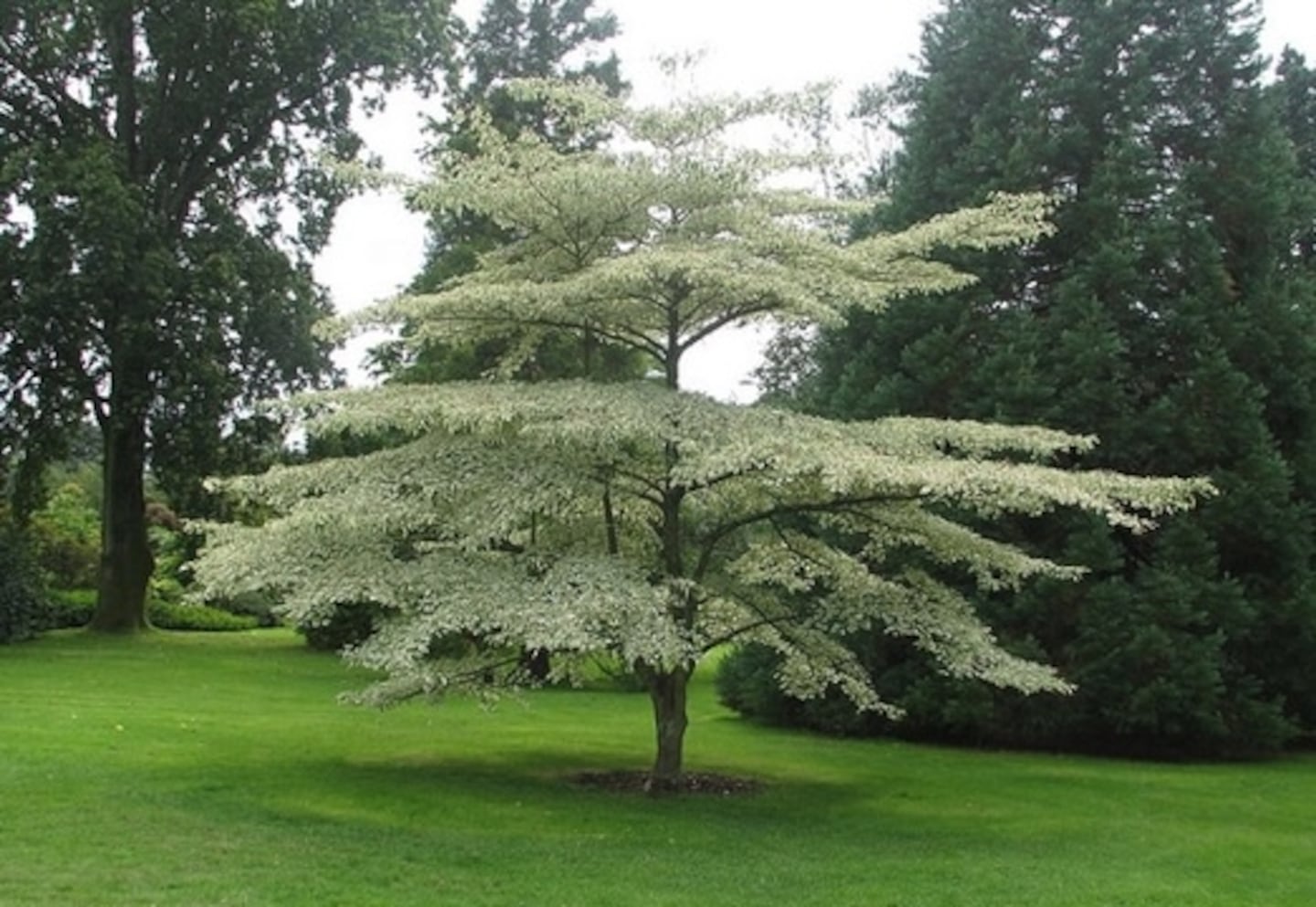 The pagoda dogwood tree.Fairfax County Master Gardeners Association
• Mountain Laurel (Kalmia latifolia)
Connecticut’s state flower is also a New England classic: the mountain laurel blooms in late May and early June with intricate pink and white flowers that look almost too delicate to be real. It’s evergreen, shade-tolerant, and once established, it needs very little attention. Plant it where your mom will see it from a window. They can be finicky to establish, so have some patience.
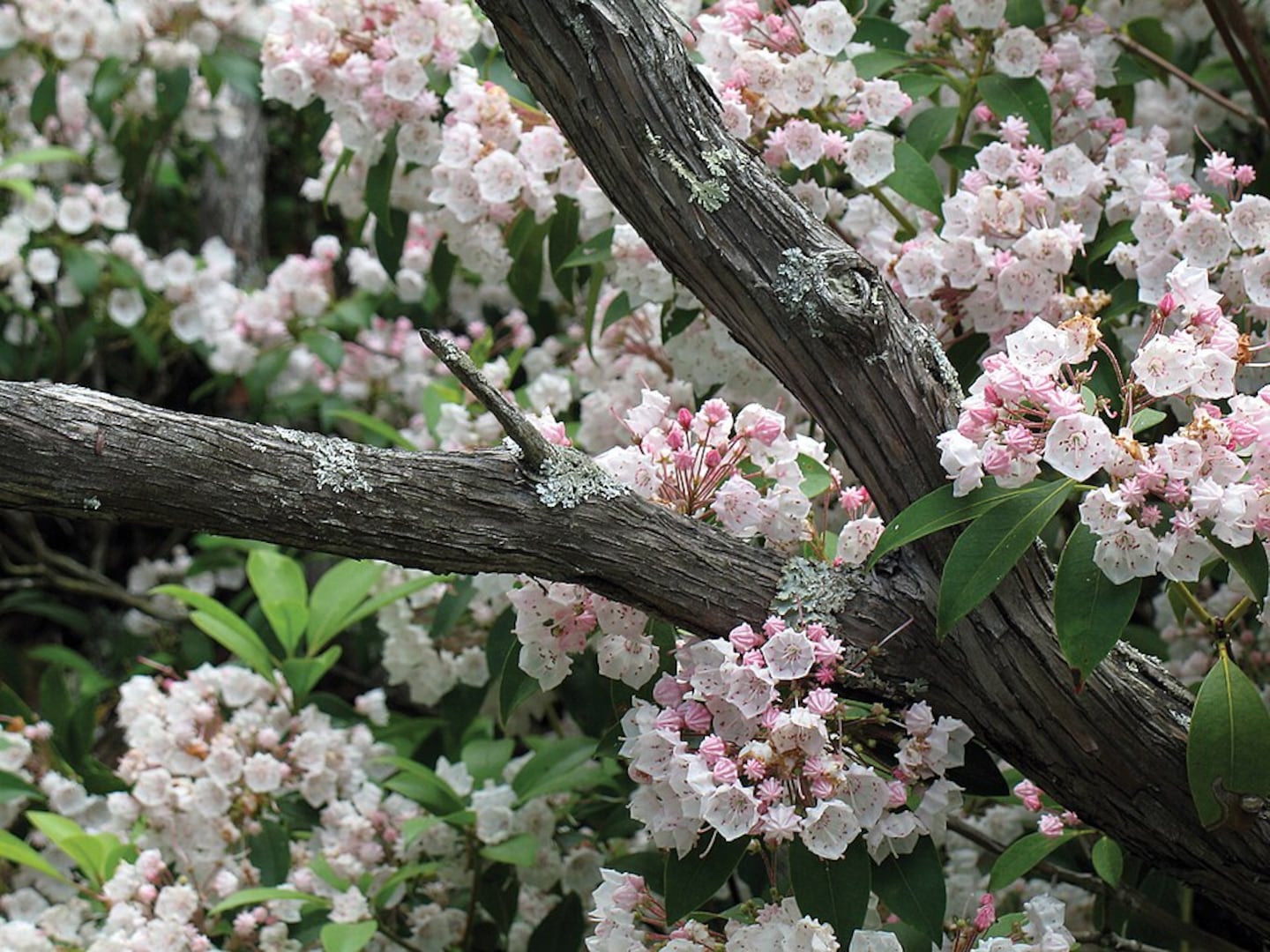 The mountain laurelNational Park Service
• Native Azalea — Pinxterbloom (Rhododendron periclymenoides)
When you think of an azalea, you might think of a dense, low-growing foundation plant or larger shrub in the back of the garden. While the showy hybrid azaleas fill every garden center this time of year, the native pinxterbloom azalea is something more refined — soft pink flowers with long stamens, a light fragrance, and a natural, open habit that looks at home in a New England landscape. It also supports native bees in a way that the hybrids cannot.
Another interesting native, if you can find it, is the pinkshell azalea (Rhododendron vaseyi). Native to the mountains of North Carolina, it thrives in our moist acidic woodland soils. This plant does well in dappled shade.
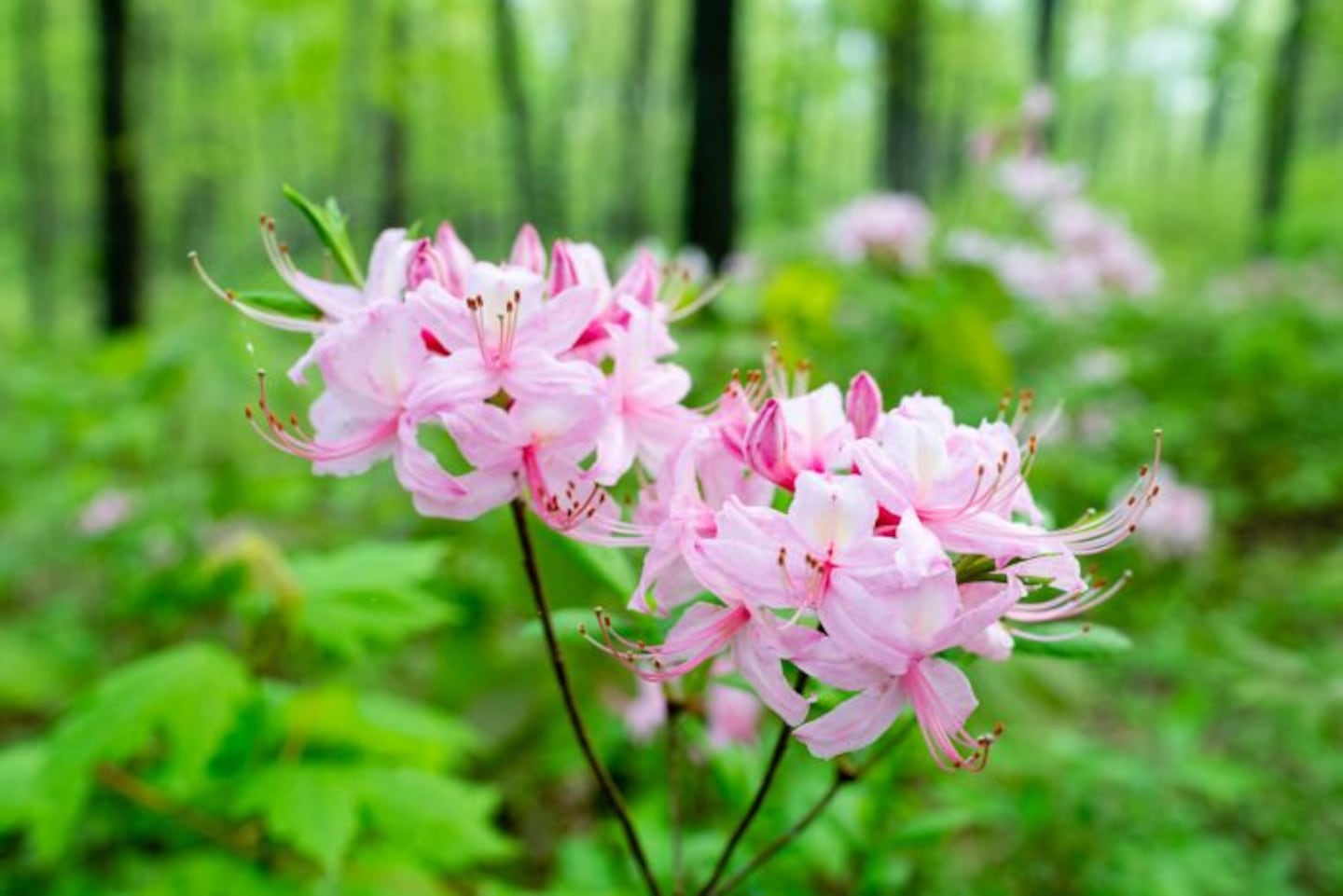 Pinxterbloom has soft pink flowers with long stamens and a light fragrance.Chesapeake Bay Program
• Wild Blue Indigo (Baptisia australis)
A native perennial to the Midwest, the South, and parts of the eastern US, wild blue indigo has been introduced here in New England. Wild blue indigo is one of those plants that gets better every year, with its striking blue-purple spikes. It’s slow to establish, but once it’s settled in — usually by year three — it becomes a substantial, shrub-like presence in the garden that needs almost nothing from you. Give it to your mom now, and it’ll still be blooming when her grandchildren are visiting.
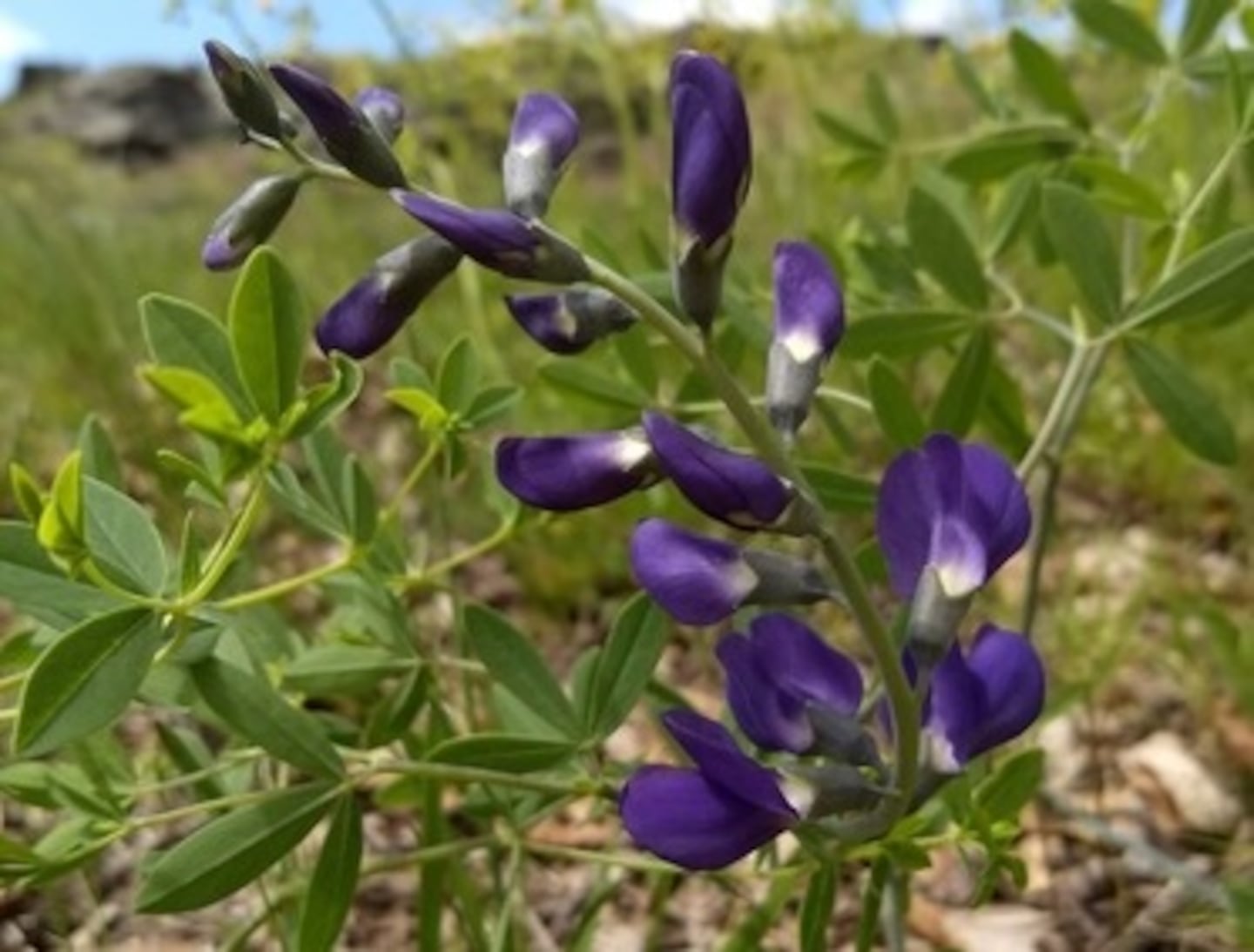 Wild blue indigo, with its striking blue-purple spikes.NPS
• Columbine (Aquilegia canadensis)
The native columbine is one of spring’s most charming wildflowers — red and yellow nodding blooms that hummingbirds can’t resist. The hybrid varieties are also available, but for the true natives, you should look for the red and yellow blooms. It self-seeds gently around the garden, so over time, volunteers will pop up where they find the most hospitable. It’s delicate-looking but tough.
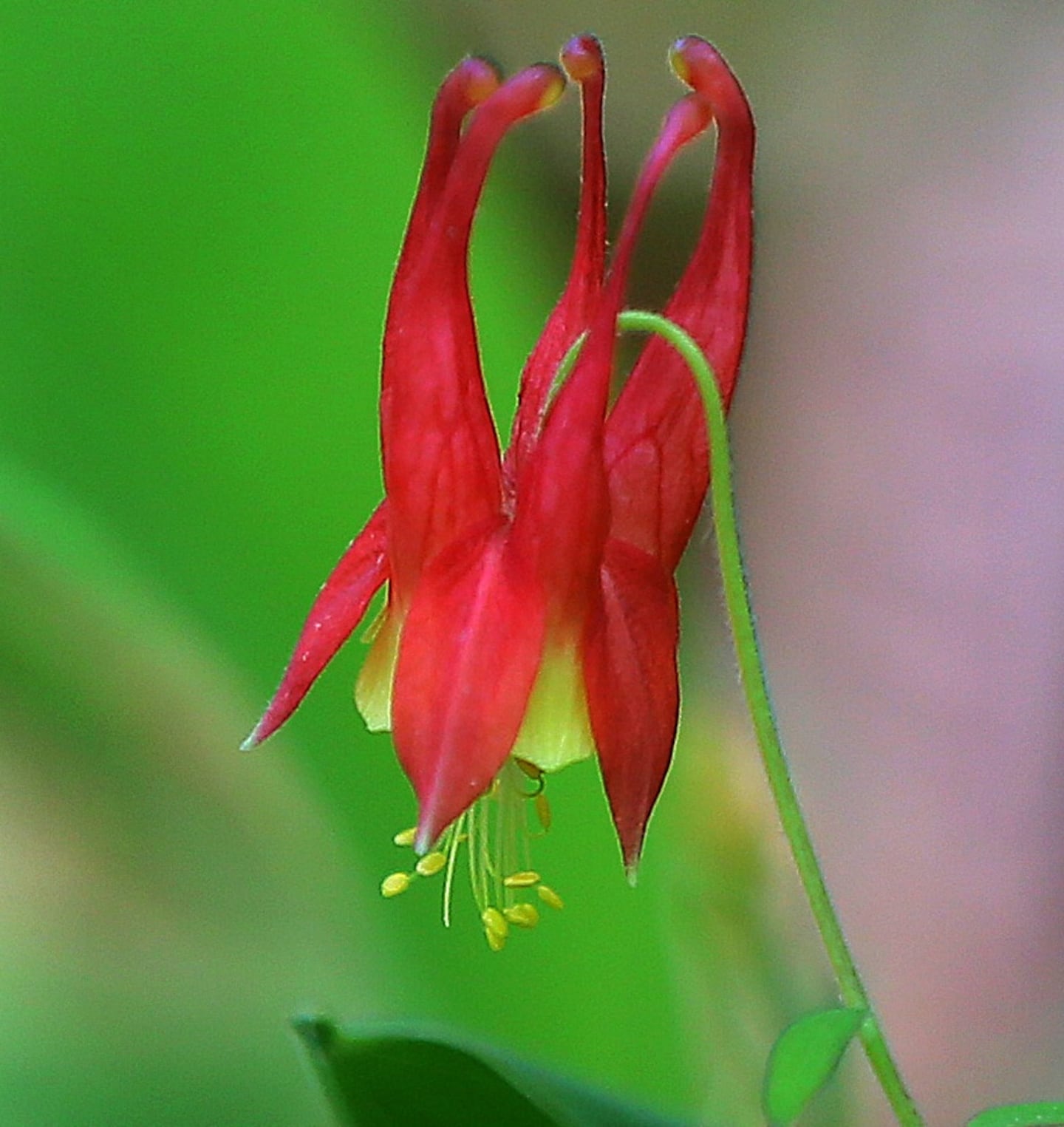 Some red columbine in Norwell, Mass.Pat Greenhouse/Globe Staff
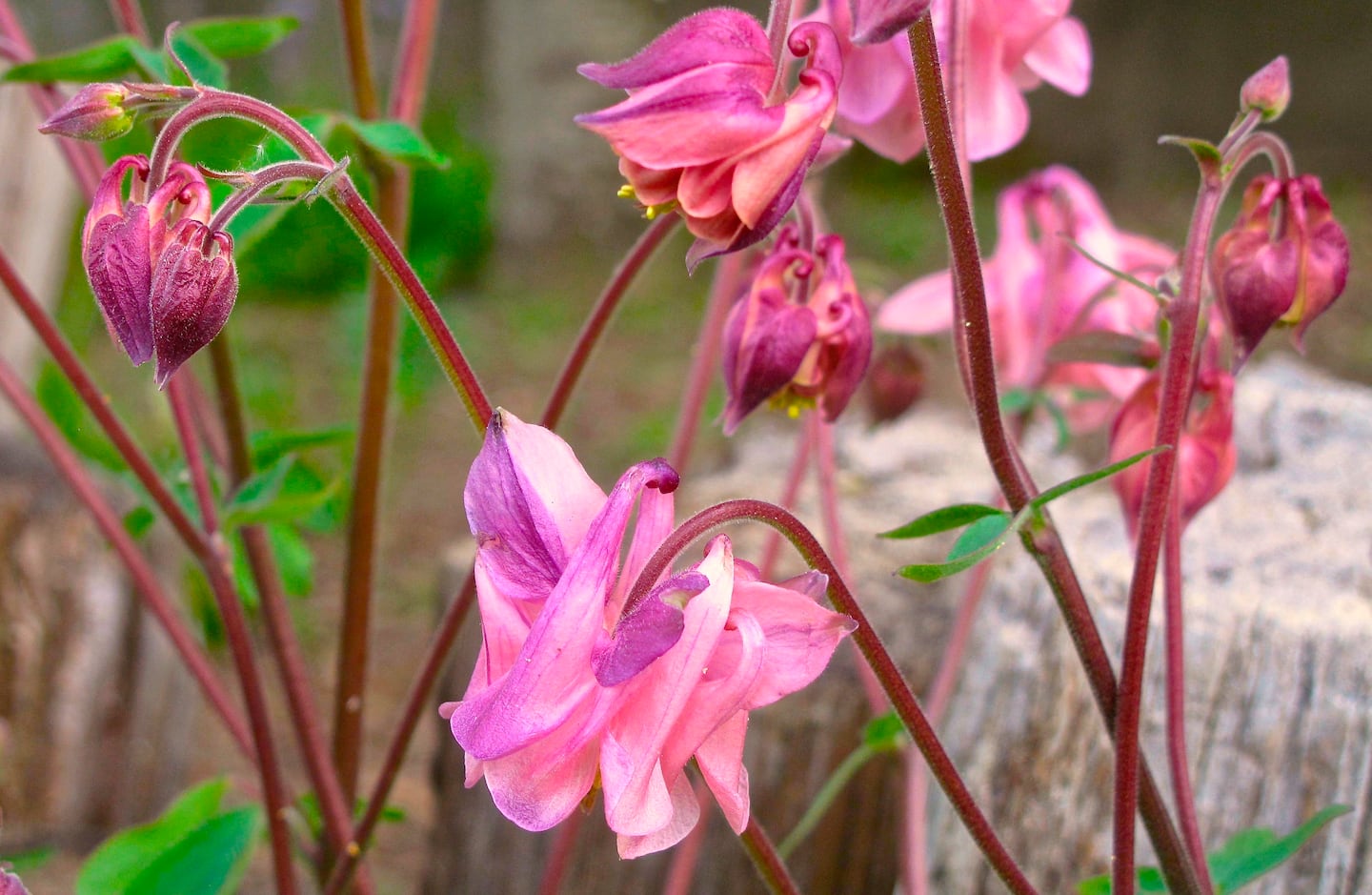 Pink columbines growing in a garden.Dean Fosdick/Associated Press
Not native, but a Mother’s Day perennial staple for good reason. A peony planted this spring may not bloom until next year, but once it does, it will bloom reliably every May for decades. There are peonies in New England gardens that have been flowering since before World War II. If that’s not a lasting gift, nothing is. I have recently become very fond of tree peonies as the blooms are more refined and they don’t flop as much.
Asclepias tuberosa, or butterfly milkweed, can take a bit to establish its deep taproot, but once it does, it will be a butterfly magnet and a host plant for the struggling monarchs. I like the orange flowers in the summer. This will not spread as aggressively as the native purple flowering milkweed Asclepias purpurascens, which can overtake a garden.
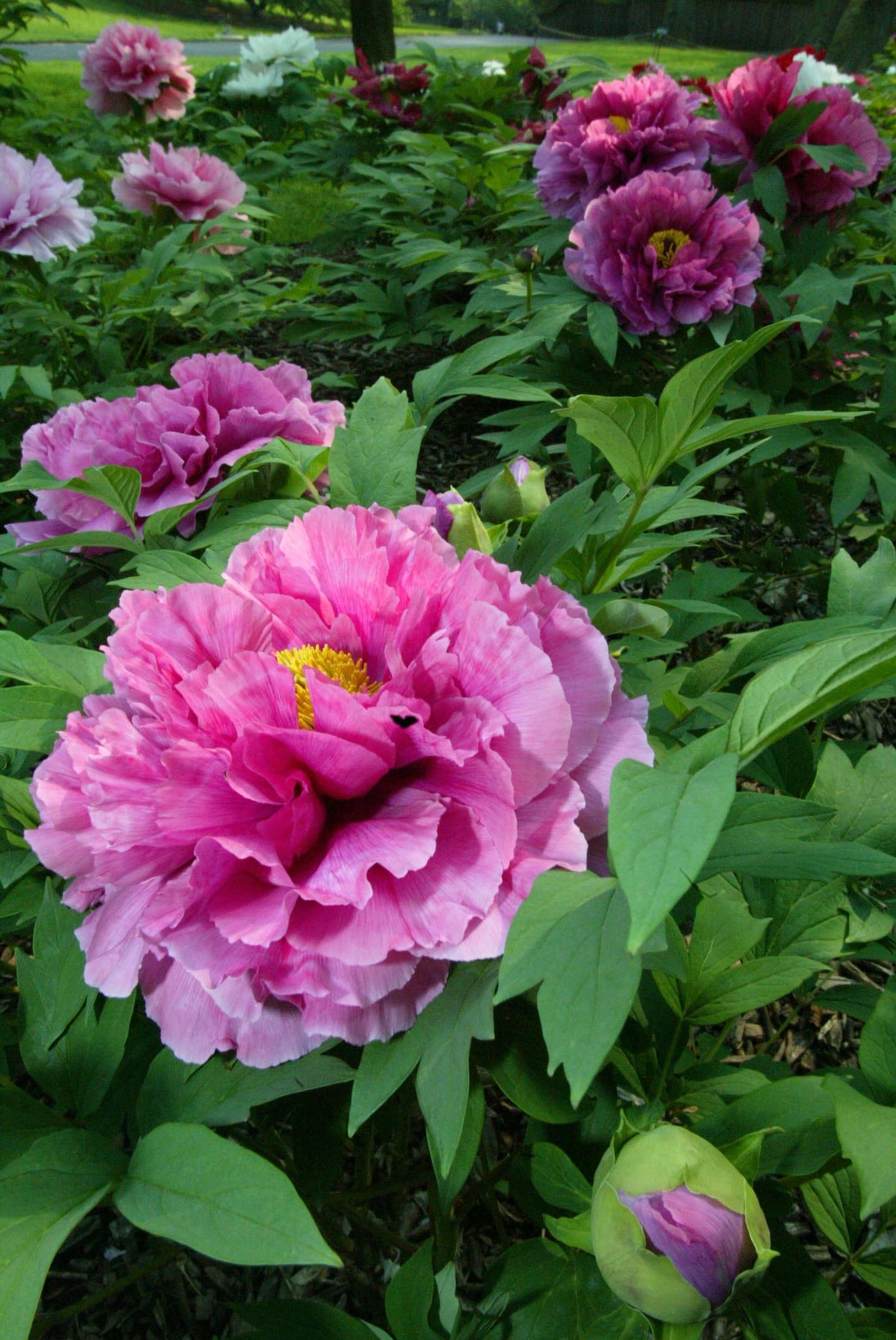 Peonies are beautiful choices to plant in the yard that will bloom year after year. Ruby Washington
Houseplants — Because not every Mom has a garden
• For a sunny spot: Bird of Paradise (Strelitzia reginae)
If your mom has a bright window or a sun-drenched corner, a bird of paradise makes a dramatic and enduring houseplant. It grows slowly into a bold, architectural presence, and with enough light, it will eventually produce its extraordinary orange and blue flowers. It’s not fussy — water it, feed it occasionally, leave it in the sun, and it rewards you. If you move it outside in for the summer, don’t forget it because this plant will not tolerate the cold.
 Bird of paradise flower (Strelitzia reginae).
Stan Grossfeld/Globe Staff
• For a low-light spot: Peace Lily (Spathiphyllum)
For the mom whose home runs more toward cozy than bright, a peace lily is one of the most reliable and forgiving houseplants you can give. It produces elegant white blooms even in low light, it tells you when it needs water by drooping slightly, and it bounces back quickly once it gets a drink.
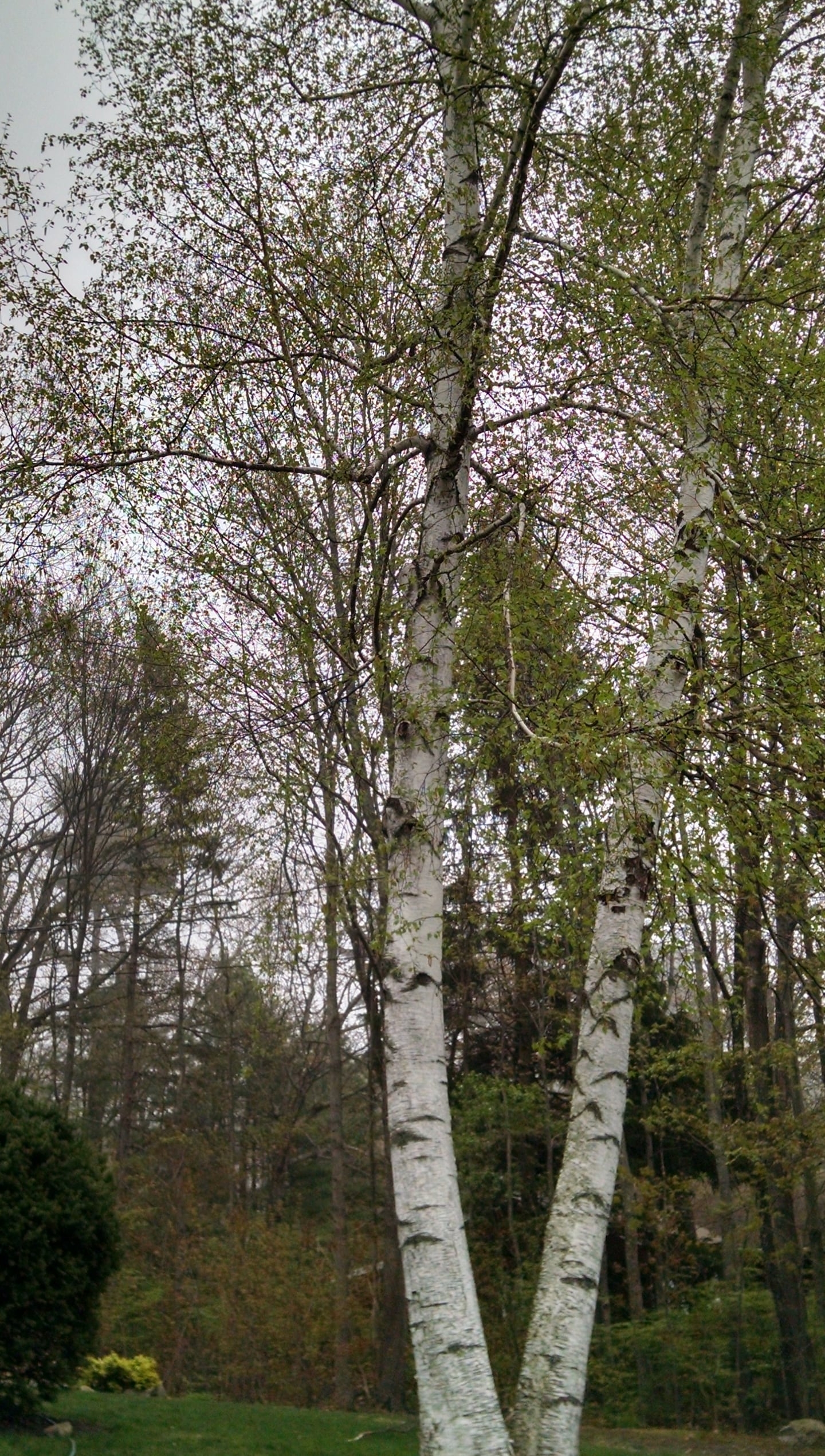 The birch tree I planted for my mom for Mother’s Day in 1985.Dave Epstein
It’s been called one of the easiest houseplants in the world, and that reputation is earned.
Not all of these plants that I just mentioned will be perfect on Mother’s Day. Some will flower a little earlier, some will flower a little later, some won’t flower at all. But they will all outlast the occasion.
Plants grow and change the way our relationships with our Moms do. Over time, you might not even notice the tree or shrub in the landscape, just taking it for granted, but you can’t imagine the space without it.
Long after the brunch dishes are cleared and the cards have been put away, the plants will be doing what plants do: growing, blooming, adapting, still there. Or someday you’ll drive past the house where she used to live, and that tree, still standing, will bring a smile to your face.
Have a gardening question for Dave? Email weather@globe.com or leave it in the comments below, and he will answer it in an upcoming gardening column.
Comments are closed.