
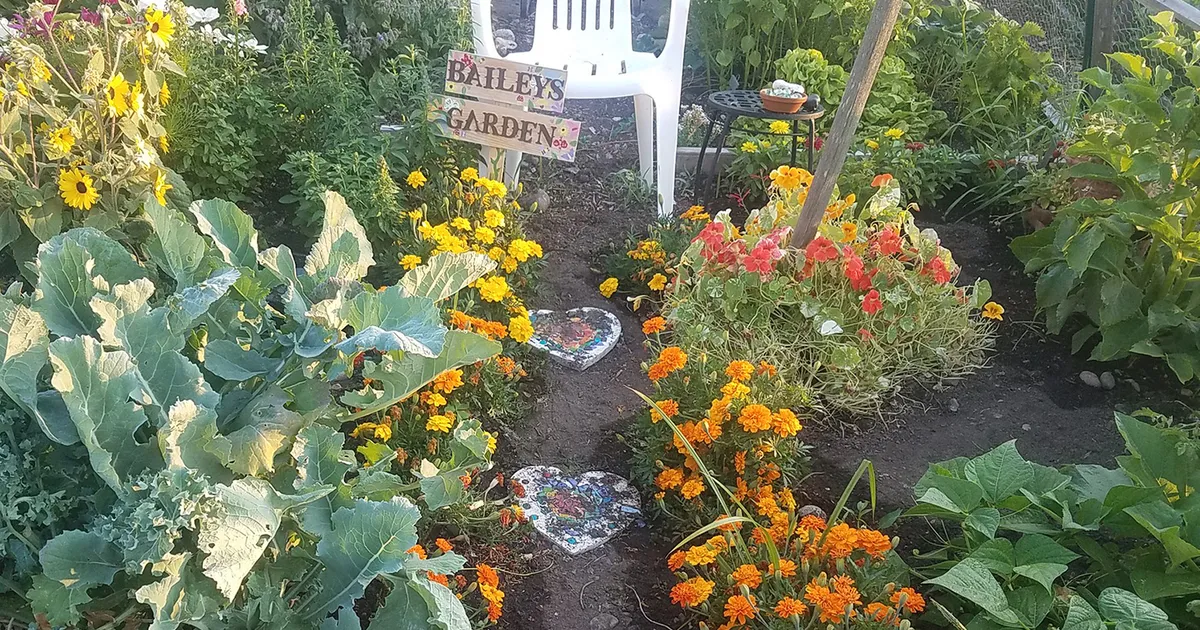
In Seattle, you don’t need yard space to garden. All it takes is a little urban ingenuity. P-Patch community gardens offer far more.
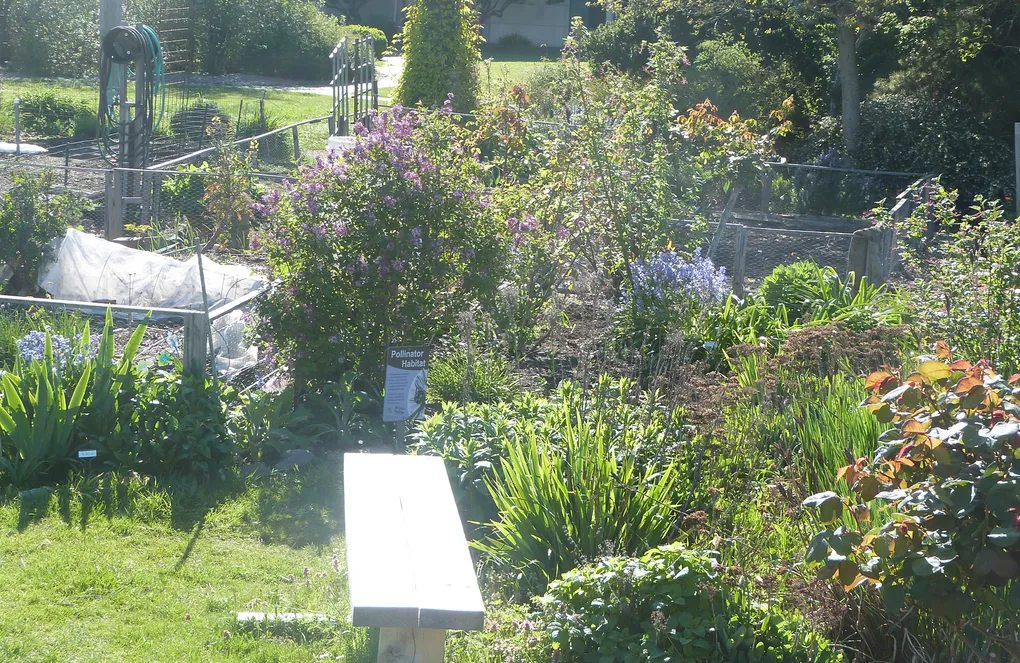
Community gardens provide a neighborhood oasis where participants grow food and flowers on small plots of land. Managed by the Seattle Department of Neighborhoods and run by those who are doing the growing, known as plot holders, the gardens give neighbors a way to slow down, share space and see what grows.
“That’s the No. 1 draw for being here,” says Cindy Krueger, chair of the leadership team at the P-Patch garden in Ballard. “To be part of a community and make friends.”
What’s in a name?
The name itself has nothing to do with peas, a common misconception among newcomers who assume the “P” refers to a vegetable. In truth, it honors the Picardo family who, in 1973, donated land from their Wedgwood farm to the city, making it Seattle’s first community garden. Today, there are 90 such spaces, placing Seattle second only to New York City in urban gardening programs, according to organizers.
Seattle’s plot holders come from all walks of life, says Kenya Fredie, the city’s P-Patch supervisor. “We have youth, elders, people from various professional, socioeconomic and racial backgrounds,” she says. “It truly runs the gamut, and that’s the beauty of it.”
Each P-Patch comes with its own dynamic and flavor. Some have picnic areas, play spaces or rustic garden gates. The Ballard P-Patch includes a pizza oven, a native pollinator garden and a patio.
Weekly potluck dinners draw strong attendance at some sites, as do weekend work projects. “There’s a wide bell curve of participation,” says Mark Huston, who heads up the Magnuson P-Patch. “Some people are here a lot. Other folks just come to tend their plot.”
Gardeners often stay in touch through different communication channels — anything from white boards in a garden shed to fully digital platforms. Such social aspects, along with its food bank donations, led to the state declaring the program an essential service during COVID.
All are welcome
Inclusivity is a major theme. Anyone, from greenhorns to green thumbs, can join. “We make it a pretty low barrier [for participation],” says P-Patch Community Garden Coordinator Alicia Choi. “We have folks who have never grown anything other than houseplants.”
At Magnuson, plot holders built raised beds so elderly and disabled gardeners could participate. “They told us they really couldn’t garden without those structured boxes,” Huston says.
You don’t need a plot to participate; many simply volunteer. “We have a number of community members on our waitlist or who attend our potlucks,” Krueger says. Sometimes, gardeners who have given up their plots help out to maintain their attachment to the program.
If there’s any major challenge, it’s the combination of popularity and low turnover. Like Seahawks fans waiting for a shot at season tickets, the gardens have extended interest lists. Applicants could end up waiting anywhere from months to years for an available plot.
P-Patch gardeners must be Seattle residents or live near city limits. The program prefers applicants live within walking distance of their patch, although some choose plots near places they frequent, like their children’s school.
The gardens are strictly organic. That means no pesticides, herbicides or weed killers. Organic fertilizers like compost are allowed. When plot issues arise, like an influx of aphids, plot holders turn to each other for natural solutions. “We try to be very open and welcoming on giving people references, places to go, resources on organic gardening,” Krueger says.
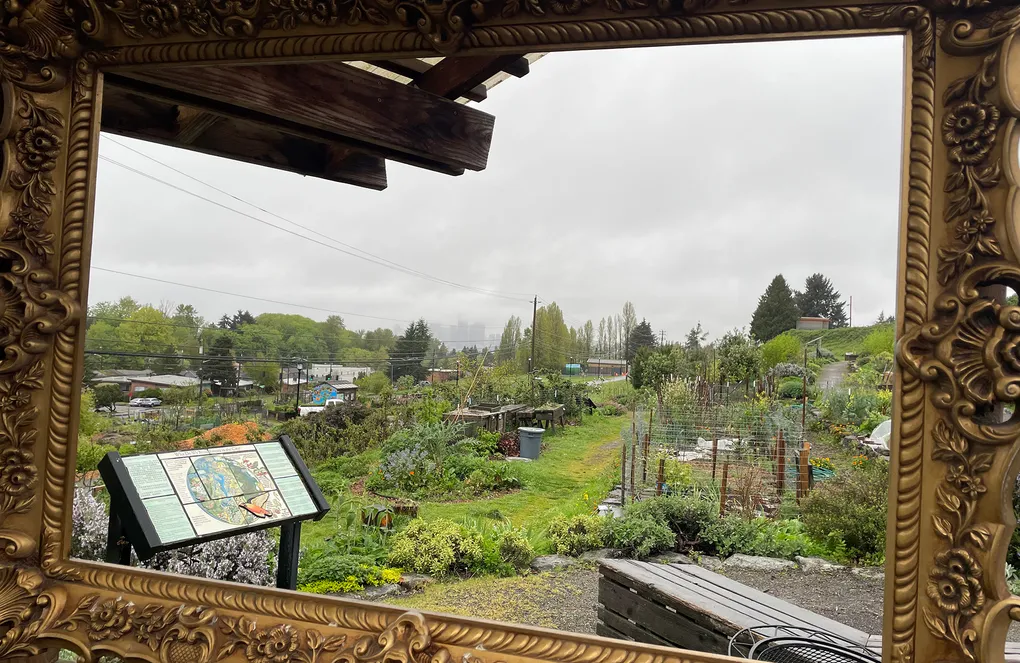
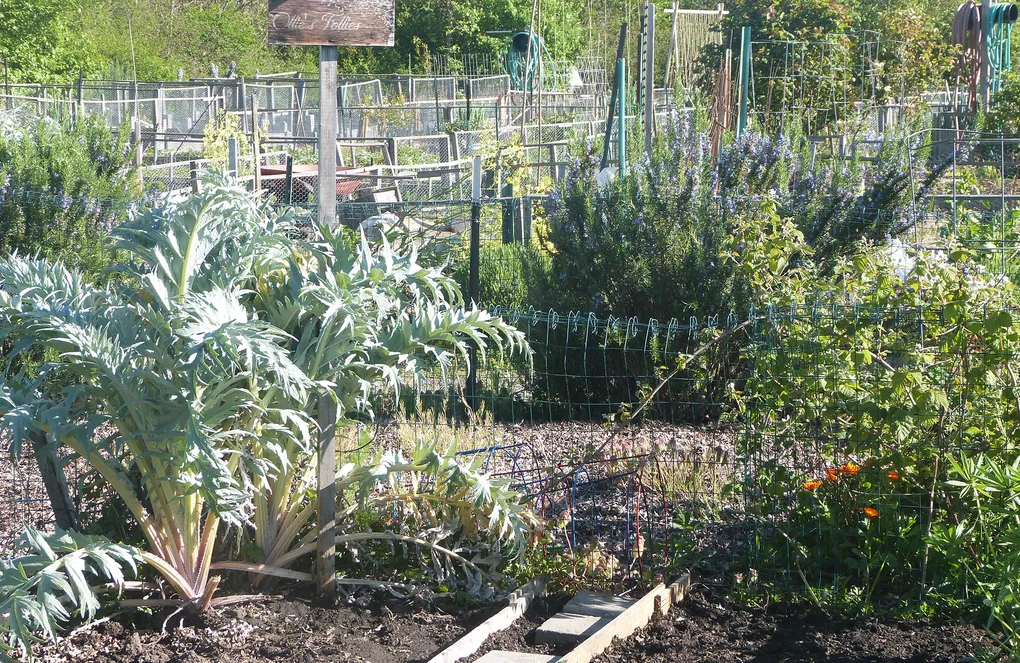
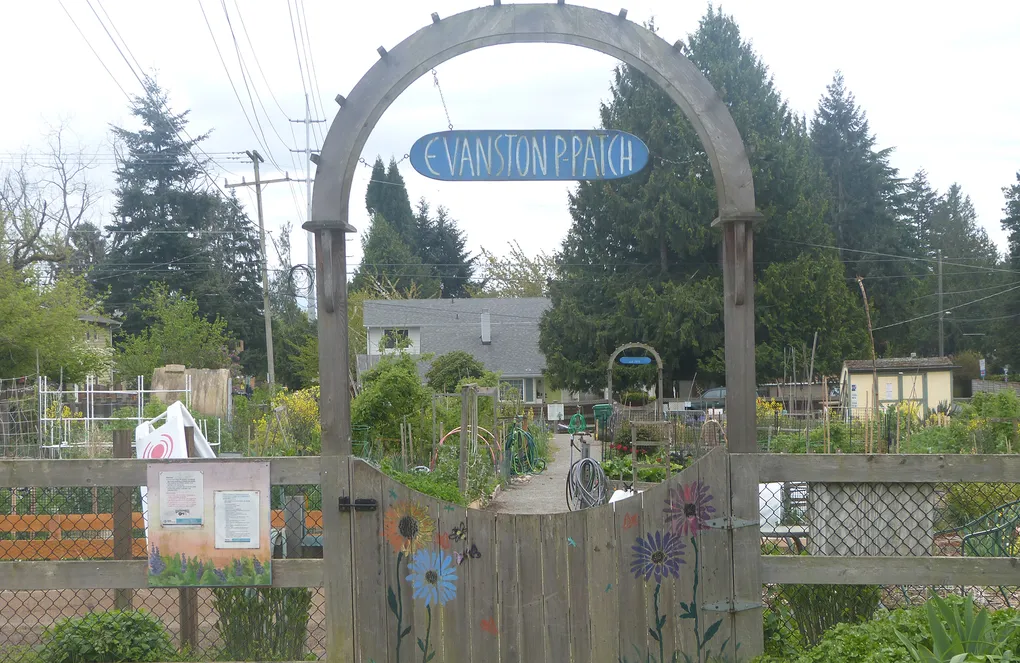
To apply for a plot, visit the Department of Neighborhoods registration page, where you’ll be asked to provide your choice of two gardens by order of preference. You can also find a city P-Patch map online.
While there are application and annual permit fees, the city subsidizes participation when needed. “It’s important to us that people can access the program,” Choi says. “So, we offer assistance in instances where the fee is a barrier.”
Once you’ve got a plot, the city expects you to keep it maintained year-round — planting in spring, tending through summer, harvesting in fall, then buttoning things up for winter with cover crops or hardy vegetables like kale and chard. “We have a foundation of expectations in the form of rules and codes of conduct,” Fredie says.
Bumper crops
What people grow varies wildly. At the Magnuson patch, Huston sees a lot of dahlias, beets, tomatoes and cucumbers, while in Ballard, you’ll find sugar snap peas, green beans and a variety of flowers. “We even have blueberry and raspberry vines,” says Fredie. “They just have to be well maintained.”
Many plot holders like to use heirloom seeds. “I have a number of gardens that have seed libraries made available to plot holders,” Choi says.
One interesting, less-known aspect is gardeners growing culturally relevant food, connecting them to their roots. For example, Choi has seen plot holders lovingly tending to gourds, water bamboo and Korean Kkaennip.
Many local P-Patches grow to give in the form of dedicated plots or portions of plot harvests donated to food banks. Last year, the gardens delivered more than 40,000 pounds of food.
“We’re happy to take anything that our gardeners want to grow,” says Lena Hard-Bundy, Food Donations Senior Manager for the Ballard Food Bank. “It’s really awesome having something super local feeding folks directly in the community. I think people love that.”
Garden leaders make a concerted effort to grow needed food staples. “We have a conversation about what they’re looking for, and we really focus on growing those things,” Krueger says.
As communities, P-Patches reap what they sow, which includes more than a food harvest. “As our city becomes denser,” Krueger says, “these spaces are incredibly valuable for community, connection, green space and food security.”
Comments are closed.