

Gardening expert Peter Dowdell shares the most common gardening mistakes you may wish to sidestep this spring while also revealing his top tips on what to do instead
Liam McInerney Content Editor
11:48, 08 May 2026
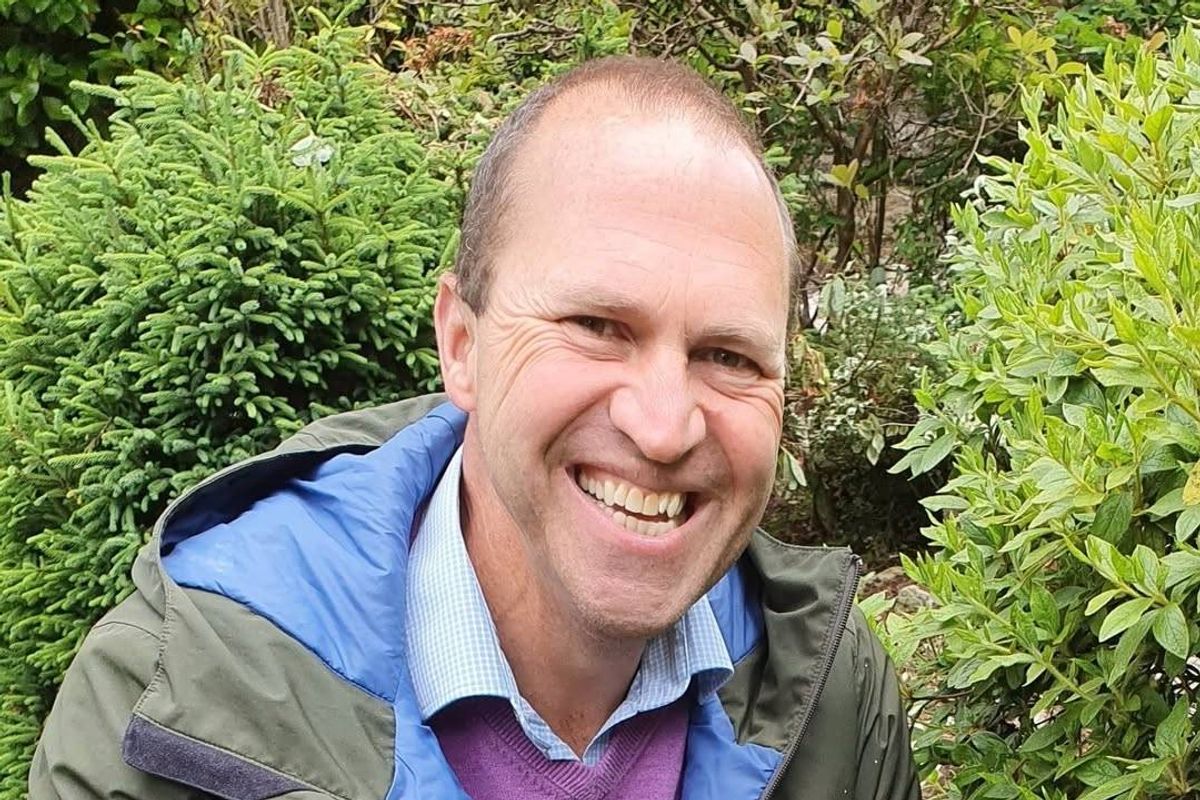
The Irish Gardener Peter Dowdall (Image: @the_irish_gardener/Instagram)
For many of us, the arrival of better weather prompts one question: How can we get our gardens summer-ready?
Sadly, we’re not all green-fingered experts, and it’s easy to make blunders when dealing with tasks like moss removal or attempting to enhance the visual appeal of your outdoor space.
However, specialist Peter Dowdell, known as The Irish Gardener, has now revealed the most frequent errors he encounters at this time of year, along with advice on how to prevent them.
1. Removing moss
Peter, who has tended Irish gardens for three decades, explained the most common enquiry he receives is: “How do I get rid of moss on the lawn?”
Yet before providing the answer, he cautioned: “What I do like to avoid, most moss killing or moss treatment products that you get in garden centres are based on sulphate iron.
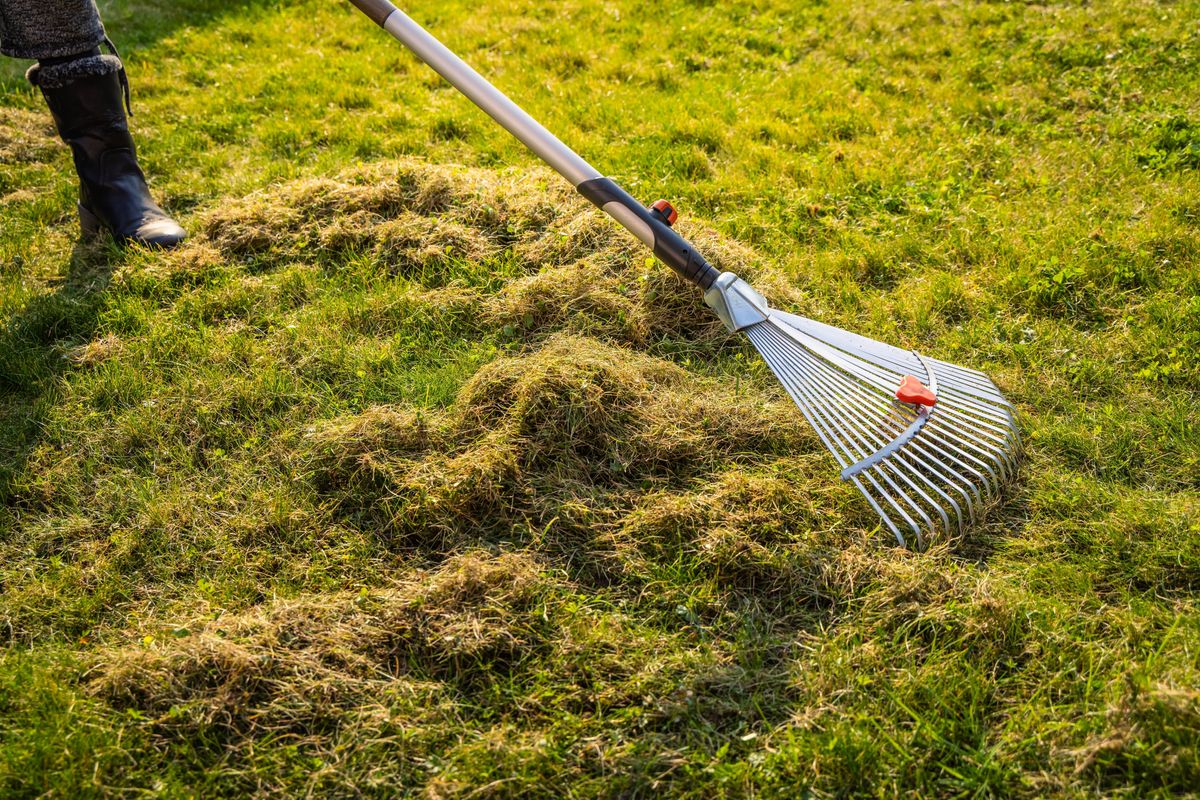
Scarifying lawn(Image: Getty Images)
“I don’t like to use sulfated iron in the treatment of moss because of what it does. It does turn the moss black and kills it, but it works by acidifying the soil so it decreases the PH of the soil, and what that does is it creates the ideal conditions for moss to come back because moss likes a low PH.”
Regarding the proper approach, should moss removal genuinely matter to you, he advised: “First of all you scarify the lawn, which is really like a mechanical rake, it is just physically removing the moss and the patch from the surface of the lawn.
“Once you have done that then, you try and improve the soil structure by erasing it so erasing it really is just creating many tiny tiny little holes in the top two inches of the soil and you can either leave those holes open or you can push grit or sand into them to help with drainage – this will certainly help.”
Nevertheless, he acknowledged this could consume hours if not days annually to keep moss at bay, which he pointed out was genuinely advantageous to the environment, though he doesn’t pass judgement on those wanting to eliminate it.
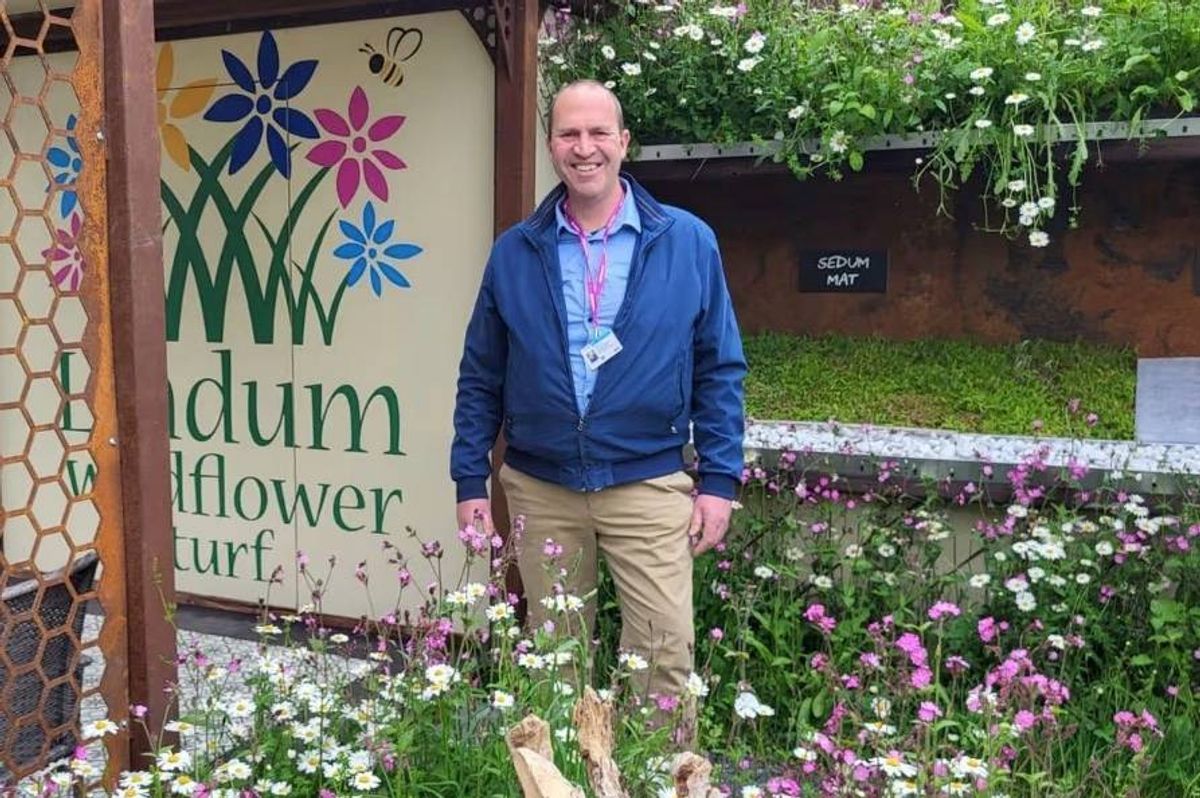
Peter Dowdall at the Chelsea Flower Show(Image: RSVP Live)
2. Summer bedding plants
With sunshine streaming down, it’s natural to crave vibrant colour in your garden, yet Peter cautioned this consistently results in the same error.
He recently told this reporter: “Run down to the garden centre, get lots and lots of summer bedding plants and put them out straight away. That’s a big mistake.”
He added: With the lovely blue sky days, at the moment, that does mean cold nights. So these plants wouldn’t be, they wouldn’t even be resistant to low temperatures. It wouldn’t have to be a frost or zero, even if it is down to two, three, or four, it is too cold for them.
“So a lot of these plants, all of these plants really, would have been grown in artificial conditions, in glass houses, in tunnels, and then you will be buying them in either centrally heated supermarkets or in a projected structure in a garden centre, so that’s why they look good, but they are not ready to go outside straight away.”
3. ‘Blanket bombing’
Discussing garden centre purchases, Peter also warned against buying what he considers a “best-selling product” that will effectively “blanket bomb” your lawn.

He also shares tips on his website (Image: )
He explained: “When it comes to the lawn, I would imagine that one of the best-selling products in garden centres at this time of year is what is called the triple action products – which are bags of lawn feed with the moss killer and the weed killer built in.
“They are very ecologically damaging. It is like blanket bombing your lawn. So, you are feeding the grass which is grand, but you are also applying chemical moss killers and chemical weed killers to the lawn, many in areas that don’t need it. They don’t have weeds or moss – so you are just blanket bombing it.”
He stated this presented a significant ecological drawback, and that spreading chemicals across extensive areas of your lawn that may not require treatment can be hazardous – particularly if you have children who’ll play on the grass.
4. Slug pellets
As we’re aware, slugs and snails can wreak havoc in gardens during this period. These pests can devastate plants and crops and may also destroy harvests by devouring fruit.
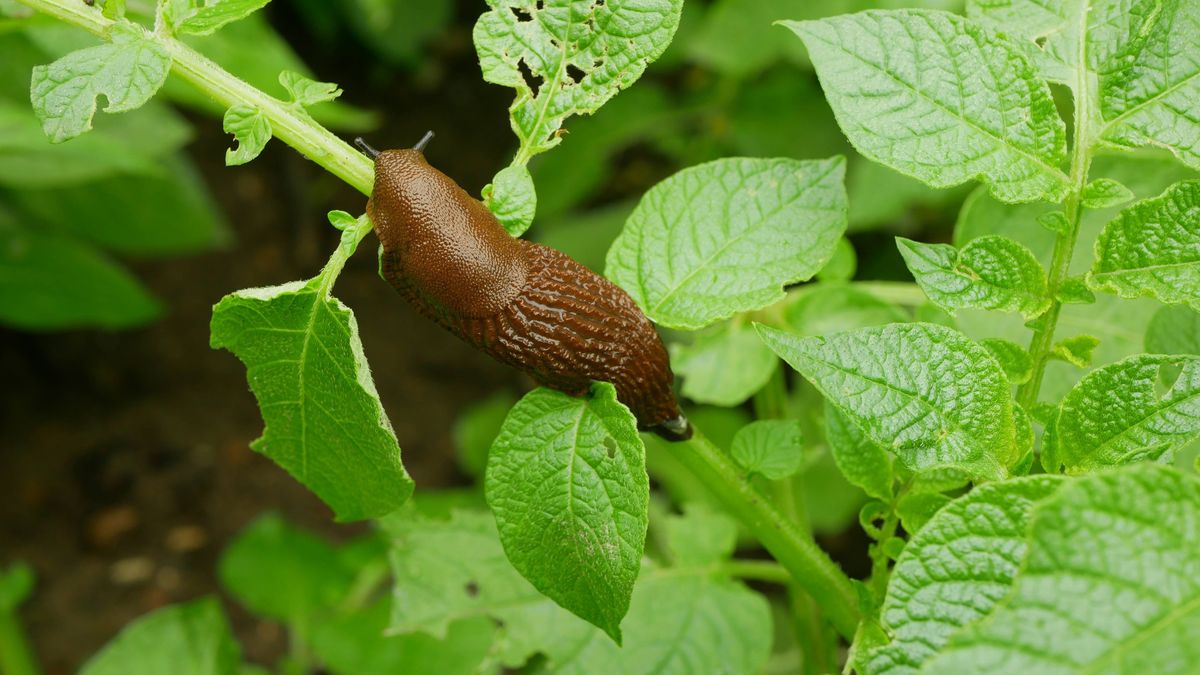
Slugs are another unwanted pest that destroy gardens(Image: Tomas Vynikal via Getty Images)
Nevertheless, Peter revealed there was a “secret weapon” available in most garden centres to tackle the issue.
He described slugs and snails as “the most common garden problem right now” and the expert added: “A lot of people just go straight for slug pellets which I’m not a huge fan of because of ecological reasons.
“There is a secret weapon if you like against slugs and snails which not a lot of people are aware of and that’s sheep’s wool. There are pellets available made from sheep’s wool which are perfect barrier products.”
These pellets are positioned around the plants you wish to protect, forming a barrier that slugs cannot cross.
Peter continued: “It keeps the plant safe, it doesn’t kill the slugs, but that’s important too because slugs are food for hedgehogs and birds. It’s all about the natural balance if you like, creating the natural balance just means that by maintaining a good diversity of species in the garden, you prevent the unnatural building of any one.
“So, sheep wool is a nice hidden weapon people aren’t aware of and they are available through most garden centres as well.”
In Ireland, these pellets can cost up to €22.50 and are manufactured from wool that would otherwise be discarded.
5. Rats
Everyone wants to discover the most effective methods for keeping rats at bay, but Peter didn’t dodge the harsh reality, acknowledging that the rodents were “probably in 100% of gardens”.
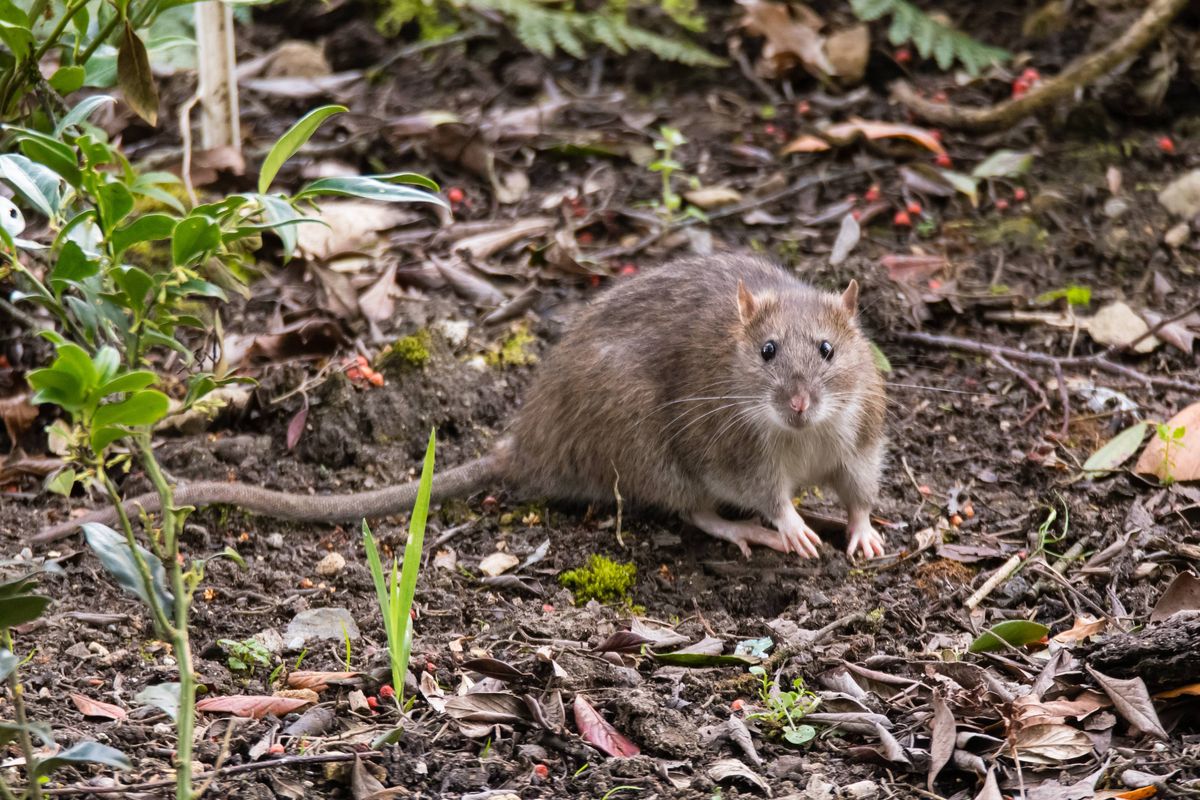
There is no magic solution to removing rats, according to Peter (Image: Ian_Redding via Getty Images)
He explained there was no “miracle” fix and that rats emerge at night during quiet periods when they remain unseen.
Regarding typical mistakes to steer clear of, he noted: “It is all about making sure you are not giving them a reason to stay in your garden, that you are not giving them a reason to nest, it comes down to a lot of hygiene really.” Peter went on to say: “Never throw cooked food waste into an open compost bin because that will draw rats.
“If you give them a food source, a water source, and somewhere safe to nest, then they will stay, so it is all about cleanliness in the garden really in terms of hygiene.
“Not leaving stuff that would be attracted to rats and nesting sites and food sources. If you can make sure you are not leaving them in the garden, then that’s as much as you can do really against rats.”
For more practical garden advice, see Peter Dowdall’s Garden Q&A
Comments are closed.